Bee Balm: 9 Proven Secrets for Stunning Blooms
Introduction
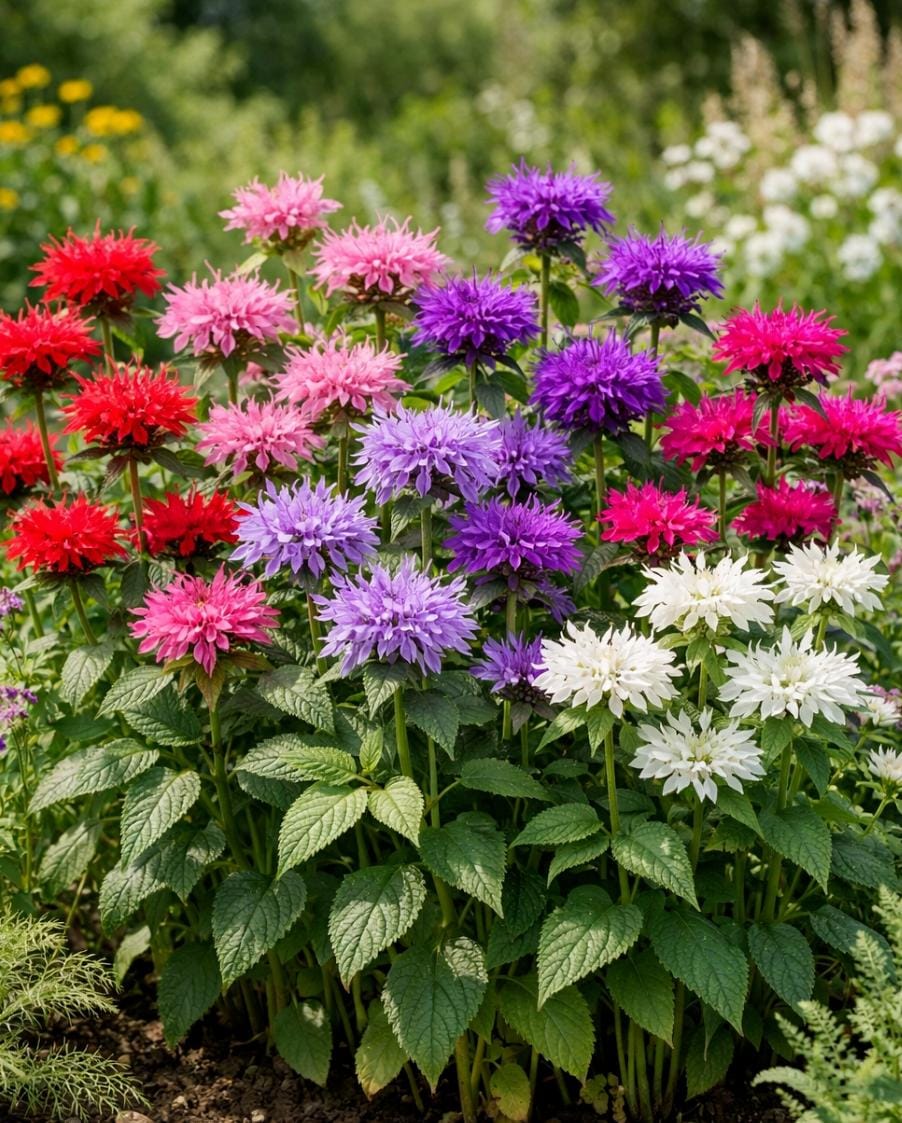
Few perennial flowers provide as much vibrancy to a summer garden as bee balm. When Monarda didyma blooms, its vivid red, crimson, pink, or purple-tinged flowers appear to transform an ordinary planting into a thriving miniature ecosystem. Bees go from blossom to flower, butterflies rest on the petals, and hummingbirds frequently inspect the tubular flowers. Even the leaves have much to offer, emitting a peculiar fragrant odor when crushed.
However, it is more than just a lovely pollinator plant. It is a North American native perennial with a rich cultural past, an intriguing botanical structure, delicious and fragrant applications, and an unexpectedly helpful role in landscapes where gardeners seek beauty without losing ecological value.
Monarda didyma is a member of the mint family Lamiaceae and is endemic to eastern North America, where it grows natively from southeastern Canada to the eastern United States. Monarda didyma is recognized as an acknowledged species by Kew’s Plants of the World Online, and it is described as a perennial herb that may grow to be approximately 1.5 meters tall.
For home gardeners, it has another significant advantage: once planted in the correct area, it may become a long-lasting garden fixture. The difficulty is grasping what “right location” really implies. Bee balm prefers moisture, sunshine, adequate air circulation, and enough space to develop. Give it these conditions, and it will repay you with weeks of summer blossoms. If you put it in a confined, dry location with inadequate circulation, powdery mildew will rapidly take center stage.
What Exactly Is Bee Balm?
Bee balm is the common name most often associated with Monarda didyma. It is also known by names including Oswego tea and bergamot. The latter name can be confusing because bee balm is not the same plant as the bergamot orange used to flavor Earl Grey tea. The species belongs to the genus Monarda, a group of aromatic North American plants in the mint family. Kew currently recognizes numerous species within the genus, including M. didyma, M. fistulosa, M. punctata, and others.
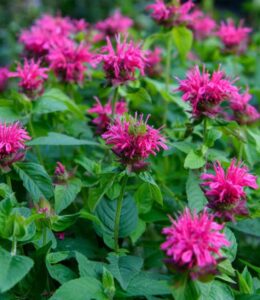
Bee balm, like many members of the mint family, has stems that are characteristically square in cross-section. Its leaves grow opposite one another along the stem and have toothed edges. When the leaves are bruised, they release aromatic compounds that contribute to the plant’s distinctive fragrance.
The flowers of bee balm are particularly unique. What appears to be a single large flower is actually a dense cluster of individual tubular flowers arranged together in a rounded flower head. The colorful bracts that surround and support the flowers enhance their visual appeal. This unique floral structure is one reason why bee balm is effective in pollinator gardens. The tubular flowers provide nectar for insects and hummingbirds that can reach into these floral tubes.
Where Bee Balm Comes From
Monarda didyma is native to eastern North America. Its natural range includes parts of southeastern Canada and the eastern United States. In nature, the species is associated with relatively moist habitats. It can occur in bottomlands, moist woods, thickets, and areas near streams. That background explains an important gardening characteristic: bee balm is not naturally adapted to being kept bone-dry for long periods.
This does not mean the plant needs standing water. In contrast, garden soil should hold sufficient moisture while still allowing excess water to drain away. Understanding the environment where a plant evolved is often more useful than memorizing a single watering schedule. Instead of watering bee balm every Tuesday because a gardening calendar says so, pay attention to the soil, weather, temperature, and growth stage.
Why Pollinators Love Bee Balm
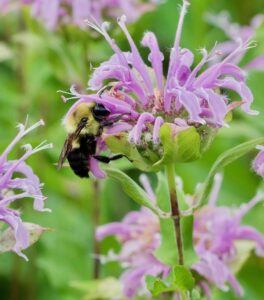
The name “bee balm” gives away one of its most famous garden relationships, but bees are not its only visitors. The tubular flowers can attract a range of pollinating insects, while hummingbirds are particularly interested in the colorful, nectar-rich blooms. Butterflies can also visit the flower clusters. Missouri Botanical Garden lists bee balm as attractive to bees, hummingbirds, and butterflies and notes that the effect can be especially strong when plants are grown in groups.
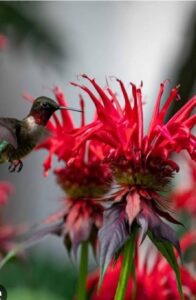
That makes bee balm useful when designing a garden around pollinator activity rather than simply planting isolated ornamental specimens. A single plant can provide flowers, but a small group creates a more visible and concentrated resource. It can also make the planting look more natural. For gardeners trying to create a wildlife-friendly landscape, bee balm can therefore serve two purposes at once: it provides strong summer color for people while supplying floral resources for visiting pollinators.
Choosing the Right Location
The first major decision when planting bee balm is location. Bee balm generally performs best in full sun to partial shade, with rich soil that retains moisture. Missouri Botanical Garden recommends rich, humus-containing, moisture-retentive soil and notes that some afternoon shade can be beneficial in hot summer climates. For many North American gardens, a location receiving several hours of direct sunlight is a good starting point.
However, “more sun is always better” is not necessarily the right rule.
In a mild climate with adequate moisture, full sun can encourage vigorous flowering. In an extremely hot summer climate, some protection from intense afternoon sun may reduce moisture stress. The important combination is adequate light plus consistent soil moisture.
Avoid planting bee balm where surrounding vegetation blocks air movement. Dense foliage may look lush at first, but stagnant air creates conditions that favor foliar diseases. A site with morning or midday sunlight and enough space around the plants for air to move through the foliage can make a substantial difference.
Soil Requirements
Bee balm is relatively adaptable, but it performs particularly well in fertile, organic-rich soil.
A good garden soil for bee balm should accomplish three things:
- retain enough moisture for steady growth,
- drain excess water rather than remaining saturated,
- contain enough organic matter to support vigorous roots.
This is where compost can be useful. Well-finished compost can improve the structure and moisture-holding capacity of many garden soils while adding organic matter. Heavy clay is not automatically a reason to reject bee balm. Missouri Botanical Garden notes that the plant can tolerate heavier clay, provided the growing conditions are appropriate. The bigger concern is prolonged waterlogging.
At the opposite extreme, extremely sandy soil may drain so rapidly that the plant experiences repeated moisture stress. In that situation, incorporating organic matter can help improve water retention. The goal is not to create an artificially perfect soil. It is to create a root environment where moisture and oxygen are both available.
Planting Bee Balm
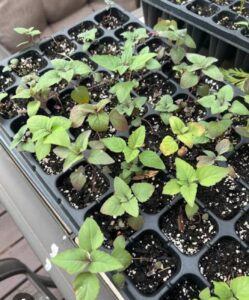
Bee balm can be planted from nursery-grown divisions or young plants, and gardeners can also grow it from seed. When planting nursery plants, dig a hole roughly as deep as the root ball and somewhat wider. Position the plant so that it sits at approximately the same soil level at which it was growing in its container. Backfill with the existing soil and water thoroughly. Do not bury the crown deeply simply because you want to “protect” the plant. Excessive planting depth can interfere with healthy growth.
Give individual plants enough space to develop without immediately competing with neighboring stems. Spacing depends on the cultivar and the desired appearance, but the principle is straightforward: avoid creating a solid wall of foliage with no air movement. After planting, a layer of organic mulch can help moderate soil temperature and reduce moisture loss. Keep mulch away from direct contact with the stems.
Growing Bee Balm From Seed
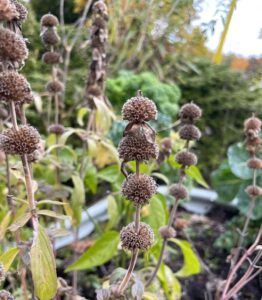
Growing bee balm from seed can be rewarding, but patience is useful. Some gardeners prefer to purchase established plants because they provide faster results. Starting from seed, however, allows you to grow a larger number of plants and experiment with different sources. Seed germination can vary depending on seed quality, environmental conditions, and treatment. If starting seeds indoors, use a clean seed-starting medium and provide adequate light after emergence. Young seedlings need moisture but should not remain saturated.
Once seedlings are large enough to handle and outdoor conditions are suitable, gradually acclimate them before moving them permanently into the garden. This hardening-off period is important because seedlings raised under protected indoor conditions are not immediately prepared for direct sunlight, wind, and fluctuating outdoor temperatures.
Watering: Moist, Not Soggy
Water is one of the most important factors in successful bee balm cultivation. The plant naturally occurs in environments where moisture is more dependable than in dry prairie or desert habitats. Missouri Botanical Garden recommends keeping the soil from drying out. That does not mean constantly wet soil. Instead, aim for relatively even moisture. During periods of hot weather, newly planted bee balm may need more frequent watering until the root system becomes established. Mature plants generally have greater access to soil moisture, but prolonged drought can still cause stress.
Water deeply enough to moisten the root zone rather than giving the foliage a brief daily splash. Morning watering is particularly useful when irrigation is needed because foliage has more opportunity to dry during the day. Avoid routinely wetting the leaves late in the evening, particularly in humid conditions.
Fertilizing Bee Balm
Bee balm usually does not require an aggressive fertilizer program when planted in fertile soil. Overfertilization can encourage excessive soft vegetative growth rather than creating a healthier plant. It can also increase maintenance and potentially contribute to disease-prone conditions. A soil test is more useful than guessing which nutrients the plant needs. If your soil is deficient, address the actual deficiency rather than automatically applying a high-nitrogen fertilizer.
A modest amount of finished compost incorporated into the planting area can be a sensible approach for improving soil organic matter. Think of fertility as supporting the plant rather than forcing it to grow as quickly as possible.
The Powdery Mildew Problem
If there is one issue that frequently frustrates bee balm growers, it is powdery mildew. The disease appears as white or gray powdery growth on leaves and other plant tissues. Powdery mildew is a fungal disease, and bee balm is among the ornamental plants that can be affected. The important point is that powdery mildew does not necessarily mean your plant is doomed. The disease often becomes more noticeable when plants are crowded, air movement is poor, sunlight is limited, or environmental conditions favor fungal development.
Missouri Botanical Garden specifically recommends good spacing and air circulation, adequate sunlight, avoiding overhead watering, and maintaining plant vigor as part of powdery mildew management. This is why disease prevention should begin before you see white leaves. Do not squeeze too many plants into a small area simply because you want a fuller flower display. A slightly more open planting can actually produce a healthier garden.
How to Reduce Powdery Mildew Naturally
Start with the growing environment. Choose cultivars with documented resistance when available. Provide adequate sunlight. Maintain spacing. Water the soil rather than repeatedly wetting the foliage. Remove badly infected plant material when appropriate and clean up diseased debris at the end of the season. Avoid excessive nitrogen fertilization, which can promote lush, succulent growth that is more vulnerable to some foliar diseases. Missouri Botanical Garden includes avoiding high-nitrogen fertilization among its powdery mildew management recommendations.
Remember that powdery mildew spores do not require standing water on the leaves to germinate. Consequently, simply avoiding wet foliage is not a complete solution. The broader objective is to create an environment less favorable to disease development. Cultivar selection can also matter considerably. Some modern Monarda selections have been specifically noted for powdery mildew resistance.
What About Other Pests and Diseases?
Powdery mildew receives most of the attention, but bee balm can experience other problems. Rust may occasionally occur, and certain insect pests can feed on the foliage. The University of Minnesota Extension lists powdery mildew and four-lined plant bug among the problems associated with bee balm. The best strategy is not to spray automatically. Inspect the plant regularly.
Look underneath leaves, examine new growth, and pay attention to unusual discoloration, distortion, holes, or premature leaf drop. A healthy plant growing under appropriate conditions can tolerate some insect activity without intervention. Not every insect seen on a plant is a pest that requires treatment. This is especially important in a pollinator garden, where indiscriminate insecticide use can conflict with the very ecological purpose for which bee balm was planted.
Does Bee Balm Spread?
Yes, and this is something gardeners should understand before planting it. Monarda didyma spreads through underground rhizomes and can also reproduce by seed. Missouri Botanical Garden describes it as forming colonies through rhizomatous growth and self-seeding. For some gardeners, this is a benefit. A developing colony can produce a dramatic mass of flowers and create a stronger pollinator planting.
For gardeners working with a very formal border, however, expansion may require management. Dividing established clumps every few years can help control overcrowding and maintain vigorous growth. Missouri Botanical Garden recommends division approximately every three to four years. Rather than treating the plant’s spreading habit as automatically good or bad, consider your garden design.
In a naturalistic border, meadow, or pollinator garden, spreading may be part of the appeal. In a tightly controlled ornamental bed, you may want to monitor the colony more closely.
When Does Bee Balm Bloom?
Flowering generally occurs during summer, although exact timing varies according to climate, cultivar, and growing conditions. The flowers can continue for several weeks, providing a valuable period of color when many spring perennials have already finished. Deadheading spent flowers can improve the appearance of the planting and may encourage additional flowering in some situations. It can also reduce unwanted self-seeding.
If your goal is to support wildlife rather than maintain a perfectly tidy garden, however, consider leaving some seed heads toward the end of the season. Garden design is often about deciding which function matters most at a particular time of year.
Pruning Bee Balm
Bee balm does not require complicated pruning. During the growing season, remove damaged or badly diseased foliage as appropriate, and deadhead flowers if you want to extend the ornamental display or reduce self-seeding. After flowering, some gardeners prefer to leave stems standing through winter. Others cut them back as part of fall cleanup. Leaving some plant material can provide winter structure and potentially offer habitat or food resources for small garden organisms.
If disease was severe, however, removing affected stems and fallen debris can reduce the amount of disease material remaining around the planting. Missouri Botanical Garden recommends removing diseased tissue and cleaning up dead leaves and stems as part of powdery mildew management.
Dividing Established Plants
Division is one of the easiest ways to propagate mature plants while controlling the size of an established colony. Over time, a clump can become crowded. Digging and dividing it allows you to rejuvenate the planting and redistribute plants around the garden. A useful time for division is when the plant is dormant or beginning active growth, depending on local climate and gardening conditions.
Dig around the clump, lift it carefully, and separate healthy sections with viable roots and shoots. Replant divisions promptly and water them thoroughly. The process is not merely about making more plants. It also helps prevent overcrowding, which can improve air movement and reduce the conditions that favor foliar disease.
Bee Balm in Different Garden Styles
One reason bee balm remains useful to modern gardeners is its versatility. It can fit into a traditional perennial border, cottage garden, native plant garden, pollinator garden, meadow-style planting, rain garden, or informal landscape. Its upright growth also gives it useful vertical structure. Rather than planting it alone, consider combining it with plants that bloom before or after it.
Spring flowers can provide an early-season display, bee balm can dominate during summer, and late-season perennials can carry the garden into autumn. This approach creates a succession of resources rather than asking one plant to carry the entire garden. Bee balm is especially effective when repeated throughout a planting. Several groups distributed across a border can create visual rhythm while making the flowers easier for pollinators to locate.
Can You Grow in Containers?
Yes, although containers require more attention to moisture than garden beds. Choose a sufficiently large container with drainage holes. Use a quality potting medium that holds moisture while still providing adequate drainage. Because container soil can dry much faster than ground soil, check moisture regularly during hot weather.
Compact cultivars can be particularly useful for containers because some traditional forms can become relatively tall. Container-grown bee balm also benefits from good air circulation. Do not pack containers tightly against walls or surround them with dense foliage.
Bee Balm as an Edible and Aromatic Plant
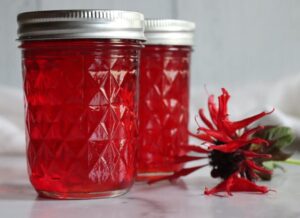
It has a long history of culinary and cultural use. The leaves can be used for herbal teas and have also been used fresh in salads. Missouri Botanical Garden notes the historical use of the plant for tea and its continued use of aromatic leaves in teas and salads. The name Oswego tea is associated with the historical use of the leaves by the Oswego people of New York.
However, traditional use should not automatically be interpreted as proof that a plant is a medical treatment. Bee balm contains aromatic compounds, and the chemistry of Monarda species has attracted scientific interest. But claims that a homemade bee balm preparation can treat a particular disease should not be presented as established medical fact without appropriate clinical evidence.
For gardeners interested in using the plant as food or tea, correct identification is essential, particularly because common names can overlap between species. And if you are using bee balm medicinally, speak with a qualified healthcare professional rather than treating traditional use as a substitute for medical care.
A Note About the Name “Bergamot”
Bee balm’s common name, “bergamot,” can cause unnecessary confusion. True bergamot orange is Citrus bergamia, a citrus species. Bee balm is Monarda didyma. The name appears to be associated with the perceived similarity between the fragrance of bee balm and bergamot. This is a good reminder that common names can be useful for conversation but unreliable for identification. Scientific names provide much greater precision.
Choosing Bee Balm Cultivars
Garden centers now offer many Monarda cultivars with differences in flower color, height, habit, and disease resistance. Traditional Monarda didyma forms are known for their intense red flowers, but cultivated selections can produce shades ranging from pink to purple and other tones. Compact cultivars are useful for smaller gardens, while taller selections can form dramatic back-of-border plantings.
If powdery mildew has been a recurring problem in your garden, prioritize cultivars with documented resistance rather than selecting solely on flower color. The Missouri Botanical Garden, for example, identifies certain Monarda selections as having reported powdery mildew resistance. The best cultivar is therefore not necessarily the one with the prettiest photograph on the plant tag. It is the one whose mature size, growing requirements, disease resistance, and flowering characteristics fit your particular garden.
Bee Balm and a More Ecological Garden
A successful wildlife garden does not need to look wild. That is one of the most useful lessons the plant can teach. You can incorporate native plants into a carefully designed landscape while maintaining paths, borders, focal points, and visual structure. Bee balm provides a bridge between ornamental gardening and ecological gardening. It has the dramatic flowers gardeners want, but it also interacts with insects and birds in ways that make it more than decoration.
Growing native plants can also help gardeners become more aware of seasonal patterns. Instead of thinking only about flowers as visual objects, you begin noticing which insects arrive when particular plants bloom. A garden becomes less like a collection of isolated plants and more like a connected community.
Is Bee Balm Right for Your Garden?
Bee balm is particularly appealing if you want a perennial that combines flowers, fragrance, wildlife value, and historical interest. It is not completely maintenance-free. You need to manage moisture, provide sufficient air circulation, watch for powdery mildew, and give the plant enough room to develop. But those requirements are manageable when the plant is placed correctly.
Its greatest weakness—its susceptibility to foliar disease in unfavorable conditions—is also a lesson in garden planning. Instead of trying to solve every problem with a spray, start with the basics: location, spacing, moisture, sunlight, soil, and cultivar selection. That approach usually produces a stronger plant and a healthier garden.
Conclusion
Monarda didyma is one of those plants that rewards gardeners who pay attention to the relationship between a plant and its environment. Its brilliant summer flowers bring color to perennial borders. Its aromatic foliage adds another sensory dimension. Its flowers can attract bees, butterflies, and hummingbirds. Its history connects modern gardens with traditional plant use. And its ability to form colonies means a small planting can eventually become a substantial garden feature.
The secret to growing this beauty successfully is not complicated: provide sunlight, fertile, moisture-retentive soil, adequate space, and good air movement. Keep the root zone from becoming excessively dry, avoid unnecessary overcrowding, and select disease-resistant cultivars when possible. Most importantly, give bee balm a place where it can behave like the plant it is.
It is not merely a red flower placed in a garden bed. It is a North American perennial adapted to particular ecological conditions and connected to a network of pollinators and other garden life. Once you understand that, bee balm becomes much more interesting. And when the first hummingbird arrives, hovering in front of those brilliant tubular flowers, you may realize that the best part of growing Monarda didyma was never simply the flowers themselves. It was what the flowers brought with them.
Disclaimer
The content provided on this website is purely for educational purposes. We are neither nutritionists nor do we intend to mislead our readers by providing any medical or scientific information.