Cherry Peppers: 3 Immense Stages of Growth
Introduction
Cherry peppers are one of those surprisingly straightforward crops that subtly connect plant science with culinary pleasure. Cherry peppers are much more than a decoration, with round, glossy fruits that resemble cherries and a range of flavors from pleasantly sweet to moderately fiery. In a colorful red (or occasionally yellow) package, they represent a case study in plant genetics, phytochemistry, and ecological adaptation.
In terms of botany, cherry peppers are members of the Capsicum annuum species, which also contains bell peppers, jalapeños, and cayenne. Cherry peppers have distinctive morphological and biochemical characteristics that set them apart in both cultivation and culinary applications, even though they belong to the same species. This blog examines cherry peppers from a scientific standpoint, including their history, plant physiology, nutritional makeup, and methods of cultivation.
This blog explores cherry peppers through a scientific lens—tracing their origins, examining their plant physiology and nutritional profile, and unpacking effective cultivation practices and ecological impact—while weaving in an engaging narrative that resonates with both food enthusiasts and growers.
Origin and Domestication
Cherry peppers are descended from wild capsicum species that developed in tropical climates in Central and South America. Peppers are among the first crops to be farmed in the Americas, having been domesticated about 6,000 years ago, according to archeological data. The spherical, thick-walled cherry pepper is one of the several cultivars that humans created from the wild progenitors through selective breeding.
Following the Columbian Exchange, cherry peppers started to spread throughout Europe and Asia. Cherry peppers’ versatility and appropriateness for pickling made them a mainstay in Mediterranean nations, especially Italy. Modern cherry pepper cultivars are defined by characteristics that farmers have chosen over generations, such as consistent shape, moderate heat, and thicker pericarp walls.
Botanical Characteristics: Understanding the Plant
In most areas globally, cherry pepper plants—herbaceous perennials—are cultivated as annuals. Depending on the variety and growing conditions, they usually reach a height of 18-35 inches (45-90 cm). The plant has ovate leaves, white, star-shaped blooms, and a branching growth habit.
Fruit Morphology
Cherry peppers are distinguished by their fruit:
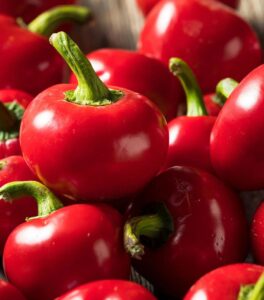
- Shape: Globular, cherry-like
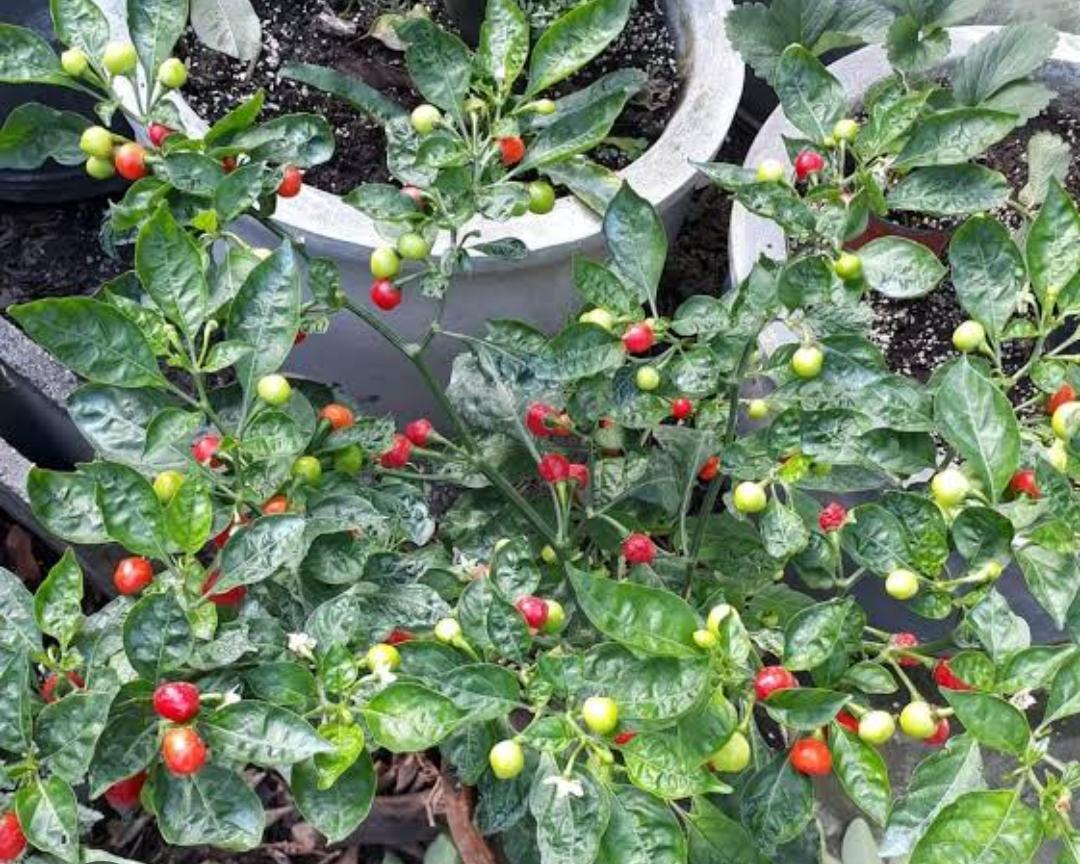
- Size: Typically, 0.75 -0.98 inches (2.5–5 cm) in diameter
- Color: When it’s young, it’s green; as it ripens, it turns red, yellow, or orange
- Pericarp: Thick and fleshy, perfect for stuffing or pickling
Based on its shape and seed placement, the fruit is classified as a berry from a physiological perspective. The main location of capsaicinoid synthesis is the central placenta to which the seeds are affixed.
Capsaicinoids: The Chemistry of Heat
The characteristic heat of cherry peppers comes from capsaicinoids, a group of alkaloid compounds synthesized in the fruit’s placenta. The most prominent among these is capsaicin, responsible for the pungent sensation experienced when consuming hot peppers.
Heat Level
Cherry peppers are spicier than bell peppers (0 SHU) but milder than jalapeños (2,500–8,000 SHU), typically ranging from 500 to 5,000 SHU. However, heat levels can vary significantly based on:
- Genetic factors refer to the hereditary information and traits passed down from parents to offspring through genes. These factors encompass the specific sequences of DNA that influence physical characteristics, behaviors, and even susceptibilities to various health conditions. Genetic factors can dictate everything from eye color and height to more complex traits like temperament or predispositions to certain diseases. They play a crucial role in the field of genetics, as researchers explore how variations in genes contribute to the differences observed within species and among individuals. Understanding genetic factors is essential for advancements in medical research, personalized medicine, and addressing hereditary conditions.
- Environmental stress refers to the various pressures and challenges that ecosystems and living organisms face due to changes in their surroundings. This can include factors such as climate change, pollution, habitat destruction, and the depletion of natural resources.
- For instance, rising temperatures can lead to increased droughts, affecting plant life and reducing water availability for both wildlife and human populations. Pollution, whether it be airborne chemicals or plastic waste in oceans, disrupts delicate ecosystems, harming species and diminishing biodiversity.
- Moreover, habitat destruction, often driven by urban development or agricultural expansion, fragments natural environments, making it difficult for wildlife to find food, shelter, and mates. This combination of stressors can significantly weaken the resilience of ecosystems, making them more susceptible to disease and further environmental changes.
- In essence, environmental stress is a complex tapestry of challenges that can have profound implications for the planet’s health and the well-being of all organisms that inhabit it.
- Stage of ripeness refers to the specific point in the maturation process of fruits, vegetables, or other perishable goods, characterized by their flavor, texture, and color. This stage can indicate the ideal time for harvest or consumption, as it signifies the balance between under-ripeness, where the produce may be firm and lacking in flavor, and over-ripeness, where it may become overly soft and prone to spoilage. Understanding the various stages of ripeness is crucial for optimal taste and nutritional value.
Interestingly, capsaicin production is influenced by environmental stressors. Moderate water stress, for instance, can increase capsaicinoid concentration as a plant defense mechanism.
Nutritional Profile
Cherry peppers are rich in nutrients in addition to being delicious. They are a useful complement to a diet that is health-conscious due to their composition.
Essential Nutrients

- Vitamin C: Antioxidant activity and immune system performance depend on vitamin C
- Vitamin A (as beta-carotene): It promotes health and vision
- Vitamin B6: Contributes to amino acid metabolism
- Dietary Fiber: Helps in digestion and gut health
Bioactive Compounds
In addition to vitamins, cherry peppers include:
- Carotenoids: Pigments with antioxidant properties
- Flavonoids: These peppers have compounds associated with reduced inflammation
- Capsaicin: Associated with metabolic stimulation and pain relief in a very mild way
Peppers are of great interest in metabolic research because scientific studies suggest that capsaicin may enhance thermogenesis and promote fat burning.
Growing Cherry Peppers Successfully
Cherry peppers provide a satisfying cultivation experience for both professional producers and household gardeners. To maximize productivity and quality, one must understand the plant’s biological requirements.
Climate Requirements
Warm areas with temperatures between 68 and 86°F (20 and 30°C) are ideal for cherry peppers. They need a long growing season of 70 to 90 days and are susceptible to frost.
Soil Conditions
- Type: Well-drained loamy soil is a rich blend of sand, silt, and clay that provides an ideal medium for plant growth. This type of soil balances moisture retention with excellent drainage, preventing waterlogging while ensuring that essential nutrients are accessible to plant roots. Its texture allows for good aeration, promoting healthy root development and overall plant vigor. Additionally, loamy soil typically contains a high organic matter content, which enriches its fertility and improves its structure, making it easier for plants to thrive.
- pH: The pH range of 6.0 to 6.8 indicates a slightly acidic to neutral environment. This range suggests that the solution contains a moderate concentration of hydrogen ions, making it less acidic than a pH of 6.0 but not entirely neutral, which is defined as a pH of 7.0. Maintaining a pH within this range is often important for various biological and chemical processes, as it can influence the behavior of nutrients and the overall health of ecosystems or solutions.
- Organic Matter: Elevated levels of certain organic matter or nutrients can significantly enhance water retention capabilities in soil, leading to improved moisture availability for plants. Additionally, these high levels can foster greater microbial activity, promoting a healthy ecosystem within the soil. This increased microbial activity is crucial for the breakdown of organic materials, nutrient cycling, and overall soil fertility, further benefiting plant growth and development.
From a soil science perspective, cherry peppers benefit from a biologically active rhizosphere. Beneficial microbes enhance nutrient uptake and protect against soil-borne pathogens.
Seed Germination
Pepper seeds thrive in warm soil temperatures, ideally between 77 and 86°F (20 and 30°C), which is crucial for their optimal germination. To enhance this process, pre-soaking the seeds can be highly beneficial. This technique softens the outer seed coat, making it easier for the seeds to absorb moisture and begin the germination process. Additionally, pre-soaking activates essential metabolic pathways within the seeds, promoting quicker and more robust sprouting.
Transplanting and Spacing
Seedlings are best transplanted after the danger of the last frost has passed, typically in the spring. It is important to space the plants 12-18 inches (30-45 cm) apart from one another. This generous spacing allows for ample air circulation around each plant, which is crucial for promoting healthy growth and minimizing the risk of diseases that can thrive in overcrowded conditions. Properly placed seedlings will have better access to sunlight, nutrients, and moisture, resulting in a more robust and thriving garden.
Watering Strategy
Maintaining a consistent level of moisture in the soil is essential for healthy plant growth; however, care must be taken to avoid overwatering, which can cause detrimental root rot. A drip irrigation system is highly effective in achieving this balance, as it delivers water directly to the soil, ensuring that the roots receive the hydration they need while preventing excess moisture on the foliage. This method not only supports optimal soil moisture levels but also helps reduce the risk of fungal diseases associated with damp leaves.
Plant Physiology: Growth and Development
Cherry pepper plants undergo several phases of development:
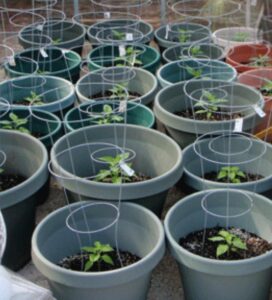
1. Vegetative Stage: Building the Biological Foundation
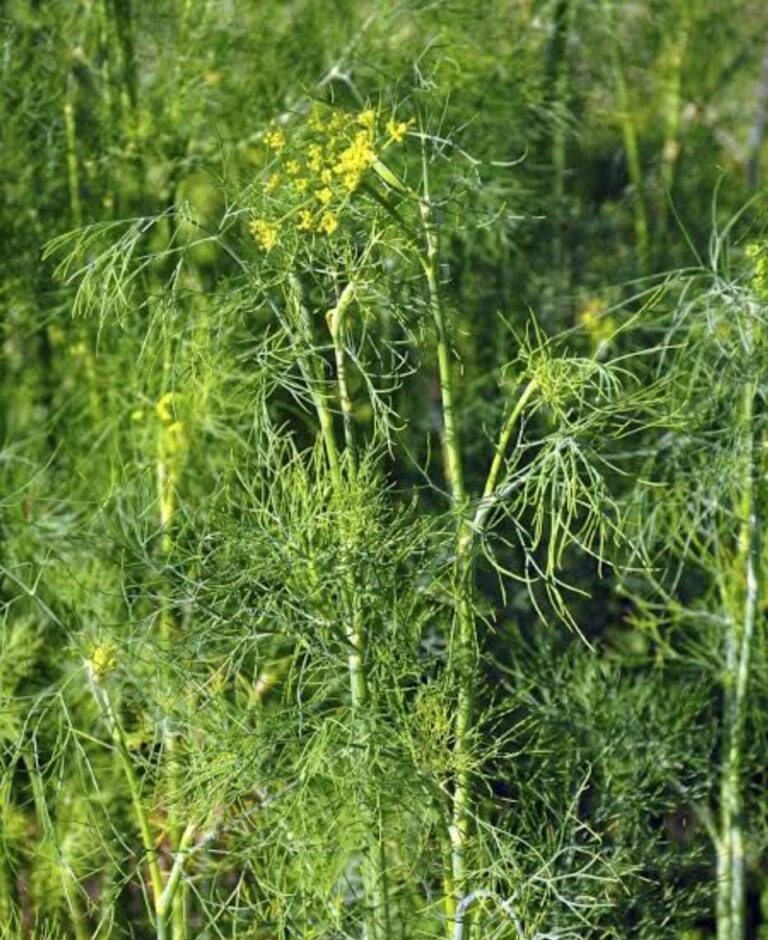
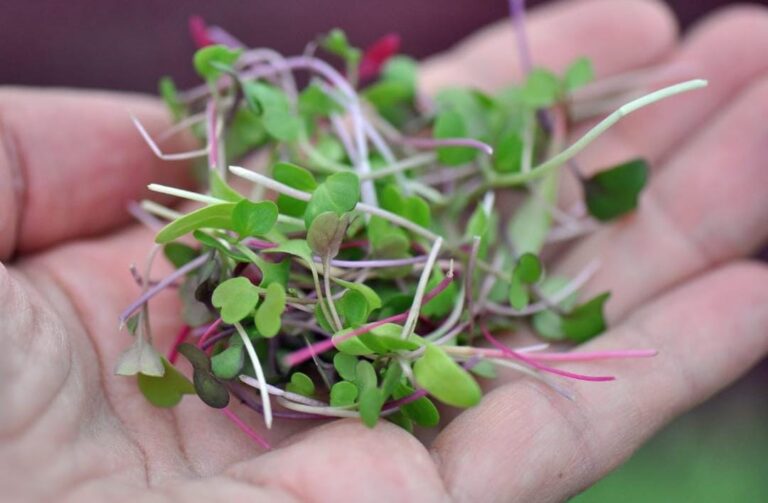
The cherry pepper plant forms its structural and metabolic basis during the vegetative stage, which also largely dictates the plant’s future output. The plant uses the majority of its energy at this stage to create roots, leaves, and stems rather than reproductive organs. Meristematic tissues undergo fast cellular division and elongation, which enables the plant to grow both above and below ground. As the main locations for photosynthesis, leaves absorb sunlight and transform it into chemical energy that is stored in carbohydrates.
Instead of being used right away for fruiting, this energy is stored and transferred to support subsequent growth stages. Concurrently, the root system grows larger and more effective, creating a complex network that improves the absorption of nutrients and water. The rhizosphere’s interactions with soil microbes enhance the availability of nutrients, especially phosphate and nitrogen. At this point, nitrogen is essential since it is a component of amino acids and chlorophyll, which directly affect the size, color, and general vigor of the leaves.
While stressors like a lack of nutrients or poor soil structure can severely restrict development, environmental factors like mild temperatures, sufficient sunlight, and steady hydration can speed up vegetative growth. Building a robust, energy-producing system is essentially the goal of this stage; without it, the plant cannot support flowering and fruiting in the future.
2. Flowering Stage: Transition to Reproduction
An important turning point in the cherry pepper plant’s life cycle is the flowering stage, which symbolizes a physiological transition from growth to reproduction. In order to create flowers, which have the reproductive organs required for seed production, the plant reallocates its internal resources during this period. Both internal hormonal signals that initiate flowering pathways and external cues like temperature and light influence this shift.
Even though cherry peppers are often day-neutral, regular blossom production still depends on stable environmental circumstances. The plant expends energy creating pollen, ovules, and nectar as buds mature into fully developed flowers. At this point, phosphorus becomes extremely crucial because it helps the plant’s energy transfer mechanisms, particularly those that involve ATP, which powers cellular activity. Additionally, potassium becomes more significant by controlling the activities of enzymes and enhancing the general resistance of plants. Fertilization, which starts the next stage of fruit development, is the result of successful pollination, which is frequently facilitated by wind or insect activity.
This stage is quite vulnerable to environmental stress, though. Flower drop, which lowers potential production, can be caused by excessive heat, inconsistent watering, or nutrient imbalances. Practically speaking, the flowering stage is one of the most delicate and important stages of cultivation because it is when the plant determines how much it will produce.
3. Fruiting Stage: Development and Maturation
The plant’s prior structural and energy investments start to pay off during the fruiting stage, when fertilized blooms mature into fully grown cherry peppers. The ovary of the flower experiences rapid cell division and expansion after fertilization, which results in the fruit’s growth. Translocation is the mechanism by which the plant actively moves nutrients and carbohydrates from the leaves to the developing fruits during this period. Increasing fruit weight, size, and general quality requires this shift of resources.
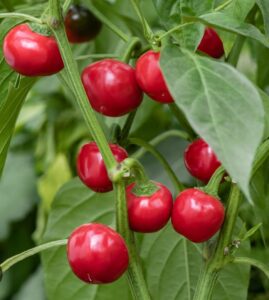
In terms of biochemistry, the fruit turns into a hub of high metabolic activity. Pigments like carotenoids build up as the fruit ripens, causing it to turn from green to red or yellow, whereas compounds like capsaicinoids, which give peppers their heat, are mostly produced in the placental tissues. During this period, potassium plays a major role in improving the firmness, growth, and stress tolerance of the fruit. As ripening proceeds, sugars build up and chlorophyll breaks down, enhancing flavor and nutritional value. Environmental factors still have an impact on results; regular watering and sufficient sunlight encourage uniform fruit development, while stressful conditions, depending on their degree, can either increase taste intensity or decrease output.
The success of the earlier stages is ultimately reflected in the fruiting stage. A consistent flowering phase and a well-developed vegetative system produce high-quality fruits with ideal nutritional density, color, and size. This stage is the biological pinnacle of the plant’s life cycle, where growth, reproduction, and environmental interaction come together to generate a physical, edible product. It goes beyond simply collecting food.
Pest and Disease Management
Although cherry peppers are vulnerable to a number of pests and illnesses, risks can be reduced by using integrated pest management (IPM) techniques.
Common Pests
- Aphids
- Whiteflies
- Spider mites
By feeding on plant sap, these pests weaken plants and may spread viruses.
Diseases
- Bacterial spot
- Powdery mildew
- Phytophthora root rot
Crop rotation, resistant varieties, and good sanitation are examples of preventive strategies. Beneficial insects serve as effective biological controls that can succeed as well.
Harvesting and Post-Harvest Physiology
Depending on their intended usage, cherry peppers can be harvested at various stages. While fully mature red peppers have the most flavor and nutritional value, green fruits are milder.
Harvest Indicators
- Firm texture
- Uniform color
- Glossy skin
Peppers continue to breathe after harvest, which affects their shelf life. Their breathing slows without causing chilling harm when stored at 45–50°F (7–10°C).
Culinary Applications

In the kitchen, cherry peppers are quite adaptable. Because of its balanced heat and sturdy walls, they are perfect for:
- Pickling
- Stuffing with cheese or meat
- Adding to salads and antipasti
Acidification is part of the pickling process, which prevents microbial development and maintains texture. Cooking does not much lessen the spice because capsaicin is stable under heat.
Ecological Role and Sustainability
Cherry peppers support sustainable agriculture and biodiversity from an ecological standpoint. Their fruits provide food for birds, which help spread seeds, and their flowers draw pollinators. An intriguing ecological role of capsaicin is that it discourages mammals but has no effect on birds, allowing seeds to spread without being damaged during digestion.

Breeding and Genetic Diversity
Selective breeding has produced modern cherry pepper cultivars with the goal of enhancing characteristics like:
- Disease resistance
- Yield
- Flavor profile
The genes in charge of fruit shape and capsaicin synthesis have been identified thanks to developments in plant genetics. This information facilitates the use of marker-assisted selection to create better cultivars.
Conclusion
Despite their seeming simplicity, cherry peppers represent a complex interaction between biology, chemistry, and ecosystem. They provide important insights for growers, scientists, and food enthusiasts alike, from their roots in ancient agriculture to their function in contemporary nutrition and systems.
Knowing the chemistry underlying cherry peppers improves their success and appreciation, whether you are growing them in a backyard garden or using them in recipes. They are a great option for anyone interested in the nexus of gardening and gastronomy because of their colorful appearance, high nutritional value, and reasonable development requirements.
Cherry peppers are a modest crop with enormous potential in a world that is becoming more and more interested in sustainable and functional meals. They are both delicious and fascinating from a scientific standpoint.
Disclaimer
The content provided on this website is purely for educational purposes. We are neither nutritionists nor do we intend to mislead our readers by providing any medical or scientific information.