Pawpaw: 6 Prevalent Mistakes That Limit the Production
Introduction
Today, in this blog, we will discover how to grow American pawpaw trees, choose the right varieties, improve pollination, protect young plants, and harvest their unusual, custard-like fruit. Imagine harvesting some fruit from your own backyard that tastes like a blend of banana, mango, and pineapple, yet comes from a tree native to North America. That is the appeal of the American pawpaw (Asimina triloba), an unusual fruit tree that deserves more attention from home gardeners.
Unlike the tropical fruits commonly found in grocery stores, pawpaw thrives in temperate regions and naturally grows in woodland environments, often beside streams and beneath taller trees. Its large leaves, unusual burgundy flowers, and soft, fragrant fruit make it interesting both as a productive garden tree and as an attractive addition to a native landscape.
However, successfully growing pawpaw requires more than just planting a tree and waiting for fruit. Pollination can be surprisingly complicated, seedlings need protection from intense sunlight, and the delicate harvest has a much shorter shelf life than most familiar fruits.
1. What Is American Pawpaw?
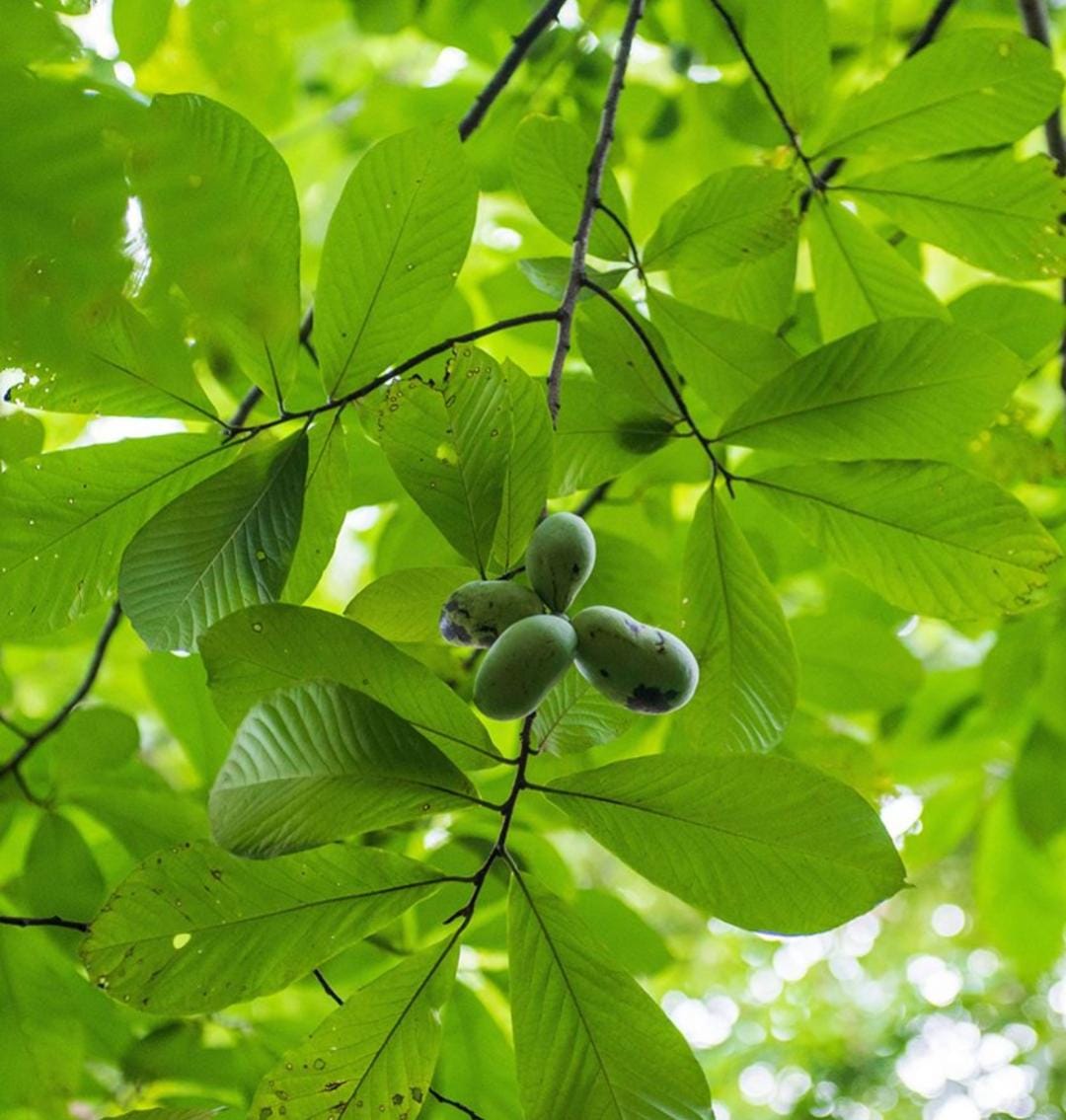
American pawpaw belongs to the Annonaceae family, which also includes tropical and subtropical fruit-producing plants such as cherimoya and soursop. Unlike most members of this family, Asimina triloba is adapted to temperate climates, making it a distinctive native fruit tree in eastern North America. Its natural range extends through much of the eastern and central United States and into parts of southern Ontario. The species is especially associated with moist woodlands, streambanks, and fertile bottomlands.
Pawpaw trees generally reach approximately 15–30 feet tall, depending on their growing conditions, and develop a rounded or pyramidal canopy. Their broad, drooping leaves can measure up to a foot long, giving the tree an almost tropical appearance during summer. In autumn, the foliage often turns yellow before falling. The spring flowers are equally distinctive. Each blossom has six fleshy petals, usually dark burgundy or maroon as it matures. These flowers eventually produce oblong green fruits that ripen toward late summer or early fall, depending on the cultivar and local climate.
A clarification is important for readers: American pawpaw is not the same plant as tropical papaya (Carica papaya). Although both may be called pawpaw in different regions, their botanical identities, growing requirements, and fruit characteristics are different. According to the Alabama Cooperative Extension System’s Pawpaw Production Guide, American pawpaw is also the largest edible tree fruit native to the continental United States.
2. Why Grow Pawpaw in a Home Garden?
Pawpaw offers several advantages beyond its unusual fruit.
- First, it provides an opportunity to grow an uncommon edible native plant. Home gardeners who already cultivate apples, pears, peaches, or common berries may enjoy experimenting with a fruit that is less widely available commercially.
- Second, pawpaw contributes to local biodiversity. Its leaves are the larval food source for the native zebra swallowtail butterfly (Protographium marcellus). Planting pawpaw can therefore support a butterfly species whose caterpillars depend on this particular host plant.
- Third, pawpaw can serve as a productive understory tree. It tolerates some shade and fits naturally into woodland gardens, edible landscapes, and suitable mixed plantings. Pawpaw can produce plenty of fruit while having proper sunlight.
- The tree’s large leaves and attractive growth habit provide ornamental value, while its yellow autumn foliage adds seasonal interest.
3. Climate and Growing Conditions
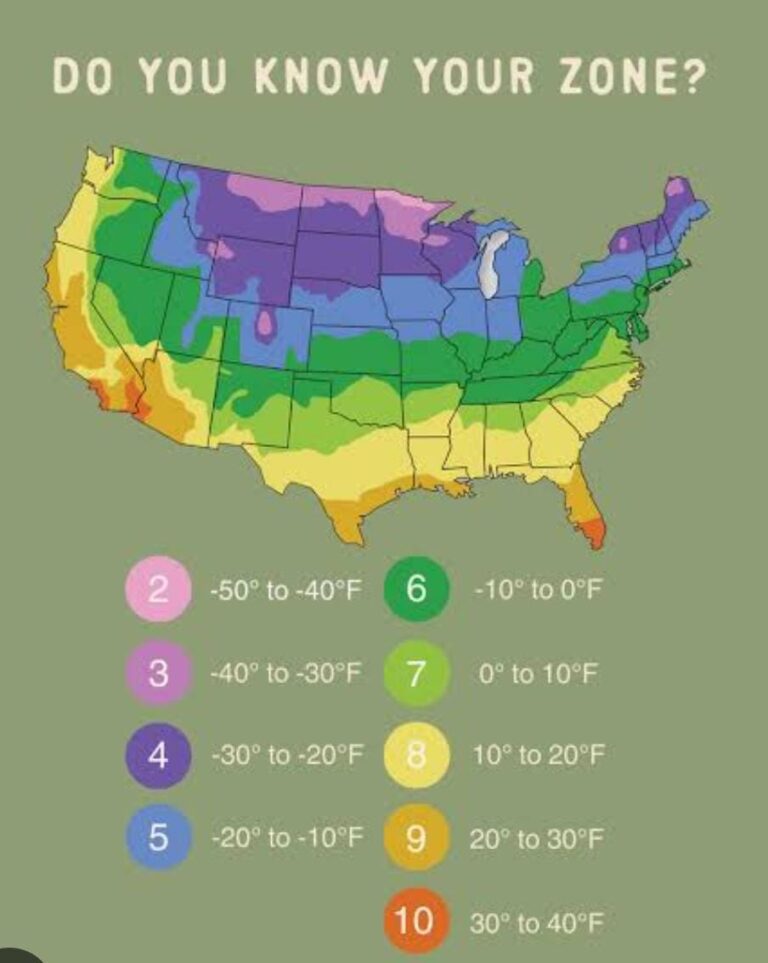
American pawpaw is generally suited to USDA plant hardiness zones 5 through 8, although the performance of individual cultivars depends on local conditions. The species needs a temperate growing cycle, including winter dormancy and warm weather during active growth.
It is particularly well suited to much of the eastern United States, where summers provide sufficient warmth and soils often retain moisture without remaining permanently waterlogged.
This fruit is less suitable for gardens with prolonged drought, extremely dry soils, or climates that does not provide an appropriate seasonal dormancy period. Gardeners outside its established range should investigate local adaptation and cultivar suitability before investing in trees.
Spring frost can also affect fruit production. Although a mature tree is adapted to winter cold, newly opened flowers may be damaged by a late freeze.
Choose a planting location that does not collect cold air in a low-lying frost pocket. A site with good drainage and some protection from strong winds can help maintain healthy growth.
For cultivar selection and regional growing advice, consult the Kentucky State University Pawpaw Planting Guide.
4. Choosing the Right Location and Soil
It needs soil that retains moisture while allowing excess water to drain away. Deep, fertile, slightly acidic soil is generally suitable, with a target pH of approximately 5.5–7.0. Heavy soil that remains saturated for prolonged periods can damage roots and increase the risk of root problems. Before planting, inspect the area after rainfall. If water routinely sits around the proposed planting hole, improve drainage or select another location rather than trying to compensate with fertilizer.
Sunlight requirements
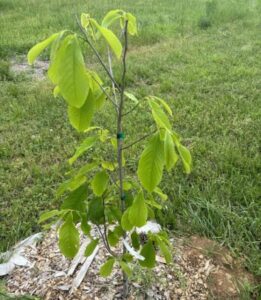
The sunlight needs of pawpaw change as the tree develops. Young seedlings are particularly vulnerable to strong direct sunlight. During establishment, partial shade helps protect their leaves and developing root systems. This explains why naturally occurring pawpaw seedlings commonly grow beneath taller woodland trees.
Once established, trees grown in full sun generally produce more fruit than heavily shaded trees, provided adequate water is available. Light shade remains acceptable, especially in woodland-style gardens, but deep shade can limit flowering and yields.
A useful strategy is to provide protection during the first growing season, gradually exposing the developing tree to greater sunlight as it becomes established.
5. Planting Pawpaw Trees Successfully
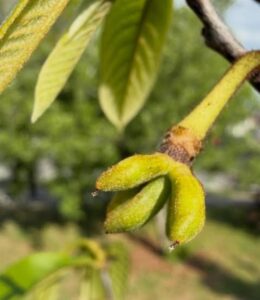
Early spring is generally a suitable planting time, allowing the tree to establish roots before the demands of summer. Container-grown plants are often preferable to bare-root specimens because pawpaw develops a sensitive root system that does not always respond well to transplanting.
Follow these steps to establish a healthy tree:
Step 1: Prepare the planting site. Remove competing grass and perennial weeds. Loosen the soil across the planting area without unnecessarily disturbing the surrounding ground.
Step 2: Dig an appropriate hole. Make it wide enough to accommodate the root system without bending or compressing the roots. Plant at the same depth the tree occupied in its nursery container.
Step 3: Handle the roots gently. Pawpaw has a substantial taproot when young, along with fleshy roots that can be damaged during handling. Avoid breaking the root ball apart unnecessarily.
Step 4: Backfill with the original soil. Do not bury the trunk or automatically fill the hole with concentrated fertilizer or a highly amended potting mixture.
Step 5: Water thoroughly. Settle the soil around the roots and eliminate large air pockets.
Step 6: Add a protective mulch layer. Apply organic mulch over the root zone, leaving a gap around the trunk to discourage moisture buildup against the bark.
Protect the young tree from harsh sunlight during its establishment period. Temporary shade cloth can be helpful where natural shade is unavailable.
For fruit production, plan the positions of compatible trees before planting. A pawpaw planted in isolation may grow vigorously but fail to deliver the harvest a gardener expects.
6. Growing From Seeds or Nursery Plants
Pawpaw can be propagated from seed, but gardeners should understand the limitations of this approach. Seed-grown trees are genetically variable. A seed collected from a large, flavorful fruit will not necessarily produce an identical offspring. Fruit size, flavor, seediness, and productivity can differ substantially between seedlings. Seedlings also take longer to produce fruit. Under favorable conditions, they commonly need about five to eight years, although individual trees may take longer.
Grafted trees from named cultivars are a better choice when predictable fruit characteristics and an earlier harvest are priorities. Depending on the cultivar, growing conditions, and establishment success, grafted trees may begin producing fruit in approximately three years or later.
How to germinate pawpaw seeds
Fresh seeds require a cold, moist period to break dormancy. This process, known as cold stratification, imitates the natural winter conditions the seeds experience before germinating. After removing the seeds from ripe fruit, wash away the pulp carefully. Keep the seeds moist; do not allow them to dry out or freeze. Place them in a clean, slightly moist medium, such as sphagnum moss or sand, inside a suitable container or bag in the fridge. A chilling period of approximately 70–100 days is commonly recommended, although published guidance can vary slightly.
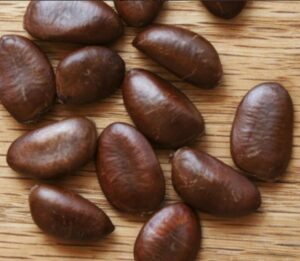
After stratification, sow seeds about one inch deep in a well-drained growing medium. Tall containers are useful because the developing taproot needs room to grow. Keep the medium warm and consistently moist, without leaving it waterlogged. Germination and emergence can be slow, and the first years of seedling growth may seem disappointing. Much of the early development occurs below ground as the root system becomes established.
Avoid transplanting seedlings repeatedly. Establish them in appropriately deep containers and move them to their permanent positions while their root systems are still manageable.
7. Watering, Mulching, and Fertilizing
Pawpaw performs best with consistent soil moisture. Although established trees can tolerate some variation in conditions, drought can reduce growth and fruit quality. During the first growing season, inspect the root zone regularly and water when the soil begins to dry. Newly planted trees should not be allowed to dry out completely, but excessive watering can be equally damaging.
Mature trees also benefit from irrigation during extended dry periods, particularly while fruits are developing. The amount required depends on rainfall, temperature, soil texture, drainage, and tree size. Rather than following a rigid schedule, assess the soil and adjust watering accordingly.
A layer of organic mulch helps moderate soil temperature, conserve moisture, and suppress competing weeds. Keep the mulch away from the trunk, and avoid piling it against the bark. Fertilizer should be used judiciously. A soil test can reveal whether the planting site needs particular nutrients, while vigorous green growth can help indicate how well a young tree is establishing.
If additional nutrients are needed, apply an appropriate fruit-tree fertilizer according to its label and local extension recommendations. Excessive nitrogen can encourage vegetative growth at the expense of balanced development, and late-season fertilization may interfere with the tree’s natural transition toward dormancy.
8. Why Pawpaw Pollination Is Different
Pollination is one of the most important factors affecting pawpaw production.
A pawpaw flower contains both male and female reproductive structures, but these become functional at different times. The flower initially enters a female phase, when its stigma can receive pollen, and later shifts to a male phase, when it releases pollen. This arrangement reduces the likelihood of a flower fertilizing itself. In addition, pawpaw trees are generally self-incompatible, meaning that pollen from the same genetic individual may not successfully produce fruit.
For a home garden, the practical solution is to plant at least two genetically distinct pawpaw trees with overlapping flowering periods. Two genetically different cultivars are a good option. Two root suckers originating from the same tree may look like separate plants but can share the same genetic identity and fail to provide effective cross-pollination.
Pawpaw flowers are pollinated mainly by flies and beetles rather than relying on the familiar bee activity associated with many fruit trees. Their deep-colored flowers can produce an odor resembling fermenting fruit or decaying organic matter, attracting insects that visit such scents.
When hand pollination helps
If mature trees flower but produce very little fruit, hand pollination may be worth trying. Using a small, clean artist’s brush, collect pollen from a flower in its male stage and transfer it to the receptive stigma of a flower in its female stage on a genetically different tree. Male-stage flowers generally have loose, powdery pollen, while receptive female-stage flowers have a glossy, sticky surface. Work gently and label the trees if you are tracking different cultivars. Not every flower will develop into mature fruit, and pollination should not be so intensive that the tree becomes overloaded.
For additional technical information, the Purdue University guide to growing pawpaws explains the relationship between flower development, cross-pollination, and fruit production.
9. Pruning and General Tree Maintenance
Pawpaw generally requires less elaborate pruning than many intensively managed orchard trees. The goal is to maintain a sound structure while allowing enough light into the canopy. During the early years, encourage a strong central trunk and well-positioned branches. Remove damaged growth and branches that cross, rub together, or create obvious structural problems.
Keep pruning conservative. Excessive removal of healthy branches reduces the leaf area needed to support growth and fruit development. Pawpaw can also develop root suckers, which are shoots emerging from the underground root system. These can be useful for creating a naturalized grove, but they may crowd a small garden or compete with the primary tree.
Remove unwanted suckers while they are small, taking care not to damage the main root system. Do not assume that moving a sucker elsewhere will reliably establish a new fruit-producing tree; transplanting pawpaw root sprouts often has poor success.
10. Pests, Diseases, and Wildlife
The plant is relatively resistant to many common fruit-tree pests, partly because its tissues contain acetogenins and other compounds that deter some organisms. Nevertheless, the tree is not immune to insect damage or disease. Caterpillars and other insects may feed on the foliage. The zebra swallowtail deserves special consideration because pawpaw is its larval host plant. Some leaf damage is therefore part of supporting the butterfly’s life cycle rather than evidence that the tree needs immediate chemical treatment.
Other pests reported on it include webworm caterpillars, leafrollers, and Japanese beetles. Look for distinctive signs such as webbed leaves, skeletonized foliage, damaged shoots, or unusually declining branches. Inspect affected areas before deciding how to respond. Removing a small number of webbed or heavily infested leaves may be sufficient for localized problems. For larger infestations, seek advice from a regional extension service before selecting a treatment.
Leaf spots can develop when foliage remains wet for extended periods. Improve airflow where necessary, avoid damaging the canopy, and water the soil rather than routinely wetting the leaves. Some fruit blemishes are largely superficial. However, soft, decaying, or badly damaged fruit should be separated from healthy harvests. Pawpaw’s wildlife value is one reason to avoid unnecessary broad-spectrum insecticides. If intervention becomes necessary, identify the pest first and choose a method that minimizes harm to pollinators and other beneficial organisms.
11. When and How to Harvest Pawpaw Fruit
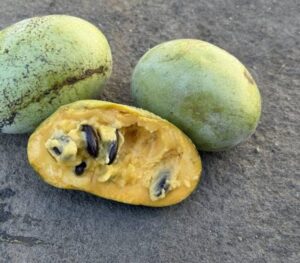
The fruit generally ripens from late summer into early autumn, but the exact harvest window varies by region, cultivar, weather, and tree maturity. The fruits begin as firm, green structures. As they mature, they may become lighter green or develop a yellowish hue. Color alone is not always a reliable indicator, however, because cultivars differ some ripe fruits retain much of their green color.
Use several clues together:
- The fruit becomes noticeably softer when gently handled.
- Its aroma becomes distinctly fruity and fragrant.
- The skin may lighten or develop brown markings.
- The flesh of a ripe fruit is soft and custard-like rather than firm.
Harvest gently because ripe pawpaws bruise easily. Where practical, check the tree frequently during the ripening period and collect fruit as it reaches maturity. Do not eat unripe pawpaw fruit. It can cause gastrointestinal distress, and the immature fruit contains compounds that warrant caution.
Storing the harvest
Pawpaw is highly perishable. At room temperature, fully ripe fruit may deteriorate within a few days, sometimes sooner in warm conditions. Refrigeration can extend its useful life, but the optimal temperature depends on fruit maturity, handling, and storage conditions. Follow established postharvest guidance and avoid assuming that colder is always better; excessively cold storage can affect quality.
For a larger harvest, freezing the pulp is a practical option. Remove the skin and seeds, collect the ripe flesh, and freeze it in suitable portions for later use. Properly prepared pulp is convenient for seasonal recipes when fresh fruit is no longer available.
12. Enjoying Pawpaw in the Kitchen
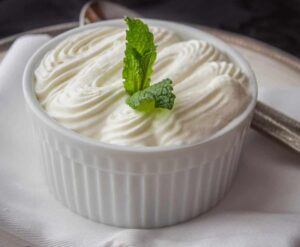
The most straightforward way to eat a ripe pawpaw is to cut it open and scoop out the soft flesh with a spoon. Its flavor is often described as a combination of banana-like sweetness and tropical fruit notes, although individual cultivars can taste quite different. Because it contains large, hard seeds, separate them carefully from the pulp. Discard the seeds and skin, and eat only the ripe flesh.
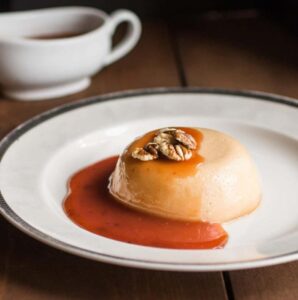
The fruit can be incorporated into ice cream, smoothies, puddings, mousse, custards, and chilled desserts. Its soft texture works particularly well in preparations where a smooth fruit pulp is desirable. Pawpaw can also contribute flavor to baked goods, although prolonged or intense heating may diminish some of its characteristic aroma. Recipes that add the pulp toward the end of preparation, or use it in chilled mixtures, may preserve more of its distinctive flavor.
From a nutritional perspective, it contributes energy, fiber, vitamin C, and other naturally occurring nutrients. Its composition varies with maturity and growing conditions, so it is better regarded as an interesting fruit within a varied diet than as a treatment for any particular health condition. The plant contains biologically active acetogenins in tissues including seeds, bark, leaves, and twigs, as well as in unripe fruit. Claims about medicinal effects should not be confused with established benefits from eating ripe fruit. Do not consume the seeds, leaves, bark, or other plant parts, and seek reliable medical advice rather than using pawpaw preparations as remedies.
13. Common Mistakes That Limit Pawpaw Production
Several preventable problems can leave gardeners with healthy-looking trees but disappointing fruit production.
- Planting only one tree: A single tree may flower abundantly and still set little or no fruit. Plant genetically distinct, compatible trees to improve the opportunity for cross-pollination.
- Exposing seedlings to intense sunlight too soon: Young plants are sensitive to direct sun. Provide temporary shade during establishment and increase exposure as they develop.
- Allowing the soil to dry repeatedly: Pawpaw performs best with consistent moisture. Pay particular attention during hot weather and while fruit is developing.
- Ignoring drainage: Moist soil is beneficial, but constantly saturated roots are not. Choose a site that drains well.
- Growing trees from seed while expecting identical fruit: Seed-grown trees vary genetically. Select grafted cultivars when predictable fruit characteristics are important.
- Waiting too long to use harvested fruit: Pawpaw ripens quickly and does not store as easily as apples or pears. Monitor mature fruit closely and refrigerate or process it promptly.
Understanding these differences makes pawpaw much easier to manage and prevents many common disappointments.
Conclusion
This flavor bomb combines unusual taste, ornamental appeal, and ecological value in a tree adapted to much of temperate eastern North America. Its large leaves and striking spring flowers make it a distinctive landscape plant, while its soft, fragrant fruit offers a seasonal harvest that few familiar garden trees can match. The keys to success are straightforward but important: select a suitable climate and well-drained site, protect young seedlings from intense sunlight, maintain consistent moisture, and plant genetically distinct trees to support cross-pollination.
Patience matters, especially when growing from seed. Once the tree establishes itself, however, careful pollination and timely harvesting can reward the gardener with fruit that is difficult to find fresh in ordinary markets. For gardeners interested in unusual edible plants and native biodiversity, pawpaw is more than a curiosity. It is an opportunity to grow a distinctive North American fruit while making room for a tree with a meaningful role in its local ecosystem.
Disclaimer
The content provided on this website is purely for educational purposes. We are neither nutritionists nor do we intend to mislead our readers by providing any medical or scientific information.