
Hardiness Zones Map: 7 Immense Vulnerable Plant Types
Introduction
The USDA Plant Hardiness Zones Map has changed, and many gardeners have found that their gardens are no longer classed the same way they were ten years ago. The 2023 USDA map, for example, pushed numerous sites into a warmer half-zone than the 2012 version. This can be encouraging. A once-marginal plant may suddenly appear to be well-suited to your zone.
However, there is a significant catch.
A warmer hardiness zone map does not imply that cold temperatures have subsided. This does not imply that all winters will be light. And it definitely does not imply that a sudden Arctic outbreak, late spring cold, heat wave, drought, or winter warm spell cannot harm plants. The USDA notes that the chart depicts the average annual extreme minimum temperature over 30 years, not the coldest temperature an area has ever seen. The current map includes weather data from 1991 to 2020.
For home gardeners, as we discussed in a previous blog, the distinction is critical. The best way is not to forsake hardiness zones. Instead, we must learn how to combine them with local weather measurements, microclimates, plant biology, seasonal predictions, and basic defensive procedures.
What the USDA Hardiness Zone Map Actually Tells You
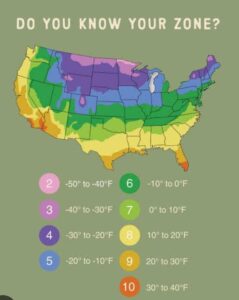
The USDA Plant Hardiness Zone Map was created primarily to assist gardeners in determining whether perennial plants are likely to withstand winter temperatures in a specific region. The method divides the United States into 10°F zones, which are further split into 5°F half-zones called “a” and “b.”
For example:
- Zone 6a: -10°F to -5°F
- Zone 6b: -5°F to 0°F
- Zone 7a: 0°F to 5°F
- Zone 7b: 5°F to 10°F
These values represent the average yearly extreme minimum temperature, not the regular winter temperature or the lowest temperature that may occur. People often overlook the contrast between these three conceptions. Assume your garden is designated as Zone 7a. That doesn’t mean your garden will never reach 0°F or below. It indicates that, averaged over the 30 years used to create the map, the coldest temperature of the year occurs between 0°F and 5°F.
The USDA particularly advises gardeners that a plant growing on the very edge of its hardiness zone map range can still be destroyed by a rare, brief, severe cold event. Think of the zone as a danger signal rather than a guarantee.
Why Does the USDA Map Keep Changing?
The USDA Plant Hardiness Zone Map for 2023 is based on data collected between 1991 and 2020. It also includes far more meteorological data and better spatial modeling than prior versions. The USDA states that the 2023 map incorporates data from thousands of meteorological stations and uses complex mapping algorithms to account for elevation, geography, and other temperature impacts.
Compared to the hardiness zones map of 2012, almost half of the nation moved into the next warmer half-zone, while the majority remained in the same half-zone. This does not imply that every garden has suddenly warmed up by exactly 5°F.
A zone boundary can shift because of several factors, including:
- changes in the underlying 30-year dataset
- additional weather stations
- improved interpolation
- better geographic information
- elevation
- terrain
- proximity to water
- and local temperature patterns
The USDA also cautions that changes in the hardiness zone map should not be construed as direct indicators of global climate change. The hardiness zone map represents severe minimum temperatures, although climatic trends are often assessed using longer-term changes in overall temperature patterns.
For gardeners, the practical lesson is straightforward:
A shifting zone provides helpful information, but it is not a forecast for the next winter.
Your Zone Is Not Your Garden’s Exact Climate
One of the most common misconceptions gardeners make is presuming that the entire property has the same temperature. It does not. Your garden contains a microclimate. The USDA’s new hardiness zones map has significantly greater resolution than previous maps, but it cannot record every little temperature fluctuation inside a particular property. A south-facing wall may collect sunlight during the day while releasing heat at night.
A garden near a building may be shielded from cold winds. A low depression may accumulate cold air, forming a frost pocket. A higher slope may drain cold air more effectively. Concrete and asphalt can contribute to warmer urban environments. A garden near a large body of water may undergo temperature regulation. Even two vegetable gardens separated by 50 feet might incur varying degrees of frost damage.
Learn Your Garden’s Cold Spots
Instead of depending just on a zone number, begin studying your property. After a cold night, take a walk around your garden early in the morning.
- Which locations experience frost first?
- Which plants are left untouched?
- Where does snow melt first?
- Where does chilly air appear to accumulate?
- Where are plants shielded from the wind?
These observations become extremely helpful over time. A gardener who recognizes these patterns may be able to successfully cultivate a marginal perennial in a sheltered corner while losing the same plant in an exposed area. In addition to the hardiness zone map, the USDA suggests taking into account wind, soil, moisture, snow, winter sunshine, plant positioning, and microclimates.
Don’t Confuse Hardiness with Frost Dates
This is another key distinction. The USDA hardiness zone map focuses on the winter survival of perennial plants. This is not a planting calendar.
Vegetable gardeners frequently require knowledge about:
- last spring frost
- first autumn frost
- soil temperature
- nighttime temperature
- daytime heat
- and crop-specific temperature requirements
A tomato may theoretically survive winter in a specific region if properly covered, but this tells you nothing about when you should transfer it outside in the spring. Similarly, a perennial tree may survive the winter, but a late cold destroys its newly developed blossom buds. Gardeners should use the hardiness zones map with current weather forecasts and local frost information.
Penn State Extension, for example, advocates focusing on near-term projections rather than past frost trends when considering whether to plant sensitive annuals outside.
Why Sudden Weather Changes Can Be More Dangerous Than Gradual Cold
Plants do not perceive temperature as easily as a thermometer does. Their reaction is partially determined by acclimatization. A plant’s cold tolerance might improve when it is gradually exposed to colder temperatures. However, a quick switch from extremely warm to cold temperatures might catch rapidly developing tissue off guard. This is especially harmful in late winter and early spring. Assume a fruit tree has many extremely warm days. Buds start swelling. Flower development accelerates. Then a cool air mass comes.
The tree has not necessarily grown “less hardy” genetically. Its tissues have just transitioned to a more sensitive developmental stage.
According to Penn State Extension, increasingly unpredictable winter circumstances can cause early cold snaps, winter thaws, and following extreme cold events, resulting in harm to perennial fruit crops. This is especially harmful in late winter and early spring. Assume a fruit tree has many extremely warm days. Buds start swelling. Flower development accelerates. Then a cool air mass comes.
The Most Vulnerable Plants Deserve the Most Attention
Not all plants require emergency protection. A mature, well-adapted perennial may endure a sudden drop in temperature pretty well.
You should prioritize plants that are:
1. Near the edge of their hardiness map range
When considering a plant hardiness zone map, if a plant is rated for Zone 7 and you are located in Zone 7, your growing conditions closely match the plant’s requirements, leaving you with minimal room for error. In contrast, a gardener who cultivates a plant rated for Zone 5 within the same garden environment enjoys a greater buffer against unexpected weather changes or temperature fluctuations, as that plant can generally tolerate lower temperatures than those typical of Zone 7.
2. Newly planted
Young plants, still in their early stages of growth, have yet to establish the deep and intricate root systems that characterize their more mature counterparts. Their roots remain relatively shallow and less extensive, limiting their ability to access nutrients and water compared to fully developed plants.
3. Recently transplanted
Transplant stress significantly hampers a plant’s capacity to handle further environmental challenges. When a plant is moved from one location to another, it often experiences shock, which can weaken its resilience. This diminishing ability to adapt can leave it more vulnerable to various stresses, such as drought, extreme temperatures, or poor soil conditions.
4. In active growth
Young green shoots, delicate flower buds, and vibrant blossoms often lack the resilience of dormant tissues, making them particularly susceptible to environmental stresses and potential damage.
5. Container-grown
Roots in containers experience much greater temperature fluctuations than roots insulated by surrounding ground.
6. Early-flowering fruit crops
The delicate blossoms of fruit trees often become especially susceptible after warmer weather stimulates their growth and development. These early blooms, with their soft petals and vibrant colors, may find themselves at risk as unpredictable weather patterns follow the warmth, leaving them vulnerable to frost and other environmental challenges.
7. Warm-season vegetables
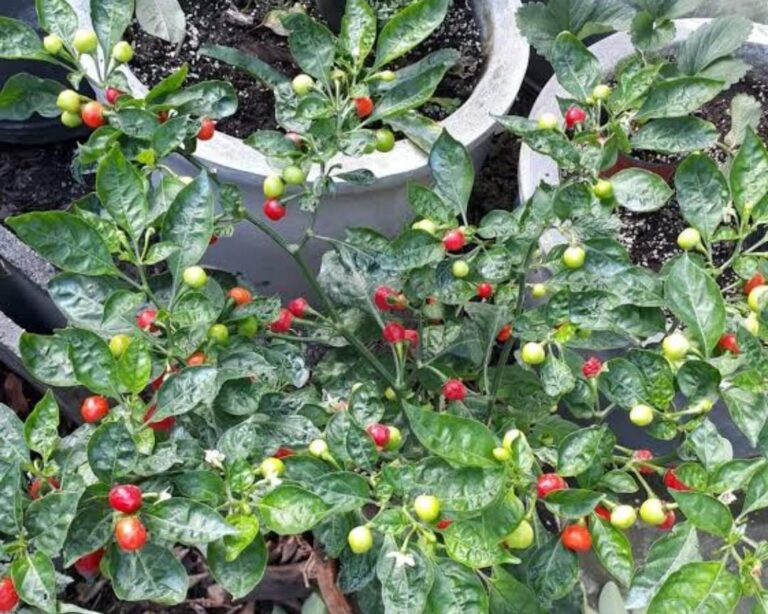
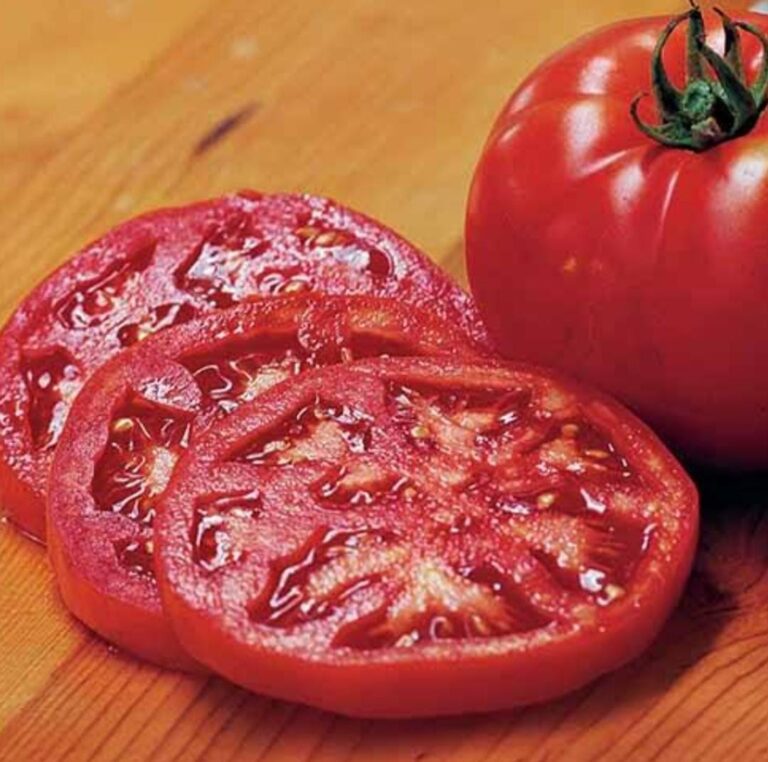
Tomatoes, with their juicy flesh and vibrant colors, along with sweet and fiery peppers, are highly vulnerable to frost. Similarly, crisp cucumbers and tender squash thrive in warm weather but struggle when temperatures drop. Delicate bean plants, along with refreshing melons, are also at risk, as even a slight freeze can damage their growth. Finally, aromatic basil, known for its fragrant leaves, does not tolerate cold conditions well and can suffer greatly from frost.
University of Minnesota Extension notes that warm-season crops should generally be planted after frost danger has passed and after soil temperatures have become sufficiently warm for strong growth.
Build a Weather-Ready Garden Instead of Chasing the Map
The ideal reaction to changing climatic circumstances is to avoid continuously replanting plants. It instills resilience in the garden. Begin with plant selection.
When purchasing a perennial, don’t only look at the advertised hardiness zone map.
Check:
- mature size
- exposure requirements
- moisture tolerance
- heat tolerance
- winter wind sensitivity
- disease resistance
- flowering time
- chill requirements where relevant
- and whether your particular site is protected or exposed
USDA specifically states that a hardiness zone map alone does not determine plant performance. Soil, light, moisture, wind, and placement all matter. A plant with a wide margin of hardiness is generally a safer choice than one that barely fits your zone.
1. Use the “Margin of Safety” Principle
Here’s an effective technique for gardeners experimenting with borderline plants:
Do not make your entire garden an experiment.
If you’re in Zone 6b and wish to try a Zone 7 perennial, plant one specimen in a sheltered area rather than replacing half of your garden with marginal plants. This results in a biological experiment without putting your entire landscape at risk. You can even cultivate various types of the same crop with varying degrees of cold tolerance. If one cultivar fails because of unexpected weather conditions, another may survive. Diversification is not just beneficial for investments. It also works in gardens.
2. Prepare Before the Weather Arrives
Emergency protection is most effective when it is prepared before the temperature decreases.
Keep a modest weather emergency kit handy.
It might contain:
- frost cloth
- floating row covers
- hoops
- plant stakes
- clips
- containers for holding cover down
- burlap
- mulch
- buckets or large containers
- and a reliable outdoor thermometer
Don’t wait until sundown on a frigid night to find your frost cloth buried under garden tools.
3. Row Covers
Floating row covers are one of the most effective techniques for protecting fragile plants from short periods of cold in almost all hardiness zone maps. They retain part of the heat near the soil and plants while limiting exposure to chilly air. The level of protection varies depending on the material and structure. According to the University of Minnesota Extension, a lightweight row-cover material can elevate temperatures beneath the cover by a few degrees, but heavier or multi-layer fabrics can give significantly more protection under the right conditions.
The edges should be fastened to prevent cold air from flowing beneath. Install frost protection coverings before the cold weather occurs, rather than waiting until the plants have frozen.
4. Don’t Let Frost Cloth Become a Permanent Blanket
A typical error is to leave protective coverings on for too long. Plants require light, ventilation, and access to pollinators. Some crops rely on insects for fruit production. Row coverings, for example, can protect cucumbers and other crops from the cold, but they may also keep vital insects and pollinators away from flowers. Use protection strategically. Take cover during the risky period. Remove it once conditions improve.
5. Mulch Protects Roots—But Timing Matters
Mulch is not a magical barrier against an Arctic breakout, but it can help regulate soil temperature and avoid rapid variations around roots. Organic materials, such as straw, shredded leaves, and other appropriate mulches, can offer insulation. This is especially effective for perennial crops and recently planted specimens. However, do not create a permanently damp atmosphere around plants that demand well-drained soil.
The goal isn’t just “more mulch.”
The goal is to maintain steady root zone conditions.
6. Containers Need Special Treatment
A ground-based plant’s roots may be surrounded by an enormous amount of comparatively stable soil. A container exposes a significantly smaller volume of soil to rapidly changing air temperatures. This renders container-grown plants especially sensitive to unexpected cold.
Move susceptible containers to:
- a garage
- an enclosed porch
- a greenhouse
- or another suitably protected location, when severe cold is forecast
Don’t forget that container plants can suffer from winter wind and desiccation even if the air temperature doesn’t reach the theoretical deadly level. According to Penn State Extension, container-grown roses have above-ground roots and are particularly vulnerable to winter cold.
7. Protect Plants from Winter Wind
Cold isn’t always the only problem.
Cold + wind + sunlight + dry soil can create severe stress.
Evergreen trees are particularly sensitive because they continue to lose water through their leaves during winter. If the soil is frozen, roots cannot quickly recover the lost water. This can cause winter burn or desiccation. Windbreaks, protected planting areas, proper watering prior to ground freeze, and physical protection can all help to lessen the danger.
Winter desiccation is a major issue for evergreen plants, according to Penn State Extension, and hardiness zone ratings alone do not guaranty protection from winter harm.
Watch the Forecast, Not Just the Calendar
Traditional garden calendars are useful. However, harsh weather does not care which month it is in.
Instead, think:
“It’s April, so I can plant tomatoes.”
think:
“Are soil and nighttime temperatures suitable, and is a damaging cold event likely?”
Similarly, don’t assume that just because it’s October means there will be a frost. Use your calendar as a starting point and weather observations as the ultimate decision-making tool. A very crucial practice is to check the forecast many days in advance.
If a cold occurrence seems probable, you have time to:
- delay transplanting
- move containers
- harvest vulnerable produce
- install covers
- protect irrigation systems
- and secure garden structures
Understand Frost Versus Freeze
Gardeners often use the terms interchangeably, but they refer to distinct occurrences. When the temperature of the air goes below 32°F, it freezes. Frost forms when ice deposits form on surfaces as temperatures fall below the freezing point under suitable meteorological conditions. The contrast is important since a clear, calm night can produce significant radiational cooling on plant surfaces.
According to the University of Minnesota Extension, frost and freeze conditions have differing effects on crops, and meteorological factors such as cloud cover, preceding temperatures, and wind all influence harm risk. This is why looking at a single expected midnight temperature isn’t always sufficient.
Avoid the “One Number” Mentality
One of the most harmful gardening behaviors is to take temperature thresholds as absolute. A tomato does not become completely healthy at 34°F and then perish at 32°F.
Plant response relies on:
- duration of exposure
- plant age
- acclimation
- wind
- humidity
- tissue type
- developmental stage
- soil temperature
- and previous weather
Similarly, two plants of the same species may behave differently because one is healthy and well-established, while the other is stressed. Think about danger growing as conditions worsen, rather than a single magical temperature.
Spring Is Not the Only Dangerous Season
Many gardeners focus heavily on spring frost. But unusual weather can damage gardens throughout the year.
Summer heat waves
High temperatures can cause:
- blossom drop
- pollen sterility
- sunscald
- leaf scorch
- wilting
- poor fruit set
- and increased water demand
During heat waves, maintain consistent soil moisture, use appropriate mulch, and provide shade to especially heat-sensitive crops. For cool-season vegetables, excessive heat can trigger bolting and bitterness. University of Minnesota Extension recommends maintaining adequate moisture and using organic mulch to moderate soil temperature.
Sudden heavy rain
A warm season can also bring intense rainfall.
Heavy rain can:
- waterlog roots
- reduce soil oxygen
- promote root diseases
- cause erosion
- and wash nutrients away
Good drainage becomes increasingly important when weather arrives in intense bursts rather than gentle, regular rainfall.
Drought
A warmer growing season can increase water demand. Rather than watering plants lightly every day, aim for deep, appropriate irrigation that wets the root zone while allowing the soil’s needs and plant type to determine frequency. Mulch can reduce evaporation and moderate soil temperatures.
Sudden Warm Spells in Winter Are Also Dangerous
It seems logical to think that warm winter weather is always good news. It isn’t. Some plants require winter chilling to regulate dormancy and flowering. A warm spell can encourage premature growth, followed by damage when temperatures fall again. Fruit trees are a classic example. Penn State Extension notes that climate-related warming can affect plants with winter chill requirements and may alter flowering behavior.
For gardeners, the lesson is important:
A warmer winter is not automatically a safer winter.
Temperature variability can be just as important as the seasonal average.
Create a “Vulnerable Plant List”
One of the easiest ways to improve your preparedness is to make a list. Divide your garden into three groups.
Group 1: Extremely hardy
These plants normally need little emergency intervention.
Group 2: Moderately vulnerable
These may require protection during unusually severe events.
Group 3: High-value or borderline plants
These include expensive specimens, newly planted perennials, tender fruit trees, tropical plants, and crops being grown at the edge of their recommended range. When an extreme-weather alert appears, start with Group 3. This prevents you from wasting time trying to protect every plant equally.
Keep a Garden Weather Journal
Your garden can become its own long-term climate experiment.
Record:
- planting dates
- first and last frost
- minimum temperatures
- unusual heat
- rainfall
- plant damage
- flowering dates
- harvest dates
- and which plants survived extreme events
After five or ten years, this record can become more useful for your specific property than a generalized gardening calendar. You may discover that your garden regularly experiences frost two weeks later than the nearest official station. Or that one corner consistently remains warmer. Or that a particular cultivar handles your local conditions better than another.
This is site-specific knowledge, and it is extremely valuable.
Don’t Abandon the USDA Map—Use It Better
The changing USDA hardiness zones map isn’t making gardening more complicated. It is reminding us that climate is not static and that plant survival depends on more than a number printed on a map.
Use the USDA hardiness map when selecting:
- trees
- shrubs
- perennial flowers
- fruit crops
- vines
- and other plants expected to survive winter outdoors
Then add a second layer of information:
Your local climate.
Then a third:
Your garden’s microclimate.
Then a fourth:
The current weather forecast.
And finally:
The biological stage of the plant.
That combination is far more useful than any single zone number.
A Practical Weather-Resilience Strategy
Here is a simple system you can use throughout the gardening year.
Step 1 — Know your current USDA hardiness zone map.
Use the official 2023 map rather than an old screenshot or outdated gardening book. The USDA provides interactive maps and downloadable versions.
Step 2 — Identify your microclimates.
Mark warm walls, exposed beds, frost pockets, slopes and sheltered areas.
Step 3 — Identify borderline plants.
Pay special attention to plants growing near the limits of their recommended hardiness zones map range.
Step 4 — Monitor weather trends.
Don’t wait for the night before an extreme event.
Step 5 — Prepare protection equipment.
Keep frost cloth, hoops, stakes, mulch and other supplies ready.
Step 6 — Protect according to the event.
A frost requires a different strategy from a heat wave, drought or flooding event.
Step 7 — Remove protection appropriately.
Plants need light, airflow and pollination.
Step 8 — Record what happened.
Your garden’s history improves future decisions.
Final Thoughts: The New Rule for Modern Home Gardeners
Perhaps the most useful gardening rule for an era of changing weather is this:
Don’t garden by zone map alone. Garden by risk.
A USDA hardiness zones map tells you what winter conditions have looked like, on average, over a defined historical period. A weather forecast tells you what may happen next week. Your thermometer tells you what is happening in your garden. Your garden journal tells you what has happened repeatedly on your property. And your plants tell you how those conditions are affecting them. Put all four together, and you become much better equipped to deal with unusual weather.
The goal isn’t to predict every extreme event. That’s impossible.
The goal is to make your garden flexible enough to absorb surprises.
Choose plants with a reasonable safety margin. Use microclimates intelligently. Avoid planting every tender crop at the earliest possible date. Keep protective materials ready. Monitor the forecast. Protect vulnerable plants before the temperature drops. And don’t assume that a warmer USDA zone means the end of dangerous cold.
The modern gardener needs to think beyond the map.
Because a hardiness zone describes a climate average—but your garden lives through individual weather events.
And when that unexpected freeze, heat wave, or winter warm spell arrives, preparation can make the difference between losing an entire crop and simply covering it for one night and carrying on with the season.
- last spring frost,
- first autumn frost,
- soil temperature,
- nighttime temperature,
- daytime heat,
- and crop-specific temperature requirements.
Disclaimer
The content provided on this website is purely for educational purposes. We are neither nutritionists nor do we intend to mislead our readers by providing any medical or scientific information.