Green Zebra Tomato: 4 Impulsive Awareness Tips
Introduction
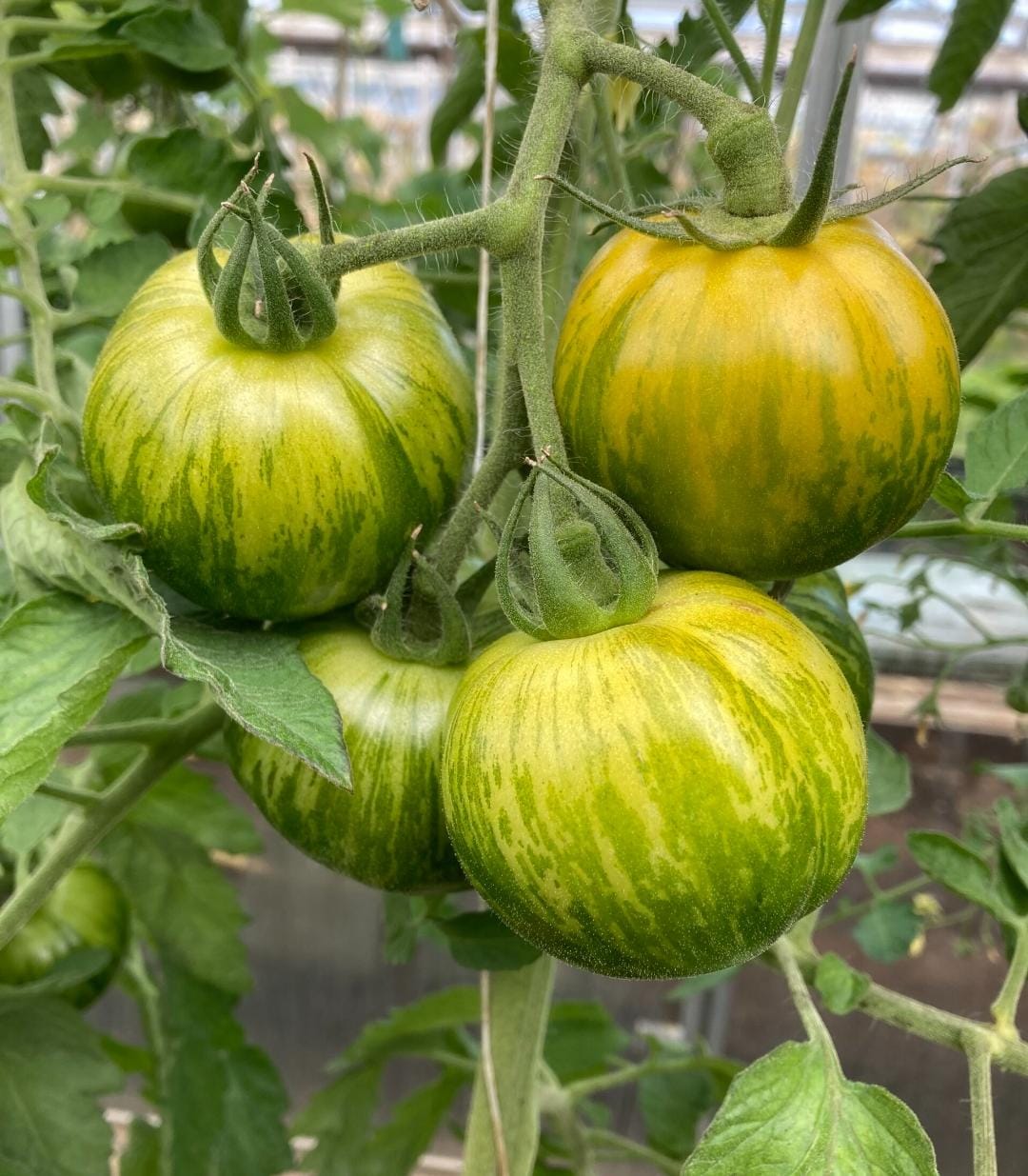
A mature Green Zebra tomato has a delightfully perplexing quality.
Sounds strange, right? Imagine you enter the garden anticipating the traditional shift from green to red, yellow, or orange. Instead, you discover a tomato with green and yellow stripes, resembling an immature fruit. You touch it, gently squeeze it, and wonder if it’s really ready to eat.
With Green Zebra, the misunderstanding is part of the enjoyment.
Unlike conventional tomatoes, which mature primarily through a dramatic color shift, Green Zebra maintains its green coloring even when completely ripe. Its dark green stripes, yellow-green background, firm flesh, and vivid sweet-tart flavor have made it one of the most well-known specialty tomatoes among home growers.
However, Green Zebra is not just a curiosity. It’s an intriguing illustration of how tomato genetics may modify the natural ripening process while still creating a tasty, productive garden plant. Green Zebra tomato is particularly beneficial for gardeners who appreciate uncommon heirloom-style crops. It also imparts an essential lesson: never assess tomato ripeness based just on color. All this and much more, we are about to study in this blog.
What Is a Green Zebra Tomato?
Green Zebra is a cultivar of the common tomato, Solanum lycopersicum, from the nightshade family Solanaceae. It is an indeterminate, open-pollinated tomato that yields smaller fruits than several huge beefsteak types.
According to Cornell University‘s Vegetable Varieties for Gardeners database, Green Zebra produces roughly 4 to 5 ounce fruits that are green-to-yellow in hue, with dark-green striping and an emerald-green interior. It typically matures in 75-80 days, while the actual duration varies depending on growth circumstances and how maturity is measured.
The Story Behind Green Zebra Tomato
Green Zebra is not an old tomato passed down unaltered through the centuries, despite its heirloom-like appearance. Tom Wagner, a tomato breeder, created it and made it available in the 1980s. According to Cornell, the variety was derived from four heirloom-related origins. It was launched in 1985 and is linked to Wagner’s breeding efforts. Because the term “heirloom” is often used loosely in gardening, it is important to recognize this context.
By today’s standards, the Green Zebra tomato is undoubtedly an ancient and open-pollinated garden variety, and many seed companies include it in their line of heritage tomatoes. However, historically speaking, it is not a centuries-old tomato but rather a very new invention. Wagner’s research reveals an intriguing aspect of plant breeding: odd veggies are not always the result of chance.
Breeders can specifically choose plants based on traits including fruit color, flavor, form, productivity, maturity, and resistance to cracking. These characteristics may stabilize enough over the course of several generations to produce a distinctive cultivar. One of the outcomes of such an approach is the Green Zebra tomato, the great.
Why Does a Ripe Green Zebra Stay Green?
Green Zebra tomatoes pose an intriguing scientific question, as they differ from typical tomatoes, which ripen from green to various colors like red due to the breakdown of chlorophyll and accumulation of carotenoids. Unlike conventional red tomatoes, Green Zebras retain a significant green pigment even as they mature, developing a yellow-green background with dark green stripes. This means gardeners can’t rely on color alone; they must also consider the fruit’s texture, size, and overall feel to determine ripeness.
This is a stunning illustration of how plant biology cannot always be reduced to a simple gardening rule like “green means unripe.”
How Can You Tell When It Is Ripe?
This is perhaps the most significant practical tip for cultivating this tomato. A totally green Green Zebra tomato might appear remarkably similar to a ripe one from a few paces away. Instead of waiting for a red color, look for a few changes.
1. The background color changes
Immature fruit typically showcases a vibrant, uniform green hue that exudes freshness. As the fruit nears maturity, this lush green gradually transitions to a softer, lighter shade, often taking on a yellow-green tint that hints at ripeness. The deeper, contrasting stripes remain bold and vivid, creating a striking visual effect against the evolving background color.
2. The fruit reaches its mature size
Green Zebra tomatoes typically have a weight range of approximately 4 to 5 ounces, though it’s important to note that individual fruits can vary in size. While the weight of the tomatoes isn’t the sole indicator of their maturity, it does offer helpful context when assessing their ripeness. The unique striped green and yellow coloration adds to their distinctiveness, making them a delightful addition to any garden or culinary dish.
3. The fruit becomes slightly softer
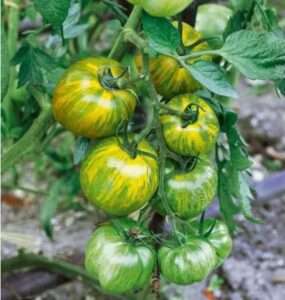
When selecting a ripe green zebra tomato, gently squeeze it to gauge its softness. A perfectly mature tomato will yield slightly to your touch, indicating it is ready to eat. Be careful not to apply too much pressure, as tomatoes are delicate and can easily bruise. Repeatedly squeezing them can lead to damage, compromising the quality of the fruit that would otherwise remain in perfect condition.
4. The flavor changes dramatically
This is arguably the most insightful test of all. An unripe Green Zebra tomato can exhibit a harsh sharpness and an overpowering acidity that might deter even the most adventurous palates. In contrast, a perfectly ripe fruit achieves a harmonious balance of zesty acidity, subtle sweetness, delightful aroma, and a distinct tang that defines its charm. As you harvest a few, you’ll start to develop an instinct for identifying their ripeness, honing in on their subtle changes in texture and visual cues that signal the ideal moment to enjoy these vibrant gems.
What Does It Taste Like?
Green Zebra tomato is known for its bright, acidic, sweet-and-sour flavor. It does not typically have the deep, rich flavor associated with a huge, dark-colored beefsteak tomato. Instead, the flavor is vibrant and invigorating. The acidity gives the tomato a sharpness that makes it especially beneficial in meals that require something to cut through richer elements.
The flesh is also visually appealing. When you slice one open, you’ll notice that the interior is green rather than the traditional crimson flesh of shop tomatoes. This makes Green Zebra an ideal choice for salads, sandwiches, fresh salsas, snacks, and colorful tomato platters.
Green Zebra Versus Ordinary Green Tomatoes
It is critical not to mistake Green Zebra for a normal tomato plucked while still immature. An unripe conventional tomato differs physiologically from a ripe Green Zebra. This differentiation is relevant in the kitchen. Immature green tomatoes are frequently hard and highly acidic. They are typically used to make fried green tomatoes and pickles.
Green Zebra, on the other hand, is purposely nurtured to maturity while maintaining its green hue. As a result, the fruit resembles a green tomato while having the flavor and feel of a mature tomato. That’s what makes it so unusual.
How to Grow Green Zebra Tomato?
Growing Green Zebra is not radically different from growing other indeterminate tomatoes. The key is to provide the environmental conditions tomatoes generally require while recognizing that Green Zebra’s fruit will not provide the usual red-ripening signal.
Start With Healthy Seedlings
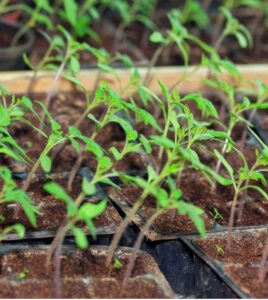
When starting tomatoes from seed, begin several weeks indoors before transplanting outside, as they are vulnerable to cold. Penn State Extension recommends hardening off transplants over a week to help them acclimate to outdoor conditions. Bloom drop may occur if nighttime temperatures fall below 55°F or exceed 75°F. It’s better to have small, strong plants with robust root systems rather than tall, weak ones. Ensure they receive adequate light, moisture, and air circulation while growing.
Choose the Right Location
Green Zebra needs plenty of sunlight. University of Maryland Extension recommends at least six hours of direct sunlight, with tomatoes generally preferring around 8–10 hours when conditions permit. Choose a location where the plant will not be shaded by buildings, trees, or taller crops during the main part of the day. Good sunlight supports photosynthesis, plant development, and fruit production. At the same time, extremely high temperatures can create a different problem.
Tomatoes may grow beautifully vegetatively during heat waves while producing fewer fruits because high temperatures interfere with successful flower fertilization. This is why a plant can look incredibly healthy and still give you surprisingly few tomatoes.
Give the Roots Good Soil
Tomatoes thrive in rich, well-drained soil with a slightly acidic to neutral pH. Missouri Extension recommends a pH of 6.5-7.0, while Virginia Tech offers a broader range. Before adding amendments, conduct a soil test to check for deficiencies in phosphorus, potassium, or other nutrients. Since tomatoes are heavy feeders, more fertilizer doesn’t always lead to more fruit.
Be Careful With Nitrogen
Excess nitrogen is a common mistake in tomato cultivation. While it promotes vegetative growth, too much can lead to lush foliage with poor fruit yield. Universities advise against over-fertilizing. If your Green Zebra is large but not fruiting, it may need better environmental balance instead of more fertilizer.
Watering Green Zebra Tomatoes
Tomatoes thrive with consistent moisture, ideally receiving about one inch of water per week, as advised by Iowa State University Extension. It’s best to water the soil, not the leaves, and sandy soils may need more frequent watering in hot weather. Aim to hydrate the root zone deeply while allowing for proper drainage. Organic mulch can help reduce evaporation and stabilize moisture, which is vital during fruit development. Uneven watering can cause issues like fruit cracking and blossom-end rot.
Supporting the Indeterminate Plant
Green Zebra is an indeterminate tomato; therefore, it should be given plenty of support.
You can use:
- A sturdy tomato cage
- A trellis
- A stake-and-tie system
- String trellising
- Other strong vertical support systems
Don’t wait until the plant has grown into a huge, tangled mess. Install the support system early, preferably around planting time. This permits stems to be steered gently, lowering the risk of injuring roots later. An unsupported indeterminate tomato can spread across the ground, where leaves and fruit receive less ventilation and are more vulnerable to soil-borne diseases and moisture.
Should You Prune Green Zebra?
No specific pruning method applies to all gardeners, and while indeterminate tomatoes can be trimmed for better manageability and ventilation, excessive pruning doesn’t guarantee higher yields. The Washington State University Extension notes that trimming may not increase total production but can lead to larger fruit earlier in the season.
In home gardens, careful pruning is generally more effective than aggressive leaf removal. Remember to promptly remove any damaged or diseased leaves and manage aggressive suckers. Leaves are vital for photosynthesis, as they help produce carbohydrates that support growth and fruit production.
Pollination: Why Flowers Don’t Always Become Tomatoes
Green zebra tomato blooms may self-pollinate, but good fruit development requires ideal circumstances.
Temperature is very crucial.
Pollen function and flower retention might suffer if nighttime temperatures are too low or daytime temperatures are too high. Penn State Extension especially observes a decrease when overnight temperatures fall below 55°F or climb above 75°F.
This illustrates a sensation that many gardeners understand:
- The plant is adorned in yellow blooms, yet just a few tomatoes develop
- The issue isn’t always a shortage of fertilizer or pollinating insects
- Sometimes the weather just doesn’t cooperate.
During favorable conditions, the regular movement of the flowers caused by wind and activity around the plant can assist disperse pollen.
Common Problems to Watch For
Green Zebra tomato isn’t immune to the challenges that affect tomatoes generally.
1. Fungal and Bacterial Diseases
Tomato leaves can be harmed by diseases like leaf spots and blights. To reduce the risk, practice good garden hygiene: avoid overhead watering, which can splatter dirt onto leaves; ensure proper spacing; and remove affected plant material. Crop rotation can also help minimize certain soil-borne diseases.
2. Cracking
Tomato fruit may split due to sudden changes in water supply. This is especially aggravating when a gorgeous Green Zebra is about ready for harvest. Maintaining generally regular soil moisture is one of the most basic preventative techniques.
3. Blossom-End Rot
Blossom-end rot manifests as a dark, sunken patch on the underside of growing fruit. It is connected with insufficient calcium supply to fast-developing fruit; however, merely adding calcium to the soil is not always effective. Inconsistent water supply, root injury, and other factors can disrupt calcium transport inside the plant. Again, consistency in moisture is critical.
Harvesting Green Zebra Tomato
Harvesting is where cultivating this variety becomes most rewarding. Instead of wandering around the yard hunting for red fruit, you want a mix of: mature size + light green/yellow background + developed striping + mild softness + distinct taste. When the fruit reaches physiological maturity, it can continue to ripen after being plucked under appropriate conditions. Many gardeners prefer to let the fruit mature completely on the plant whenever weather and insect pressure allow.
Harvest delicately and handle tomatoes with care. A lovely tomato can be damaged by bruising during harvest or storage.

How to Eat Green Zebra Tomatoes
Green Zebra is very versatile in the kitchen.
Fresh salads
Slice it into rounds and mix with red, yellow, orange, or purple tomatoes. The contrast is not only cosmetic. Varied tomato types have varied levels of sweetness, acidity, fragrance, texture, and color.
Salsa
Slice it into rounds and mix with red, yellow, orange, or purple tomatoes. The contrast is not only cosmetic. Varied tomato types have varied levels of sweetness, acidity, fragrance, texture, and color.
Sandwiches
Instead of standard red tomatoes, cut them into thick slices. The tartness pairs particularly nicely with creamy or fatty elements.
Tomato salads
Combine Green Zebra with fresh basil, olive oil, and salt. Because the tomato is already high in acidity, you may require less acid than you would with a sweeter tomato.
Sauces
Although Green Zebra is highly valued fresh, excess fruit can also be cooked. The final sauce will have a distinct color and flavor profile than a standard red tomato sauce.
Is Green Zebra Nutritious?

Green Zebra tomatoes, like other varieties, are composed of water, fiber, vitamins, and minerals. However, their nutritional content can vary based on factors such as cultivar and growing conditions. A fascinating aspect of tomato biology is how fruit colors change during ripening. In standard red tomatoes, chlorophyll decreases and lycopene increases. Green Zebra tomato’s unique color results from its specific pigment composition and ripening process. Research has shown a strong connection between ethylene signaling, chlorophyll breakdown, and carotenoid accumulation. This makes the Green Zebra tomato particularly interesting, highlighting that tomato ripening is a biochemical process rather than just a color change.
Can You Save Green Zebra Seeds?
Yes, Green Zebra tomatoes are open-pollinated, allowing gardeners to save seeds from mature fruit. While conserving seeds doesn’t guarantee genetically similar plants due to potential cross-pollination, it’s mainly self-pollinating. If varietal purity is important, consider separating flowers or using other seed-saving methods. For casual gardeners, saving seeds can be a great way to learn about crop biology.
Green Zebra: A Tomato That Changes How You Garden
Because the Green Zebra tomato is open-pollinated, gardeners can save seeds from mature fruit for future planting. Cornell refers to this variety as open-pollinated. One of the most appealing aspects of the Green Zebra tomato isn’t just its unique color; it changes how you perceive a tomato plant. With standard red tomatoes, the signals for harvest are clear: the fruit changes color significantly, making it easy for even novice growers to see when it’s ready.
In contrast, the Green Zebra tomato encourages you to pay closer attention. You learn to determine maturity based on texture and to notice subtle color variations. You start to observe how the fruit develops along the plant. You’ll find that flavor often signifies ripeness more than appearance does. Ultimately, what initially seemed like an unripe, oddly striped green tomato becomes recognizable as a mature and delicious fruit.
Final Thoughts
Green Zebra tomato is a garden vegetable that demonstrates that gardening does not have to be predictable to be rewarding. It combines an uncommon look, a distinct flavor, an intriguing breeding history, and true botanical curiosity in a single green zebra tomato. It is an open-pollinated, indeterminate cultivar that produces 4-5-ounce striped green-to-yellow fruits that typically mature in the 75- 80-day range, depending on growing circumstances.
Growing it effectively does not require an entirely new tomato-growing system. Give it abundant light, nutritious, well-drained soil, consistent moisture, adequate nutrients, strong support, and protection from harsh temperatures. The most significant adjustment is psychological. Don’t wait till Green Zebra tomato becomes red. The tomato’s green tint does not indicate that it has failed to mature. Indeed, the variety’s striking green appearance contributes to its uniqueness.
Green Zebra tomato transforms into much more than an unusual-looking tomato once you learn to recognize it at maturity. It becomes a lesson on plant genetics, fruit physiology, ripening chemistry, and the remarkable diversity that selective breeding has given to the home garden. And when you finally cut open that first ripe tomato and behold its emerald-green flesh, the inquiry shifts from “Is this ripe?” to something far more enjoyable:
“Why don’t more of my tomatoes look like this?”
Disclaimer
The content provided on this website is purely for educational purposes. We are neither nutritionists nor do we intend to mislead our readers by providing any medical or scientific information.