Wild Garlic: 2 Major Toxic Look-Alikes to Avoid
Introduction
Allium ursinum, the scientific name for wild garlic, is more than just a seasonal herb. It is an edible weed that has supported human diets for generations and is scientifically intriguing, nutrient-dense, and ecologically significant. When the soil starts to breathe again during the silent shift from winter to spring, one plant appears with a perfume that is so distinctive that it becomes apparent before it is even noticed. This plant presents a fascinating junction of botany, chemistry, and culinary application, but it is frequently ignored or misinterpreted.
In our previous blogs and on our YouTube channel, we discussed foraging, especially for those who prefer visual content. This article explores the biology, phytochemistry, ecological role, and nutritional benefits of wild garlic, and highlights practical applications for food enthusiasts, gardeners, and foragers.
Botanical Identity and Natural Habitat
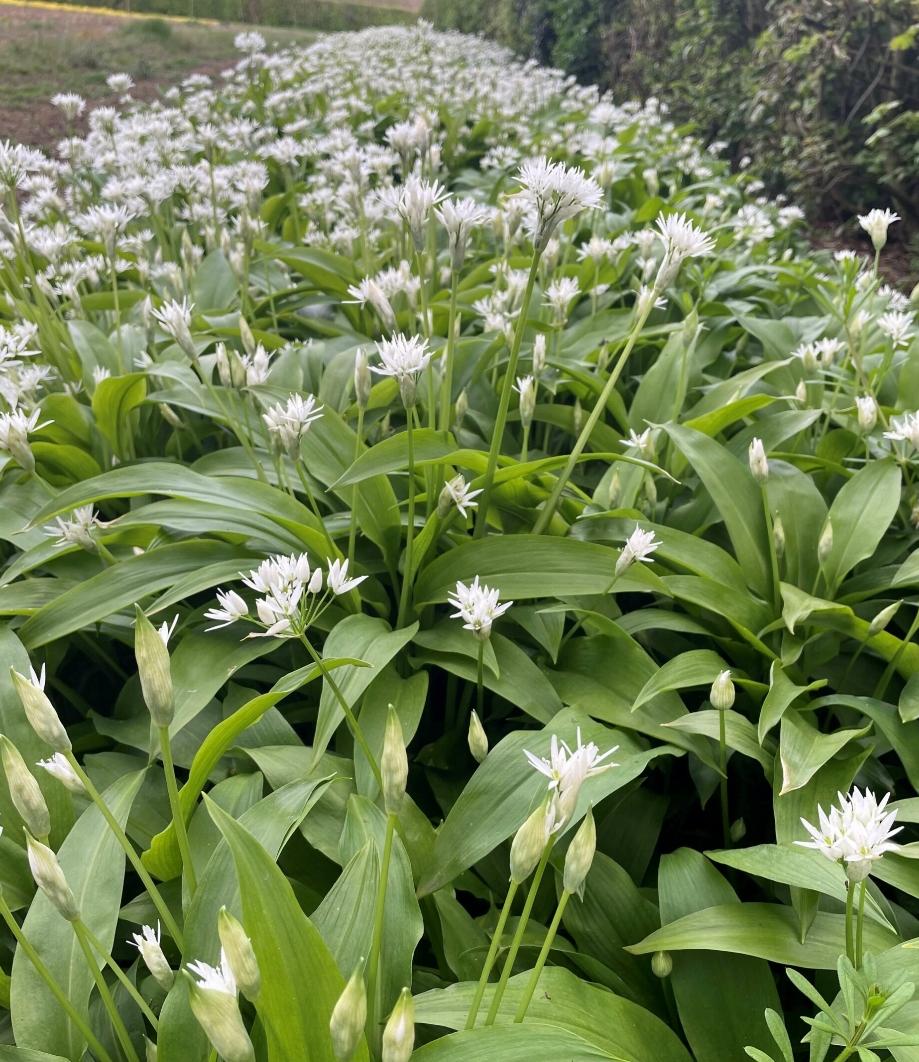
The genus Allium, which includes cultivated relatives like onions, leeks, and chives, includes wild garlic. However, this plant flourishes in uncontrolled environments, in contrast to its cultivated counterparts. It is indigenous to Europe and some regions of Asia, and it grows best in rich, humus-rich soils in damp, shady forests. The plant has a triangular stem, broad, lance-shaped leaves, and clusters of tiny, star-shaped white blooms. It grows in a highly seasonal manner, with leaves appearing in early spring, followed by flowering, then hibernation.
From an ecological perspective, this crop is a classic example of a spring ephemeral—plants that complete their life cycle before the forest canopy fully develops. It can maximize photosynthesis within a limited window of sunlight availability because of its adaptation.
Aroma and Health Benefits
The strong scent of wild garlic, which is produced by chemicals containing sulfur, is its distinguishing feature. Its biological and therapeutic efficacy is largely dependent on these chemicals.
Enzymatic processes transform sulfur precursors into volatile chemicals like allicin when plant tissues are crushed. Although wild garlic frequently has a softer, greener flavor profile, this mechanism is closely connected to the chemistry found in Allium sativum.
Key Bioactive Compounds:
- Allicin: Known for antimicrobial and cardioprotective properties
- Flavonoids: Contribute antioxidant activity
- Saponins: Associated with cholesterol-lowering effects
- Phenolic acids: Play a role in reducing oxidative stress
Research has shown that these substances support better cardiovascular health, a stronger immune system, and decreased inflammation. Crucially, biochemical tests and clinical observations back up these results, which are not anecdotal.
Nutritional Profile: A Functional Food
Not only does this delightful bounty tantalize the taste buds, but it is also packed with a wealth of essential nutrients. As a “functional food,” it offers a myriad of health benefits that extend far beyond mere sustenance, promoting overall well-being and vitality in our daily lives.
Macronutrients and Micronutrients:
- High in vitamin C, which is vital for immune system performance
- Contains precursors of vitamin A for healthy skin and eyes
- Provides a favorable quantity of iron and magnesium
- Leaves contain nutritional fiber
Because it grows in natural, stress-variable conditions, wild garlic frequently has higher amounts of certain antioxidants than cultivated garlic. It is a well-established phenomenon in plant physiology that plants exposed to varying environments prefer to develop more defensive chemicals.
Ecological Role and Soil Interactions
In forest ecosystems, wild garlic has a minor but significant impact. Its thick ground cover contributes to the structure of the understory plant community by suppressing competing vegetation. Furthermore, wild garlic interacts with soil bacteria, just like many other members of the Amaryllidaceae family. Its root exudates have an impact on microbial populations, possibly promoting beneficial bacteria and fungi while inhibiting dangerous diseases.
This is consistent with more general concepts of soil ecology, where nutrient cycling and ecosystem resilience are driven by interactions between plants and microbes.
Foraging Science: Identification and Safety
Although it takes skill, gathering wild garlic may be extremely satisfying. Misidentification is a serious issue, especially with poisonous lookalikes like:
1. Convallaria majalis, aka Lily of the Valley,
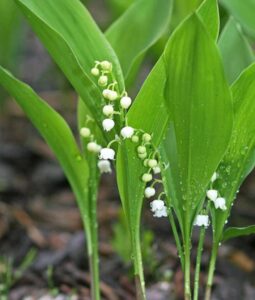
Lily of the Valley, scientifically known as Convallaria majalis, is a delicate perennial flowering plant that is renowned for its charming, bell-shaped blossoms and sweet fragrance. This plant typically thrives in shady, woodland areas, where it spreads gracefully, creating lush green carpets adorned with its lovely white flowers in the spring. Each cluster of blooms hangs delicately from arching stems, and their pleasing scent is often associated with fresh, floral fragrances in perfumes.
Additionally, Lily of the Valley is notable for its underlying symbolism, representing humility and the return of happiness in the language of flowers, making it a popular choice for spring celebrations and weddings. However, it’s important to note that all parts of the plant are toxic if ingested, underscoring the need to appreciate its beauty with caution.
2. Meadow Saffron (Colchicum autumnale)
The Meadow Saffron, known scientifically as Colchicum autumnale, is a stunning flowering plant that graces the damp meadows and woodlands of Europe and parts of Asia. It emerges in the fall, producing elegant, goblet-shaped blossoms that often surprise onlookers, as they bloom when most other plants are retreating into dormancy.
The flowers, a delicate shade of lavender or pink, stand gracefully atop slender, leafless stems, creating a striking contrast against the muted browns and greens of the late-season landscape. Each petal is soft and velvety, radiating a subtle, enchanting fragrance that beckons pollinators, despite the chill in the air.
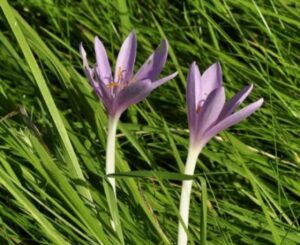
Beneath the soil, Meadow Saffron’s large, bulbous roots store energy, awaiting the arrival of spring to produce a rosette of glossy, broad leaves. However, these leaves typically do not appear until the following spring, leaving the plant’s enchanting flowers as a fleeting spectacle in autumn.
Caution is warranted, as the Meadow Saffron is also known for its toxic properties. All parts of the plant contain colchicine, a potent alkaloid that can be harmful if ingested, yet this toxicity does not detract from its allure as it carpets the ground in a seasonal display of ephemeral beauty. In gardens, it is valued for its unusual blooming time, adding a touch of unexpected charm to the fall landscape. (Colchicum autumnale)
Scientific Identification Criteria
- Leaf morphology: soft, broad leaves with parallel veins
- Growth pattern: Found in clusters in damp, shaded areas
- The olfactory cue is especially dependable because it reflects the sulfur chemistry of the plant, which toxic lookalikes lack.
Culinary Applications: From Tradition to Innovation
For generations, traditional European recipes have utilized wild garlic. Its capacity to replace or enhance cultivated garlic while providing a fresher, milder flavor is what makes it so versatile.
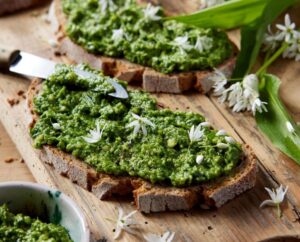
Common Uses:
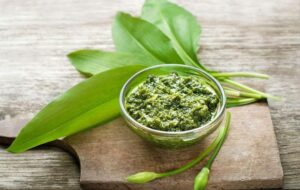
- Fresh leaf-based pesto
- Broths and soups for rich flavor
- Long-term storage in the form of fermented pastes
- Spreads and butters made with herbs
Its chemical makeup is changed while cooking, which lessens its pungency while maintaining part of its nutritional value. The highest concentrations of beneficial substances, including allicin, are still present in raw food.
Ethical Foraging and Sustainability
Overharvesting may put wild garlic populations at risk, especially in regions where it is harvested for commercial purposes. Foraging techniques that are sustainable are crucial.
Guidelines:
- Only a little portion of each patch’s leaves should be harvested
- Don’t uproot bulbs unless absolutely required
- Observe local laws and conservation initiatives
These methods guarantee the plant’s survival and fulfillment of its ecological function.
Wild Garlic in the Context of Edible Weeds
The idea of “edible weeds” contradicts traditional agricultural wisdom. Wild garlic is one example of a plant that shows that farmed crops are not the only ones with culinary and nutritional value.
From a scientific standpoint, edible weeds frequently display:
- Increased resistance to environmental stress
- Increased levels of secondary metabolites
- Reduced input needs for expansion
Because of this, they are beneficial for both individual diets and sustainable food systems.
Chemical Ecology
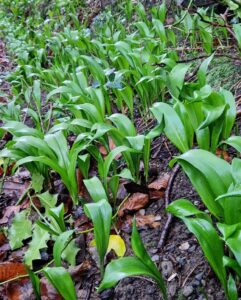
Wild garlic’s powerful scent is an evolutionary adaptation rather than an accident. Sulfur compounds function as a defense mechanism against diseases and herbivores. These substances are released when the plant sustains harm, discouraging ingestion and infection. A crucial component of plant survival, this chemical defense mechanism is extensively researched in the field of plant ecology.
It’s interesting to note how humans have appropriated this protective mechanism for culinary and therapeutic uses, highlighting the intricate connection between human culture and plants.
Growing Wild Garlic in Home Gardens
Wild garlic may be a great low-maintenance culinary crop for gardeners like me, even though it is often foraged from forests and woodland margins. In fact, because of its inherent hardiness, it works especially well in shadowed spots, where many veggies don’t do well. According to science, Allium ursinum thrives when gardeners mimic the conditions of a forest floor since it is accustomed to woodland environments.
1. Soil Preferences
Soil that is wet, humus-rich, and has a high organic matter concentration is ideal for wild garlic. Because spring sunshine reaches the soil before dense summer foliage forms, a partially shadowed area beneath deciduous trees frequently offers the perfect microclimate. The plant’s natural habitat is reflected in this seasonal light pattern, which encourages rapid leaf growth in the early spring.
From the standpoint of soil biology, wild garlic reacts remarkably well to live, microbially active soils. Fungal variety and nutrient cycling around the root zone are enhanced by the addition of leaf mold, compost, and decomposed organic material. Excessive synthetic fertilization is typically superfluous and may even interfere with balanced growth because the plant naturally evolved in forest habitats.
2. Propagation Process
The best bulbs for propagation are those planted in the fall. In soil that is consistently moist but well-drained, bulbs should be planted a few inches deep. After establishing themselves, the plants eventually naturalize and grow into thick colonies. Although germination is slower because seeds require cold stratification to break dormancy, seeds can still be used.
3. Seasonal Efficiency
The plant’s seasonal effectiveness is one of its most alluring qualities for gardeners. Early spring sees the emergence of wild garlic, which yields an abundance of edible foliage and blossoms for pollinators before going into dormancy by early summer. Because of this, it works well with layered or forest-style gardening systems, in which several crops occupy distinct seasonal niches.
4. Sustainable Harvesting
Gardeners should refrain from removing entire plants to harvest sustainably. Rather, careful leaf harvesting enables bulbs to restore their energy stores and make a strong comeback the next season. In long-term edible landscapes, wild garlic is both productive and environmentally sustainable due to its regenerative growth habit.
Post-Harvest Biology and Storage
This crop changes biochemically after it is collected. Enzymatic processes are still changing their flavor and nutritional profile.
Storage Tips:
- To slow deterioration, refrigerate in sealed containers
- For optimal nutritional value, use fresh
- Use fermentation or freezing to preserve
Drying reduces the amount of bioactive compounds and flavor, making it less effective.
Integrating Wild Garlic into Modern Diets

Wild garlic serves as a link between traditional wisdom and modern nutrition science for customers today. Including it in diets is consistent with the following trends:
- Whole, unprocessed foods
- Seasonal cuisine
- Food systems’ biodiversity
In terms of health, adding it to a diet high in phytonutrients and antioxidants can be beneficial.
Conclusion
The concept of a “weed” itself is called into question by wild garlic. According to science, it is a highly adapted, chemically complex plant with substantial ecological, nutritional, and therapeutic value. Its appearance in forests is not coincidental; rather, it is the outcome of evolutionary strategies that maximize environmental interaction, reproduction, and survival. It provides a chance for people to get back in touch with sustainable and health-promoting natural food sources.
Plants like Allium ursinum serve as a reminder that some of the most precious resources are already flourishing all around us—quietly, resiliently, and abundantly—in a world increasingly dominated by monoculture agriculture and processed meals.
Disclaimer
The content provided on this website is purely for educational purposes. We are neither nutritionists nor do we intend to mislead our readers by providing any medical or scientific information.