Elderflower: 4 Exclusive Ways of Propagation
Introduction
Let’s discuss elderflower in this blog. In Europe and portions of North America, hedgerows abruptly burst into clouds of creamy-white blossoms in late spring and early summer that smell sweet and honey-like. The elder tree, which has long occupied an odd place between food, medicine, and legend, is the source of these exquisite clusters. Despite their delicate appearance, elderflowers are fascinating to botanists, herbalists, chefs, and gardeners due to their extraordinary biochemical arsenal, ecological significance, and culinary variety.
Elderflowers, which are frequently overlooked in favor of elderberries, are worthy of recognition. They are abundant in plant metabolites, antioxidants, and aromatic chemicals that contribute to both their traditional medical applications and their distinctive perfume. Elderflower connects traditional customs with contemporary science in an unexpectedly graceful way, from sparkling cordials and fermented drinks to pollinator support and medicinal research.
Thoroughly and interestingly, this article examines the biology, chemistry, cultivation, ecological value, nutritional significance, medicinal history, culinary applications, and scientific relevance of elderflower.
What Exactly Is Elderflower?
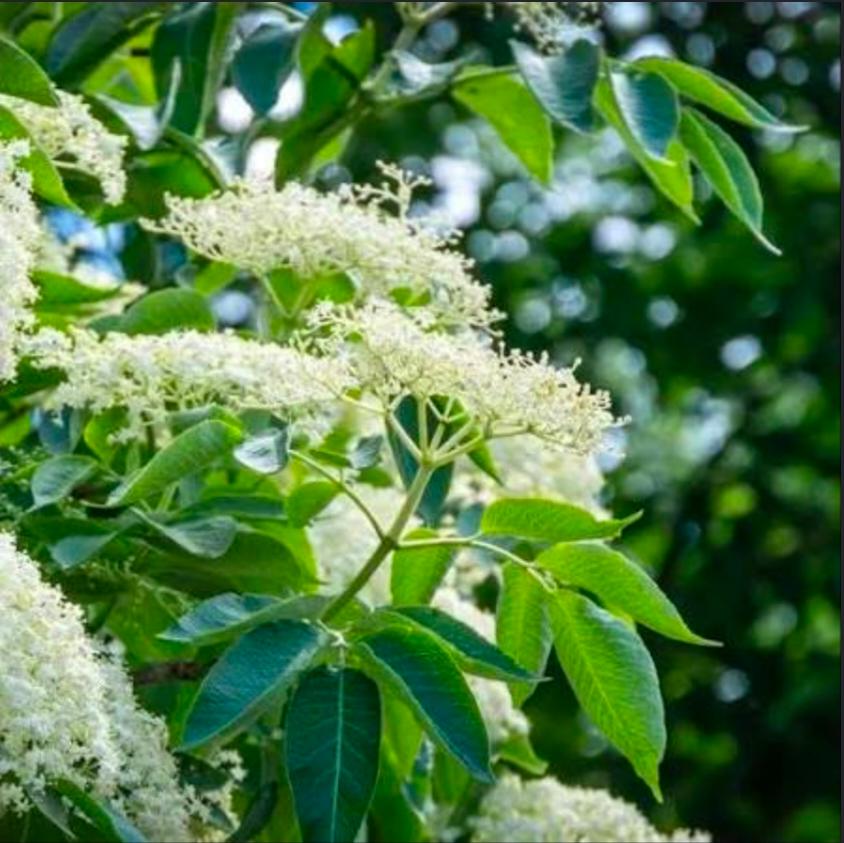
The term “elderflower” describes the flowers of the elder tree, most frequently Sambucus nigra, the European black elder. The plant grows as a big shrub or small tree and is a member of the Caprifoliaceae family of honeysuckles. Although it has spread widely throughout North America and other temperate regions, it is native to Europe, western Asia, and portions of North Africa.
Corymbs are huge, flat-topped clusters of flowers. Each little flower has yellow stamens, five creamy petals, and nectar-producing structures that draw lots of insects. Even while individual flowers are small, when combined, they form striking floral displays that can have a diameter of more than 8 inches (20 cm).
Disturbed soils, the edges of forests, roadsides, riverbanks, and deserted fields are all ideal habitats for elder trees. They are among the most identifiable wild shrubs in temperate climes due to their rapid colonization of nutrient-rich areas.
Biology of Elderflower
These flowers have an intriguing reproduction method. In spring, the plant breaks out of its winter hibernation and uses its stored carbohydrates to grow quickly. Flowering starts when the right amount of daylight and temperature is met.
The flowers are biologically designed to be pollinated. Their strong scent serves as a chemical signal to pollinating insects, and their pale tint improves visibility at dawn and twilight. Common visitors include moths, bees, beetles, and hoverflies.
Elderflower’s fragrance is derived from volatile chemical molecules. such as:
- Linalool
- Nerol
- Geraniol
- Cis-rose oxide
- Farnesol
Although humans interpret these fragrant chemicals as floral, lemony, muscat-like, and slightly tropical, their primary evolutionary purpose was to attract pollinators. Due to the exceptionally rich fragrance profile of elderflowers, modern perfumers frequently research their chemistry.
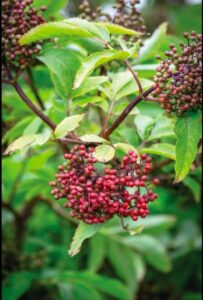
Flowers develop into clusters of dark purple-black berries following successful pollination. It’s interesting to note that berries and flowers have distinct ecological roles. Berries attract birds that spread seeds over large geographic areas, whereas flowers attract pollinators.
A Plant Rooted in Human History
Elderflower has one of the richest cultural histories of any flowering plant. The elder tree was considered sacred, protective, and spiritually significant by ancient Europeans. The tree was said to be home to a guardian spirit in Scandinavian tradition. It was risky to cut down an elder without their consent. Elderflower was a key component of herbal therapy in medieval Europe. Fever, respiratory congestion, and skin disorders were treated by traditional healers using infusions and syrups. For use as winter remedies, the blossoms were frequently preserved and saved.
Elderflower wines and cordials had become commonplace in rural homes by the Victorian era. Due to the short flowering window, which frequently lasts only a few weeks, families picked flowers on a seasonal basis. This flower is still widely used in cooking today, especially in Scandinavia, Germany, Austria, and the United Kingdom. Elderflower syrups, sweets, and sparkling drinks are once again popular worldwide thanks to modern mixology and gourmet cooking.
Nutritional and Phytochemical Composition
Elderflowers have biologically active chemicals with intriguing health potential, while not being consumed in significant quantities like vegetables.
The flowers contain:
- Flavonoids
- Phenolic acids
- Triterpenes
- Tannins
- Essential oils
- Mucilage compounds
- Small amounts of vitamins and minerals
Rutin, quercetin, and derivatives of kaempferol are important flavonoids. The antioxidant activity of these substances has been extensively studied. Reactive oxygen species are unstable chemicals that antioxidants help neutralize. Proteins, lipids, and DNA can all be harmed by excessive oxidative stress, which can hasten aging and the onset of chronic illnesses. In lab tests, elderflower extracts also show anti-inflammatory properties. Researchers are still looking into the possibility that these impacts could promote respiratory and immunological health.
The blossoms have significantly lower quantities of several cyanogenic glycosides than elderberries, but careful preparation is still necessary because raw plant parts can still upset some people’s stomachs.
Medicinal Uses
Elderflower played a significant part in traditional herbal systems throughout western Asia and Europe for ages. In the past, fever control and respiratory support were the main use.
During colds and influenza, hot infusions were frequently ingested to promote sweating. It was thought that this “diaphoretic” effect would naturally lower fever. Some research indicates that elderflower chemicals may, in fact, affect inflammatory pathways and mucus formation, even if contemporary science understands these mechanisms differently.
Traditional applications included:
- Herbal teas for colds
- Inhaling steam to relieve congestion
- Washes for irritated skin
- compresses to reduce edema
- Gargles for sore throats
In cold-support formulations, elderflower is frequently combined with herbs like yarrow and peppermint in contemporary herbal therapy. Elderflower continues to be one of the most revered traditional European medicinal plants due to its extensive therapeutic history and relatively gentle nature when prepared. Laboratory research has shown antimicrobial activity against certain bacterial strains and viruses, although clinical evidence in humans is still limited. Scientists stress that herbal remedies should supplement rather than replace evidence-based medical care.
Why Smells So Extraordinary?
One of the most chemically complex scents of temperate flowering plants is that of elderflower. Its aroma concurrently blends citrus, pear, lychee, muscat grape, and green herbal notes with flowery sweetness. Instead of a single dominant compound, this complexity results from the interplay of dozens of volatile molecules.
Cis-rose oxide is one particularly significant chemical that adds tropical and rosy undertones. Perceived scent intensity is drastically altered by minute concentration variations. This explains why elderflowers can have distinctly varied scents depending on when they are gathered.
The generation of fragrances is also influenced by environmental factors:
- Volatile release is increased by warm temperatures
- Harvesting in the morning maintains freshness
- Aromatic chemicals can be diluted by rain
- Metabolic pathways are impacted by soil fertility
Fresh flowers are highly valued in culinary production because the smell quickly fades after harvesting.
Culinary Uses
Elderflower’s potent flavor, without being overpowering, is what makes it so popular in cooking. It gives meals and drinks a hint of fruitiness, brightness, and floral richness.
1. Cordial Elderflower
Elderflower cordial is arguably the most well-known preparation. To make a concentrated syrup, fresh flower heads are soaked in sugar, citrus, and water. The final beverage has sweetness and acidity in balance with floral flavors. It can be poured over sweets, combined with cocktails, or diluted with sparkling water.
2. Fermented Beverages
These flowers are perfect for fermenting since their surfaces naturally contain yeasts. Traditional elderflower “champagne” is a mildly sparkling beverage made with sugar, lemon, water, and flowers. Microbial fermentation produces extra taste molecules while converting carbohydrates into carbon dioxide and alcohol.
3. Desserts and Baking
Elderflower goes incredibly well with:
- Strawberries
- Gooseberries
- Rhubarb
- Pears
- Apples
- Vanilla
- Honey
- Lemon
Elderflower’s perfume endures surprisingly well at moderate processing temperatures, which is why pastry chefs use it in sorbets, custards, cakes, panna cotta, macarons, and ice creams.
4. Savory Applications
It can also be used in savory cooking, albeit less frequently. It can add flavor to fish or poultry sauces, marinades, and vinegars. To create delicate fritters with a crisp texture and a floral scent, some cooks even fry entire flower clusters in a light batter.
The Ecology of Elder Trees
Elder trees make a substantial contribution to biodiversity. During a crucial seasonal shift when numerous pollinators are actively breeding, their flowers offer nectar and pollen. Elderflowers are particularly appealing to bees because of their huge flower clusters, which facilitate effective feeding. Frequent visits by parasitic wasps and hoverflies also indirectly aid in managing pests in neighboring ecosystems.
Elderberries become a vital food source for birds later in the season, including:
- Blackbirds
- Thrushes
- Starlings
- Waxwings
Elder plants frequently grow in recently disturbed areas because birds spread seeds widely. This ecological tactic speeds up habitat recovery and stabilizes the soil. In soil habitats, elder roots also enhance microbial activity. Organic particles and decomposing leaves nourish the surrounding vegetation by aiding in the cycling of nutrients.
Growing in Backyards
Elder is highly flexible and easy to cultivate, making it appealing to both gardeners and small-scale farmers.
1. Climate Requirements
Elder trees flourish particularly well in temperate climates characterized by cold winters and moderate summers. These hardy trees exhibit a remarkable cold resistance, allowing many species to thrive across a range of USDA hardiness zones, specifically from zone 3 to zone 8. The climate preferences can vary somewhat depending on the specific cultivar of elder tree, as some may have slightly different tolerances to temperature extremes. Overall, they prefer well-drained soil and can often be found in a variety of habitats, making them adaptable to different environmental conditions within their preferred zones.
2. Soil Preferences
The plant flourishes in:
- Moist but well-drained soil
- Slightly acidic to neutral pH
- Organically rich environments
Elder, once planted, is surprisingly tolerant of poor soil conditions.
3. Sunlight
To achieve optimal flowering and berry production, it is essential to provide full sunlight to the plants. Sunshine plays a crucial role in the photosynthesis process, which directly influences the overall growth and yield of the berries. While complete exposure to sunlight is ideal for thriving plants, they can tolerate some shade without significant adverse effects. However, excessive shading can hinder their growth and reduce the quantity of fruit produced. Balancing light exposure is key to ensuring healthy plants that yield a bountiful harvest.
4. Watering
Young plants thrive when they receive a steady supply of moisture, as this is crucial for their growth and development. It’s essential to monitor their water needs carefully, particularly during dry spells, to ensure they don’t dry out. As plants mature into shrubs, they tend to develop a degree of resilience against drought conditions. However, even these established plants perform significantly better in terms of flower production and overall health when provided with sufficient hydration. Adequate watering not only encourages vibrant blooms but also strengthens the shrubs, making them more robust and attractive in your garden.
5. Pruning
Pruning is an essential practice for promoting vigorous flowering in elder plants, as they primarily produce blooms on new growth. By strategically removing old, woody stems, you not only enhance the overall health of the plant but also improve airflow within the foliage. This increased airflow helps to reduce the risk of disease and promotes a more productive growing environment. Additionally, pruning fosters better light penetration, ensuring that younger branches receive adequate sunlight to thrive. Overall, through careful pruning, you can significantly boost the flowering potential and vitality of your elder plants.
6. Propagation
Elder propagates easily through these four methods:
6.1. Hardwood Cuttings
- To propagate elderflower, one effective method is using hardwood cuttings. This involves selecting healthy, mature branches from an existing elderflower plant during the dormant season, typically in late autumn to early spring. The chosen cuttings should be approximately 6 to 12 inches long with several nodes—where leaves or buds emerge. After selecting the cuttings, trim them just below a node, removing any leaves to reduce moisture loss.
- Next, plant the cuttings in well-draining soil, ideally a mixture of potting soil and sand to ensure proper drainage. Water them thoroughly but avoid over-saturation, as the cuttings should not sit in water. Place the containers in a sheltered area with indirect sunlight and keep the soil consistently moist. Over the next few weeks, roots will begin to develop. Once the cuttings have established a robust root system, they can be transplanted to a permanent location in your garden. This method is an excellent way to expand your elderflower collection while ensuring the new plants thrive.
6.2. Softwood Cuttings
- To propagate elderflower, you can use softwood cuttings. This method is best performed in late spring to early summer when the new growth is still flexible and green. Start by selecting healthy, vigorous shoots that are around 4 to 6 inches in length. Make a clean cut just below a node, ensuring that each cutting has at least two sets of leaves.
- Next, remove the lower leaves to prevent them from rotting when planted, but leave a few leaves at the top to aid in photosynthesis. Dip the cut end of the cutting in a rooting hormone to encourage root development, although this step is optional.
- Prepare a planting medium by mixing potting soil with perlite to ensure good drainage. Insert your cuttings into the medium, making sure to plant them deep enough to provide stability. Water the cuttings gently and cover them with a plastic bag or a clear plastic dome to create a humid environment, which is crucial for their establishment.
- Place the container in a bright location but out of direct sunlight to prevent scorching. Keep the soil consistently moist but not waterlogged. After several weeks, you should begin to see new growth, indicating that roots are developing. Once the cuttings are well-established, you can transplant them into larger pots or directly into your garden. By following these steps, you can successfully propagate elderflower and enjoy its lovely blooms in the future.
6.3. Seed Germination
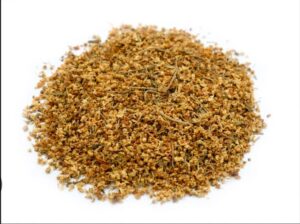
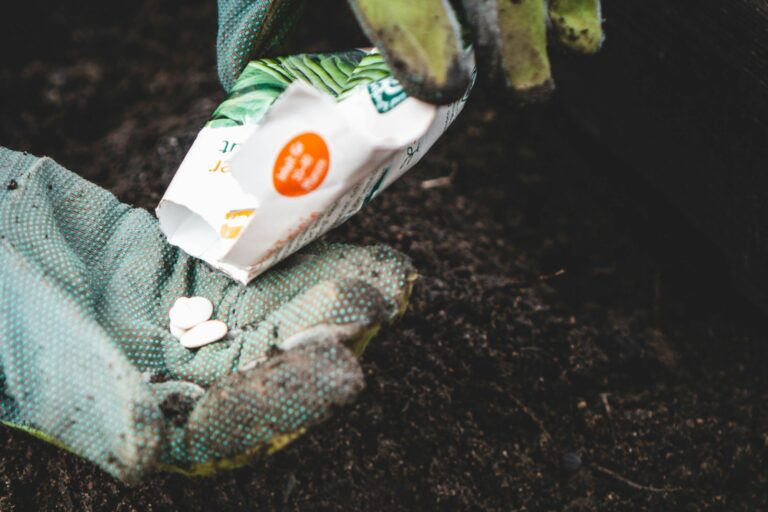
- Propagation through seed germination involves the process of transforming seeds into healthy plants. This begins when seeds absorb water, leading to swelling and the activation of metabolic processes inside the seed. As the seed takes in moisture, it breaks dormancy and prepares for growth.
- The next stage involves the emergence of the root, known as the radicle, which anchors the plant into the soil and facilitates nutrient uptake. Following this, the shoot, or epicotyl, begins to grow upward, eventually developing into the stems and leaves of the plant.
- Optimal conditions such as temperature, light, and soil quality play a crucial role in successful seed germination and growth. Understanding these factors can significantly enhance propagation effectiveness and plant health.
6.4. Layering
Propagation through layering is a horticultural technique used to encourage plants to develop roots while still attached to the parent plant. This method involves bending a low-growing stem or limb of the plant down to the ground and covering a section of it with soil, leaving the tip exposed. Over time, the buried portion will produce roots, allowing the stem to eventually be severed from the parent plant and transplanted as a new, independent plant. This technique is particularly effective for species that don’t root well from cuttings, allowing for the successful propagation of new plants while maintaining the growth of the original.
Layering can be performed in various forms, such as mound layering or air layering, each suitable for different plants and environmental conditions. The simplicity of its propagation is a key factor that accounts for its longstanding presence in and around rural homes and farms. This ease of spreading allows it to flourish in these environments, where it can often be seen thriving alongside the structures and fields that define the pastoral landscape.
Pollinators and Biodiversity Benefits
Modern ecological studies emphasize the role of flowering shrubs in sustaining insect populations. Elderflower has significant ecological value since it blooms at peak pollinator activity. A single mature elder plant can support dozens of insect species. The flowers are especially important to beneficial predatory insects, whose larvae eat aphids and agricultural pests.
This makes elder a valuable addition to regenerative gardening systems, food forests, and permaculture landscapes. Elder trees contribute to the formation of biological corridors in urban areas, uniting fragmented habitats. Even little garden plantings can help local biodiversity tremendously.
The Chemistry Behind Elderflower Syrup
When these flowers are processed into syrup, several fascinating chemical reactions occur. Sugar not only serves as a sweetness but also as a preservative by inhibiting microbial activity via osmotic pressure. Lemon juice contains citric acid, which stabilizes flavors and slows oxidation. Steeping releases volatile oils, flavonoids, and fragrant esters from floral tissues into a liquid solution. Temperature regulation is critical because excessive heat degrades delicate aroma molecules.
This is why high-quality elderflower cordial is frequently made using cold infusion or mild warming rather than extended boiling. The combination of acidity, sweetness, and volatile substances determines flavor complexity. Too much sugar obscures flowery flavors, whilst inadequate acidity might make the syrup taste flat.
Safety Considerations
Although this flower is often consumed safely, adequate identification and preparation are still necessary. Certain portions of elder plants contain cyanogenic glycosides, which can release cyanide under certain conditions. Stems, leaves, roots, and unripe berries have higher amounts than flowers.
Symptoms of incorrect eating may include:
- Nausea
- Vomiting
- Digestive upset
Therefore:
- Avoid consuming huge amounts of raw plant materials.
- Remove thick stems before processing.
- Correctly identify edible elder species.
Furthermore, certain ornamental relatives or look-alike species may not be safe to consume. Foragers should only harvest in pollution-free areas away from high traffic and pesticide exposure.
Role in Modern Food Science
Elderflower has gained popularity in modern food science for sensory and functional reasons.
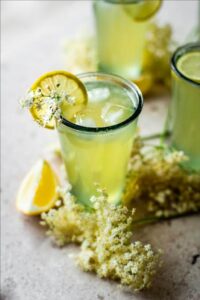
Beverage businesses utilize elderflower extracts in:
- Sparkling drinks
- Functional beverages
- Herbal teas
- Cocktail mixers
- Kombucha products
Food experts investigate elderflower scent components in order to improve flavor preservation techniques and natural fragrance extraction. The plant also meets the increasing consumer desire for botanical ingredients and floral flavors. As consumers look for alternatives to chemical additives, elderflower stands out as a naturally scented component with a rich history.
Researchers are also investigating elderflower polyphenols for potential applications in nutraceutical development. Additionally, explored elderflower polyphenols for possible applications in nutraceutical development.
Sustainability in Agriculture
Elder cultivation is consistent with sustainable agricultural concepts.
The plant:
- Supports pollinators
- Requires relatively moderate chemical input
- Tolerates diverse soil conditions
- Helps prevent erosion
- Produces multiple harvestable products
Farmers can sell flowers, berries, syrups, dried herbs, teas, and extracts from the same crop system. Elder bushes are increasingly being used in agroforestry projects because they work well with hedgerows and mixed perennial systems. Their quick growth and ecological adaptability make them ideal for climate-resilient farming practices.
Foraging Responsibly
Foraging elderflower can be rewarding, but ethical harvesting is essential.
Responsible foraging concepts include:
- Harvest only what you need
- Leave flowers to attract pollinators and produce berries
- Avoid harming the branches
- Never strip entire shrubs
- Respect the local norms and private property
Morning harvesting often produces the strongest aroma because volatile components are concentrated before midday heat disperses them. Fresh blooms should be treated within hours because scent quality degrades quickly after plucking.
Why Elderflower Continues to Fascinate Scientists
Elderflower is an interesting combination of ethnobotany, chemistry, ecology, and nutrition.
Researchers investigate elderflower because it provides insights into:
- Plant-pollinator communication
- Natural aromatic chemistry
- Antioxidant biology
- Traditional herbal medicine
- Sustainable crop systems
Its volatile chemicals serve as useful models for fragrance science, while its ecological significance reveals how native shrubs promote biodiversity. Meanwhile, its continued popularity in cooking demonstrates humanity’s long history with aromatic plants.
Conclusion
Elderflower is much more than just a fragrant seasonal blossom. It is a physiologically advanced, culturally significant, and ecologically valuable plant that has existed alongside human civilization for ages. The exquisite white petals conceal a complex network of chemistry, pollination biology, medicinal heritage, and culinary inventiveness. Elderflower, from pollinator-filled hedgerows to sparkling cordials served at summer parties, continues to integrate science and sensory experience in remarkable ways.
It benefits insects, improves ecosystems, inspires cooks, and fascinates academics investigating plant compounds and traditional medicine. Perhaps the most surprising characteristic of elderflower is its delicate blend of wildness and familiarity. It grows wild along roadsides and forest margins, but its aroma is sophisticated enough for gourmet dining and perfumery. This contrast explains why elderflower has stayed popular for generations.
In an age when people are more interested in sustainable living, botanical diversity, and plant-based wellbeing, elderflower serves as a stark reminder that some of the most valuable natural resources grow silently along the boundaries of fields, woodlands, and forgotten hedgerows.
Disclaimer
The content provided on this website is purely for educational purposes. We are neither nutritionists nor do we intend to mislead our readers by providing any medical or scientific information.