Growing Wild Bergamot from Seed: 3 Exclusive Tips
Introduction
Wild Bergamot, a member of the mint family (Lamiaceae), is beautiful, resilient, and environmentally important. It tolerates drought, thrives in difficult soils, attracts a diverse range of pollinators, and has medicinal and culinary uses. Monarda fistulosa is becoming a popular choice for meadows, cottage gardens, prairie restorations, and pollinator habitats as gardeners embrace native plants and sustainable landscaping practices. In summertime, a walk over a North American grassland may reveal clusters of lavender blooms dancing above scented foliage as bees, butterflies, and hummingbirds battle for nectar.
Wild Bergamot (Monarda fistulosa) is a mesmerizing native perennial and one of North America’s most prized blooming herbs. Despite being overshadowed by its beautiful cousins, Wild Bergamot has discreetly fed Indigenous peoples, animals, herbalists, and gardeners for ages. This blog delves into the interesting history, biology, cultivation, and practical applications of Wild Bergamot, demonstrating the scientific concepts that underpin its success in the garden.
What Is Wild Bergamot?
Wild Bergamot (Monarda fistulosa) is a herbaceous perennial found in much of Canada, the United States, and northern Mexico. It grows natively in prairies, open forests, roadsides, rocky slopes, and disturbed environments with plenty of sunlight and well-drained soils. Despite its widespread name, Wild Bergamot is not related to the bergamot orange (Citrus bergamia), the peel of which is used to spice Earl Grey tea. Instead, the name came from the fact that when its leaves were crushed, they gave off a pleasant citrus-like scent due to the presence of aromatic essential oils.
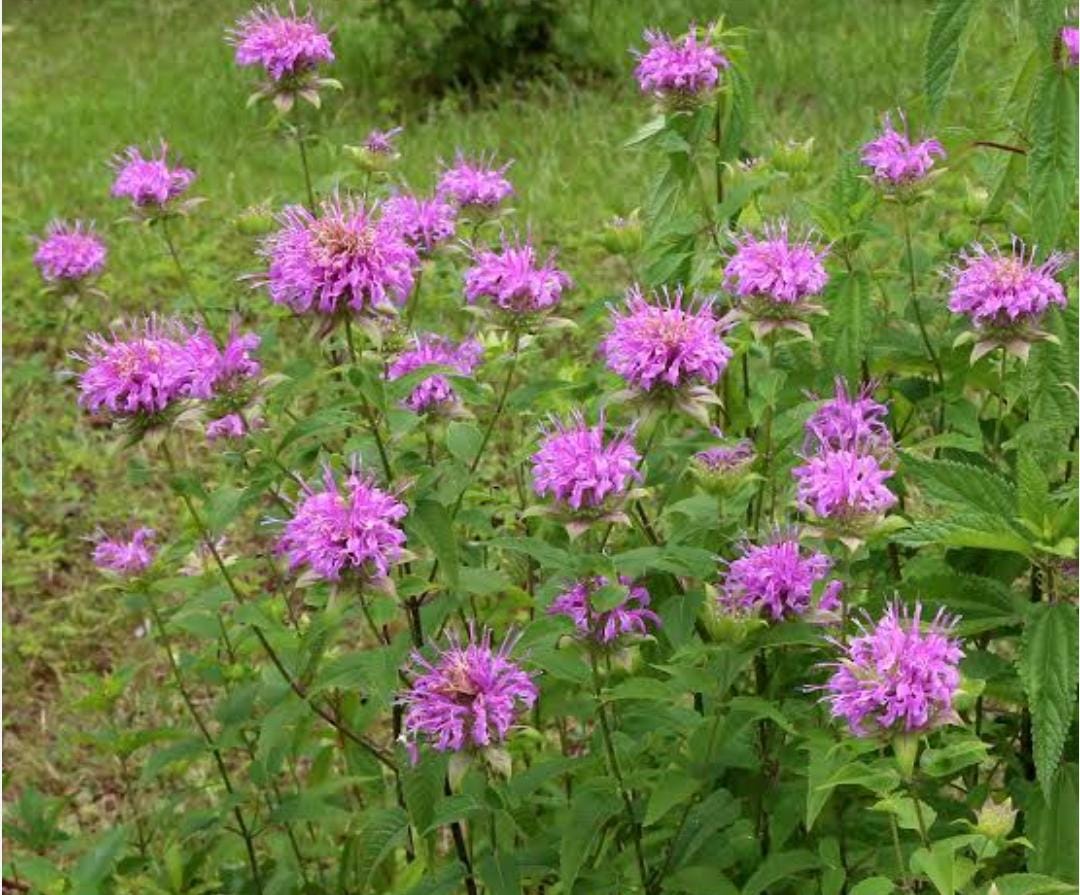
The plant normally grows to a height of 2-4 feet (60-120 cm), while mature examples grown in good soils can reach considerably higher. Square stems, opposing leaves, and aromatic foliage instantly indicate that it belongs to the mint family. During the summer, each stalk produces a globe-shaped cluster of tubular blooms in mild lavender, pinkish-purple, and occasionally white. The unique blooms are designed to attract long-tongued pollinators while staying accessible to many native bees.
Unlike many decorative flowers, which bloom momentarily, Wild Bergamot produces nectar for weeks during one of the busiest periods of pollinator activity.
Botanical Classification
Understanding its botanical placement helps explain many of its characteristics.
- Kingdom: Plantae
- Order: Lamiales
- Family: Lamiaceae (Mint family)
- Genus: Monarda
- Species: Monarda fistulosa
The genus has around twenty species, almost all of which are endemic to North America. Monarda fistulosa is especially recognized for its adaptability and widespread natural distribution. The species name “fistulosa” means “hollow” or “tube-like,” alluding to the hollow stems found in mature plants.
A Rich History Rooted in Indigenous Knowledge
Long before European contact, Indigenous tribes throughout North America recognized Wild Bergamot’s unique characteristics. Several tribes, including the Lakota, Blackfoot, Ojibwe, Menominee, and Cherokee, used different sections of the plant for food, medicinal, and ceremonial uses. Leaves and petals were frequently prepared into herbal infusions to alleviate intestinal problems, colds, fever, and headaches. Poultices prepared from crushed leaves were occasionally administered topically to small wounds, bug bites, and skin irritations due to the plant’s inherent antibacterial ingredients.
Its lovely perfume made it suitable for steam baths and purifying procedures. Many of the traditional applications were rapidly adopted by European settlers. During periods when foreign tea was unavailable, notably after the Boston Tea Party, numerous Monarda species were brewed as herbal substitutes, earning them the widespread moniker Oswego Tea. Modern phytochemical research validates some traditional applications by detecting physiologically active chemicals inside plants.
Natural Habitat and Ecological Role
Wild Bergamot developed over a vast geographic span extending from the Atlantic regions of Canada to the Rocky Mountains and south into northern Mexico.
Its natural habitats include:
- Native prairies
- Dry meadows
- Open forests
- Grasslands
- Limestone outcrops
- Roadsides
- Woodland edges
- Restored prairie ecosystems
Unlike moisture-loving bee balm species, Monarda fistulosa is extremely drought-resistant because of its vast root structure, which allows for effective water uptake during extended dry spells. Ecologists consider it an important mid-season nectar plant, filling the flowering gap between spring wildflowers and late-summer asters.
Distinctive Botanical Features
Several traits set Wild Bergamot apart from other natural blooming perennials.
Aromatic Leaves
The soft green leaves are lance-shaped, featuring slightly serrated edges and small hairs on their surface. When crushed, they emit a refreshing aroma with hints of oregano, thyme, mint, and citrus. These fragrances are derived from volatile essential oils that are stored in specific glandular structures throughout the leaves.
Unique Flowers
Each flower head contains dozens of tubular blooms grouped in a spherical cluster.
Individual flowers possess:
- Long nectar tubes
- Two-lipped petals
- Prominent stamens
- Extended styles
These floral modifications increase pollination effectiveness by accurately placing pollen on visiting insects and hummingbirds.
Square Stems
Wild Bergamot, a captivating member of the mint family, showcases a unique feature: its square stems! This intriguing structure not only adds strength but also supports multiple flower heads, allowing them to sway gracefully in the summer breeze. It’s a beautiful example of nature’s clever design!
Underground Rhizomes
Wild Bergamot, with its enchanting clusters of lavender-hued blooms, spreads gently through a network of underground rhizomes. Unlike some plants that become fiercely invasive, healthy colonies of Wild Bergamot gradually expand their reach over the course of several years, forming picturesque natural drifts that add a touch of elegance to the landscape. This growth habit not only enhances the beauty of prairie restorations but also makes it an ideal choice for home gardens, where its slow and steady spread can be easily managed while enriching the overall environment.
Why Pollinators Love Wild Bergamot
The ecological significance of Wild Bergamot is unmatched by many natural perennials. Because Monarda fistulosa produces a lot of nectar and has a lengthy bloom period, researchers regularly rate it as one of the best pollinator plants in North America.
Its flowers attract:
- Bumblebees
- Mason bees
- Leafcutter bees
- Honeybees
- Sweat bees
- Long-horned bees
- Butterflies
- Skippers
- Hawk moths
- Ruby-throated hummingbirds
Throughout the flowering season, a large number of native bees visit Wild Bergamot often, demonstrating floral fidelity. Long-tongued bees gain the most from the tubular blooms because they can effectively reach nectar that many other insects cannot. According to studies of restored prairie ecosystems, boosting populations of native flowering plants such as Wild Bergamot improves pollinator variety and abundance, resulting in better ecosystems and crop pollination in adjacent areas.
Choosing the Ideal Growing Location
Understanding the natural habitat of the plant is the first step toward successful cultivation. Because Wild Bergamot develops in sunny meadows, it thrives in settings similar to those seen in gardens.
Sunlight Requirements
Provide:
- Full sun (6–8 hours daily) for maximum flowering
- Light afternoon shade in extremely hot southern climates
Plants that thrive in deep shade often struggle to flourish, producing fewer vibrant blooms and developing weaker stems. Unfortunately, their shady environment also makes them more vulnerable to pesky problems like powdery mildew. Ensuring they get enough light is crucial for their health and beauty!
USDA Hardiness Zones
Wild Bergamot grows well in USDA Zones 3–9. Its remarkable hardiness allows it to withstand temperatures as low as −30°F (−35°C), and its ability to tolerate drought makes it suitable for cultivation in warmer areas. This adaptability contributes to its widespread natural distribution throughout North America.
Soil Requirements
One of Wild Bergamot’s major qualities is its adaptability to many soil types.
It grows successfully in:
- Sandy soils
- Loamy soils
- Gravelly soils
- Rocky soils
- Clay loams with adequate drainage
The most crucial necessity is proper drainage. Constantly wet soil deprives roots of oxygen, which promotes root rot produced by soil-borne fungi and oomycetes like Phytophthora and Pythium. Well-drained soils encourage healthy root respiration, nutrient absorption, and beneficial microbial activity, resulting in stronger and more robust plants. Wild Bergamot thrives on moderately alkaline, neutral, or slightly acidic soils with a pH of 6.0-7.5.
Unlike many decorative perennials, which require exceptionally fertile conditions, it frequently blossoms more profusely in normal soils because excess nitrogen promotes green development at the expense of blooms. Gardeners with heavy clay soils can enhance drainage by putting compost and coarse organic matter before planting, whereas those with very sandy soils can add compost to boost moisture retention while maintaining aeration.
Planting Wild Bergamot
Wild Bergamot is tolerant and simple to establish when grown in settings close to its natural environment. It may be propagated from seeds, nursery transplants, or by splitting established clumps. Although seeds are cost-effective for big plantings, transplants and divisions yield blooming plants considerably faster.
When to Plant
The best planting times are spring, after the threat of severe frost has subsided, and early autumn: 6-8 weeks before the first forecast frost, giving roots time to grow before winter. Spring planting produces the greatest results in colder climates (USDA Zones 3-5), but gardeners in warmer climes can plant well in either spring or fall. Planting generally provides the best results, while gardeners in warmer climates can plant successfully in either spring or autumn.
Planting Steps
- Find Your Perfect Spot: Start by selecting a sunny location with well-drained soil — the ideal playground for your new plant!
- Weed Out the Competition: Before you plant, take a moment to remove any pesky perennial weeds. We want your plant to have all the room it needs to thrive!
- Get Ready to Dig: Loosen the soil to a depth of 8–10 inches (20–25 cm). This step is crucial for giving your plant the best chance to grow strong roots.
- Add Some Goodness: If your soil is feeling a bit too sandy or compacted, mix in some compost. It’s like giving your plant a special nutrient boost!
- Digging the Perfect Hole: Create a hole that’s about twice the width of the root ball. This will give your plant plenty of space to expand and flourish.
- Position with Care: Gently place the plant in the center of the hole, ensuring that the crown is level with the surrounding soil. This balance is key to a happy plant!
- Backfill with Love: Carefully backfill the hole, but don’t overdo it on the compacting! We want to keep that soil nice and airy.
- Water with Purpose: Give your new plant a good drink to eliminate any air pockets. This step is essential for settling the soil around the roots.
- Finish with a Touch of Mulch: Apply a light layer of mulch around your plant, keeping it clear of the stems. This will help retain moisture and keep the weeds at bay!
- Now you’re all set to plant and watch your garden flourish!
Space plants 18 to 24 inches (45 to 60 cm) apart. Proper spacing enhances air circulation, which reduces the risk of powdery mildew and allows mature plants to grow naturally.
Growing Wild Bergamot from Seed
Growing from seed closely resembles the plant’s natural reproductive strategy and is especially beneficial for pollinator gardens and grassland restorations.
1. Seed Collection
Seeds develop a few weeks after blooming. When the flower heads have turned brown and dried, remove them from the plant and store them in paper bags to complete drying. Gently break the heads to release the little seeds. Store cleaned seeds in a cool, dry area until ready to plant.
Cold Stratification
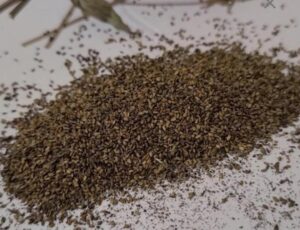
In nature, seeds go through winter before growing in spring. This process, known as cold stratification, ends physiological dormancy.
To improve germination:
- Mix seeds with slightly moist sand or vermiculite
- Refrigerate them at 34–41°F (1–5°C) for 30–60 days
- Sow after stratification
Alternatively, put seeds outside in late October and let natural winter temperatures produce the necessary cooling.
Germination
Seeds germinate best at temperatures ranging from 65 to 70°F (18-21°C). Because they require light for best germination, gently press them onto the soil surface rather than burying them completely. Seedlings often develop within two to four weeks under ideal circumstances.
Propagation by Division
Division is the quickest and most reliable propagation method.
Every three to four years:
- Dig up mature clumps in early spring or autumn
- Separate the rhizomes using a sharp spade or knife
- Ensure each division has healthy roots and several growing shoots
- Replant immediately and water thoroughly
Division rejuvenates ageing plants while preventing overcrowding and improving flowering.
Watering Requirements
Wild Bergamot is remarkably drought tolerant once established, but consistent moisture during its first growing season promotes strong root development.
Newly Planted Specimens
Water deeply once or twice each week during dry weather. Deep watering encourages roots to grow downward rather than remaining near the soil surface.
Established Plants
After establishment:
- Water only during prolonged drought
- Allow the upper soil to dry slightly between waterings
- Avoid frequent shallow irrigation
Research indicates that deep, infrequent watering encourages plants to develop extensive root systems, enhancing their resilience during heat and water shortages.
Fertilization
Unlike many ornamental perennials, Wild Bergamot has relatively modest nutrient requirements.
Excessive fertiliser often results in:
- Lush foliage
- Reduced flowering
- Softer stems
- Greater susceptibility to disease
A small application of compost in the spring usually provides adequate nutrients. In extremely poor soils, a balanced slow-release fertilizer can be used sparingly in early spring. Avoid frequent high-nitrogen fertilization, which promotes vegetative development at the price of blooming.
Mulching
A thin organic mulch provides several benefits:
- Conserves soil moisture
- Suppresses weeds
- Moderates soil temperature
- Gradually improves soil structure
Suitable mulches include:
- Shredded leaves
- Pine needles
- Fine bark mulch
- Compost
To keep your plants healthy and thriving, make sure to keep that mulch a few inches away from the stems! This little tip helps prevent excess moisture from building up, which can lead to pesky fungal diseases. Your plants will thank you for the extra care!
Pruning and Deadheading
Deadheading encourages continued blooming and keeps plants tidy. However, leaving some flower heads intact provides valuable seed for birds and allows natural self-seeding. If plants become tall and floppy, cutting stems back by one-third in late spring—often called the Chelsea Chop—produces bushier growth with sturdier stems and often extends the flowering season.
Diseases
The most common disease affecting Wild Bergamot is powdery mildew.
Powdery Mildew
Unlike many fungal diseases, powdery mildew thrives when humidity is high but leaf surfaces remain relatively dry.
Symptoms include:
- White powder-like growth on leaves
- Premature leaf drop
- Reduced plant vigour
Fortunately, the disease rarely kills established plants.
Prevention includes:
- Full sun
- Proper spacing
- Good air circulation
- Avoiding excess nitrogen
- Watering at soil level
Many modern cultivars have improved resistance, but even native forms generally continue flowering despite mild infections. Root rot is uncommon unless plants remain in poorly drained soil for extended periods.
Wildlife Value
Wild Bergamot is regarded as a vital nectar source in many natural plant ecosystems. Its ecological contributions go well beyond pollination.
The plant supports:
- Over 100 species of native bees
- Numerous butterflies
- Hummingbirds
- Beneficial predatory insects
- Seed-eating birds later in the season
Its thick stems also provide habitat for beneficial insects, which naturally assist in managing plant pests. Wild Bergamot is commonly used in grassland restorations because it increases biodiversity while also improving ecosystem resilience.
Medicinal Properties and Scientific Research
Wild Bergamot has a long history in traditional herbal medicine, and modern scientific studies have identified several bioactive compounds that help explain many of its historical uses. While research supports some of its biological activities, herbal preparations should complement—not replace—professional medical care.
The leaves and flowers contain a complex mixture of essential oils, including:
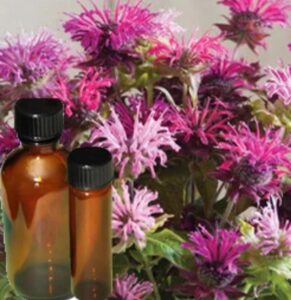
- Thymol
- Carvacrol
- Thymohydroquinone
- Linalool
- Geraniol
- p-Cymene
- γ-Terpinene
- Rosmarinic acid
- Various flavonoids and phenolic compounds
These naturally occurring chemicals have been studied for their antimicrobial, antioxidant, and anti-inflammatory properties.
Antimicrobial Activity
According to laboratory tests, essential oils isolated from Monarda fistulosa can suppress the growth of a variety of bacteria and fungi. Thymol and carvacrol, in particular, are well-known natural antibacterial chemicals that break microbial cell membranes, making them useful in both traditional medicine and contemporary science.
Although these findings seem intriguing, the majority of the information is based on laboratory experiments. More large-scale clinical research are required before Wild Bergamot is suggested as a therapy for certain disorders.
Antioxidant Properties
Wild Bergamot includes phenolic chemicals that help neutralize free radicals, which are unstable molecules that can harm cells due to oxidative stress. Antioxidants are crucial for safeguarding plant tissues and may benefit human health when ingested as part of a well-balanced diet rich in fruits, vegetables, and herbs.
Traditional Herbal Uses
Historically, herbal teas prepared from the leaves and flowers were used to:
- Relieve mild colds
- Ease sore throats
- Support digestion
- Reduce bloating
- Promote mild perspiration during fevers
- Calm occasional headaches
These conventional uses represent centuries of observation; however, individual reactions may differ. Anyone pregnant, breastfeeding, taking drugs, or managing chronic health concerns should get medical advice before utilizing herbal therapies regularly.
Culinary Uses
Wild Bergamot is both ornamental and edible, making it an excellent addition to edible landscapes.
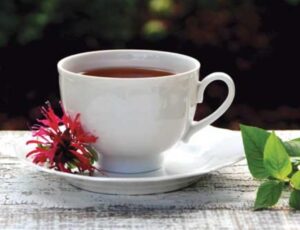
Herbal Tea
Perhaps its best-known culinary use is as an aromatic herbal tea.
Fresh or dried leaves produce a pleasantly fragrant beverage with subtle notes of mint, oregano, citrus, and thyme. Although it is sometimes compared to Earl Grey tea because of its citrus-like aroma, its flavour is distinctly herbal rather than black-tea based.
Fresh Leaves
Young leaves can be used sparingly to flavour:
- Green salads
- Fruit salads
- Pasta dishes
- Roasted vegetables
- Herb butters
Because the flavour is robust, they are best used in moderation.
Edible Flowers
The attractive blossoms also make colourful garnishes for:
- Summer salads
- Desserts
- Herbal vinegars
- Lemonades
- Iced teas
- Charcuterie boards
Their mild floral flavour adds visual appeal without overpowering other ingredients.
Ecological Importance
As native habitats in North America dwindle, plants like Wild Bergamot become increasingly crucial in conservation efforts. Native species, unlike many decorative plants produced mainly for looks, have evolved with indigenous insects, birds, and microbes for thousands of years. This evolutionary connection allows them to offer the nectar, pollen, shelter, and food supplies that local species require.
Wild Bergamot grows in summertime, when many spring wildflowers have already completed flowering, providing a critical supply of nectar during a time when pollinators may struggle to find food.
Its extensive root system also contributes to healthier soils by:
- Reducing erosion
- Improving soil structure
- Increasing organic matter over time
- Supporting beneficial soil fungi and bacteria
- Enhancing water infiltration
Wild Bergamot’s ecological benefits make it a good choice for initiatives involving sustainable landscaping and habitat restoration.
Conclusion
Wild Bergamot (Monarda fistulosa) is more than just a beautiful natural wildflower. It is a tough perennial that exemplifies the concepts of sustainable gardening by combining decorative appeal, ecological function, and practical utility. From its aromatic leaf and striking lavender blossoms to its capacity to attract a stunning range of pollinators, this North American native has advantages that go far beyond appearance.
Its lengthy history of traditional use, along with increased scientific interest in its bioactive ingredients, provides another layer of appreciation for this adaptable plant. While research into its medical potential continues, gardeners may be sure in its value as a fragrant herb, edible flower, and dependable component of wildlife-friendly landscapes.
Perhaps most significantly, Wild Bergamot reminds us that native plants are more than just attractive additions to our gardens; they are essential components of healthy ecosystems. Gardeners may help conserve biodiversity, offer important supplies for pollinators, and develop resilient gardens that can thrive in shifting environmental circumstances by introducing species like Monarda fistulosa into their home settings.
Whether planted in a cottage border, a prairie-style meadow, a pollinator patch, or a naturalized landscape, Wild Bergamot provides months of color, smell, and vitality. Its ease of cultivation, versatility, and ecological significance ensure that it will be one of North America’s most valued native perennials for future generations.
Disclaimer
The content provided on this website is purely for educational purposes. We are neither nutritionists nor do we intend to mislead our readers by providing any medical or scientific information.