Redbud Tree: 7 Ultimate Steps to Grow
Introduction
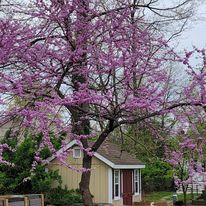
The eastern redbud tree (Cercis canadensis) heralds the approach of spring with an explosion of bright pink and lavender blooms that appear to sprout straight from its bare branches, long before many trees awaken from winter sleep. The redbud is one of the most beloved ornamental trees in Northeastern US because of this amazing display, which turns woodlands, roadsides, parks, and residential settings throughout this region into vivid corridors of color.
The redbud tree’s blossoms appear before it produces leaves, in contrast to many other blooming trees. Almost every branch of the redbud tree is covered with clusters of pea-like blooms before new heart-shaped leaves emerge, creating a stunning display. But the eastern redbud has a vital ecological function in addition to its aesthetic value. It sustains a variety of butterfly species, gives native bees one of the first sources of nectar, improves soil through its association with nitrogen-fixing bacteria, and provides year-round food and shelter for animals.
Although redbuds are known for being simple to cultivate, understanding their native environment and biological requirements is necessary to produce a robust, long-lived plant. The health, blooming performance, and disease resistance of a tree are greatly influenced by proper site selection, soil preparation, watering strategies, and trimming methods. Fortunately, Cercis canadensis rewards gardeners with decades of dependable beauty and minimal upkeep when these conditions are satisfied.
This thorough blog, like my other blogs, examines the science behind eastern redbud cultivation, assisting you in creating a flourishing specimen that will serve as a focal point of your garden for many generations, whether you’re planting your first ornamental tree or adding diversity to an existing landscape.
Understanding Eastern Redbud
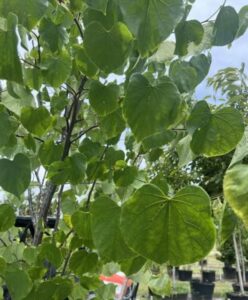
Eastern redbud tree is a member of the legume family (Fabaceae), making it distantly related to peas, beans, and black locust trees. Unlike many other legumes used for food, redbud is planted largely for its decorative appearance and ecological significance. Even though the flowers are edible, they’re still surprisingly versatile—they add both flavor and a beautiful finishing touch to salads.
Its original range extends throughout most of eastern and central North America, from southern Ontario to the eastern United States and westward into Texas, Oklahoma, Kansas, and Nebraska. Redbuds grow naturally on woodland margins, riverbanks, limestone slopes, and open deciduous woods where filtered sunshine and well-drained soils create optimal growth conditions.
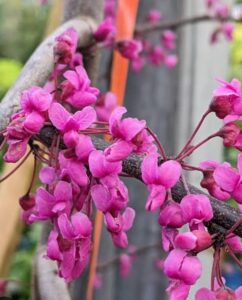
One unique biological trait of the redbud tree is cauliflory, which means that flowers are produced straight from older trunks and mature branches rather than exclusively on young stems. This peculiar blooming behavior is uncommon among temperate trees and contributes greatly to the tree’s eye-catching spring display.
Botanical Characteristics of Redbud Tree
Understanding the growth habits of redbud helps gardeners anticipate its long-term needs and appreciate its seasonal changes.
Scientific name: Cercis canadensis
Common names:
- Eastern Redbud tree
- American Redbud tree
- Judas Tree (occasionally, though more commonly applied to European species)
Plant type: Deciduous flowering tree
Family: Fabaceae
Mature height:
20–30 feet (6–9 meters)
Spread:
25–35 feet (7.5–10.5 meters)
Growth rate:
Moderate, typically adding 13–24 inches annually under favorable conditions.
Lifespan:
Many landscape trees thrive for 50 to 70 years, but some exceptional specimens can live much longer—sometimes for centuries! With proper care and protection from disease and physical damage, these majestic trees can become true marvels of nature, standing as living witnesses to history.
Seasonal Beauty Throughout the Year
One reason eastern redbud is still popular among landscape designers is its year-round decorative appeal.
Spring
The highlight of the year occurs before the leaves appear. Thousands of bright blooms cover bare branches for around two to three weeks. Flowering typically occurs between March and early May, depending on conditions. The blooms range from rosy, pink to deep magenta, with naturally occurring white-flowered variants.
These flowers produce abundant nectar, attracting:
- Native bees
- Bumblebees
- Mason bees
- Honeybees
- Early butterflies
As one of the few woody plants that burst into bloom in early spring, redbud trees play a crucial role in providing a vital food source for emerging pollinators. Their stunning blossoms not only brighten the landscape but also draw in hungry bees and butterflies just waking up from winter slumber.
Summer
After flowering, characteristic heart-shaped leaves emerge with a reddish tint before developing to a deep green. The thick canopy provides soothing shade while preserving an elegant look that works well with gardens of almost any design type. Long, flat seedpods grow gradually during the summer, offering modest visual appeal.
Autumn
As temperatures cool, foliage turns shades of:
- Golden yellow
- Soft orange
- Yellow-green
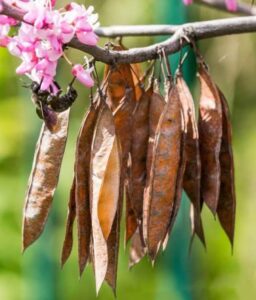
The vibrancy of color in leaves is influenced by a fascinating mix of weather patterns, genetics, and the local climate. Even when autumn’s chill sets in and the leaves tumble to the ground, you can still find decorative seedpods clinging on, brightening the landscape well into early winter. It’s a beautiful reminder of nature’s resilience and charm!
Winter
As winter gives way to spring, the tree reveals its stunning branching structure in all its glory. Each zigzag twig dances playfully in the breeze, while the smooth young bark adds a touch of elegance. Even in its dormant state, the tree stands out with an attractive silhouette, showcasing a captivating architectural beauty that delights the eye.
USDA Hardiness Zones
Eastern redbud performs best in:
USDA Zones 4–9
This remarkable versatility is what makes the redbud tree a favorite across vast stretches of North America. Yet, it’s fascinating to see how the approach to its care varies from one region to another.
Northern regions (Zones 4–5)
- Choose sheltered planting locations
- Protect young trees from winter injury
- Avoid late-season fertilization that stimulates tender growth
Central regions (Zones 6–7)
These regions offer the perfect environment for trees to thrive. With abundant resources, they enjoy robust growth, reliable blooms, and face minimal environmental challenges. It’s a haven where redbud trees and the beauties of nature can truly flourish!
Southern regions (Zones 8–9)
As summer sizzles with scorching heat, don’t forget to create a cool oasis of afternoon shade for your plants, such as the redbud tree. This simple step can make a world of difference! Plus, during those long, dry spells, a little extra watering can boost your garden’s resilience and keep those beautiful blooms coming. Embrace these practices and watch your garden thrive, even in the toughest conditions!
Choosing the Perfect Planting Site
Choosing the right location for your redbud tree is crucial, as it greatly influences its long-term health and vitality. Unlike annual flowers that can be easily moved or replaced each season, trees are much more permanent once they have put down roots. Therefore, giving careful thought to the site you select is essential for ensuring your redbud tree thrives in its environment for years to come.
Sunlight Requirements
Scientific studies consistently show that the flowering intensity of the redbud tree increases with greater sunlight exposure.
Ideal conditions include:
- Full sun (6–8 hours daily)
- Partial shade (4–6 hours daily)
In northern climates, full sun encourages maximum flowering. In hotter southern regions, afternoon shade reduces heat stress and leaf scorch of redbud trees, like any other plant.
Deep shade should be avoided because it produces:
- Sparse flowering
- Weak branch development
- Increased disease susceptibility
Soil Requirements
Eastern redbud naturally grows in rich woodland soils that are:
- Well-drained
- Moderately fertile
- Rich in organic matter
- Slightly acidic to neutral
Ideal soil pH ranges from:
6.0–7.5
The species exhibits a remarkable ability to thrive in slightly alkaline soils, surpassing many ornamental trees in this aspect. Its resilience is especially notable when paired with excellent drainage, allowing it to flourish in environments that might challenge other varieties.
Drainage Is More Important Than Fertility
Research consistently identifies poor drainage—not nutrient deficiency—as the leading environmental cause of redbud decline. Waterlogged soils deprive roots of oxygen.
As oxygen levels fall:
- Root respiration slows
- Beneficial microorganisms decline
- Root pathogens multiply
- Fine feeder roots die
- Tree vigor decreases
Eventually, fungal diseases such as Phytophthora root rot may develop. If your soil remains wet after rainfall for more than 24 hours, consider:
- Raised planting beds
- Improved drainage
- Alternative planting locations
How to Plant an Eastern Redbud
Proper planting establishes the foundation for decades of healthy growth.
Step 1
Plant during:
- Early spring
- Early fall/autumn
Cool temperatures reduce transplant stress.
Step 2
Dig a hole:
- Two to three times wider than the root ball
- Equal in depth to the root ball
Never plant deeper than the original nursery soil level.
Deep planting remains one of the most common causes of premature tree failure.
Step 3
Loosen surrounding soil without excessively disturbing the root ball.
This encourages outward root expansion.
Step 4
Position the tree so that the root flare—the point where the trunk widens into roots—remains visible above the surrounding soil.
Step 5
Backfill using native soil. Contrary to older gardening advice, research from university horticulture programs has shown that heavily amending only the planting hole can discourage roots from expanding into surrounding soil.
Step 6
Ensure you water the soil thoroughly to saturate it completely, which will help eliminate any air pockets that may have formed. This allows for better root penetration and water absorption.
Step 7
Apply 2–3 inches of organic mulch.
Suitable materials include:
- Shredded bark
- Leaf mold
- Wood chips
Keep mulch several inches away from the trunk of the redbud tree, in fact, any other plant, to prevent bark decay and rodent damage.
Watering Requirements
Although mature redbud trees tolerate short periods of drought, newly planted trees require consistent moisture while establishing their root systems.
First Growing Season
Provide approximately one inch of water weekly. Increase watering during hot, dry weather. Deep watering once or twice weekly encourages deeper root development compared with frequent shallow irrigation.
Established Trees
Once established, redbuds become moderately drought-tolerant.
However, supplemental watering during prolonged summer droughts improves:
- Flower production the following spring
- Leaf quality
- Resistance to environmental stress
- Overall longevity
Avoid constantly wet soil. Roots require oxygen as much as they require water.
Fertilization
The Eastern redbud is a tree that thrives without the need for heavy fertilization. In fact, over-fertilizing can lead to an overabundance of lush, green foliage at the cost of its beautiful flowers and can even heighten its vulnerability to various diseases. When planted in soil that is already reasonably fertile, mature Eastern redbuds typically need little to no additional fertilizer.
However, if soil tests reveal specific nutrient deficiencies, it’s advisable to apply a slow-release, balanced fertilizer in early spring, just before the tree begins its new growth. This timing ensures that the nutrients are available to support the tree’s development.
In addition to fertilizers, incorporating organic amendments such as rich compost or well-decomposed leaf mold can significantly enhance the soil’s structure. These natural materials not only gradually provide essential nutrients but also foster a healthier growing environment, all while preventing the tree from putting out excessive vegetative growth. This approach allows the Eastern redbud to flourish elegantly, showcasing its stunning blossoms without compromising its overall health.
Pruning
Eastern redbud tree requires little trimming. The optimal time to prune is in late winter or right after flowering, before robust new growth begins. Remove any dead, damaged, diseased, or crossed branches to increase air circulation and lower the danger of fungal illnesses. Young trees benefit from structural trimming to build a strong core foundation, whilst older trees require just periodic care. Avoid extensive pruning since flower buds form on older wood, and excessive branch removal might diminish the next spring’s bloom.
Propagation Techniques
Redbuds can be propagated through seeds, cuttings, or grafting.
Growing from Seed
Seeds have a hard coat and natural dormancy, requiring scarification and cold stratification for successful germination.
- Nick the seed coat or soak seeds in hot (not boiling) water for 12–24 hours
- Cold-stratify the seeds in moist peat or sand at 34–41°F (1–5°C) for 6–8 weeks
- Sow in spring about ¼ inch deep in well-drained soil
- Germination typically occurs within two to four weeks
Softwood Cuttings
Take 4–6-inch cuttings from healthy shoots of a redbud tree in late spring or early summer.
- Remove lower leaves
- Dip the cut end in rooting hormone
- Plant in a sterile, well-drained rooting medium
- Maintain high humidity until roots develop
Although possible, rooting percentages are generally lower than propagation by seed or grafting.
Common Pests and Diseases
Eastern redbud is generally resilient but may occasionally face problems.
Common Pests
- Japanese beetles – Feed on foliage, creating skeletonized leaves
- Treehoppers – Usually cause cosmetic damage
- Scale insects – Suck plant sap and weaken trees
- Spider mites – May appear during prolonged hot, dry weather
Healthy trees rarely suffer severe damage. Beneficial insects and birds naturally control many pest populations.
Common Diseases
- Verticillium wilt – A soil-borne fungal disease-causing branch dieback and leaf wilting. There is no cure; maintaining tree vigor is the best defense
- Canker diseases – Create sunken lesions on branches. Remove infected limbs several inches below affected tissue
- Botryosphaeria dieback – Often develops in drought-stressed trees
- Leaf spots – Usually cosmetic and rarely require treatment
Proper watering, good drainage, adequate spacing, and sanitation significantly reduce disease incidence.
Companion Plants
Redbuds pair beautifully with other woodland plants that enjoy similar growing conditions.
Excellent companions include:
- Dogwood (Cornus florida)
- Serviceberry (Amelanchier canadensis)
- Oakleaf hydrangea
- Virginia bluebells
- Columbine
- Wild ginger
- Foamflower
- Ferns
- Hosta
- Woodland phlox
These combinations create layered landscapes with season-long interest while supporting local biodiversity.
Common Growing Mistakes
Avoid these frequent errors to ensure a healthy, long-lived redbud tree:
- Planting too deeply and burying the root flare
- Growing in poorly drained or compacted soil
- Overwatering after establishment
- Applying excessive nitrogen fertilizer, which promotes foliage at the expense of flowers
- Heavy pruning that removes flowering wood
- Damaging the trunk with lawn equipment
- Planting in deep shade, resulting in sparse blooms
- Ignoring drought stress during prolonged dry periods
Ecological and Wildlife Benefits
Redbud trees provide substantial contributions to healthy ecosystems. As mentioned earlier their early blossoms supply nectar and pollen for native bees, bumblebees, mason bees, and butterflies that have emerged from winter slumber. Redbud, a legume, creates favorable interactions with nitrogen-fixing bacteria, which can increase soil fertility over time.
The seeds are eaten by songbirds, quail, wild turkeys, squirrels, and other small animals, and the thick branching provides nesting locations and protection. Cercis canadensis, which is native to eastern North America, maintains local food webs better than many non-native ornamental trees.
Conclusion
The eastern redbud tree (Cercis canadensis) is more than just a lovely spring flowering tree; it is a hardy native species that blends visual beauty with ecological benefit. Its stunning blooms, beautiful heart-shaped leaves, manageable size, and adaptability make it an excellent option for home gardeners in USDA Hardiness Zones 4–9.
To achieve success with a redbud tree, simulate its native woodland environment by providing well-drained soil, full sun to moderate shade, constant watering during establishment, and little yet timely pruning. Avoid overwatering and excessive fertilization, and the tree will reward you with decades of vibrant spring blooms and year-round landscape interest.
Whether planted alone, in a woodland garden, or to help pollinators and native animals, the eastern redbud tree is still one of North America’s best native ornamental trees. With careful care, it will grow into a living centerpiece that celebrates each spring with a stunning display of color while improving the biodiversity of your garden for future generations.
Disclaimer
The content provided on this website is purely for educational purposes. We are neither nutritionists nor do we intend to mislead our readers by providing any medical or scientific information.