Soil Regeneration: 3 Massive Food Web Creators
Introduction
Soil regeneration. is merely discussed but a crucial debate for upcoming days. Urban gardening has converted roofs, balconies, patios, communal areas, and small backyards into vibrant green places. Whether you’re growing tomatoes in pots, herbs on a windowsill, or veggies in raised beds, one ingredient impacts success more than any other: good soil.
Unfortunately, urban soil frequently starts its trip in bad shape. Years of building, pollution, compaction, erosion, and neglect deplete the soil of the biological life and organic materials that plants rely on. Even commercial potting mixtures progressively lose fertility with frequent use. As a result, gardeners frequently respond by using additional synthetic fertilizers, assuming that nutrients alone would cure the problem.
Science tells another story.
Healthy soil is a living ecosystem rather than just a substrate for plant roots. Billions of bacteria, fungi, earthworms, insects, and tiny critters work together to recycle nutrients, enhance soil structure, preserve moisture, and protect plants from disease. Soil regeneration focuses on restoring this living ecosystem rather than just replenishing nutrients.
Soil regeneration is not only ecologically responsible but also extremely useful for urban gardeners. It lowers gardening expenses, increases crop quality, conserves water, and builds resilient gardens that can withstand more unpredictable weather. Let’s look at how regenerative soil management may turn even the most depleted urban soils into productive growth environments.
What Is Soil Regeneration?
Soil regeneration is the process of restoring soil biological, physical, and chemical health via natural ecological processes. Instead of seeing soil as an inert material that has to be fertilized on a regular basis, regenerative gardening promotes the soil ecosystem to work naturally.
Healthy regenerated soil has various characteristics:
- Rich biological activity
- Stable soil structure
- High organic matter
- Excellent water infiltration
- Strong nutrient cycling
- Diverse microbial communities
- Healthy populations of beneficial fungi and earthworms
Scientific studies have repeatedly shown that microbially diverse soils create healthier plants with better nutrient uptake and resilience to pests, diseases, drought, and environmental stress. Unlike soil restoration after severe deterioration, soil regeneration is a continual management strategy that improves soil year after year.
Why Urban Soils Become Degraded
Urban areas bring distinct issues that are rarely seen in natural ecosystems.
Construction Damage
During urban growth, heavy machinery compresses soil particles. This compaction lowers pore spaces where water, oxygen, roots, and microbes often grow. Compacted soil frequently behaves like concrete after rain, making root penetration difficult.
Loss of Organic Matter
Natural forests constantly recycle fallen leaves, branches, and plant leftovers. Urban environments disrupt the cycle by removing leaves, grass clippings, and organic detritus. Soil organic matter decreases gradually over time. Organic matter provides food for beneficial microorganisms while also enhancing water retention and nutrient storage.
Nutrient Imbalance
Repeated harvesting removes nutrients from the soil. Without renewing organic materials, nutrient stocks dwindle, and soil biology deteriorates. Excessive synthetic fertilizer use may temporarily nourish plants, but it frequently fails to restore long-term soil health.
Pollution
Urban soils may contain:
- Heavy metals
- Construction debris
- Excess salts
- Petroleum residues
- Chemical contaminants
Constructing raised beds and utilizing high-quality, imported soil can create a more secure and controlled environment for gardening, especially in areas where there are concerns about soil contamination. This method not only enhances drainage and aeration but also allows gardeners to have better control over the soil composition, resulting in healthier plants and safer produce.
The Science Behind Living Soil
Scientists believe that one teaspoon of good soil might include billions of bacteria, thousands of fungus species, protozoa, nematodes, algae, and countless tiny animals.
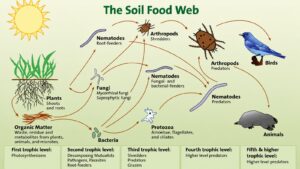
Together, they form the soil food web.
Each creature plays a distinct job.
1. Bacteria
When fresh organic matter decomposes, it transforms into essential nutrients crucial for plant growth. This process, driven by microorganisms like bacteria and fungi, breaks down complex compounds and releases vital elements such as nitrogen, phosphorus, and potassium into the soil. Additionally, it generates natural substances like humic acids that enhance soil structure and water retention.
These changes not only enrich the soil but also promote a favorable environment for root development, increasing the vitality and resilience of plants. Ultimately, the decomposition of organic matter is essential for maintaining soil fertility and supporting healthy ecosystems.
2. Fungi
Fungi thrive in the soil and are helpful in soil regeneration by extending intricate networks of long, thread-like structures known as hyphae. These remarkable fungal networks play several vital roles in the ecosystem:
- They enhance the transport of essential nutrients, allowing for more efficient absorption by plants.
- They bolster the soil’s ability to withstand drought conditions, promoting resilience in times of water scarcity.
- They contribute to the formation of stable soil aggregates, improving soil structure and health.
- They establish mycorrhizal partnerships with the roots of plants, facilitating a mutually beneficial relationship that supports plant growth and vitality.
As a result, many vegetables reap substantial benefits from these fungal associations, leading to improved health and productivity of fungal associations.
3. Earthworms
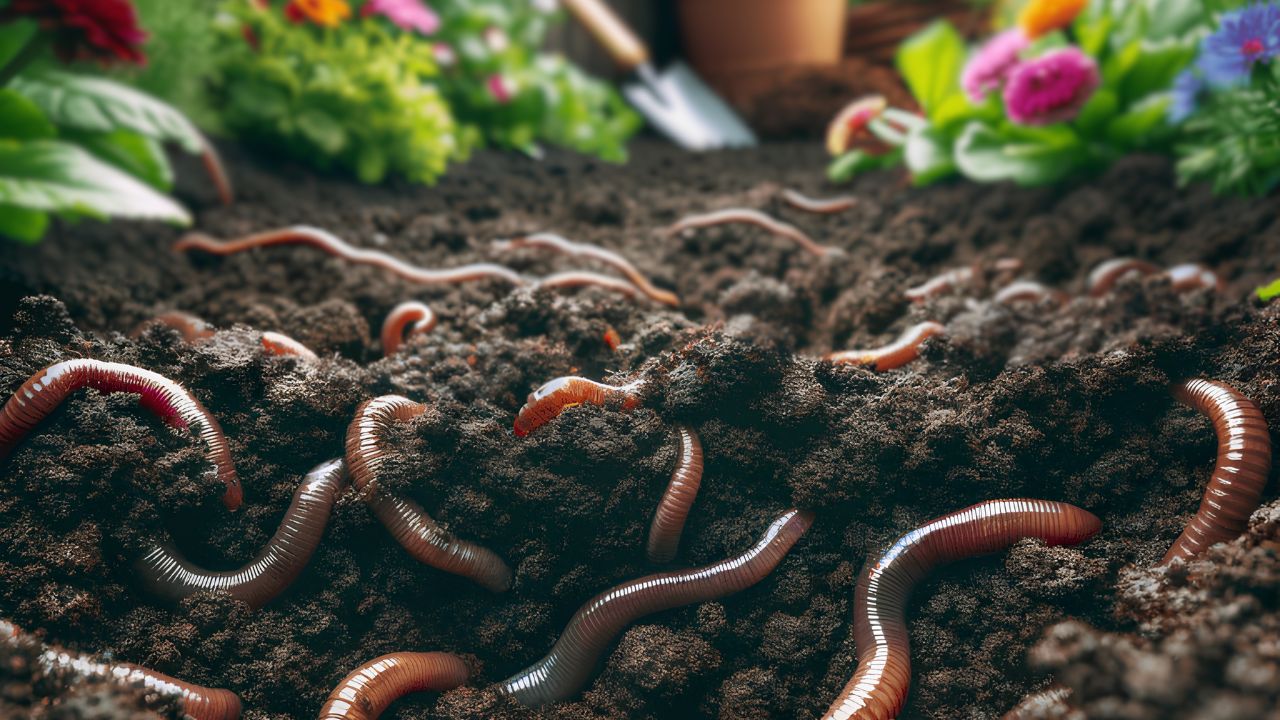
Earthworms function as natural soil engineers and are beneficial in soil regeneration.
Their activities:
- Mix organic matter
- Improve aeration
- Enhance drainage
- Produce nutrient-rich castings
- Increase microbial activity
Healthy regenerated soils usually contain abundant earthworm populations.
Building Organic Matter: The Foundation of Soil Regeneration
Organic matter is the engine that powers soil regeneration. Every percentage increase in soil organic matter dramatically improves the soil regeneration process and soil function.
Benefits include:
- Better water retention
- Improved nutrient storage
- Enhanced microbial diversity
- Reduced erosion
- Greater carbon sequestration
- Improved root growth
Excellent organic matter sources include:
- Finished compost
- Leaf mold
- Grass clippings
- Shredded leaves
- Aged manure
- Cover crop residues
- Wood chips used as mulch
Instead of removing plant debris after harvest, regenerative gardeners recycle it back into the soil whenever disease is absent.
Compost: Nature’s Soil Builder
In my blogs, I have already discussed the key role that compost remains one of the most effective soil regenerative tools available to home gardeners.
Properly made compost supplies:
- Organic carbon
- Beneficial microorganisms
- Stable humus
- Slow-release nutrients
- Improved soil structure
Unlike synthetic fertilizers that primarily provide nutrients, compost improves every aspect of soil health and makes the soil regeneration process more speedy and effective. Annual compost applications gradually increase biological activity while reducing dependence on commercial fertilizers. Even container gardens benefit from adding fresh compost each growing season.
Feeding the Soil Instead of Feeding Plants
Traditional gardening typically focuses on directly feeding plants. In contrast, regenerative gardening prioritizes feeding the soil organisms first. These microorganisms convert organic materials into forms that plants can naturally absorb. This process provides balanced nutrition throughout the growing season, rather than sudden spikes of nutrient availability. Additionally, healthy microbial populations produce vitamins, enzymes, antibiotics, and plant hormones that commercial fertilizers cannot supply.
Cover Crops in Small Urban Spaces
Many gardeners believe cover crops require large farms. In reality, even raised beds can benefit.
Popular cover crops include:
- Clover
- Winter rye
- Buckwheat
- Field peas
- Crimson clover
- Hairy vetch
- Oats
Cover crops provide multiple benefits:
- Prevent erosion
- Feed soil microbes
- Suppress weeds
- Reduce nutrient loss
- Improve soil structure
- Increase organic matter
Legume cover crops play a vital role in enriching the soil by hosting nitrogen-fixing bacteria, which naturally enhance soil fertility. For instance, even a modest raised bed filled with clover during the winter months can undergo significant transformation by spring, resulting in visibly healthier soil. This simple practice not only improves nutrient levels but also promotes a thriving ecosystem within the garden bed, setting the stage for robust plant growth in the following seasons.
Mulching: Protecting the Soil Surface
Nature seldom allows soil to lie bare, as it intricately weaves a tapestry of life and protection around it. Forest floors are perpetually shrouded in a rich layer of organic materials, such as fallen leaves, twigs, and decaying plant matter, creating a vibrant ecosystem. Similarly, mulch acts as a restorative veil, mimicking this natural covering and safeguarding the earth beneath it. It not only adds visual appeal but also helps retain moisture, suppress weeds, and enrich the soil over time to improve soil regeneration, ensuring a thriving environment for plants to flourish.
Organic mulches include:
- Straw
- Shredded leaves
- Pine needles
- Grass clippings
- Bark
- Wood chips
Scientific research shows mulching:
- Reduces evaporation
- Moderates soil temperature
- Prevents erosion
- Suppresses weeds
- Encourages earthworms
- Slowly adds organic matter
Healthy soil biology thrives under consistently moist conditions created by mulch.
Avoid Excessive Tilling
Frequent digging disrupts soil ecosystems. It is a major obstacle to the soil regeneration process.
Each tilling event:
- Breaks fungal networks
- Disturbs earthworm habitats
- Accelerates organic matter decomposition
- Increases carbon loss
- Damages soil aggregates
Reduced tillage helps stabilize biological communities in the soil. Rather than turning the soil deeply each season, regenerative gardeners typically loosen only the area where they will plant, leaving the surrounding soil undisturbed, which is very beneficial for soil regeneration throughout the year. No-dig gardening has gained popularity because it preserves soil biology and reduces labor.
Regenerating Soil in Containers
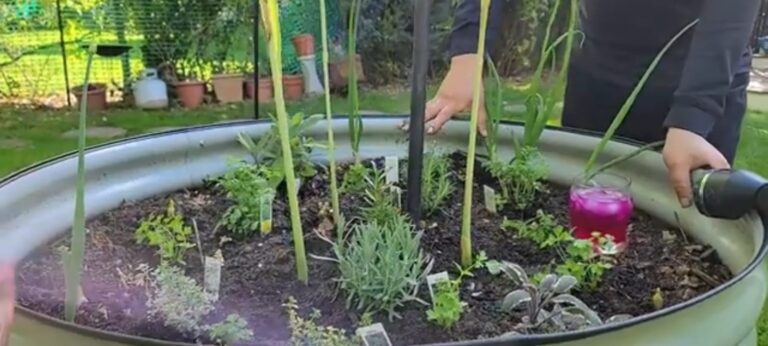
Urban gardeners frequently reuse potting mix. Instead of discarding exhausted growing media each year, it can often be regenerated.
A simple regeneration strategy includes:
- Removing old roots
- Mixing in fresh compost
- Adding worm castings
- Incorporating slow-release organic amendments
- Restoring microbial inoculants
- Checking drainage and structure
Avoid compacting container soil because it is extremely harmful to soil regeneration. Healthy potting mixes contain adequate air spaces for root respiration and microbial activity.
Earthworms: Silent Soil Engineers
Earthworms dramatically improve soil quality and help soil regeneration through continuous natural activity.
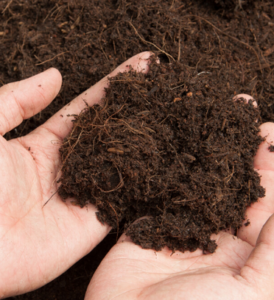
Their tunnels:
- Increase oxygen availability
- Improve drainage
- Enhance root penetration
- Reduce surface runoff
Their castings contain concentrated nutrients and beneficial microorganisms.
To encourage earthworms:
- Keep soil moist
- Add organic matter
- Avoid unnecessary pesticides
- Maintain mulch
- Reduce deep tilling
Urban gardens with thriving worm populations often produce noticeably healthier crops, and the reason is obviously a healthy and steady soil regeneration process.
Mycorrhizal Fungi: Nature’s Underground Internet
Mycorrhizal fungi are one of the most intriguing discoveries in soil regeneration science. These fungi spread tiny filaments far beyond the root zone and invade plant roots.
The result is dramatically increased access to:
- Water
- Phosphorus
- Zinc
- Copper
- Nitrogen
Plants provide sugars produced by photosynthesis in exchange. Over hundreds of millions of years, this mutually beneficial connection has developed. Mycorrhizal formation may be inhibited by frequent soil disturbance and excessive phosphorus fertilizer.
Water Management Supports Soil Life
Healthy soil microorganisms require both oxygen and moisture. Both dryness and waterlogging limit microbial activity, which creates an obstacle to soil regeneration.
Regenerative watering techniques include:
- Deep, infrequent irrigation
- Mulching
- Rainwater harvesting
- Drip irrigation
- Improving drainage where necessary
Healthy regenerated soil retains substantially more water than damaged soil, requiring less watering throughout the summer.
Biodiversity Above Ground Creates Biodiversity Below Ground
The variety of plants in an ecosystem plays a crucial role in fostering the richness of the soil. Different plant species generate a wide array of root exudates, which serve as vital nourishment for various microbial communities in the soil. This interplay of plant diversity and microbial life is essential for maintaining soil health. Therefore, urban gardeners should avoid planting the same crop in the same location year after year, as this practice can deplete soil nutrients and diminish microbial diversity, ultimately harming the garden’s overall vitality.
Instead, rotate among:
- Leafy vegetables
- Root crops
- Legumes
- Fruiting vegetables
- Herbs
- Flowers
Interplanting vegetables with blooming plants benefits pollinators and beneficial insects while increasing subsurface biodiversity.
Natural Nutrient Cycling
In thriving ecosystems, nutrients typically remain within the system, creating a continuous loop of nourishment and renewal. For instance, when leaves fall from trees, they do not simply disappear. Instead, a multitude of microbes spring into action, breaking down the organic matter and returning essential nutrients to the soil. As these nutrients are released, earthworms play a pivotal role by consuming the decomposed material and further enriching the soil with their nutrient-rich castings. Meanwhile, plants eagerly absorb these revitalized nutrients, facilitating their growth and sustaining life around them.
Urban gardeners can take inspiration from this natural cycle to enhance their own gardening practices. By thoughtfully reintroducing plant waste, creating compost, and using mulch whenever possible, they can mimic the nutrient recycling that occurs in nature. This practice of closing nutrient loops not only reduces reliance on synthetic fertilizers but also promotes a more sustainable gardening approach, fostering healthier soils and ecosystems in their communities.
Avoid Practices That Damage Soil Health
Many prevalent gardening practices can inadvertently hinder the natural process of soil regeneration.
These include:
- Overusing synthetic fertilizers
- Leaving soil bare
- Excessive digging
- Burning garden waste
- Overwatering
- Soil compaction from frequent foot traffic
- Routine pesticide applications that harm beneficial organisms
Transitioning away from traditional practices and embracing regenerative alternatives gradually rejuvenates and restores the delicate balance of biological ecosystems. This shift not only mitigates harm to the environment but actively promotes the recovery of diverse plant and animal life, fostering a more sustainable and harmonious relationship with nature.
Measuring Progress
Soil regeneration is gradual. Noticeable enhancements in the landscape typically begin to emerge after one or two growing seasons. However, the deeper, more profound ecological recovery unfolds gradually over a span of several years.
Indicators of improving soil include:
- Darker color
- Earthworm activity
- Better drainage
- Softer texture
- Increased water retention
- Vigorous plant growth
- Fewer disease problems
- Greater resilience during drought
Conducting laboratory soil testing at regular intervals, typically every few years, serves as an effective method for monitoring essential changes in soil composition. This process provides valuable insights into variations in organic matter content, nutrient levels, and pH balance, ensuring that the soil remains healthy and fertile over time. By analyzing these critical factors, landowners and farmers can make informed decisions to improve soil quality and optimize crop production.
Climate Benefits of Regenerative Urban Soils
Healthy soils hold tremendous quantities of carbon. Plants use photosynthesis to collect atmospheric carbon dioxide and transport some of it to their roots. Soil microbes transform a large portion of this carbon into stable organic matter, which helps to lower greenhouse gas concentrations while boosting soil fertility. Although individual urban gardens are modest, millions of regenerative gardens work together to reduce carbon emissions, conserve biodiversity, and enhance stormwater management.
Cities with rich healthy soils have lower runoff, improved groundwater recharge, lower local temperatures, and greener neighborhoods.
A Practical Soil Regeneration Plan for Urban Gardeners
If you’re starting with poor-quality soil, soil regeneration doesn’t happen overnight, but consistent care delivers remarkable results.
Follow this simple annual routine:
- Test your soil every few years to understand pH and nutrient status.
- Add 1–2 inches (2.5–5 cm) of finished compost each year.
- Keep the soil covered with organic mulch year-round.
- Avoid unnecessary digging or rototilling.
- Rotate crops to promote microbial diversity.
- Grow cover crops whenever beds would otherwise remain empty.
- Recycle healthy garden residues back into the soil.
- Water deeply and avoid prolonged waterlogging.
- Encourage earthworms by maintaining organic matter.
- Be patient—soil biology improves steadily with each season.
These practices work together, creating a self-reinforcing cycle in which healthier soil supports healthier plants, and healthier plants feed the soil with more organic material.
Conclusion
Soil regeneration is more than just an eco-friendly gardening trend; it is a scientifically proven method for restoring the living basis of any successful garden. Depending on rapid chemical solutions, regenerative gardening restores the biological mechanisms that naturally support plant development.
For urban gardeners working with compacted soil, raised beds, or containers, regenerative approaches provide a viable road to long-term success. Compost, mulch, cover crops, decreased tillage, diversified planting, and intelligent water management all help to create better soil that is richer and more robust over time.
The perks go beyond greater yields. Regenerated soils preserve water, decrease waste, provide habitat for pollinators and beneficial creatures, trap atmospheric carbon, and contribute to the sustainability of urban ecosystems. Most crucially, they cultivate gardens that grow stronger with each season rather than becoming more reliant on external inputs.
When you invest in soil regeneration, you are not only enhancing the next crop; you are also creating a living ecosystem that will sustain robust plants, vibrant biodiversity, and fruitful gardens for many years to come. Healthy soil is certainly the cornerstone of every successful urban garden, and each handful of regenerated earth represents a step toward a greener, more resilient future.
Disclaimer
The content provided on this website is purely for educational purposes. We are neither nutritionists nor do we intend to mislead our readers by providing any medical or scientific information.