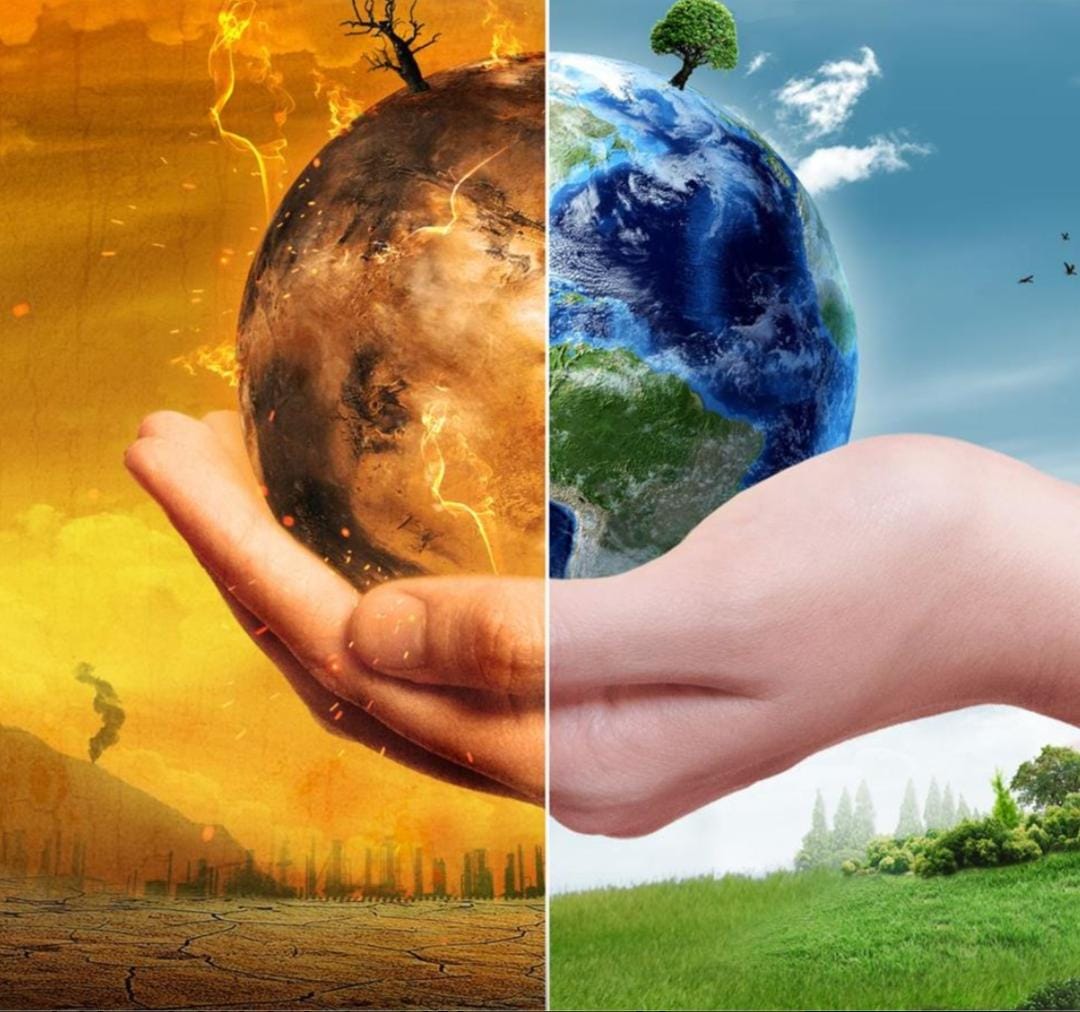
Extreme Weather & Global Warming: 3 Massive Impacts
Introduction
Global warming was frequently characterized as a problem for coming generations not so long ago. It is now influencing our surroundings in real time. Long-standing temperature records are being broken by heat waves, storms are becoming more destructive, wildfires are lasting longer seasons, and floods are happening in previously uncommon locations. These occurrences are no longer individual occurrences; rather, they are a part of an expanding trend that researchers have been tracking for many years.
One of the scientific subjects that has been explored the most in history is global warming. The same conclusion has been reached by thousands of climate experts worldwide: human activity is the primary driver of Earth’s warming. Numerous extreme weather events are becoming more frequent and intense as a result of this warming.
Making decisions that lower risks and safeguard future generations is made easier for people, communities, corporations, and governments when they are aware of how these changes take place.
Weather and Climate: Understanding the Difference
Although the phrases “weather” and “climate” are sometimes used synonymously, they refer to distinct ideas.
- Weather: The atmospheric conditions at a specific location and time are referred to as the weather. It encompasses daily fluctuations in wind, storms, humidity, rainfall, and temperature. Weather might include snowfall tomorrow or a thunderstorm today.
- Climate: Contrarily, climate refers to the typical weather patterns seen over many years. To find long-term patterns in climate, scientists often need meteorological data spanning at least 30 years.
Consider the climate as your personality throughout many years, and the weather as your current mood. Global warming is not refuted by a single chilly winter or snowy season. Similarly, a single abnormally hot summer does not prove it. To determine climate trends, scientists rely on decades of meticulously gathered data from satellites, weather stations, ocean buoys, ice cores, and other monitoring systems. The average temperature of Earth has steadily risen since the Industrial Revolution, according to those statistics.
The Science Behind Global Warming
The greenhouse effect is a natural phenomenon that keeps the Earth warm. Certain gases in the atmosphere capture some of the sun’s outgoing heat, preventing it from escaping straight to space. Without this natural greenhouse effect, the average temperature on Earth would be around -18°C (0°F) rather than 59°F (15°C), rendering life as we know it impossible. The issue isn’t the greenhouse effect itself, but the rapid growth of greenhouse gases induced by human activities.
The most important greenhouse gases include:
- Carbon dioxide (CO₂)
- Methane (CH₄)
- Nitrous oxide (N₂O)
- Water vapor (which acts mainly as a feedback rather than the primary driver)
Since the late 1700s, humans have dramatically increased atmospheric concentrations of these gases by:
- Burning coal, oil, and natural gas
- Clearing forests
- Expanding industrial production
- Producing cement
- Raising large numbers of livestock
- Intensive agriculture
- Waste decomposition in landfills
Carbon dioxide remains especially important because it stays in the atmosphere for hundreds of years. Every year of continued emissions adds to the warming already taking place.
Evidence That the Planet Is Warming
Climate science is supported by a vast quantity of information obtained independently by researchers all around the world.
Some of the clearest clues are:
1. Rising global temperatures
Instrumental records dating back to the late 1800s suggest that global average surface temperatures have risen by around 2.2°F (1.2°C) from pre-industrial levels. Although this rise may look insignificant, even minor changes in average global temperature have major consequences for weather systems, seas, and ecosystems.
2. Warming Oceans
More than 90% of the excess heat trapped by greenhouse gases has been absorbed by the oceans.
Warmer oceans influence:
- Hurricane intensity
- Marine ecosystems
- Coral reefs
- Fish migration
- Sea level rise
Ocean warming also reduces oxygen levels in some marine environments, placing additional stress on aquatic life.
3. Melting Ice
Across the globe, glaciers are shrinking at an alarming rate. The Arctic’s sea ice is not only thinning but also diminishing in size, leading to stark transformations in this once-icy landscape. Meanwhile, both Greenland and Antarctica are undergoing significant ice loss, with vast quantities melting away each year, contributing to the precarious balance of our planet’s climate. This rapid melting is causing sea levels to rise, posing serious risks to coastal communities and ecosystems worldwide.
4. Rising Sea Levels
Since 1900, sea levels have increased by more than 8 inches (20 cm).
Two main mechanisms are responsible for the rise:
The vast ice sheets and towering glaciers are gradually succumbing to rising temperatures, a phenomenon that signals a deeper shift in our climate. As warmer water occupies more space due to thermal expansion, the impact becomes increasingly pronounced. This results in more intense storm surges and devastating coastal floods, which are exacerbated by the relentless rise in sea levels. The consequences of these changes threaten coastal communities and ecosystems, highlighting the urgent need for action as our planet warms.
Why Global Warming Creates More Extreme Weather
One of the most common misconceptions is that global warming simply means warmer temperatures. In reality, a warmer atmosphere contains more energy. That additional energy disrupts atmospheric circulation, moisture distribution, and ocean temperatures, making many weather events more extreme. Scientists often describe climate change as “loading the dice.” Extreme events have always occurred naturally, but climate change increases their probability.
Heat Waves: The Most Direct Consequence
Heat waves are among the strongest scientific fingerprints of climate change. As average temperatures rise, record-breaking heat becomes increasingly common.
Modern heat waves:
- occur more frequently
- last longer
- cover larger geographic areas
- become more intense
These events affect almost every aspect of society.
Public health suffers through:
- heat stroke
- dehydration
- cardiovascular stress
- respiratory illness
Older adults, children, outdoor workers, and people with chronic illnesses face the greatest risks due to global warming. Agriculture also experiences significant impacts. Excessive heat reduces pollination, lowers crop yields, decreases livestock productivity, and increases irrigation demands. Electricity demand rises sharply as air conditioning use increases, placing additional pressure on power grids.
Heavy Rainfall and Flooding Due to Global Warming
A warmer atmosphere can hold approximately 7% more water vapor for every 1°C increase in temperature. When storms develop, this additional moisture often falls as heavier rainfall. Scientists have documented increasing heavy precipitation events across many regions of North America.
The consequences include:
- flash floods
- overflowing rivers
- urban flooding
- landslides
- sewage overflows
- infrastructure damage
Cities are particularly vulnerable because paved surfaces prevent rainfall from soaking into the ground. Instead, water rapidly flows into streets and drainage systems that may become overwhelmed.
Stronger Hurricanes and Tropical Storms
Climate change does not necessarily produce more hurricanes every year. However, research indicates that a greater percentage of storms are reaching the strongest categories. Warmer ocean temperatures provide additional energy that fuels these powerful systems.
Modern hurricanes often produce:
- stronger winds
- heavier rainfall
- larger storm surges
- slower movement after landfall
Slow-moving storms can dump enormous amounts of rainfall over a single region, greatly increasing flood damage. Meanwhile, rising sea levels allow storm surges to travel farther inland, threatening communities that previously remained relatively safe.
Droughts and Global Warming

Some areas are getting more rainfall, while others are getting drier. One of the key features of climate change is this seeming paradox. Wet regions frequently get wetter due to global warming’s intensification of the water cycle, while dry parts may experience longer and more severe droughts.
Soil, rivers, lakes, and reservoirs all evaporate more when temperatures rise. Additionally, plants lose more water through transpiration, which puts more strain on natural vegetation and crops. Faster evaporation can make soils far drier than they were decades before, even if yearly rainfall stays essentially same.
Long-term droughts have grown increasingly common and severe throughout western North America. During the warmest months of the year, water resources are limited due to less mountain snowpack, earlier spring snowmelt, and falling river flows. Reservoirs that provide water for millions of people, agricultural irrigation, and hydroelectric power have had historically low water levels.
Drought impacts more than just drinking water. It diminishes crop productivity, endangers cattle, decreases hydropower generation, harms ecosystems, and raises the risk of wildfires. Long-term droughts may also bring economic hardship in rural areas and raise food prices internationally. Scientists are continuing to improve drought predictions using satellite observations, soil moisture monitoring, and climate models, allowing governments and farmers to plan more effectively.
Wildfires: A Growing Climate Challenge by Global Warming
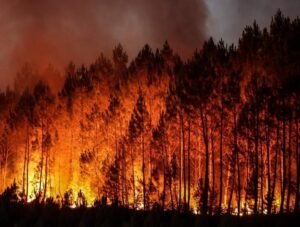
Wildfires are a natural element of many ecosystems, helping to recycle nutrients and keep forests healthy. However, climate change is changing the conditions under which fires occur.
Hotter temperatures, longer drought, early snowmelt, and reduced humidity result in landscapes with dry vegetation that burns more easily. In many places of North America, the wildfire season has begun earlier and lasted longer than it did few decades ago.
It is critical to recognize that climate change does not directly cause fires. Human activity, lightning strikes, and equipment failures are still common ignition sources. Climate change creates circumstances that allow minor fires to quickly develop into larger, more devastating catastrophes.
Large wildfires emit massive amounts of smoke including fine particulate matter (PM2.5), carbon monoxide, and other contaminants. These particles can travel hundreds or even thousands of miles, lowering air quality far from the fire. Smoke inhalation has been related to asthma attacks, heart problems, respiratory infections, and an increase in hospital admissions.
Wildfires due to global warming also destroy houses, wildlife habitat, infrastructure, and recreational places while releasing stored carbon back into the atmosphere, resulting in a feedback cycle that contributes to further warming.
Agriculture Faces an Increasingly Unpredictable Future
Agriculture relies on reasonably steady weather patterns. Farmers confront more uncertainty as these trends become less predictable. High temperatures caused by global warming during flowering can diminish agricultural yields in maize, wheat, soybeans, and many fruit crops. Drought reduces the amount of water available for irrigation, but heavy rainfall can cause planting delays, soil erosion, and plant diseases.
Temperature fluctuations have an impact on insect populations as well. Some agricultural pests survive winters that once kept their populations under control. Longer growing seasons may allow several generations of some insects to emerge each year, resulting in more agricultural damage. Pollinators, such as bees and butterflies, may also be affected when blooming dates change or habitats are altered due to changing weather conditions.
Livestock are also harmed. Heat stress diminishes milk supply, slows weight development, lowers fertility, and raises the demand for water and shade. Thankfully, agriculture is also adjusting. Farmers are implementing drought-tolerant crop varieties, precision irrigation systems, cover cropping, conservation tillage, and climate-smart farming methods to increase resilience and reduce greenhouse gas emissions.
Biodiversity Under Pressure
Climate change or global warming impacts almost every ecosystem on Earth.
As temperatures rise, many plant and animal species migrate to colder climates or higher elevations. Unfortunately, not all species can migrate rapidly enough, especially when urbanization, highways, and agricultural development split natural habitats. One of the most obvious instances is coral bleaching. Corals exist in tandem with tiny algae, which provide much of their energy. Corals eject these algae during extended maritime heat waves, turning the reefs white. Repeated bleaching episodes impair reef development, biodiversity, and fisheries that feed millions of people.
Polar bears, seals, walruses, and other marine animals that rely on ice-covered habitats are all affected by declining sea ice in the Arctic.Bird migration patterns are also shifting. Some species come earlier in the spring, but others struggle to time breeding with peak food availability. Healthy ecosystems provide vital services such as pollination, clean water, rich soils, carbon storage, and natural flood protection. Protecting biodiversity benefits both wildlife and human societies.
Human Health in a Warming World
Climate change is rapidly being regarded as one of the century’s most serious public health problems. Heat waves remain the most deadly weather-related danger in many regions. High temperatures tax the cardiovascular system and can cause dehydration, heat exhaustion, and heat stroke. Poor air quality is an increasing problem. Hot weather promotes the production of ground-level ozone, a pollutant that irritates the lungs and exacerbates asthma. Smoke from wildfires exacerbates these health hazards, especially for children, the elderly, and persons with chronic respiratory diseases.
Climate change or global warming may potentially extend the distribution of disease-carrying insects like mosquitoes and ticks. Warmer temperatures can extend mating seasons and allow certain species to live in areas previously too cold. Mental health is another crucial but frequently ignored impact. Communities hit by many floods, hurricanes, droughts, or wildfires commonly endure anxiety, despair, and post-traumatic stress long after physical recovery has begun.
Building climate-resilient healthcare systems, extending early warning programs, and educating the public about heat safety are all becoming more significant parts of public health planning.
The Economic Cost of Extreme Weather and Global Warming
Extreme weather affects every sector of the economy. Floods damage roads, bridges, railways, airports, and water treatment facilities. Hurricanes disrupt shipping, tourism, and energy production. Wildfires destroy timber resources, homes, and businesses. Drought reduces agricultural productivity and increases irrigation costs. Insurance companies are paying record amounts for weather-related disasters, leading to rising premiums in many regions. Some high-risk areas are becoming increasingly difficult or expensive to insure.
Businesses often experience supply chain disruptions when transportation networks are destroyed or industrial facilities are temporarily closed due to extreme weather. Economists repeatedly find that investing in climate resilience costs significantly less than rebuilding after a calamity. Stronger construction rules, enhanced drainage systems, wildfire-resistant neighborhoods, and contemporary flood protection all save lives and lower long-term expenses.
Climate Change Mitigation: Addressing the Root Cause
Mitigation refers to activities taken to reduce greenhouse gas emissions or remove carbon dioxide from the environment. The move to renewable energy is one of the most important mitigating options. Solar panels, wind turbines, hydroelectric power, and geothermal energy produce electricity that emits significantly fewer greenhouse gases than fossil fuels.
Improving energy efficiency also plays an important role. Better insulation, more efficient appliances, LED lighting, and cutting-edge industrial technology all help to minimize energy use while maintaining comfort and productivity.
Protecting woods is just as vital. Trees absorb CO2 during photosynthesis, making forests one of the world’s greatest natural carbon sinks. Preventing deforestation and rehabilitating damaged forests helps to limit the buildup of greenhouse gases.
Reducing methane emissions from landfills, agriculture, and the oil and gas sector provides an additional opportunity since methane has a significantly larger warming effect than carbon dioxide over shorter time periods. If applied globally, these methods have the potential to considerably reduce future warming.
Adaptation: Preparing for the Climate We Already Have
Even if greenhouse gas production ended today, some extra global warming would occur as a result of previous emissions. Adaptation is therefore needed. Communities are fortifying their infrastructure by enhancing flood defenses, elevating buildings in susceptible coastal locations, and engineering highways and bridges to withstand increasingly severe weather.
Cities are planting more trees and increasing green areas to combat urban heat island impacts. Green roofs, rain gardens, and permeable pavements absorb rainwater while decreasing temperatures. Farmers are planting drought-tolerant crops, increasing irrigation efficiency, and using soil conservation methods to boost water retention.
Advanced weather forecasting and early warning technologies enable emergency management to plan for storms, tornadoes, floods, and heat waves before they occur, potentially saving countless lives. Adaptation does not replace mitigation; rather, it complements it. The most resilient future requires both methods to collaborate.
What Individuals Can Do to Avoid Global Warming
Although governments and industries play major roles, individual actions also contribute to meaningful change.
You can help by:
- Conserving electricity at home.
- Using energy-efficient appliances and LED lighting.
- Driving less by walking, cycling, carpooling, or using public transportation when possible.
- Supporting renewable energy programs.
- Reducing food waste through better meal planning.
- Recycling and composting appropriately.
- Planting native trees and supporting biodiversity in home gardens.
- Conserving water during drought conditions.
- Staying informed and supporting science-based climate policies.
Collective action from millions of individuals creates significant environmental benefits while encouraging broader societal change.
Looking Ahead: A Future Still Within Our Control
Climate change or global warming is one of humanity’s most serious issues, yet it is not insoluble. Scientific study has significantly enhanced our understanding of the causes, effects, and remedies. Every fraction of a degree of warming prevented lowers the likelihood of heat waves, flooding, droughts, ecological loss, and economic harm.
Today’s decisions, whether undertaken by governments, organizations, communities, or people, will have an impact on future generations’ climate. Continued investment in clean energy, sustainable agriculture, resilient infrastructure, and ecosystem protection can lead to healthier communities and lower long-term expenses.
Extreme weather will continue to be a feature of the Earth’s natural climate system, although many of these occurrences are becoming more frequent and intense due to human-caused global warming. Recognizing this relationship is the first step towards creating a more resilient and sustainable future.
Conclusion
The scientific data is overwhelming: global warming is changing the world’s weather patterns. Rising greenhouse gas concentrations have warmed the atmosphere and seas, accelerated the water cycle, and exacerbated numerous severe weather occurrences, such as heat waves, heavy rains, droughts, wildfires, and violent storms. While no single storm or wildfire can be attributed completely to global warming, decades of studies demonstrate that a warmer environment increases the likelihood and severity of such catastrophes.
Addressing this issue demands a balanced strategy that incorporates emission reductions and effective adaptation solutions. Society may mitigate future hazards by adopting renewable energy, maintaining natural ecosystems, enhancing infrastructure, and promoting science-based decision-making. The environment is changing, but the future is still being written—and educated action now will decide how resilient tomorrow’s world is.
Disclaimer
The content provided on this website is purely for educational purposes. We are neither nutritionists nor do we intend to mislead our readers by providing any medical or scientific information.