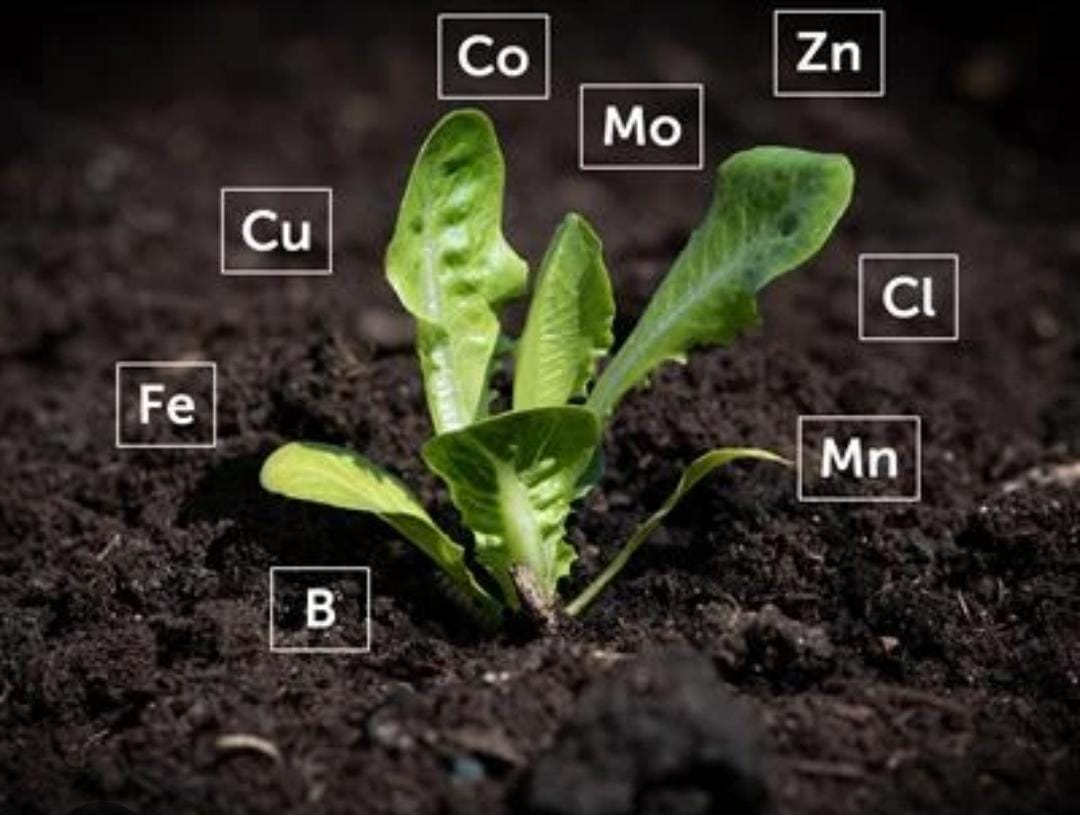
Micronutrients: 8 Essential Types For Plants
Introduction
Micronutrients are required in much smaller amounts than macronutrients, but “needed in small quantities” does not imply “unimportant.” Micronutrients are involved in enzyme reactions, photosynthesis, nitrogen metabolism, cell wall production, hormone control, electron transport, and a variety of other activities required for plant survival. Boron, chlorine, copper, iron, manganese, molybdenum, nickel, and zinc are all considered critical micronutrients in modern plant nutrition. Some plants benefit from or require elements such as silicon, cobalt, sodium, and vanadium under certain conditions, however, these are not universally required for all higher plants.
A plant can have enough sunshine, water, nitrogen, phosphorus, and potassium yet still fail to develop. Leaves may turn pale, new growth may get deformed, blooming may be reduced, or fruits may develop improperly. Surprisingly, the missing element may be required in such small quantities that it scarcely registers on a fertilizer label. They are micronutrients.
For home gardeners, the most crucial lesson is:
A plant does not require a large amount of a micronutrient—only the correct amount, in the right chemical form, at the right time.
And now is when things become interesting, so today we will discuss the types of micronutrients; their quantities must be small, but understanding the value and amount can make a huge difference in how we manage soil, diagnose plant problems, and grow healthier gardens.
What Exactly Are Micronutrients?
17 elements are deemed to be necessary for plants to complete their life cycle. The majority of plant dry matter is composed of carbon, hydrogen, and oxygen, which are mostly found in air and water. The growth medium provides the majority of the remaining vital mineral nutrients.
Typically, the mineral nutrients are separated into:
- Primary macronutrients: nitrogen, phosphorus, potassium
- Secondary macronutrients: calcium, magnesium, sulfur
- Micronutrients: iron, manganese, zinc, copper, boron, molybdenum, chlorine, and nickel
The categorization is mostly based on amount required, rather than importance.
Consider a plant as a sophisticated manufacturing. Nitrogen, phosphorus, and potassium may be required in significant quantities to build tissues and regulate important processes. In contrast, micronutrients frequently function as specialized tools, switches, catalysts, or components of molecular machinery. A small amount can therefore have a disproportionately huge impact.
Iron, for example, is only needed in trace amounts but is essential for electron-transfer events in photosynthesis and other metabolic activities. Molybdenum is required in trace amounts; however, it is a component of enzymes involved in nitrogen metabolism. This is why determining the amount of a nutrient in the soil is not always sufficient to determine a nutrient shortage. The availability is more important than the overall quantity sitting in the soil.
The Eight Essential Micronutrients
Let’s look at each micronutrient separately because they have quite diverse functions.
1. Iron: The Electron-Transfer Specialist
Iron, or Fe, is a key micronutrient in plant metabolism.
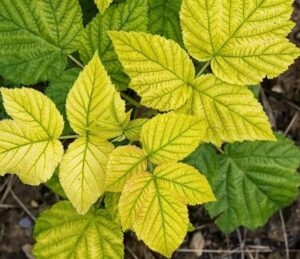
It takes part in electron-transfer systems and is linked to proteins involved in photosynthesis, respiration, and other metabolic processes. Although iron is not a structural component of chlorophyll, it is necessary for the plant to grow and sustain the photosynthetic machinery that produces chlorophyll. Interveinal chlorosis is a typical symptom of iron insufficiency, in which young leaves become yellow while the veins stay comparatively green.
Why does the issue usually manifest in young leaves first?
Iron is largely immobile inside plants. When the roots do not provide enough accessible iron, older tissues struggle to transport adequate iron to emerging leaves. Iron shortage is especially frequent in high-pH soils, where iron can become chemically inaccessible despite the soil’s high total iron content.
This brings us to one of the most fundamental topics in plant nutrition:
A soil might contain an element yet not provide enough of it to the plant.
2. Manganese: The Photosynthesis Helper
Manganese (Mn) is necessary for numerous enzyme systems, including photosynthesis. One of its most well-known roles is related to the oxygen-evolving complex of photosystem II, which splits water during photosynthesis. Manganese also participates in antioxidant defense and enzyme activation. A manganese shortage can cause chlorosis and mottling, although symptoms differ greatly between plant species.
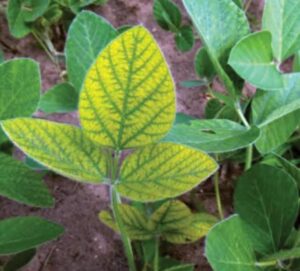
Manganese availability is heavily controlled by soil chemistry. In general, raising soil pH reduces manganese availability, but acidic circumstances might increase it—potentially increasing the danger of excessive absorption. That makes manganese a perfect illustration of why adding more fertilizer is not always the answer.
Sometimes the issue is not the amount of manganese available, but whether the soil chemistry permits the roots to safely access it.
3. Zinc: Small Quantity, Huge Biochemical Influence
Zinc (Zn) is essential in trace amounts and plays several critical roles in metabolism. It interacts with various enzymes and aids in protein synthesis, maintains membrane integrity, and regulates plant growth. Additionally, zinc is utilized in processes involving plant growth regulators.
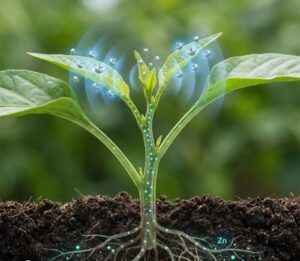
Zinc deficiency can result in:
- Shortened internodes
- Small leaves
- Reduced growth
- Abnormal leaf development
- Reduced yield
Because these symptoms overlap with other dietary and environmental issues, visual diagnosis alone may be insufficient. In some cases, high soil phosphorus can complicate zinc feeding, while soil pH, organic matter, texture, and moisture all have an impact on its availability. So, if a plant appears particularly compact or has smaller leaves than expected, don’t think it just needs more nitrogen.
4. Copper: A Microscopic Component of Major Reactions
Copper (Cu) is a micronutrient required in small amounts. It plays a role in electron-transfer proteins and enzymes, as well as photosynthesis, respiration, antioxidant defense, and lignin formation. Copper is linked to both metabolic activity and the development of stronger plant tissues.
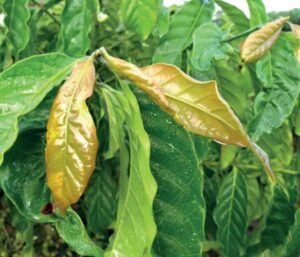
Deficiency can cause:
- Young leaves becoming distorted
- Dieback of shoot tips
- Reduced reproductive growth
- Weak or abnormal stems
- Poor overall development
Copper availability is regulated by soil pH and organic matter. Sandy soils with low nitrogen retention capacity may also be more prone to micronutrient loss. However, copper is a prime example of why micronutrients should be handled with prudence. The gap between enough and too much may be more less than gardeners realize.
Excess copper can damage roots and other biological processes. Copper should not be utilized just because it is an essential nutrient.
5. Boron: The Cell-Wall and Growing-Point Nutrient
Boron (B) is especially fascinating since plants require extremely little amounts of it, but its role is strongly linked to cell wall formation, membrane function, reproductive development, and developing tissues. Boron is very vital in actively developing tissues.
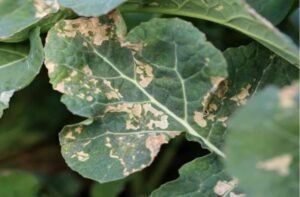
A deficiency can cause:
- Death of growing points
- Distorted young leaves
- Poor root development
- Poor flowering
- Reduced fruit or seed development
- Internal abnormalities in some crops
Boron is particularly remarkable in that the gap between deficit and toxicity may be rather tiny for some plants. That implies that the normal gardening impulse of “a little extra won’t hurt” might be problematic when dealing with boron. It is far preferable to ascertain whether boron is genuinely lacking before using it.
6. Molybdenum: The Nitrogen Connection
If you have ever thought that nitrogen feeding was as simple as applying nitrogen fertilizer, molybdenum (Mo) offers a crucial corrective. Molybdenum is found in enzymes that regulate nitrogen metabolism, such as nitrate reductase. It is also required for biological nitrogen fixation since the nitrogenase enzyme complex employed by nitrogen-fixing bacteria contains molybdenum in many systems.
This implies that even if a plant has nitrogen, it may struggle with nitrogen metabolism if it lacks molybdenum. Molybdenum insufficiency can mimic nitrogen deficit because nitrogen use is inhibited. Interestingly, molybdenum availability tends to increase when soil pH rises, which distinguishes it from numerous other micronutrients.
This is another reminder that soil pH does not only decide whether a soil is “good” or “bad.” It determines chemical availability.
7. Chlorine: Much More Than a Swimming-Pool Chemical
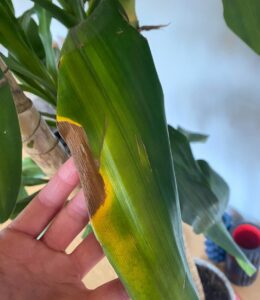
When gardeners hear the word “chlorine,” they may automatically think of purified tap water. However, chloride (Cl⁻) is a necessary plant nutrient. Chloride is involved in osmotic regulation, ionic balance, and photosynthetic processes, particularly the proper functioning of photosystem II. Plants typically require tiny amounts of chloride in comparison to other nutrients, but chloride shortage is unusual in many gardens since chloride enters soils naturally via rainfall, irrigation water, fertilizers, and other sources.
This is an essential distinction. Chlorine and chloride are not interchangeable. The plant absorbs chloride ions (Cl⁻), but elemental chlorine gas (Cl₂) is a separate chemical compound. A chlorine shortage is seldom the first nutritional issue a gardener should consider in everyday gardening.
8. Nickel: The Micronutrient Many Gardeners Forget
In comparison to the conventional primary nutrients, nickel (Ni) has only lately been identified as an important plant nutrient. Its most well-known vital role is as a component of urease, an enzyme that enables plants to efficiently digest urea-derived nitrogen. Nickel is required in very tiny quantities.
That is why most gardeners will never need to intentionally add nickel to their gardens. If the soil already contains enough nickel, extra treatment is unnecessary and might lead to an undesired buildup. Nickel exemplifies an essential aspect of micronutrient nutrition.
“Essential” does not imply “apply regularly.”
Micronutrients Versus Trace Elements: Are They the Same Thing?
The terms are frequently used interchangeably; however, they are not necessarily equivalent. The term “micronutrient” refers to a vital plant nutrient that is required in tiny amounts. The term “trace element” is wider and can apply to elements present in extremely low quantities in animals or environmental systems. Some trace elements can be useful to specific plants without being necessary. For example, while silicon is absorbed by many plants and can increase structural strength and stress tolerance in specific species, it is not regarded as necessary for all higher plants in the same way that iron or zinc are.
Similarly, elements like cobalt and sodium play vital functions in specific plants or biological processes, but they are not required by all higher plants. So, while considering garden nutrition, it is helpful to distinguish:
- Plants require essential micronutrients to complete their life cycles
- Beneficial elements can enhance growth, stress tolerance, and other plant properties, but are not always necessary
Why Micronutrients Become Unavailable
This is where soil science becomes more fascinating. A nutrient may be present in the soil but unavailable to plant roots. Various factors influence this availability.
1. Soil pH
The pH of the soil has a significant impact on micronutrient composition. Iron, manganese, zinc, and copper are often less abundant as soils grow more alkaline. Molybdenum reacts differently, becoming more accessible as pH increases. This is why adjusting soil pH may occasionally alleviate a micronutrient problem without actually introducing the nutrient.
2. Organic Matter
Organic matter can affect micronutrient availability through a variety of methods. Organic compounds decompose and release nutrients, whereas organic molecules can bind metals and impact their availability in soil solutions. This doesn’t imply that “more compost automatically fixes micronutrients.”
Compost is useful for a variety of purposes, including increasing soil structure, water retention, and biological activity; however, its nutritional makeup varies greatly.
3. Soil Texture
Sandy soils often have a lesser nutrient-holding capacity than fine-textured soils. Heavy rainfall or irrigation might cause soluble nutrients to flow downward beyond the active root zone. Clay and organic debris can bind some micronutrients more tightly; however, this can sometimes restrict rapid availability. As a result, the same micronutrient treatment might have quite different effects in sandy and clay-rich soil.
4. Moisture and Drainage
Waterlogged soil alters oxygen availability and soil chemistry. This can affect the chemical form and availability of various micronutrients, most notably iron and manganese. That is, even if the soil has appropriate levels of the element, a plant growing in poorly drained soil may display symptoms similar to a nutritional shortage. The root environment itself might be the problem.
Why Too Much Can Be Worse Than Too Little
Macronutrients are typically required in rather big amounts, therefore gardeners frequently grow accustomed to thinking:
- More fertilizer means more growth
- Micronutrients do not operate that way
Most have a somewhat restricted optimum range. A plant can go from deficit to sufficient nutrition, and then to toxicity as concentration grows. Plant micronutrient research stresses this restricted range, especially for certain metal micronutrients.
Excess micronutrients may interfere with:
- Root development
- Enzyme activity
- Uptake of other nutrients
- Cellular metabolism
- Photosynthesis
- Overall plant growth
For example, high quantities of one metal might compete with another during absorption and disturb biochemical processes. As a result, micronutrients should be viewed as precise ingredients rather than “plant food”.
Why Deficiency Symptoms Can Be Misleading
This is when detecting micronutrient issues gets challenging. Yellow leaves may not necessarily indicate iron insufficiency. Poor growth does not necessarily indicate a zinc shortage. Weak blooming does not always indicate a boron shortage.
The same visible symptom can result from:
- Nutrient deficiency
- Nutrient toxicity
- Incorrect soil pH
- Root damage
- Water stress
- Poor drainage
- Temperature stress
- Disease
- Herbicide injury
- Pest damage
- Root-zone compaction
Even actual nutritional shortages might cause varying symptoms depending on the crop. That is why visual diagnosis should be regarded as a tip rather than evidence.
Young Leaves or Old Leaves? A Useful Diagnostic Clue
One beneficial principle is nutrient mobility inside the plant.
When resources become scarce, highly mobile nutrients are frequently transferred from older leaves to younger development. As a result, mobile nutrient deficits are most common in older foliage. Less transportable nutrients cannot be dispersed as efficiently; hence, deficiency symptoms are frequently seen in immature leaves or growth points.
This is especially beneficial for investigating possible vitamin deficits. For example, iron shortage often affects younger leaves, but manganese, zinc, boron, copper, and other nutrient symptom patterns vary depending on plant species and severity. However, do not rely just on leaf position to make a diagnosis. It’s one piece of the puzzle.
How Soil pH Can Create a “Hidden” Micronutrient Deficiency
Consider two gardens.
Both have plenty of iron. Garden A’s soil chemistry maintains adequate iron available for roots. Garden B has a high-pH soil, and most of the iron is transformed into forms that roots cannot readily reach. A soil test might reveal significant total iron in both plots. However, the plants in Garden B may exhibit iron shortage symptoms.
This is known as nutrient availability, and it is one of the most fundamental ideas in plant nutrition. Plants do not devour dirt. They take nutrients in particular chemical forms from the soil solution or via root-associated activities. According to Texas A&M AgriLife Extension, just because an element is available in the soil does not mean that the plant can absorb the right chemical form.
Should Home Gardeners Add Micronutrient Fertilizer?
Usually not automatically! A balanced fertilizer may already include micronutrients, and many garden soils contain sufficient amounts naturally. The best way is to establish whether there is a shortfall. A soil test is frequently the most beneficial starting point, especially when plants exhibit unexpected difficulties. In problematic circumstances, plant tissue testing might give extra information by analyzing nutrient contents in plant material.
Instead of depending just on symptoms, research and extension guidelines suggest integrating soil knowledge, plant symptoms, crop needs, and—when necessary—tissue analysis.
What About Foliar Micronutrient Sprays?
Foliar feeding may occasionally provide micronutrients straight to leaves, which can be beneficial in some instances. However, it is not a universally applicable solution for repairing the root environment. Foliar treatment may be especially appealing when soil chemistry makes a nutrient difficult to get throughout roots.
However, focus is important. If a solution powerful enough to repair a deficit is used inappropriately, it might harm the leaves. Always adhere to the product’s specified dilution and application directions.
Chelated Micronutrients: What Does “Chelated” Mean?
You may have seen fertilizers labeled with phrases like chelated iron or chelated micronutrients. A chelating agent attaches to a metal ion, keeping it soluble and accessible in particular soil conditions. This is especially beneficial for micronutrients like iron, zinc, manganese, and copper. Chelation does not miraculously make a nutrient accessible under all conditions. The efficacy varies depending on the chelating chemical, soil pH, application technique, and plant.
However, it shows a crucial point:
The chemical form of a nutrient is almost as important as the quantity.
Micronutrients and Sustainable Gardening
There’s also a lesson on sustainability here. Applying fertilizers “just in case” is not always prudent gardening. Unnecessary fertilizer applications can waste money and lead to nutrient buildup or environmental degradation.
A more sustainable approach is:
- Understand the soil
- Test when there is a genuine reason
- Identify the likely limiting factor
- Correct pH or drainage problems when appropriate
- Apply only the nutrient required
- Use the appropriate formulation and rate
- Monitor the plant afterward
This method is especially crucial for micronutrients since the difference between acceptable and excessive doses can be rather tiny.
The Most Important Micronutrient Lesson for Gardeners
There is an old gardening urge to concentrate nearly exclusively on N-P-K. These three elements are important, but optimal plant nutrition is far more complex. A plant isn’t only ingesting fertilizer. It oversees a complex network of minerals, enzymes, proteins, membranes, electron-transfer reactions, hormones, and metabolic processes. Iron promotes electron-transfer chemistry. Manganese promotes photosynthesis and enzyme activity.
Zinc is involved in enzymes and growth control. Copper helps with redox reactions and structural development. Boron helps to strengthen cell membranes and promotes tissue growth. Molybdenum is directly involved in nitrogen metabolism. Chloride helps photosynthesis and water balance. Nickel promotes urease and nitrogen metabolism. All eight are required in modest quantities, but each plays a distinct role in the plant’s metabolic machinery.
Conclusion
Micronutrients are an excellent example of how unexpectedly exact plant biology can be. A tomato plant does not require kilos of boron. Pepper plants do not require large amounts of zinc. A lettuce plant doesn’t require a lot of copper. However, without the proper micronutrients, the plant’s biochemical system may progressively begin to fail. The secret is to avoid chasing every yellow leaf with a bottle of fertilizer.
Instead, think like a plant scientist: What nutrient may be involved? Is it really deficient? Is the nutrient there but unavailable? Could soil pH, water, roots, temperature, or illness be to blame? And may adding more exacerbate the problem?
That shift from “What fertilizer should I add?” to “What is limiting my plant?” is one of the most beneficial improvements a home gardener can make.
Micronutrients are only required in trace amounts, but knowing them may greatly improve soil management, plant diagnosis, and garden health.
Disclaimer
The content provided on this website is purely for educational purposes. We are neither nutritionists nor do we intend to mislead our readers by providing any medical or scientific information.