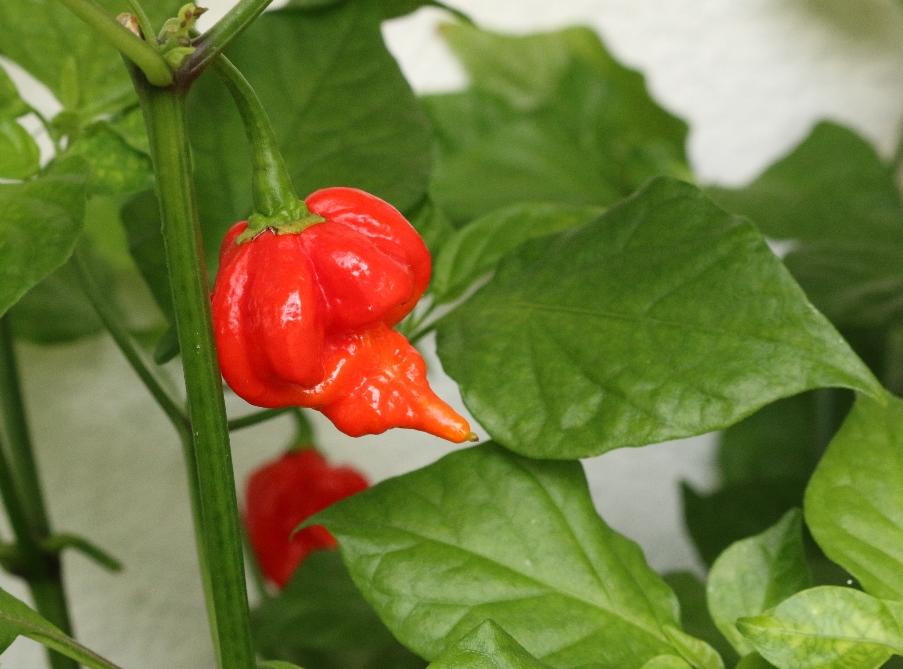
Trinidad Pepper: 3 Exclusive Germination Considerations
Introduction
Trinidad pepper, which is indigenous to Trinidad and Tobago’s tropical regions, is one of the few chilies that better capture this convergence than the Trinidad Moruga Scorpion. As we discussed in our previous blogs that the world of chili peppers is an intriguing combination of botany, chemistry, culture, and human endurance. It is a biological powerhouse that has been molded by human selection, environmental duress, and evolution.
Trinidad, which was formerly named the world’s hottest pepper, is well-known for its intense heat, but it offers much more than that. Its flaming reputation belies its intricate chemistry, relatively subtle flavor profile, and important nutritional and agricultural ramifications. This blog examines the Trinidad Moruga Scorpion from a scientific perspective, including information on its morphology, cultivation, origin, dynamics of capsaicin, and practical use.
Botanical Identity and Origin
The species Capsicum chinense, which includes among of the world’s hottest peppers, includes the Trinidad Moruga Scorpion. Capsicum chinense actually originated in the Amazon basin before spreading throughout tropical regions, despite the name suggesting Chinese origin.
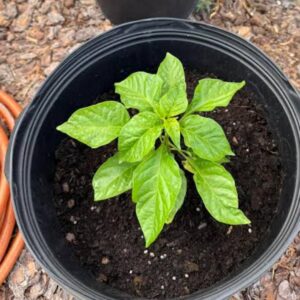
This specific cultivar comes from the southern Trinidadian settlement of Moruga, where its development has been aided by the region’s special climate, which includes high humidity, strong sunlight, and nutrient-rich soils. It is regarded as a landrace pepper, which means that natural selection and conventional farming methods, as opposed to regulated industrial breeding, resulted to its evolution.
When scientists from the Chili Pepper Institute assessed the heat level of Trinidad in 2012 and found it to be the hottest chili pepper at the time, its popularity skyrocketed worldwide.
Measuring Heat: The Scoville Scale and Capsaicin Chemistry
The remarkable pungency of the Trinidad Moruga Scorpion is the main source of its renown. The Scoville Scale, which quantifies the proportion of capsaicinoids—the substances that cause burning—is used to quantify heat in chili peppers.
The Trinidad Moruga Scorpion has an average of more than 1.2 million Scoville Heat Units (SHU), with some samples showing maxima of more than 2 million SHU. The Moruga Scorpion is hundreds of times hotter than a typical jalapeño, which varies from 2,500 to 8,000 SHU.
The Science of Heat
Along with similar compounds such as dihydrocapsaicin and nordihydrocapsaicin, capsaicin is the primary compound responsible for this intensity. These substances attach to the human body’s TRPV1 receptors, which are proteins that typically sense heat and physical abrasion. They imitate scorching pain by sending signals to the brain when they are triggered.
It’s interesting to note that the pepper’s capsaicin content varies. The placental tissue—the white inner membrane where seeds adhere—has the highest concentration of it. Because of its high concentration, capsaicin can even create visible droplets in extremely hot types like the Moruga Scorpion.
Morphology and Physical Characteristics of Trinidad
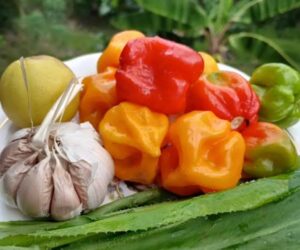
The Trinidad pepper has a unique appearance and is frequently regarded as both frightening and lovely.
- Shape: Trinidad pepper is rough and uneven surface, a round to slightly elongated surface
- Size: Typically .78 – 1.9 inches (2–5 cm) in diameter
- Skin Texture: Trinidad pepper are pitted and wrinkled, with folds that resemble brains
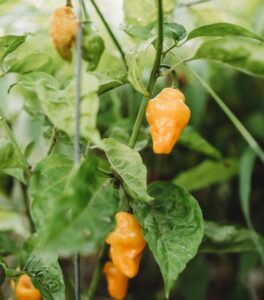
- Color: Ripens range in color from green to deep red, though there are also chocolate and yellow varieties
- Tail: It may or may not have a noticeable stinger-like tail, in contrast to other “scorpion” peppers
The uneven surface area may actually influence heat intensity. Greater placental tissue volume is correlated with increased surface complexity, which may lead to increased capsaicinoid synthesis.
Flavor Profile: Beyond the Heat
The Trinidad Moruga Scorpion is a multifaceted pepper despite its intense pungency. Its rich flavor is perhaps one of its most fascinating qualities.
First tasting frequently reveals:
- Fruity sweetness
- Floral undertones
- Slightly citrusy brightness
But this taste is ephemeral. Before intensifying into a severe, persistent burn, the heat develops gradually—a phenomenon sometimes referred to as “creeping heat.”
The way capsaicin interacts with oral receptors over time and the thick flesh of the pepper, which inhibits the release of capsaicinoids, are both connected to this delayed onset.
Environmental Influence on Heat Levels
The Trinidad Moruga Scorpion’s fluctuating temperature is one of its most intriguing features. The SHU levels of individual peppers can vary greatly, even within the same plant.
Research indicates that the following environmental conditions have a significant impact on the development of capsaicinoids:
- Temperature: The production of capsaicin is enhanced by higher temperatures
- Water stress: Heat can be exacerbated by mild drought conditions
- Soil nutrients: Plant metabolism is impacted by potassium and nitrogen levels
- Sunlight exposure: Exposure to sunshine increases the generation of secondary metabolites
The dynamic nature of capsaicin production has been highlighted by field testing that has shown significant variation in heat levels under various growth circumstances.
Cultivation: Growing a Super-Hot Pepper
Growing Trinidad Moruga Scorpions is gratifying and difficult for home gardeners and agricultural enthusiasts.
Growing Requirements
- Climate: Tropical to subtropical climate (ideal temperature: 77–95°F (25–35°C)
- Soil: Rich in organic matter, well-draining soil is required to grow Trinidad pepper
- pH: Slightly acidic to neutral (6.0–6.8)
- Light: Complete exposure to the sun
- Growing period: 100–120 days to maturity
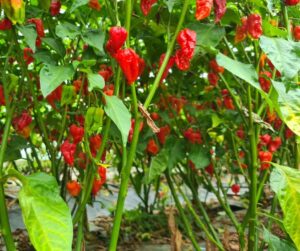
Plants need to be staked since they produce a lot of fruit and can grow to a height of 3 to 5 feet (1 to 1.5 meters).
Germination Challenges
The germination process of super-hot Trinidad pepper seeds is often characterized by slower and less consistent rates compared to many other pepper varieties. This variation can be a challenge for growers looking to cultivate these fiery plants. To improve the chances of successful germination, it is crucial to establish a stable and warm environment for the seeds.
Ideally, the temperature should be maintained within the range of 82°F to 86°F (28°C to 30°C). This specific temperature zone is vital as it creates the perfect conditions for the seeds to activate their internal mechanisms and begin the sprouting process. Additionally, other factors such as moisture levels, soil quality, and seed depth can also significantly influence germination success. For optimal results, consider using heat mats or seedling trays that can help regulate temperature consistently, ensuring that these seeds are primed for growth and ready to thrive as they transition from dormancy to the vigorous life of a pepper plant.
Safety Considerations
Take care when handling these peppers:
- To protect your skin from potential irritation or allergic reactions, it is highly recommended to wear gloves whenever you are handling substances that could cause harm. This simple precaution can help safeguard your hands and maintain your skin’s health.
- Do take care to avoid any direct contact with your eyes or other sensitive areas of your body, as Trinidad can lead to irritation or discomfort.
- When working with capsaicin, such as during the preparation of hot peppers, it is crucial to ensure proper ventilation in your workspace. This can be achieved by opening windows, using exhaust fans, or working near an open door to allow fresh air to circulate. Adequate ventilation will help minimize the inhalation of potentially irritating capsaicin vapors, which can cause discomfort and respiratory issues. Taking these precautions will ensure a safer and more pleasant experience while processing spicy ingredients.
Exposure to capsaicin can result in severe burning sensations and respiratory distress at high concentrations.
Culinary Uses: Extreme Yet Refined
While not commonly used in everyday cooking due to its intensity, the Trinidad Moruga Scorpion has carved out a niche in specialized culinary applications.
Key Uses
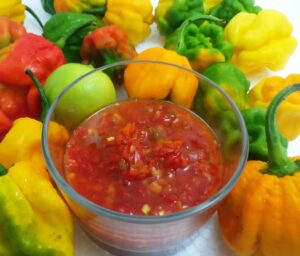
Hot Sauces: These sauces are often made primarily with a variety of peppers known for their extreme heat levels. They are essential in crafting dishes that require a significant kick, allowing chefs to elevate flavors while maintaining a focus on heat.
Salsas: Used in moderation, salsas play a crucial role in adding layers of depth and intensity to dishes. They often incorporate fresh ingredients like tomatoes, onions, and herbs, alongside pepper varieties, creating a vibrant explosion of flavors that complements rather than overwhelms.
Infused Oils: Infusing oils with chili peppers allows chefs to control the level of heat in their culinary creations. This method not only imparts a unique flavor but also enables a gradual heat release, making it perfect for drizzling over finished dishes or using as a cooking medium.
Spice Powders: Dried and ground Trinidad peppers transform into spice powders that provide a convenient option for long-term use. They can easily be added to a variety of dishes, providing consistent heat and allowing chefs to balance flavors without the need for fresh ingredients.
Chefs appreciate Trinidad pepper variety for its harmonious sweet-hot balance, which adds complexity and richness to their culinary offerings. When used judiciously, it enhances dishes rather than overpowering them, allowing for a sophisticated flavor profile.
Nutritional and Medicinal Aspects
The Trinidad pepper, like other chili peppers, has a number of health advantages.
- Rich in Vitamin C: Boosts immunity
- Contains carotenoids: includes carotenoids, which are antioxidants that shield cells
- Capsaicin benefits: Anti-inflammatory properties, potential stimulation of metabolism, and pain relief through the desensitization of nerve endings.
Although more clinical data is required, capsaicin’s antibacterial qualities and possible application in cancer research are also being investigated.
Ecological and Evolutionary Perspective
From an evolutionary perspective, the Trinidad pepper’s intense heat has a biological function. Mammals are discouraged from eating the fruit by capsaicin since their digestion would damage the seeds. However, capsaicin does not affect birds, which are important seed dispersers. The plant’s ability to reproduce is improved by this selective deterrent.
Furthermore, in humid tropical climates, capsaicin’s antifungal qualities shield the seeds of Trinidad pepper from microbial assault.
Global Recognition and Competition
In 2012, cultivars like the Carolina Reaper overtook the Trinidad pepper as the hottest pepper in the world. Its legacy is still important, though. A significant advancement in chili breeding and research, it was the first pepper to be scientifically verified to have more than 2 million SHU. It is still regarded as one of the “elite super-hots,” along with peppers like 7 Pot and Bhut Jolokia.
Cultural Significance in the Caribbean
In Trinidad and Tobago, Trinidad pepper plays an integral role in the rich tapestry of culinary traditions. The fiery Trinidad pepper, although often deemed too intense for many traditional recipes, symbolizes the region’s enduring passion for spicy flavors. The vibrant Trinidad pepper find their way into a variety of mouth-watering dishes, enhancing them with their unique heat and depth.
They are skillfully blended into:
- Pepper sauces, where their boldness comes alive, adding a zesty kick to a range of meals
- Marinades, Trinidad, while infusing meats and vegetables with a tantalizing warmth that elevates the dining experience
- Traditional stews, where their essence melds with other ingredients, creating a complex flavor profile that is both comforting and exhilarating
The use of Trinidad pepper in these culinary applications reflects not just a taste preference but a cultural heritage that cherishes the bold and exciting world of spicy foods. It also reflects agricultural pride and biodiversity within the Caribbean.
Risks and Responsible Consumption
The Trinidad pepper is renowned for its intense heat, which can lead to a range of unpleasant and potentially dangerous effects. When consumed, one might experience:
- An overwhelming burning sensation of Trinidad pepper that can linger and cause significant discomfort
- Gastrointestinal distress, which may include cramps and an upset stomach
- A temporary reduction in taste sensitivity makes the Trinidad pepper difficult to enjoy other flavors
- In severe cases, symptoms could escalate to vomiting or feelings of dizziness
There have even been documented instances of individuals experiencing “thunderclap headaches” after eating super-hot peppers like the Trinidad pepper.
For those brave enough to try this fiery Trinidad pepper, it’s essential to approach it with caution. Start by consuming only an extremely small amount to gauge your tolerance and avoid any adverse reactions.
Conclusion
More than just a competitor for the title of hottest pepper in the world, the Trinidad Moruga Scorpion is an amazing illustration of how chemistry, culture, and nature come together. This pepper has challenged our knowledge of flavor, heat, and plant adaptation from its beginnings in a small Caribbean town to its widespread scientific acknowledgment. Its high capsaicin content is a reflection of intricate biochemical processes impacted by the environment and evolution, not just a novelty.
It is a test of skill for gardeners. A topic of continuous investigation for scientists. Additionally, it provides culinary explorers with an experience that will never be forgotten—one that starts with sweetness and finishes in flames. The Trinidad Moruga Scorpion is a blazing symbol in the ever-expanding realm of extremely spicy chilies. It is revered and feared, a true monument to the extremes of nature.
Disclaimer
The content provided on this website is purely for educational purposes. We are neither nutritionists nor do we intend to mislead our readers by providing any medical or scientific information.