Fireweed: 5 Intense Problems While Growing
Introduction
Fireweed is one of the few wildflowers that makes a striking entry. A landscape may seem bleak, charred, disturbed, or newly cleared in a single year. Then, almost in defiance of the odds, long stems emerge from the earth, bearing slender leaves that eventually give rise to vivid spikes of pink to purple flowers. Fireweed can become one of the most noticeable plants in the healing landscape in areas damaged by wildfires, logging, landslides, road building, or other disturbances.
Although it is still commonly referred to as Epilobium angustifolium in older literature, its scientific name, Chamerion angustifolium, indicates a plant with a long history of taxonomic debate. In various areas, fireweed, rosebay willowherb, and big willowherb are common names.
Fireweed is much more than just a pretty wildflower to gardeners, naturalists, pollinator lovers, and anybody interested in native and practical plants. It is an ecological specialist, a hardy perennial, a significant supplier of nectar, a traditional food plant in some cultures, and an amazing illustration of how plants can quickly restore damaged soil.
But fireweed is more than just a pretty plant you can put in any garden area. Before choosing where and how to grow it, it is important to understand its natural growth strategy, spreading ability, favored circumstances, and ecological purpose. The science behind fireweed is examined in this blog, along with its biology, natural habitat, ecological significance, cultivation, propagation, traditional usage, and gardeners’ concerns.
What Exactly Is Fireweed?
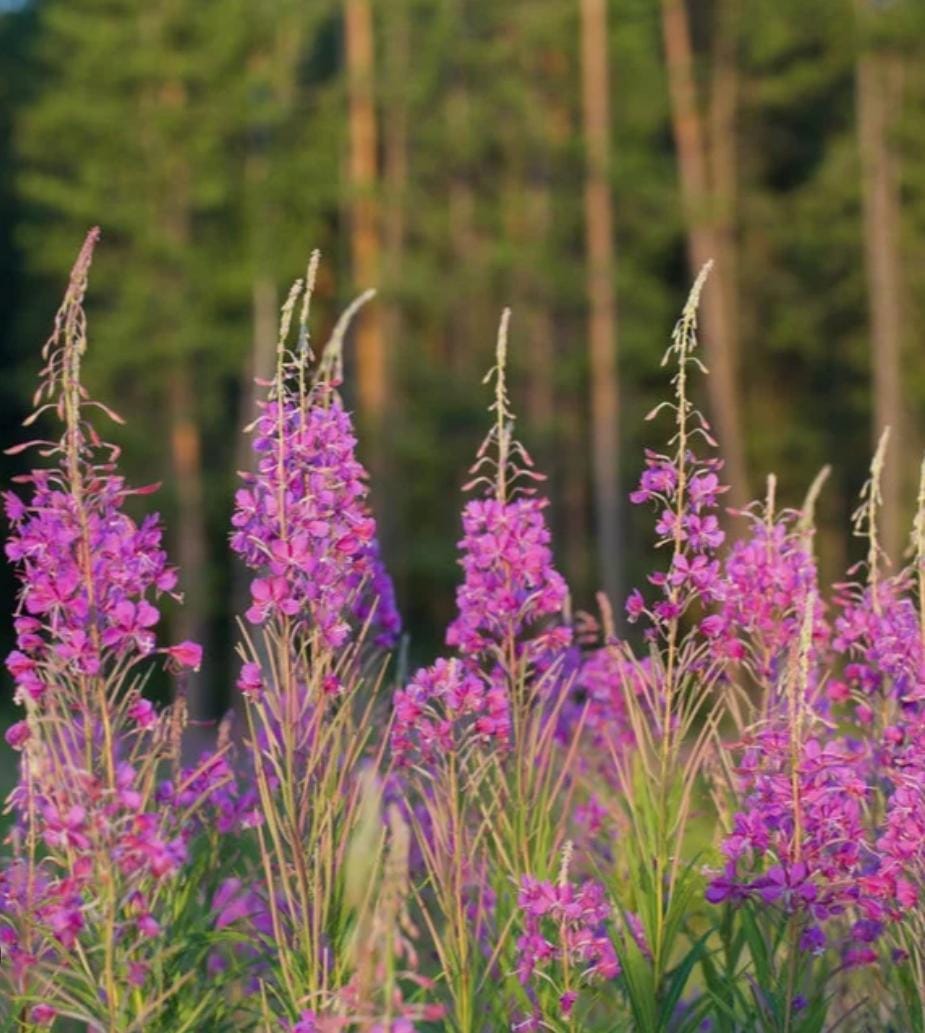
Fireweed belongs to the evening primrose family, Onagraceae. It is a herbaceous perennial that grows naturally over most of the Northern Hemisphere, notably in temperate and boreal climates. The species name angustifolium means “narrow-leaved,” which is a fitting description of one of its most distinctive characteristics. It has long, thin leaves that resemble those of willows, which explains its popular name, “willow-herb.”
A mature fireweed plant can grow between 2 and 8 feet tall, depending on factors such as temperature, soil quality, hydration, competition, and genetics. Under optimal conditions, it can form impressive colonies adorned with vibrant pink to purple blooms, which appear in a terminal spike. The flowers open vertically from the bottom up and can serve as an informal indicator of summer’s progress in some northern regions.
After blooming, the plant produces long seed capsules that release numerous small seeds, which are dispersed by the wind, allowing for rapid colonization of new areas. Additionally, fireweed is a perennial plant that can spread through subsurface structures, enabling it to expand through both seed dispersal and vegetative growth.
Why Is It Called Fireweed?
Fireweed is a plant that thrives in disturbed environments, especially after wildfires. Following such events, the open terrain allows more sunlight and fewer competitors, making it an ideal candidate for rapid growth. Its seeds spread quickly, and it can regenerate areas where other plants were damaged. Fireweed can also be grown in gardens without the need for burning, as it has adapted to flourish in available spaces created by disturbances.
This plant is considered an early successional species, which are typically the first to establish in post-disturbance ecosystems. As time passes and shrubs and trees grow, shade increases and competition rises, which may cause fireweed to decline. Its success illustrates that various factors, including disturbance and light availability, play crucial roles in plant growth beyond soil fertility and rainfall alone.
The Remarkable Biology of a Disturbance Specialist
Fireweed is successful because multiple biological properties cooperate.
A fast response to open space
Fireweed thrives in sunny areas. Disturbance frequently destroys the forest canopy or thick vegetation that once obstructed light. Suddenly, sunlight penetrates the earth, giving plants with quick development an edge.
Fireweed is particularly adept at seizing this chance.
Underground persistence
Established plants are capable of producing significant subterranean growth. These structures allow the plant to live year after year while also assisting a colony’s lateral expansion. For a gardener, this is both a benefit and a disadvantage. A well-established fireweed patch can be robust and long-lived, but it may also spread beyond its initial planting area.
Abundant seed production
Fireweed’s lengthy seed capsules may discharge a huge quantity of lightweight seeds. Each seed includes silky hairs that act as a parachute, allowing wind to transport it. This method is particularly successful in disturbed habitats because newly exposed soil may have several ideal germination sites.
Adaptation to changing landscapes
Rather than focusing on deep shade or relatively stable forest conditions, fireweed is adaptable to change. It works effectively in environments that have been opened, disrupted, or otherwise transformed. In ecological terms, it serves as a warning that disturbance does not necessarily result in ecological damage. Fires, floods, storms, landslides, and other disruptive phenomena have all occurred in natural ecosystems throughout history.
Indigenous species developed alongside these processes. Fireweed’s capacity to quickly colonize damaged land can assist stabilize soil and aid to the slow regeneration of plant communities.
Ecological Succession
One of the most scientifically intriguing elements of fireweed is its function in succession. Imagine a mature forest. A thick canopy may shade the ground, while established plants use the available space. A disturbance, such as a wildfire, eliminates most of the vegetation. The ecological circumstances abruptly alter. More sunshine penetrates the soil. Nutrient cycles are disrupted. Competition is momentarily decreased. Bare ground becomes accessible.
Early colonizing plants appear or renew. Fireweed might be one of the species. Its leaves, stems, and roots all contribute organic materials as it grows. Its presence can help cover exposed soil and establish conditions that impact the plants that grow thereafter. Over time, additional species may colonize the fireweed.
Shrubs may multiply. Tree seedlings may grow. If the habitat gets darkened, this plant may lose its competitive edge. This process highlights an essential ecological principle: successful plants do not always dominate indefinitely. A species may be extremely successful because it is well suited to a specific stage of ecosystem evolution.
Fireweed’s ecological strength comes from its capacity to grab opportunities.
An Important Plant for Pollinators
Fireweed is highly prized for its prolific flowering and nectar production. The tall flower spikes can be a valuable floral resource throughout the summer. Bees, both native and honey bees, may visit the blossoms, as well as other insects that feed on nectar and pollen. Because individual flowers open progressively down the stem, a blooming plant can give resources over time rather than producing all blossoms at once.
This makes fireweed more visible in open meadows, alpine landscapes, roadside areas, and freshly disturbed ecosystems. Fireweed honey is very popular in some northern locations. Honey made exclusively from nectar is frequently prized for its pale color and mild flavor; however, the specific features vary depending on region and the other flowers accessible to bees.
Fireweed, on the other hand, should be carefully planted in pollinator gardens.
A plant might be extremely useful to pollinators while yet being inappropriate for every garden. The objective should not be only to acquire as many “pollinator plants” as feasible. Good ecological gardening requires selecting species that are suited for the local climate, native plant community, available area, and maintenance level.
Where fireweed is native or well acclimated, it may be an excellent complement to a naturalistic or meadow-style planting.
Fireweed as a Native Plant
Fireweed honey is very popular in some northern locations. Honey made exclusively from fireweed nectar is frequently prized for its pale color and mild flavor, however the specific features vary depending on region and the other flowers accessible to bees.
Fireweed, on the other hand, should be carefully planted in pollinator gardens.
A plant might be extremely useful to pollinators while yet being inappropriate for every garden. The objective should not be only to acquire as many “pollinator plants” as feasible. Good ecological gardening requires selecting species that are suited for the local climate, native plant community, available area, and maintenance level.
Where fireweed is native or well acclimated, it may be an excellent complement to a naturalistic or meadow-style planting. Collecting plants from natural populations should be avoided unless expressly approved and done properly. Wild populations may be biologically significant, but overcollection can harm fragile environments.
The best strategy is to buy legally and ethically propagated stuff.
How to Grow in Gardens?
Fireweed may be surprisingly easy to cultivate if its natural inclinations are maintained. The primary need is sunshine.
Choose a sunny location
Full sunlight is great. It thrives in open locations with abundant direct sunlight. A partially shaded location may allow growth, although blooming and vigor may decrease as competition for light increases. Choose a spot with at least six hours of direct sunshine, ideally more.
Soil requirements
Fireweed is versatile and can thrive on a variety of soils. It does not require a very rich soil. In reality, attempting to promote luxuriant growth with excessive fertilizer treatments is typically unneeded. A relatively well-drained soil that holds some moisture is frequently sufficient. The plant can survive a variety of soil textures; however, severely wet circumstances may be troublesome.
Fireweed commonly thrives in disturbed soils, where circumstances can fluctuate considerably. Gardeners’ major objective should be to prevent extremes. If required, improve badly compacted soil; nevertheless, there is typically no need to construct an unduly rich, heavily altered planting bed.
Watering
Young plants benefit from regular irrigation while they are establishing. Fireweed, once established, may endure periods of little rainfall, depending on the local climate and soil. However, prolonged dryness can stunt development and flowering. The optimum watering approach is to water deeply when necessary rather than seldom and in small amounts.
A layer of organic mulch around newly planted plants can aid to maintain moisture, but it should not be put directly against the plant’s crown.
Growing From Seed
Fireweed produces small, lightweight seeds, and propagating from seed can be profitable. Germination needs vary depending on seed source and storage circumstances; however, many perennial wildflowers thrive from cold, wet stratification. Cold stratification resembles winter. Seeds spend time in chilly, damp environments before being exposed to the higher temperatures of spring. This can aid in breaking physiological dormancy in organisms accustomed to temperate environments.
An easy technique is to place seeds in a wet growth medium and expose them to cold temperatures for many weeks, as recommended by the seed provider. Fireweed seeds are quite small and should not be buried deeply. Tiny seeds frequently have minimal energy reserves and may require sunshine or extremely shallow positioning to germinate properly.
It may be more efficient to lightly press the seeds into the surface of a sterile seed-starting medium rather than cover them hard. Maintain a regular level of moisture in the medium while avoiding saturation. After seedlings have grown sufficiently, gradually adapt them to outside circumstances before transplanting.
Fireweed may take some time to establish from seed, but if it has a good root system, it may become quite robust.
Propagation by Division
Established پلانت colonies can be reproduced by division, depending on the plant’s development stage and structure.
Early spring or another phase of vigorous but controlled development is sometimes the best time to divide perennial plants since temperatures are mild and the plant has time to recuperate.
Carefully lift a section of the subterranean growth, making sure that each division has healthy roots or shoots. Replant right after and be sure to water properly. Division can be advantageous for gardeners who want to enlarge a planting without depending on seed germination. It also allows you to regulate the expansion of an established colony.
How Tall Does Fireweed Get?
Under ideal conditions, it may grow into a large perennial. Mature heights typically vary from 2 to 8 feet. Plants grown in rich, wet, sunny locations may grow particularly tall, but those exposed to severe circumstances may remain shorter. This variant indicates that this plant should not be handled as a tiny border perennial.
It is best suited for:
- Meadow gardens
- Native plant landscapes
- Naturalized areas
- Pollinator gardens with adequate space
- The back of large perennial borders
- Open rural properties
- Restoration-oriented plantings where appropriate
The plant may demand more attention in a tiny, carefully managed residential flower bed than a compact decorative perennial. Before planting, consider not just the first but also the fifth year.
- What much of space will the colony occupy?
- Will other plants be able to compete?
- Are you comfortable eliminating undesirable branches or seedlings?
Thinking about long-term behavior is one of the most fundamental concepts of perennial gardening.
Fireweed and Climate
Fireweed is strongly linked with milder and northern regions, despite its extensive distribution demonstrating remarkable flexibility. It typically works well in climates with chilly winters and summers that are not too hot and dry for extended periods. In areas with high summer temperatures, plants may benefit from enough soil moisture.
Gardeners should carefully evaluate the climatic needs of their local plant population or nursery in relation to their own growth circumstances. Elevation might also affect performance. A plant growing naturally in a cold alpine location may face significantly different conditions from one planted in a hot, low-elevation garden.
The lesson is simple: native does not imply universal suitability.
A species can be native to a continent yet poorly suited to a specific local climate.
Is Fireweed Invasive?
This question demands some complexity. A robust native plant is not always invasive. Invasive species are often defined as creatures introduced outside of their normal range that spread and cause ecological, economic, or other harm. However, a native plant can be invasive in a garden setting. Fireweed may spread via subsurface growth and seed production. Gardeners may need to control it, particularly in smaller settings.
This is an important distinction:
- Ecological invasiveness and garden aggression are not synonymous
- A plant may be a valuable native species in its natural ecology, while yet requiring enclosure in a manicured garden
- If you wish to grow without allowing it to take over, plant it in a specified native area, remove any undesirable seedlings, and divide or thin increasing colonies as needed
- Deadheading before seeds develop may also inhibit self-seeding; however, this may limit the plant’s ability to complete its natural reproductive cycle
Fireweed as a Traditional Food Plant
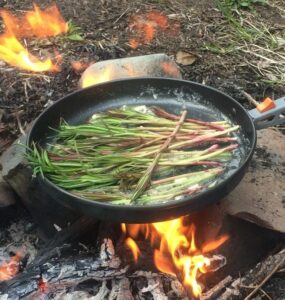
The plant has a long history of usage as a food plant in many civilizations. Young shoots and leaves have been consumed, and the plant has been used to make teas and other preparations. However, traditional usage should not be mistaken for limitless or universally safe intake.
Several things matter:
- Correct plant identification
- The part of the plant being used
- The age of the plant
- Growing location
- Potential contamination
- Individual sensitivities
- Preparation method
Never pick from roadsides, industrial areas, or locations that have been treated with pesticides or are polluted. Younger shoots are typically more sensitive than older stems. Leaves have been utilized fresh, cooked, and dried. As with many wild edible plants, the flavor and texture evolve as the plant grows. Anyone new to wild plant collecting should seek guidance from a trained local expert rather than relying just on images.
Look-alike plants, geographical variance, and environmental factors can all make identification difficult.
Fireweed Tea and Fermented Leaves

One of the most well-known traditional preparations is the leaves! In certain areas, fireweed leaves are dried or fermented and made into a caffeine-free herbal beverage. Fermentation may modify scent and flavor by causing biochemical changes when plant tissues are damaged, exposed to air, and processed under regulated circumstances. This is not to be confused with conventional tea made from Camellia sinensis, which includes caffeine.
The leaf preparations do not have the same chemical profile as black, green, and oolong teas. However, the processing approach is similar in that oxidation and regulated handling can affect the final flavor. Scientific study has revealed a variety of phytochemicals in fireweed, including phenolic compounds and other physiologically active elements.

This has sparked an interest in the plant’s antioxidant and pharmacological capabilities. However, a crucial distinction must be acknowledged. A plant possessing antioxidant chemicals does not imply that drinking it will alleviate illness. Laboratory studies can show chemical action under controlled settings, but human health benefits require further proof from properly conducted clinical trials.
This is one of the most widespread misconceptions about medicinal herbs. A drug may exhibit intriguing action in a test tube without having the same impact in the human body.
What Does Science Say About Fireweed’s Medicinal Potential?
Fireweed has been studied for several biological functions. Flavonoids, tannins, phenolic acids, and ellagitannins have all been identified by researchers. These chemicals can contribute to antioxidant activity and other metabolic processes. Laboratory and preclinical research have looked at potential anti-inflammatory, antibacterial, antioxidant, and other biological benefits.
One category of chemicals linked to the plant and related species has gained special scientific attention due to possible interactions with biological processes. However, scientific evidence should be evaluated based on its strength.
There is a significant difference between:
- A chemical being detected in a plant
- The chemical demonstrating activity in a laboratory experiment
- The compound producing beneficial effects in animals
- A standardized preparation being tested in humans
- Multiple high-quality clinical trials demonstrating safety and effectiveness
These are not equal levels of proof. Fireweed is scientifically intriguing, and study into its phytochemistry is ongoing, but that does not support treating the plant as a proven remedy for sickness. Gardeners and herbalists should be especially skeptical of excessive web claims. “Natural” does not mean “harmless,” and “traditional” does not imply “clinically proven.”
Fireweed and Soil Recovery
Fireweed is crucial for the environment as it thrives on disturbed ground. It helps protect bare earth from erosion and extreme temperatures by providing vegetative cover. Its roots enrich the soil while its leaves generate organic matter. However, fireweed alone cannot fully restore an ecosystem; successful recovery involves complex interactions among various plants, fungi, bacteria, animals, soil chemistry, climate, and time. Early colonizers like this are essential for initiating this ecological process, indicating that even without mature trees, a landscape can be undergoing rapid ecological evolution.
Fireweed in the Home Landscape
For gardeners, it is best to work with a plant’s natural characteristics rather than forcing it into a formal design. Fireweed looks most impressive when grown in drifts or colonies alongside other sun-loving plants such as native grasses, asters, goldenrods, bee balm, and coneflowers. Make sure each species has enough space to prevent competitive imbalances where it might overshadow smaller plants. A naturalistic planting approach creates a more ecologically meaningful environment, allowing plants to interact and support pollinators.
Fireweed’s dramatic vertical shape and vibrant blossoms can serve as a stunning feature in a summer landscape.
Give each species considerable space.
Common Problems When Growing Fireweed
Fireweed is generally resilient, but gardeners may encounter several challenges.
Excessive spreading
This is likely the most frequently encountered issue. It’s essential to keep a close eye on the boundaries of well-established colonies. Regularly inspect these fringes and promptly remove any unwanted shoots or offshoots. Taking action at this stage will prevent them from becoming more difficult to control and manage in the future.
Weak flowering
A probable reason for the decline in its vitality is inadequate sunlight. As neighboring shrubs and trees grow and expand, they can gradually cast more shade over the area, which may hinder the fireweed’s ability to thrive and flourish. Insufficient sunlight is a likely cause. If nearby shrubs or trees gradually create shade, fireweed may become less vigorous.
Drought stress
While established plants often demonstrate remarkable resilience, they can still struggle under prolonged dry conditions that may compromise their overall health and performance. To help mitigate the effects of extended drought, deep watering can be a beneficial practice. This technique ensures that water penetrates thoroughly into the soil, reaching the deeper root systems where it can be most effective in sustaining the plants during challenging dry spells.
Overfertilization
Overusing fertilizer can lead to overly soft and lush plant growth, but this doesn’t always translate into better flowering or blooms. In fact, many native and wild-adapted perennial plants thrive more effectively when provided with moderate levels of soil fertility. This balanced approach allows them to develop a more resilient structure and vibrant blooms, reflecting their natural growing conditions.
Competition from aggressive weeds
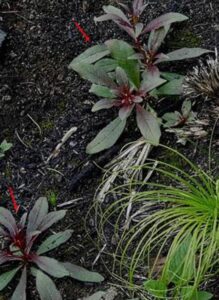
Young plants often face challenges in establishing themselves, particularly when they are surrounded by aggressive competing vegetation. To give these delicate seedlings a fighting chance, it’s essential to engage in careful weeding during their initial growing season. This focused attention will help remove unwanted plants that vie for resources, allowing the fireweed to thrive and grow unimpeded.
Should You Grow Fireweed?
Fireweed is an excellent choice if you have:
- A sunny place
- Adequate area
- An interest in native vegitation
- A pollinator-friendly landscape
- A meadow or naturalized garden
- A willingness to manage spreading
- A climate suitable for the plant
It may be less appropriate if you have:
- A very small garden
- A highly formal landscape
- Limited tolerance for self-seeding plants
- Dense shade
- Extremely hot and dry conditions without irrigation
- Restrictions on plant spread or naturalized vegetation
The best garden plant isn’t usually the most fashionable or visually appealing. It is the plant whose biology corresponds to the conditions you can give. Fireweed rewards gardeners who recognize this idea.
Final Thoughts
Fireweed, or Chamerion angustifolium, exemplifies resilience in nature. Its tall stems and bright flowers attract attention, but its true strength lies in its ability to thrive after disturbances. This plant colonizes open ground, spreads through underground structures, and disperses lightweight seeds, playing a vital role in ecological recovery.
For gardeners, it teaches a valuable lesson about embracing natural plant behavior. It thrives in sunlight and can become part of a diverse plant community. While its spread may need management, it should not be manipulated into a compact form. Those first pink flowers signify more than a wildflower; they represent a species designed for opportunity, able to transform disturbed areas into vibrant landscapes. Fireweed embodies the idea of not just surviving change but adapting to start anew.
Disclaimer
The content provided on this website is purely for educational purposes. We are neither nutritionists nor do we intend to mislead our readers by providing any medical or scientific information.