Cover Crops: 5 Intense Mistakes to Avoid
Introduction
Whether you have a few raised beds or several acres, understanding how cover crops work can improve your garden’s health for years. Imagine entering your garden after picking tomatoes, peppers, or squash. Instead of exposing barren soil in the fall and winter, you grow a live blanket of plants that works silently beneath the surface. These plants prevent erosion, feed beneficial bacteria, retain nutrients that would otherwise be washed away, reduce weeds, and even produce natural fertilizer. Months later, when you’re ready to plant again, your soil will be darker, richer, easier to work, and more alive.
This is the incredible power of these crops and green manure, two of the most scientifically proven strategies in sustainable agriculture and home gardening. For decades, studies have shown that live plant coverings improve soil structure, increase organic matter, promote microbial diversity, minimize nutrient losses, and frequently increase crop output. Although these strategies have been employed by farmers for generations, they are also useful for home gardeners who want to produce healthy soil naturally while minimizing their reliance on commercial fertilizers.
What Are Cover Crops?
Cover crops are plants produced primarily to enrich and protect the soil, rather than to be harvested. Unlike vegetables and grains grown for sustenance, they provide environmental benefits that benefit future crops.
They are typically planted during times when vegetable beds would otherwise be unoccupied, such as:
- After summer vegetables are harvested
- During fall and winter
- Between crop rotations
- In orchards and vineyards
- Around perennial plantings
Their roots hold the soil together, while their leaves protect the surface from rain, wind, and temperature extremes. These crops prevent bare soil from losing nutrients and organic matter, allowing biological activity to thrive all year.
What Is Green Manure?
Green manure is the purposeful incorporation of cover crops into the soil while they are still green and developing. Instead of collecting the plants, gardeners mow, cut, or turn them into the soil to degrade organically. As the plants decompose, they release nutrients that become accessible to subsequent crops, while also boosting soil organic matter.
Although the phrases are frequently used interchangeably, they are not entirely synonymous.
- Every green manure crop is a cover crop
- Not every cover crop becomes green manure
Some gardeners kill them by rolling or cutting them and leaving them on the soil surface as mulch rather than absorbing them into the soil. Both treatments increase soil health, but the advantages vary based on gardening goals.
Why Healthy Soil Needs Living Roots?
For long years, experts assumed soil fertility was mostly dependent on chemical fertilizers. Modern soil science provides a much fuller picture.
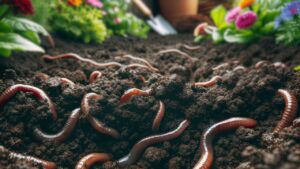
Healthy soil is essentially a living ecosystem that includes:
- bacteria
- fungi
- protozoa
- nematodes
- earthworms
- arthropods
- insects
- beneficial algae
A single teaspoon of good garden soil might contain billions of microorganisms from thousands of distinct species. These creatures rely significantly on plant roots. Growing roots produce sugars, amino acids, and organic substances known as root exudates, which provide food for soil bacteria. In exchange, bacteria break down minerals, increase nutrient availability, form soil aggregates, and aid plant disease resistance.
The bond is disrupted by bare soil. When no live roots remain, microbial populations fall, organic matter decomposes faster, and soil structure gradually deteriorates. Cover crops help to sustain this subsurface biological interaction year-round.
Scientifically Proven Benefits of Cover Crops
1. They Prevent Soil Erosion
One of the most obvious benefits of these crops is erosion prevention. Heavy rainfall on bare soil breaks up soil aggregates and washes away healthy topsoil. Wind may clear tiny particles more quickly in open fields. Dense cover crop foliage absorbs rainwater, while broad root systems hold soil particles in place. The USDA’s research has shown that cover crops may significantly minimize erosion, particularly on sloping soils with frequent runoff.
For home gardens, this means that raised beds save vital topsoil rather than losing it during winter storms. Cover crops help to sustain this subsurface biological interaction year-round.
2. They Improve Soil Structure
Good soil structure consists of stable aggregates separated by microscopic holes that allow water, air, and roots to circulate easily. Years of digging, harsh rains, and repetitive cultivation frequently damage this structure. Cover crop roots will organically repair it. Diverse species have diverse root structures. Fibrous grasses braid across the upper soil layers, forming numerous small channels. Deep tap-rooted species can penetrate compacted subsoil, creating channels for future vegetable roots.
As roots die and disintegrate, they create natural tunnels that aid in aeration and drainage. Numerous long-term studies suggest that using cover crops on a regular basis improves aggregate stability and soil porosity.
3. Increased Organic Matter
Organic matter is the basis of rich soil.
It improves:
- moisture retention
- nutrient storage
- microbial diversity
- root development
- buffering against pH changes
- soil resilience
Every cover crop provides organic material through its leaves, stems, and roots. Unlike compost, which comes from outside the garden, cover crops produce organic matter right where it is required. Repeated planting steadily increases soil carbon and fertility year after year.
4. Better Water Management
Healthy soil behaves like a sponge. Organic matter generated by these crops improves the soil’s ability to absorb and store water. Water infiltrates more effectively than strong showers that rush across the surface. During dry conditions, higher organic matter reduces evaporation and improves crop water availability. This dual advantage allows gardens to tolerate both drought and excess rain. As climatic unpredictability rises in North America, this attribute becomes more useful.
5. Natural Weed Suppression
Weeds thrive wherever sunlight reaches bare soil.
These crops compete aggressively for:
- sunlight
- nutrients
- moisture
- physical space
Fast-growing plants, such as buckwheat, form thick canopies that shade weed seeds before they develop. Some cover crops extend much further. Species like cereal rye produce natural biochemicals in the soil that prevent weed seed development, a process known as allelopathy. This natural weed suppression method can greatly minimize the requirement for chemicals or human weeding. Gardeners frequently report fewer spring weeds after planting winter rye or other thick winter cover crops.
6. Nutrient Recycling
Heavy rainfall regularly removes vital nutrients from the root zone. Nitrogen is very susceptible. Cover crops serve as nutrient scavengers. After vegetables have finished growing, their roots collect any leftover nutrients and store them in plant tissues. When those plants decay, nutrients slowly return to the soil, where the next crop may consume them. Instead of losing fertility over the winter, nutrients remain in the garden ecosystem.
Nitrogen Fixation
Perhaps the most intriguing aspect of certain cover crops is their potential to produce nitrogen organically. Legumes such as clovers, peas, hairy vetch, cowpeas, and field beans collaborate with Rhizobium, a helpful bacterium. These bacteria live in nodules on plant roots. Inside these nodules, atmospheric nitrogen gas, which plants cannot directly consume, is transformed into ammonia by a biological process known as nitrogen fixation.
The plant delivers the carbohydrates generated during photosynthesis. The microorganisms produce usable nitrogen. It is one of the most striking examples of mutualism seen in nature. Depending on the species and growth circumstances, legumes can supply 50 to more than 200 pounds of nitrogen per acre, significantly decreasing fertilizer requirements for subsequent crops.
Home gardeners benefit in the same way, especially before planting nitrogen-intensive foods like maize, cabbage, broccoli, pumpkins, and tomatoes.
Carbon Sequestration and Climate Benefits
They do more than just improve individual gardens; they also help to overall environmental sustainability. Photosynthesis is how plants extract carbon dioxide from the atmosphere. A part of this carbon is absorbed into the roots and soil organic matter. Long-term use of cover crops enhances soil carbon storage, often known as carbon sequestration. Healthy, organic-rich soils not only increase production but also help lower atmospheric carbon dioxide concentrations.
Scientists continue to investigate the importance of regenerative agricultural strategies, such as cover cropping, as practical solutions for combating climate change and enhancing food supply systems.
Types of Cover Crops
Cover crops are generally divided into three main groups based on their primary function. Many gardeners combine plants from different groups to maximize benefits.
1. Legumes
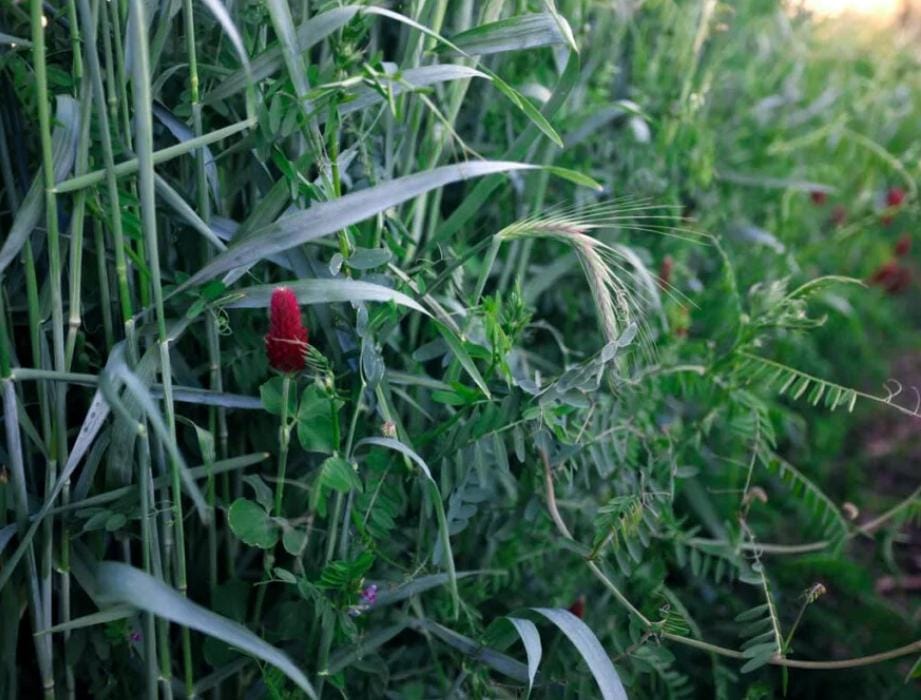
Leguminous cover crops are well-known for their ability to fix atmospheric nitrogen via a symbiotic relationship with Rhizobium bacteria. When allowed to blossom, they create a lot of organic matter and attract pollinators while also replenishing the soil with nitrogen.
Common legumes are:
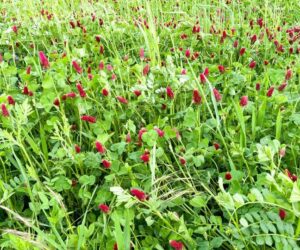
- Crimson clover
- White clover
- Red clover
- Hairy vetch
- Austrian winter pea
- Field pea
- Cowpea
- Fava bean
- Alfalfa
These crops are excellent before planting heavy feeders like tomatoes, peppers, maize, cabbage, broccoli, pumpkins, cucumbers, and squash.
2. Grasses
Grass varieties are excellent at preserving the soil surface, avoiding erosion, enhancing soil structure, and scavenging remaining nutrients, particularly nitrogen. Unlike legumes, grasses do not contribute nitrogen to the soil. Instead, they collect nutrients that would otherwise be lost through leaching and store them until breakdown.
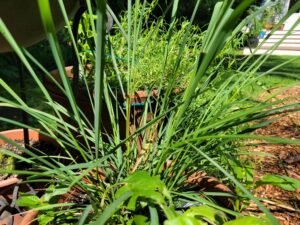
Popular grass cover crops are:
- Cereal rye
- Annual ryegrass
- Oats
- Barley
- Wheat
- Sorghum-sudangrass
Their broad fibrous root systems aid in soil aggregation and decrease compaction in the topsoil profile.
3. Brassicas
Brassicas are gaining popularity due to their strong taproots. Species like tillage radish may penetrate compacted soil strata that typical vegetable roots cannot reach. As the roots die, they create wide channels that increase drainage, aeration, and root penetration for future crops.

Common Brassica cover crops include:
- Oilseed radish
- Daikon tillage radish
- Mustard
- Rapeseed
- Turnips
Some brassicas also produce substances during decomposition that aid in the suppression of some soil-borne pests and illnesses, a process known as biofumigation.
Cover Crop Mixtures
In natural ecosystems, plants seldom grow alone. Different species complement each other by inhabiting distinct ecological niches. The same logic applies to them. Rather than planting a single species, many gardeners blend legumes, grasses, and brassicas.
For example:
- Cereal rye provides erosion control
- Hairy vetch fixes nitrogen
- Tillage radish breaks compacted soil
- Crimson clover attracts pollinators
Together, these plants provide more balanced benefits than any single crop could provide on its own. Diverse mixes have been proven in studies to promote microbial diversity, improve nutrient cycling, and boost resilience in the face of changing weather.
Choosing the Right One
Selecting the best for your plants depends on your goals, climate, soil type, and planting schedule.
If your goal is nitrogen production
Choose:
- Hairy vetch
- Crimson clover
- Austrian winter peas
- Field peas
- Cowpeas
If your soil is compacted
Choose:
- Daikon radish
- Oilseed radish
- Mustard
If erosion is your biggest concern
Choose:
- Cereal rye
- Oats
- Annual ryegrass
- Wheat
If you need rapid weed suppression
Choose:
- Buckwheat
- Cereal rye
- Sorghum-sudangrass
If pollinators are important
Choose:
- Crimson clover
- Buckwheat
- Phacelia
- White clover
Many experienced gardeners rotate different crops from year to year, ensuring the soil receives a wide range of biological benefits.
When Should You Plant?
Timing plays a major role in the success of cover crops.
Spring
Fast-growing species are ideal before warm-season vegetables are planted.
Suitable choices include:
- Oats
- Field peas
- Crimson clover
- Buckwheat (after the last frost)
Summer

Short-season crops can fill empty beds after early vegetables such as lettuce, spinach, peas, or garlic are harvested.
Excellent options include:
- Buckwheat
- Cowpeas
- Sorghum-sudangrass
Buckwheat is particularly valuable because it germinates quickly, shades weeds within weeks, and flowers in about a month, providing nectar for bees and beneficial insects.
Fall
Fall is the most common planting season for cover crops in North America.
As vegetable crops finish, cover crops establish before winter arrives.
Popular fall choices include:
- Cereal rye
- Hairy vetch
- Austrian winter peas
- Crimson clover
- Winter wheat
These crops protect the soil throughout winter and resume growth in spring.
Winter
In colder regions, some species winter-kill naturally.
Examples include:
- Oats
- Field peas
- Oilseed radish
When cold temperatures hit, these plants die and leave behind a protective mulch layer that decomposes slowly during the winter. Other plants, such as cereal rye and hairy vetch, survive and thrive the next spring.
How to Plant Cover Crops
Growing cover crops requires surprisingly little effort.
The basic process involves:
- Remove old vegetable plants and large weeds
- Lightly loosen the soil if necessary
- Broadcast seed evenly across the bed
- Rake gently so seeds are covered with a thin layer of soil
- Water thoroughly
- Keep the soil consistently moist until germination
The majority of these crop seeds germinate within one to three weeks, depending on the species and climate. Unlike veggies, exact spacing is typically unnecessary. Dense planting is preferred because it improves weed control and soil saturation.
When and How to Terminate Cover Crops
Eventually, cover crops must be removed before sowing vegetables. The period varies by species, but most are terminated before they produce ripe seed.
Common ways include:
Cutting
Plants are mowed or cut near ground level and left as mulch.
Rolling
Large growers frequently flatten mature cover crops with roller-crimpers to create a thick mulch layer without tillage.
Incorporation
Green manure crops are cut and mixed into the top few inches of the soil. Microorganisms degrade plant debris, slowly releasing nutrients for future harvests. After integration, it is often recommended to wait two to three weeks before planting vegetables. This permits decomposition to proceed and eliminates nitrogen tie-up, which is especially important when using high-carbon grasses.
Common Mistakes to Avoid
Although cover crops are easy to grow, a few common mistakes can reduce their effectiveness.
Allowing plants to produce mature seed
Cover crops have a knack for self-seeding, which can be a delightful surprise in the garden! However, if you want to prevent them from spreading their seeds, be sure to terminate them before they reach maturity. Unless, of course, you’re aiming for a bit of natural reseeding magic!
Choosing the wrong species
Warm-season cover crops can find it challenging to thrive in cooler temperatures, while winter cover crops might struggle to establish if they’re planted too late. Timing is everything when it comes to maximizing the benefits of these crops!
Planting too sparsely
Sparse plant stands can create open patches of soil, providing an inviting space for pesky weeds to take root.
Ignoring crop rotation
Consistently planting the same cover crop year after year can lead to a decline in biodiversity and might attract pests that thrive on that particular plant family. To keep your soil healthy and thriving, it’s essential to mix things up!
Incorporating excessive mature grasses
Did you know that older grass stems are packed with carbon? While this might sound beneficial, it can actually create a temporary hiccup in the soil nitrogen levels as microbes work to break down the grass. But don’t worry! Mixing grasses with legumes is a fantastic way to strike a balance. This clever combination helps optimize the carbon-to-nitrogen ratio, promoting healthier soil and thriving ecosystems. It’s nature’s way of keeping things in harmony!
Cover Crops and Home Gardening
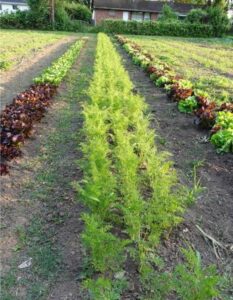
Many gardeners assume they are only useful on farms, but they can provide significant benefits even in small spaces. Raised beds, community gardens, and backyard vegetable plots all benefit from periods of living soil cover.
For example:
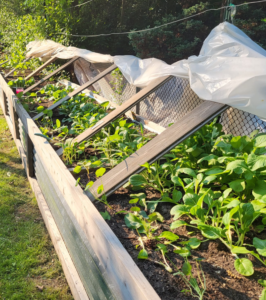
- After harvesting tomatoes in autumn, sow cereal rye mixed with crimson clover
- After early lettuce harvests, grow buckwheat for four to six weeks before planting fall vegetables
- Following potatoes, plant oilseed radish to loosen compacted soil naturally
- Rotate legumes into beds where nitrogen-demanding vegetables will be grown the following season
Even a few square feet of these crops can noticeably improve soil texture and fertility over time.
Frequently Asked Questions
Do they replace compost?
No, compost and cover crops complement one another. Compost adds stable organic matter to the soil, whereas cover crops provide live roots and new biomass constantly.
Will cover crops attract beneficial insects?
Yes. Very often, flowering plants, including buckwheat, red clover, and phacelia, produce nectar and pollen for bees, butterflies, hoverflies, parasitic wasps, and other useful insects.
Can they reduce fertilizer use?
In many cases, yes. Nitrogen-fixing legumes and nutrient-scavenging grasses can greatly reduce the quantity of additional fertilizer required, while the exact savings vary depending on soil conditions and crop requirements.
Are these crops suitable for organic gardening?
Absolutely. They are regarded as one of the fundamental principles of organic and regenerative gardening since they increase soil fertility organically while reducing dependency for synthetic inputs.
Conclusion
Healthy soil does not appear suddenly; it is developed season after season via careful treatment. Cover crops and green manure are two of the most effective, low-cost, and scientifically confirmed natural soil improvement techniques. Rather than leaving beds naked between harvests, these live plants continue to work under the surface, preventing soil erosion, absorbing nutrients, feeding beneficial bacteria, and providing vital organic matter.
Whether you want to grow bigger tomatoes, stronger peppers, more productive fruit trees, or just keep healthy raised beds, cover crops provide long-term benefits that last far beyond a single growing season. By selecting the right species, planting them at the right time, and maintaining them properly, you may turn exhausted soil into a resilient ecosystem capable of supporting strong plant growth year after year.
Finally, the healthiest gardens are those with live, biologically active soil, rather than those that receive the most fertilizer. Cover crops and green manure contribute to the formation of a vibrant subsurface community that supports productive gardens, biodiversity, natural resource conservation, and soil health for future generations.
Disclaimer
The content provided on this website is purely for educational purposes. We are neither nutritionists nor do we intend to mislead our readers by providing any medical or scientific information.