Are Aphids Pollinators: 3 Exclusive evidences
Introduction
Aphids—those tiny, soft-bodied insects more frequently classified as garden pests—rarely come to mind when the word “pollinator” is used. Instead, the mind naturally goes to bees covered in pollen, butterflies floating between blooms, or hummingbirds investigating tubular flowers. However, science presents a much more complex picture. Aphids discreetly contribute to pollination networks despite their reputation for sucking sap, particularly in ecological environments where traditional pollinators are scarce or nonexistent.
It is difficult to distinguish between “beneficial” and “harmful” insects when one considers aphids as pollinators. It challenges us to examine the intricate relationships between plants and insects that support biodiversity, micro-pollination dynamics, and ecological interdependence in more detail. In this blog, we will share some useful information that we have discussed in previous blogs, as well as on our YouTube channel.
Understanding Aphids Beyond the Pest Narrative
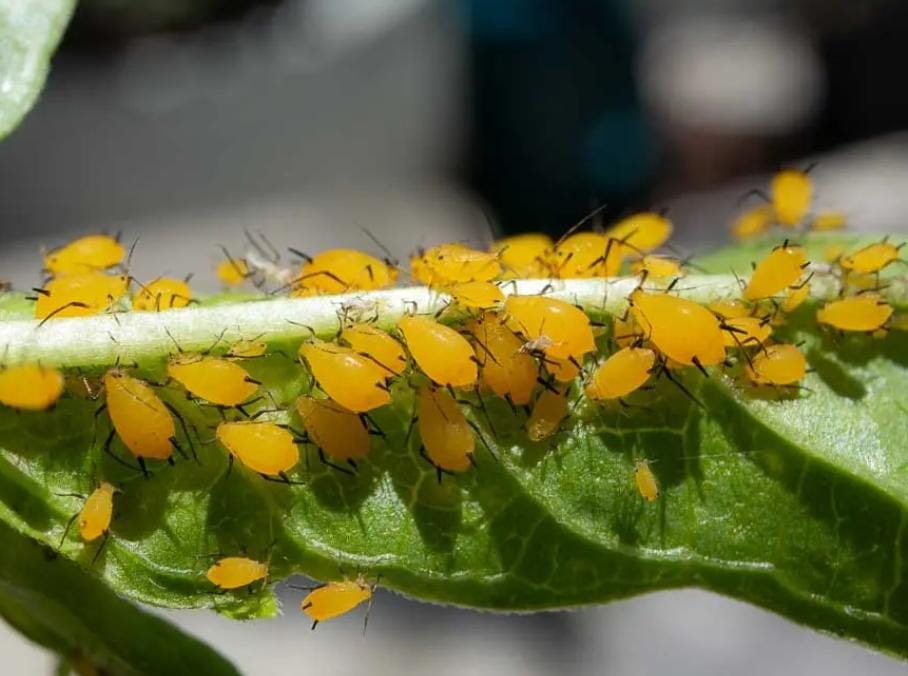
One of the most successful plant-feeding insects on Earth in terms of evolution is the aphid, which is a member of the order Hemiptera. Aphids’ capacity to reproduce quickly, transition between sexual and asexual life cycles, and colonize a variety of host plants is what makes them successful.
Aphids have historically been investigated in relation to agriculture because of their capacity to spread plant viruses and lower crop vigor. However, it is becoming more widely acknowledged in ecological study that creatures rarely have a singular function in the natural world. This also applies to aphids. They are part of the larger pollination web because of their frequent movement across plant surfaces, close contact with floral tissues, and interactions with nectar and pollen.
After all, purpose is not necessary for pollination. Contact is necessary, and these tiny masters do it well.
What Makes an Insect a Pollinator?
From a biological perspective, a pollinator is any organism that facilitates fertilization by transferring pollen from a flower’s male structures (anthers) to its female structures (stigma). This transfer could be intentional, unintentional, or even incidental.
Pollinators are frequently classified as:
- Primary pollinators, such as bees, butterflies, and hummingbirds, are crucial for the reproduction of many flowering plants. These plants often employ vibrant colors, enticing fragrances, and sweet nectar to actively attract these diligent creatures. By offering a rich and abundant food source, the flowers create a mutually beneficial relationship, ensuring the transfer of pollen and aiding in the continuation of their species.
- Secondary or incidental pollinators play an essential yet often understated role in the pollination process by providing support to primary pollinators. These creatures, lacking the specialized adaptations of their more dedicated counterparts, still contribute significantly to the fertilization of various plants. They include a diverse array of species, from generalist bees and butterflies to beetles and other insects, each facilitating the transfer of pollen as they forage for nectar or browse for food. Their activities not only bolster the effectiveness of more specialized pollinators but also ensure the continuation of plant reproduction, highlighting the importance of biodiversity in healthy ecosystems.
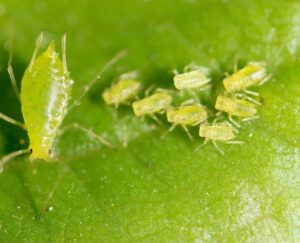
The second group includes aphids. Aphids frequently visit floral structures and can carry viable pollen grains on their bodies, legs, and mouthparts, but plants have not evolved expressly to attract aphids for pollination.
How They Interact with Flowers
Many kinds of aphids actively visit flowers, despite the fact that they are more commonly known for feeding on stems and leaves. Aphids are offered by flowers:
- High sugar concentrations
- Softer tissues to allow for the penetration of stylets
- Defense against predators
- Warm microclimates.
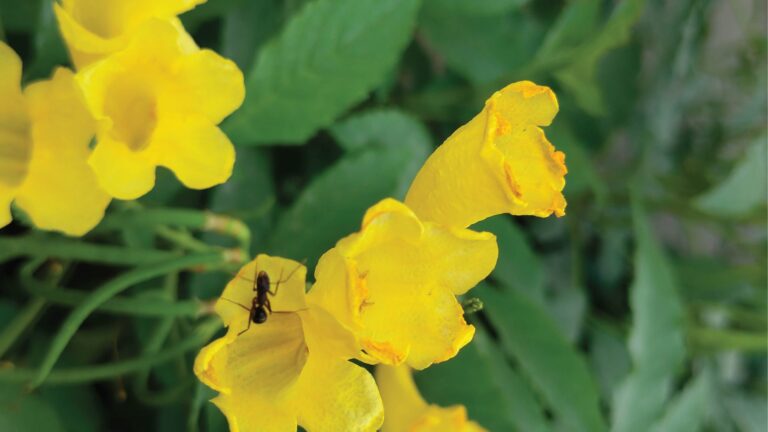
Aphids unintentionally gather pollen by crawling across anthers and stigmas while feeding. When aphids travel to another flower of the same species, their thin body hairs and waxy cuticle can catch pollen grains, which are then deposited.
Aphid movement can be unexpectedly successful in promoting pollen transmission in plants with tiny, open, or clustered blooms.
Evidence of Aphids as Pollinators
Aphid-mediated pollination has been seen by scientists in a variety of plant systems. According to research, aphids may transmit both sticky and dry pollen, and occasionally the pollen grains are still alive after being transported.
Field tests conducted in controlled settings show that:
- In contrast to plants that are kept in isolation without any exposure to aphids, those that interact with these pests are observed to produce a significantly higher number of seeds. This increase in seed production may indicate a defensive response or adaptive strategy that plants utilize when faced with herbivory, potentially enhancing their reproductive success in environments where aphid infestation is common.
- Studies have shown that the presence of aphids can significantly enhance the deposition of pollen on the stigmas of flowering plants. This interaction may occur because aphids, while feeding on plant sap, create a conducive environment that attracts pollinators. The honeydew secreted by aphids not only serves as a food source for various insects but also encourages their activity around the flowers. As these pollinators visit the plants, they inadvertently facilitate the transfer of pollen to the stigmas, leading to increased fertilization opportunities and potentially higher seed production.
- Pollination can occur even in the absence of bees and flies, as many plants have adapted to various other methods of reproduction. For instance, certain species rely on wind to carry their pollen from one flower to another, a process known as anemophily. Additionally, some plants can self-pollinate, meaning they can transfer their pollen within the same flower or between flowers on the same plant. This ability allows them to reproduce without the need for external pollinators. Furthermore, other insects, birds, and even water can also play a role in pollination, highlighting the diverse mechanisms that ensure the continuation of plant life, regardless of the presence of traditional pollinators.
Early flowering plants, wind-pollinated species with additional insect pollination, and plants living in confined or shaded areas are especially affected.
Aphids and Small-Flowered Plants
The best plants for aphids to pollinate are those that have:
- Reproductive organs that are either partially exposed or situated at a shallow depth can create various implications in both biological and medical contexts. These anatomical features may influence reproduction, health risks, or the effectiveness of certain medical examinations and surgeries. Understanding the positioning and exposure of these organs is crucial in areas such as anatomy, veterinary medicine, and even in discussions surrounding human health and wellness.
- The nectar’s low depth indicates a limited volume or concentration, potentially affecting its availability to pollinators. This may result from a variety of factors, such as the type of flower, environmental conditions, or the plant’s health. A shallow nectar pool can influence the behavior of insects and birds seeking nourishment, as they may need to extract nectar more frequently or in greater numbers to meet their energy needs. Additionally, a reduced nectar depth may impact the overall reproductive success of the plant, as it could deter pollinators from visiting altogether.
- Vibrant clusters of blooming flowers, their petals tightly packed together, create a lush and colorful display that bursts with life and fragrance. Each bloom showcases a rich variety of colors and shapes, forming a dense tapestry that attracts the eye and invites admiration. The contrasting hues dance in the gentle breeze, highlighting the intricate details of nature’s design.
- The landscape presents very few structural obstacles, allowing for easy navigation and fluid movement throughout the area. The minimal presence of barriers facilitates a seamless flow, enhancing accessibility and reducing potential challenges in traversing the terrain.
Numerous herbs, grasses, sedges, and wildflowers are examples. Only movement over floral surfaces are needed for pollination in these plants; neither long proboscises nor specific behaviors are necessary.
They can produce multiple pollen transfer events over short distances, boosting the chance of successful fertilization because of their high population density and continuous movement.
The Role of Honeydew in Pollination Ecology
Honeydew, a sugar-rich secretion produced during sap eating, is one of the most intriguing indirect ways aphids affect pollination. Ants, flies, wasps, and other insects are drawn to honeydew, which builds up on leaves and flowers.
A secondary pollination pathway is therefore created:
- Honeydew is produced by aphids
- Other insects visit blooms covered in honeydew
- These insects move pollen from one plant to another.
Aphids improve pollinator diversity and activity in plant communities by acting as ecological facilitators.
Aphids in Low-Pollinator Environments
In environments devoid of conventional pollinators, like:
1. High Altitudes
Elevated levels typically refer to a state where a particular measurement or concentration exceeds the normal or expected range. This can apply to various contexts, such as blood pressure readings, chemical concentrations in the environment, or even performance metrics in business. For instance, elevated levels of cholesterol in the bloodstream can indicate an increased risk for heart disease, while elevated pollution levels in the air can have detrimental effects on public health. Understanding what causes these elevated levels and the implications they carry is crucial for assessment and intervention in health, environmental science, and data analysis.
2. Ecosystems in Early Spring
Ecosystems in early spring awaken from winter, as rising temperatures spark a vibrant resurgence of life. Budding plants emerge from thawing soil, while trees blossom with fresh leaves and colorful flowers, attracting pollinators like bees and butterflies. Aquatic environments also come to life, with melting ice creating habitats for frogs and salamanders during their mating rituals. Birds return from migration, filling the air with songs as they seek nesting sites. This delicate balance of spring ecosystems supports diverse flora and fauna, setting the stage for the warmer months ahead.
3. Dense Forests
Forests that are dense are characterized by a thick canopy of foliage, where towering trees interlace their branches, creating a natural roof that filters sunlight. This rich environment supports a diverse range of plant and animal life, fostering intricate ecosystems. The undergrowth is often lush, populated with shrubs, ferns, and young trees vying for light, while the sounds of rustling leaves and wildlife provide a symphony of nature. In these vibrant habitats, moisture levels are typically high, resulting in a microclimate that can sustain various species and promote growth. Overall, dense forests are vital ecosystems that play a crucial role in biodiversity, climate regulation, and soil preservation.
4. Greenhouses
Greenhouses are structures designed to create ideal growing conditions for plants. Made from transparent materials like glass or plastic, they trap sunlight and heat, allowing growers to regulate temperature, humidity, and ventilation year-round. These structures range from small hobbyist models to large commercial complexes and can include features like advanced irrigation and grow lights. By minimizing the need for pesticides and extending the growing season, greenhouses contribute to sustainable agriculture and food security. They are essential tools for gardeners, farmers, and researchers, enabling the cultivation of a wide variety of plants in a controlled environment.
5. Microhabitats in Urban Areas
Microhabitats in urban areas play a crucial role in supporting biodiversity and enhancing ecological resilience. These specialized environments, which can include pockets of greenery, rooftop gardens, and even neglected lots, often provide unique conditions that differ from the surrounding urban landscape. Within cities, microhabitats can foster a variety of plant and animal species, offering them shelter, food, and breeding grounds. For example, a small garden with native plants might attract pollinators like bees and butterflies, while a rain garden can help manage stormwater runoff by absorbing excess water.
These tiny worms can start to play a disproportionate role. When bees or butterflies are not active, their capacity for quick reproduction guarantees a steady insect presence.
For example, they may appear before many pollinating insects in early spring, enabling early-blooming plants to successfully reproduce.
Aphids and Wind-Pollinated Plants
Insect aid can improve pollination efficiency even in wind-pollinated plants. These insects often live in grasses, grains, and sedges; they increase pollen contact by crawling across inflorescences.
This additional pollination by insects can:
- Enhance the seed set
- Reduce pollen waste
- Maintain reproduction when there is little breeze.
The assumption that pollination methods exist on a continuum is reinforced by these interactions, which blur the distinction between systems pollinated by insects and those pollinated by the wind.
Aphids, Mutualisms, and Ecosystem Balance
Aphids are found in intricate ecological networks that include:
- Plants that host
- Predators (lacewings, lady beetles)
- Wasps that are parasitoids
- Ants
- Microorganisms.
One thread in this network is pollination. Aphids indirectly nourish the very plants that provide food for herbivores, predators, and decomposers by aiding in plant reproduction.
Agricultural Implications
They undoubtedly inflict economic harm in agriculture. However, widespread chemical eradication can weaken ecosystem resilience, destroy beneficial insects, and interfere with pollination networks.
The emphasis of integrated pest management strategies is growing:
- Control based on thresholds
- Diversification of habitats
- Pollinator-friendly methods.
While acknowledging these tiny heroes as sporadic pollinators, does not imply that their harm should be ignored, it does promote balanced management as opposed to indiscriminate eradication.
Aphids in Controlled and Urban Ecosystems
In greenhouses, vertical farms, and urban gardens, aphids may serve as unexpected pollinators where bees are excluded. Their presence can support seed production in herbs, ornamentals, and experimental plantings.
Urban ecosystems, in particular, rely heavily on non-traditional pollinators. Aphids, with their adaptability, may contribute more to urban plant reproduction than previously acknowledged.
Ethical and Ecological Reframing
We must transcend moral assessments of species, according to modern ecology. Aphids are players in dynamic systems that have been molded by millions of years of coevolution; they are neither heroes nor villains.
We can better comprehend biodiversity and ecosystem function by redefining aphids as multifunctional species, including pollinators.
Conclusion
In the public’s mind, aphids are unlikely to ever take the role of bees. They play a silent, limited, and frequently undetectable role in pollination. However, research reminds us that ensembles—where even the smallest individuals’ matter—maintain ecosystems rather than individual stars. Understanding aphids as pollinators strengthens our understanding of ecological complexity and reaffirms a fundamental biological truth: nature is waste-free. No matter how tiny, every action, conversation, and trade adds to the continuation of life.
Ultimately, aphids teach us a valuable lesson: in ways we are only now starting to comprehend, often the most ignored species are the ones keeping ecosystems together.
Disclaimer
The content provided on this website is purely for educational purposes. We are neither nutritionists nor do we intend to mislead our readers by providing any medical or scientific information.