Where to Grow Butterfly Weed: 6 Exclusive Tips
Introduction
A native North American wildflower, butterfly weed is valued for its vivid flowers, drought tolerance, and ecological relationship with several butterfly species, particularly monarchs. Unlike many traditional ornamental perennials, it does not require rich soil or constant attention. Once established in the right location, it can survive challenging growing conditions and return year after year.
Imagine a garden filled with clusters of brilliant orange flowers, buzzing bees, and butterflies moving from bloom to bloom. Now imagine enjoying that colorful display without spending hours watering, fertilizing, or maintaining the plants. That is exactly what butterfly weed (Asclepias tuberosa) brings to a home garden.
However, its value extends beyond its ornamental appeal. Butterfly weed provides nectar for adult pollinators and serves as a food plant for caterpillars. It’s unusual flowers, deep root system, and distinctive seed pods also make it an interesting addition to naturalistic landscapes.
Whether you are developing a pollinator garden, replacing a demanding ornamental plant, or adding more native species to your landscape, butterfly weed deserves consideration. Understanding its growth habits, propagation requirements, and seasonal needs will help you establish a healthy plant that can thrive for many years.
What Is Butterfly Weed?
Butterfly weed is a herbaceous perennial belonging to the dogbane family, Apocynaceae. Its scientific name is Asclepias tuberosa, and it belongs to the milkweed genus, which includes several important host plants for monarch butterflies. The plant is native to a wide area of North America, particularly the eastern and southern United States, extending into parts of Canada and Mexico. It naturally grows in prairies, dry meadows, open woodlands, rocky slopes, sandy fields, and roadsides.
Its common name comes from the remarkable number of butterflies it attracts during flowering. The botanical name also offers an interesting clue about its growth. Asclepias refers to Asclepius, the Greek god of medicine, while tuberosa describes its thickened root structure. Butterfly weed is sometimes called orange milkweed or butterfly milkweed. It is particularly recognizable because of its bright orange flowers and upright growth habit.
One important botanical distinction separates it from many other milkweed species: butterfly weed produces clear sap rather than the familiar white, milky latex associated with common milkweed. However, this characteristic does not make the plant safe to consume. It contains naturally occurring compounds that require careful handling.
According to the University of Wisconsin–Madison Division of Extension, butterfly weed is hardy across approximately USDA zones 3a through 9b. Mature plants generally reach 1.5 to 3 feet in height and can develop into similarly sized clumps under suitable conditions.
Identifying Butterfly Weed: Flowers, Leaves, and Roots
Butterfly weed is easy to recognize once you become familiar with its growth pattern. Unlike plants that depend on large leaves or complicated branching structures to create visual interest, its appearance comes from the combination of narrow foliage, upright stems, and tightly packed flower clusters.
Flowers: The flowers are the plant’s most recognizable feature. They appear in flat-topped or slightly rounded clusters at the ends of stems and sometimes in the upper leaf axils. Individual flowers are relatively small, but together they produce a striking display.
The traditional flower color is bright orange, although yellow, reddish-orange, and red-flowered selections are also available. The clusters can measure approximately 2 to 5 inches across.
Each flower has five reflexed petals and a distinctive central structure made up of hoods and horns. These specialized floral structures are characteristic of milkweeds and contribute to their unusual pollination mechanism.
Leaves: Butterfly weed produces narrow, lance-shaped to oblong leaves. They are generally dark green, sometimes with a slightly glossy upper surface and a lighter, finely hairy underside. The leaves grow along upright or slightly ascending stems and are arranged primarily alternately. Their relatively modest size allows the colorful flower clusters to remain the main visual attraction.
Stems: The stems are usually green, sometimes with reddish or purplish coloring, and may have a slightly hairy texture. Several stems emerge from the base, creating a bushy appearance as the plant matures.
Roots: Perhaps the most important feature is underground. Butterfly weed develops a substantial taproot with thickened, woody sections. This root system helps the plant access moisture deeper in the soil, contributing to its ability to tolerate dry conditions. The same root structure explains why mature plants dislike being moved. Disturbing or cutting through the taproot can seriously affect establishment.
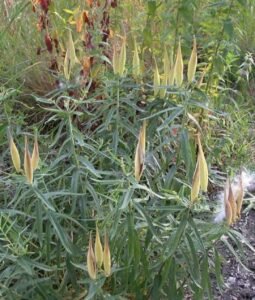
Seed pods: Following successful pollination, narrow, spindle-shaped seed pods develop. Initially green, they gradually turn grayish or brown as they mature. When the pods split open, they reveal numerous flattened brown seeds, each attached to a silky tuft of hairs. These hairs help the seeds travel through the air, allowing butterfly weed to establish new plants beyond its original growing location.
Why Butterfly Weed Matters to Butterflies and Other Pollinators
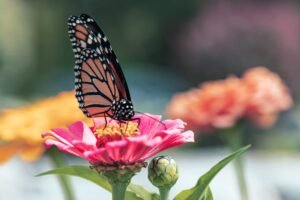
Butterfly weed is more than a decorative perennial. Its ecological importance comes from supporting different stages of insect life. The relationship between milkweeds and monarch butterflies is particularly significant. Monarch caterpillars depend on milkweed plants as their larval food source. Female monarchs lay eggs on suitable milkweed foliage, and once the eggs hatch, the caterpillars feed on the leaves.
Asclepias tuberosa is one of the native milkweed species that can support monarch caterpillars. It also serves as a host plant for other insects, including queen butterflies, soldier butterflies, and milkweed tussock moth caterpillars. As caterpillars feed, they may remove considerable portions of the foliage. This can be concerning for gardeners who expect every ornamental plant to remain perfectly intact. However, leaf consumption is a natural part of the plant’s ecological role. Healthy established butterfly weed generally recovers from ordinary caterpillar feeding.
Adult butterflies visit its flowers for nectar. The blooms also attract a variety of bees, wasps, beetles, and other beneficial insects. Hummingbirds may visit the nectar-rich clusters as well.
It is important to understand the difference between a host plant and a nectar plant. A nectar plant provides food for adult butterflies, while a host plant supplies the specific foliage required by developing caterpillars. Butterfly weed performs both functions.
Nevertheless, planting a single butterfly weed does not create a complete butterfly habitat. A more supportive garden combines several native milkweed plants with other flowering species that provide nectar throughout the growing season. The University of Maryland Extension recommends planting multiple milkweed specimens, or incorporating additional milkweed species, when the goal is to provide meaningful monarch habitat.
Ideal Growing Conditions for Butterfly Weed
One reason butterfly weed is becoming a popular choice for environmentally conscious gardeners is its ability to thrive in relatively challenging locations. However, drought tolerance should not be confused with an ability to survive every difficult soil condition. The plant has a few specific requirements, and drainage is probably the most important.
Sunlight Requirements
Butterfly weed performs best in full sunlight. Choose a location receiving at least six hours of direct sunlight each day, preferably with additional exposure during the morning and afternoon. Adequate sunlight encourages stronger stems, healthier foliage, and more abundant flowering. Plants grown in heavily shaded locations may produce fewer blooms and develop a less compact growth habit.
Partial shade is tolerated, particularly in warmer climates, but it should not be the first choice when flowering is the main objective. In regions experiencing intense summer temperatures, a little afternoon shade may help reduce heat stress. Nevertheless, avoid placing butterfly weed beneath dense trees or alongside buildings that block most of the available sunlight.
Soil Type and Drainage
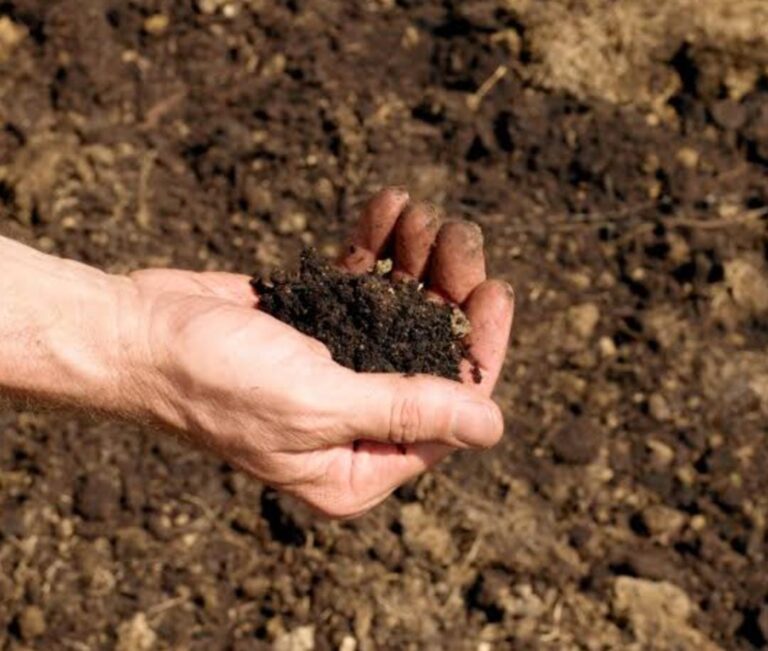
Butterfly weed naturally grows in sandy, rocky, and relatively nutrient-poor environments. This makes it particularly suitable for areas where more demanding perennials struggle.
The ideal soil is loose, well-drained, and moderately dry. Sandy loam is an excellent option because it provides enough moisture retention for root development without remaining saturated for extended periods.
Interestingly, butterfly weed can also grow in certain clay soils, provided water drains efficiently. Heavy, compacted clay that remains wet after rainfall is a much greater problem than clay texture itself.
Constantly saturated soil can damage the root crown and encourage crown rot. If your garden has poor drainage, consider a raised planting area or a different location rather than attempting to compensate with additional fertilizers.
The plant generally tolerates a range of soil pH conditions, although neutral to slightly alkaline conditions are suitable.
Temperature and Climate
Butterfly weed is adapted to a wide range of North American climates. Its perennial root system allows it to survive cold winters, while its deep-reaching roots help established plants cope with periods of limited rainfall. It naturally dies back during winter and produces new growth when temperatures become favorable in spring.
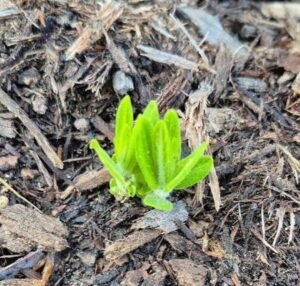
In colder regions, gardeners should not mistake its delayed spring emergence for plant failure. Butterfly weed often appears later than many neighboring perennials, so marking its location before winter can prevent accidental digging or damage.
How to Plant Butterfly Weed in Your Garden
You can establish butterfly weed through nursery-grown plants or seeds. Both approaches work, but they offer different advantages. Nursery-grown plants provide a quicker start, particularly when you want to establish a flowering perennial without waiting several growing seasons. Choose healthy specimens with firm stems and well-developed foliage. Avoid plants with damaged crowns or roots showing signs of decay.
When planting, select the permanent location carefully. Dig a hole wide enough to accommodate the root system without forcing or bending it. Position the plant at approximately the same depth at which it was growing in its nursery container. Backfill with the original soil, gently firm the surface, and water thoroughly.
Allow approximately 18 to 24 inches between plants, adjusting the distance according to the mature size of the variety and the desired landscape appearance. This provides adequate room for airflow and future growth. Water newly planted specimens regularly while they establish their roots. Once the plants become established, gradually reduce supplemental irrigation according to rainfall and local growing conditions.
Avoid placing butterfly weed where water collects after heavy rain. A sunny location with natural drainage will generally produce better results than a carefully amended but persistently wet planting site.
Growing Butterfly Weed From Seeds
Growing butterfly weed from seeds is an economical way to introduce several plants into a garden. It also allows gardeners to develop larger native plantings without purchasing numerous mature specimens. However, successful germination requires some preparation.
Collecting and Preparing Seeds
If you already have a mature plant, watch its seed pods toward the end of the growing season. The pods begin green and gradually change color as they mature. When they become dry and start splitting, the seeds are ready to disperse naturally. Each seed has a silky structure called a coma, which acts like a parachute and helps it travel with the wind.
Collect mature pods before they release their seeds. Open them carefully and separate the brown seeds from the attached silky material. Avoid collecting every available pod from wild populations. Leaving some seeds behind allows natural regeneration and supports the surrounding ecosystem.
Understanding Cold Stratification
Butterfly weed seeds may benefit from cold, moist stratification before germination. This process imitates the natural winter conditions that many native plant seeds experience before sprouting in spring. According to Oklahoma State University Extension, a 30-day cold, moist stratification period is a useful starting point for butterfly weed and several other native milkweed species.
To prepare seeds indoors:
- Place the seeds between layers of a clean paper towel lightly moistened with water.
- Put the towel inside a sealed plastic bag.
- Store it in a refrigerator at approximately 35–40°F.
- Keep the material slightly moist rather than soaking wet.
- After approximately 30 days, remove the seeds and prepare them for sowing.
Check periodically for mold or premature germination. A wet, poorly ventilated seed environment can damage the seeds.
Sowing and Germination
After stratification, sow the seeds in individual deep containers or seed-starting cells. Butterfly weed develops a taproot early, so deeper containers are preferable to shallow trays. Use a sterile, well-draining seed-starting medium. Keep the growing medium consistently moist during germination without allowing it to become waterlogged. A temperature around 70–75°F is suitable for germination. University of Florida IFAS Extension indicates that seeds may germinate in approximately three to four weeks under suitable conditions.
Once seedlings develop several true leaves, continue growing them until they are sufficiently established for outdoor planting. Handle them carefully during transplanting. Young roots are easily disturbed, and unnecessary root damage can delay development. Be patient with seed-grown plants. Butterfly weed may take two to three years to become established and produce its first substantial flowers.
Watering and Fertilizing: Less Can Be Better
Butterfly weed is a relatively low-maintenance perennial, especially after its root system becomes established. During its first growing season, regular watering helps young plants develop healthy roots. The soil should be allowed to dry slightly between waterings rather than remaining continuously wet. Established plants are considerably more drought tolerant. They can survive periods of reduced rainfall, although prolonged extreme drought may still affect flowering and overall appearance.
Avoid frequent shallow watering. Occasional deeper irrigation during extended dry spells is generally more useful than repeatedly wetting only the soil surface. Fertilizer is usually unnecessary. Butterfly weed naturally grows in relatively poor soils, and routine enrichment of the planting area does not offer a meaningful advantage.
Instead, focus on maintaining good soil structure and drainage. Heavy applications of fertilizers can also encourage unnecessary foliage growth at the expense of the compact appearance gardeners often want. A light application of compost around the surrounding planting area is sufficient when soil improvement is genuinely needed. Keep added organic material away from the plant’s crown.
Seasonal Maintenance and Pruning
Butterfly weed does not require complicated pruning routines, but understanding its seasonal growth pattern helps prevent unnecessary damage. During spring, new shoots emerge relatively late. Resist the temptation to disturb the planting area simply because neighboring perennials are already growing. In summer, the plant produces its flower clusters. Deadheading spent blooms can encourage another flush of flowers in some growing conditions. However, this means sacrificing the developing seed pods.
During autumn, successful pollination produces elongated pods. Allowing some to mature provides seeds for natural regeneration and future propagation. As temperatures decrease, the foliage gradually turns yellow and the aboveground stems die back. Although the plant may look lifeless, its root system remains underground. Leave the dead stems standing through winter if practical, then cut them back in late winter or early spring before new growth becomes substantial.
Mark the planting location so you do not accidentally dig into the dormant crown. Once established, avoid dividing or moving butterfly weed unnecessarily. Its substantial taproot makes relocation more difficult than with many other garden perennials.
Common Pests and Diseases
Butterfly weed is generally a resilient plant, but it can still experience problems under unfavorable growing conditions. The most recognizable pest is the oleander aphid. These small, bright yellow insects often gather in dense colonies around young stems, leaves, and flower buds. A few aphids are not necessarily a reason for concern. Lady beetles, lacewings, and other beneficial insects naturally feed on them.
For larger infestations, begin with a strong but controlled stream of water to remove aphids. Repeat the treatment over several days if necessary. Insecticidal soap can be considered when infestations persist, but it should be used carefully and according to the product label. Avoid spraying flowers or directly treating monarch caterpillars and other beneficial insects.
Other problems include leaf spot and rust diseases, which may cause discoloration or spotting on foliage. Crown rot is particularly concerning because it is associated with persistently wet soil. Plants growing in poorly drained locations may develop weakened roots and eventually decline.
Correcting drainage problems is more effective than repeatedly treating symptoms. Allowing adequate spacing between plants also improves airflow and reduces prolonged moisture on foliage. Caterpillar feeding should not automatically be classified as pest damage. If monarch caterpillars are using the plant, some leaf loss is a sign that it is performing an important ecological function.
The North Carolina State University Extension Plant Toolbox identifies aphids, rust, leaf spot, and crown rot among the potential problems affecting butterfly weed.
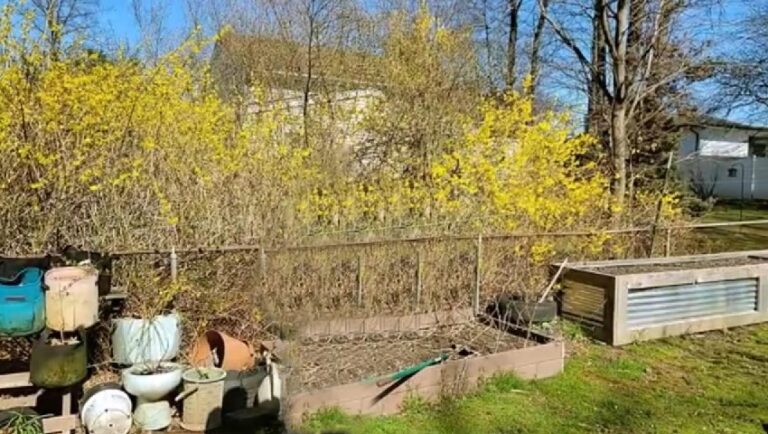
Landscape Design Ideas: Where to Grow Butterfly Weed
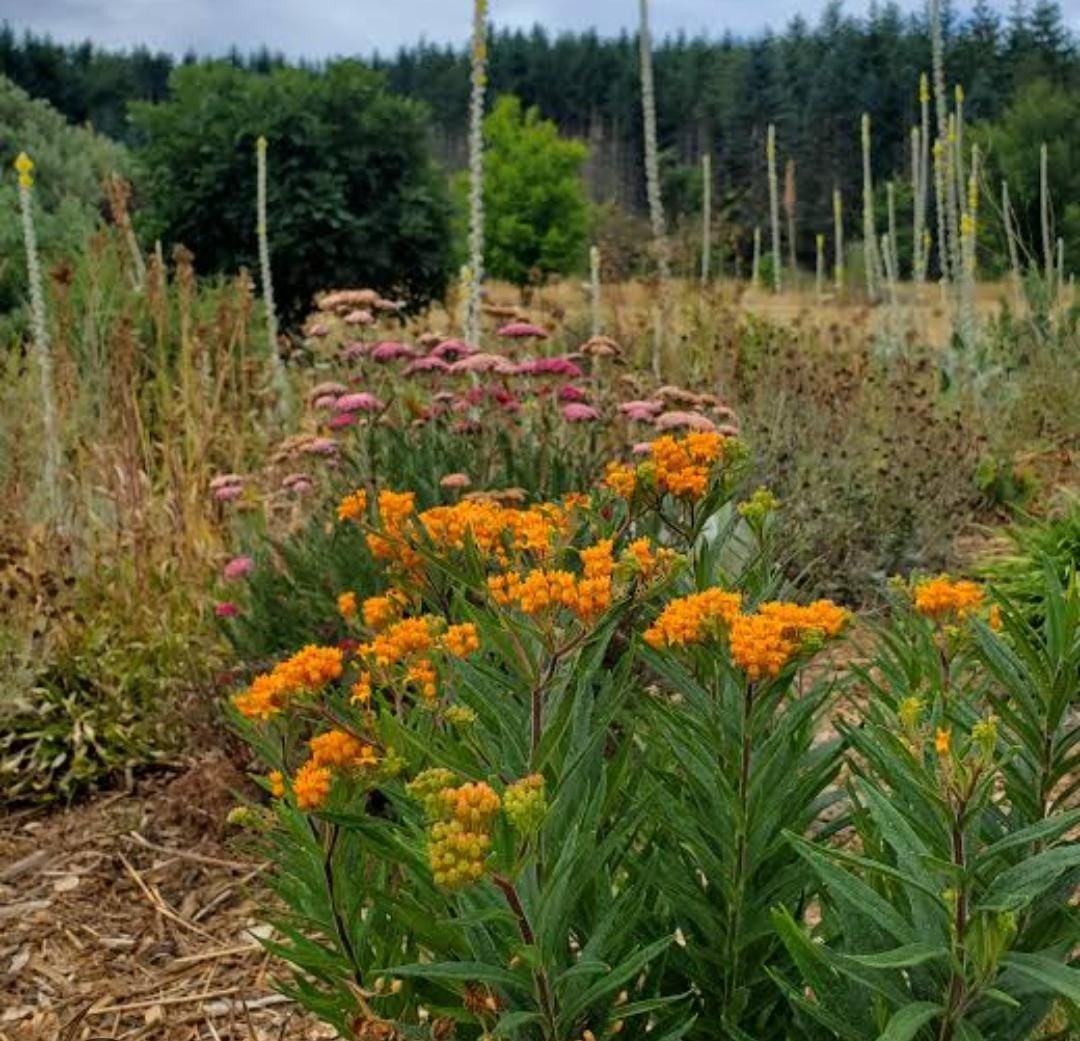
The vivid orange color of butterfly weed makes it an excellent addition to naturalistic landscapes and mixed perennial borders. Its upright stems and relatively compact size allow it to fit comfortably into several garden styles.
Pollinator gardens: Plant groups of butterfly weed alongside native nectar-producing flowers. Combining different flowering periods creates a more useful habitat than relying on a single summer-flowering species.
Prairie-style gardens: Pair butterfly weed with native grasses such as little bluestem. The grasses create a natural background that highlights the orange flower clusters while adding texture and movement.
Rock gardens: Its preference for well-drained soil makes butterfly weed suitable for sunny rock gardens and gravel-based planting areas.
Perennial borders: Combine it with purple coneflower, black-eyed Susan, coreopsis, and blazing star. These plants create contrasting colors and provide additional nectar resources.
Roadside and slope plantings: Butterfly weed is particularly useful on sunny slopes where water drains quickly, and conventional ornamental plants may struggle.
Container gardens: Butterfly weed can also grow in large containers or above-ground planters. However, its deep root system makes container selection important. Choose a generously deep container with drainage holes, use a well-draining growing medium, and avoid allowing water to accumulate around the roots. Container-grown plants also require more attention to watering and winter root protection than plants growing in the ground.
For a particularly attractive color combination, consider pairing orange butterfly weed with blue or purple flowering plants. The contrasting colors make the flowers stand out without requiring an elaborate landscape design.
Can You Grow Butterfly Weed for Cut Flowers?
Yes. Butterfly weed can be used in floral arrangements, although cutting flowers reduces the number of blooms available to visiting pollinators. Its bright flower clusters provide a distinctive warm color that works well in summer arrangements. However, gardeners who are establishing a pollinator habitat may prefer to leave most flowers on the plant.
If you harvest flowers, use clean cutting tools and handle the stems carefully. Remember that butterfly weed contains potentially irritating compounds, so gloves are advisable. Allowing a portion of the flowers to mature naturally also provides an opportunity to collect seeds for future planting.
Is Butterfly Weed Toxic?
This is an important consideration, particularly in gardens where children and pets spend time outdoors. Although butterfly weed does not produce the white milky sap common in many other milkweeds, it still contains cardiac glycosides and other potentially irritating compounds. Ingestion can cause gastrointestinal symptoms, including vomiting. The plant’s sap may also cause contact dermatitis in susceptible individuals.
The absence of milky latex should never be interpreted as evidence that butterfly weed is harmless. Wear gardening gloves when handling cut stems, avoid touching your eyes or mouth during maintenance, and wash your hands afterward. Keep pets and children from chewing the foliage, flowers, or roots.
The plant has a history of traditional medicinal use, particularly its roots, which contributed to the common name pleurisy root. However, historical use does not establish that it is safe for home remedies. Do not prepare or consume any part of the plant for medicinal purposes.
The University of Florida IFAS Extension documents the plant’s cardiac glycosides, resinoids, and potential ingestion and skin-contact effects.
Final Thoughts
Butterfly weed is an excellent example of how a beautiful ornamental plant can also contribute to a healthier garden ecosystem. Its vibrant orange flowers bring movement and color to summer landscapes, while its foliage provides food for monarch and other butterfly caterpillars. Its requirements are relatively straightforward: plenty of sunshine, well-drained soil, careful watering during establishment, and minimal disturbance once mature.
Perhaps its greatest appeal is that it does not demand perfect gardening conditions. It can flourish in sunny, relatively dry locations where many traditional perennials struggle. For North American home gardeners interested in native plants, pollinator support, and low-maintenance landscaping, butterfly weed is a rewarding addition. Give it a suitable permanent location, allow its natural growth cycle to unfold, and let the butterflies become part of the garden experience.
Disclaimer
The content provided on this website is purely for educational purposes. We are neither nutritionists nor do we intend to mislead our readers by providing any medical or scientific information.