Anaheim Peppers: 4 Magnificent Companions
Introduction
The Anaheim peppers are more than just a roasting or stuffing spice. When people hear the word “pepper,” their thoughts generally turn to sweltering heat, wet eyes, and emergency gulps of milk. However, not every chili pepper attempts to put your mouth on fire. Some peppers take a subtler approach, combining taste, aroma, sweetness, and just enough heat to keep things interesting. The Anaheim pepper is firmly in that category. It is the reliable middle ground between sweet bell peppers and scorching spicy chilies, and it has earned a place in home gardens, commercial farms, and kitchens across North America. With a lengthy botanical history, remarkable nutritional content, and an unexpectedly flexible growth habit, it is an intriguing agricultural crop.
When given the proper ratio of warmth, sunlight, nutrients, and moisture, Anaheim peppers reward producers with robust plants and bountiful harvests in both backyard raised beds and greenhouse systems. This pepper is a dependable performer for gardeners. It is a versatile ingredient for cooks. Additionally, it is a prominent member of Capsicum annuum, one of the most economically significant pepper species in the world, for scientists researching plant breeding, capsaicin production, and stress tolerance.
What Is an Anaheim Pepper?
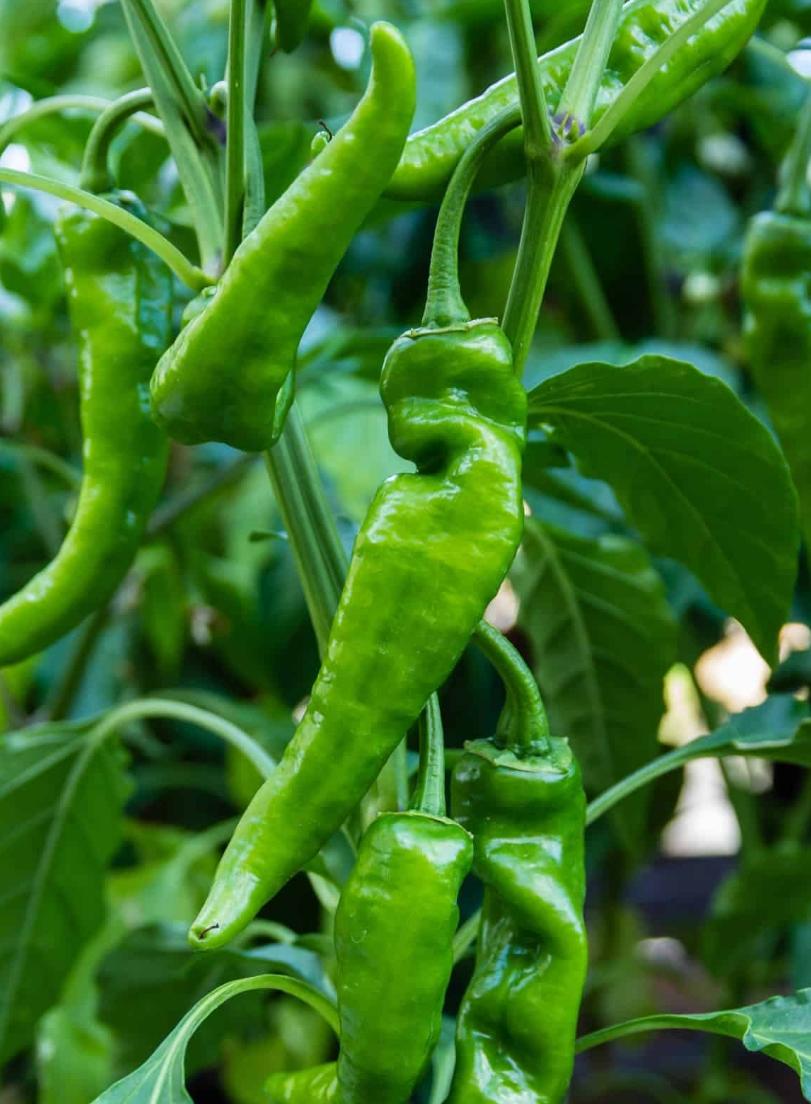
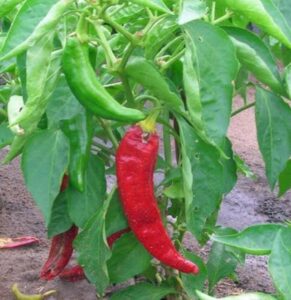
The Anaheim pepper is a mild variety of Capsicum annuum, which also includes bell peppers, paprika peppers, jalapeños, and cayenne peppers. When they are young, Anaheim peppers are usually medium green, elongated, and smooth-skinned. While most are harvested while green, they may become red as they reach full maturity. These peppers are perfect for roasting, grilling, stuffing, and sautéing because of their thick but sensitive flesh and typical length of 6 to 10 inches. Compared to many other chili peppers, they have a much softer flavor profile that is earthy, slightly sweet, and slightly smoky when roasted.
Anaheim peppers often fall between 500 and 2,500 Scoville Heat Units (SHU) on the scale. This indicates that they can still give a modest kick, but they are far milder than jalapeños. The pepper is closely linked to Mexican and Southwestern cuisine, especially stews, enchiladas, salsas, chile rellenos, and roasted pepper sauces. However, the Anaheim pepper’s agricultural significance goes beyond the kitchen because of its versatility and comparatively high output potential.
The History Behind the Anaheim Pepper
Despite its name, the Anaheim pepper did not originate in California. Its roots can be traced back to New Mexico, where chili production has been practiced for millennia. Indigenous tribes created regional chili varieties long before European colonization of the Americas.
In the late nineteenth and early twentieth centuries, New Mexican chili varieties were introduced to California agriculture. Emilio Ortega, a farmer, is largely credited with transporting pepper seeds from New Mexico to Anaheim, California, where they thrived under the local growing conditions. Over time, the pepper became connected with the city itself, earning the moniker “Anaheim Pepper.”
This historical movement exemplifies a key agricultural principle: plant varieties change via both genetic selection and environmental adaptation. Soil type, temperature, humidity, irrigation practices, and regional breeding efforts all influence the final attributes of a crop. In many ways, the Anaheim pepper exemplifies how agriculture moves, adapts, and reinvents itself across terrain.
Botanical Characteristics
Anaheim pepper plants are warm-season perennials that grow as annuals in most temperate areas. Under ideal conditions, plants typically reach a height of 18 to 36 inches, with a bushy structure and many fruit-bearing branches. The leaves are large, smooth, and medium green, allowing for efficient photosynthesis in intense sunlight. Flowers are normally white with pale green centers and self-pollinating, though insects and wind can aid pollination.
Anaheim plants, like many peppers, are cold-sensitive due to their tropical lineage, which evolved in warm settings. As we discussed earlier in our blogs about peppers, low temperatures can inhibit flowering, restrict development, and interfere with fruit set. The fruits themselves begin green and progressively turn scarlet. During ripening, significant biochemical changes occur within the pepper:
- Chlorophyll decreases
- Carotenoid pigments increase
- Sugar concentrations rise
- Flavor compounds intensify
- Capsaicin levels may fluctuate
These modifications affect not just flavor but also nutritional makeup.
Nutritional and Health Benefits
Anaheim peppers may not have the “superhot” reputation of ghost peppers or habaneros, but nutritionally they outperform their weight class. They are low in calories yet high in vitamins, antioxidants, and bioactive substances.

Vitamin C Powerhouse
Anaheim peppers are rich in vitamin C, which is an important antioxidant involved in:
- Immune support
- Collagen synthesis
- Iron absorption
- Cellular protection against oxidative stress
Fresh peppers frequently have more vitamin C than many other fruits. However, vitamin C is heat sensitive, thus prolonged cooking can diminish concentrations.
Vitamin A and Carotenoids
When Anaheim peppers ripen from green to red, carotenoid production increases dramatically. These pigments promote vitamin A action and support:
- Eye health
- Immune function
- Skin integrity
- Cellular communication
Red Anaheim peppers often have higher carotenoid contents than green ones.
Capsaicin and Metabolic Effects
Although Anaheim peppers are mild, they do contain capsaicin, the chemical responsible for chili heat.
Capsaicin has been thoroughly investigated for potential roles in:
- Pain modulation
- Metabolic stimulation
- Appetite regulation
- Anti-inflammatory responses
According to research, capsaicin may stimulate thermogenic pathways, resulting in a modest increase in energy expenditure. Anaheim peppers are not hot enough to cause significant metabolic effects, but they do provide important phytochemicals to the diet.
Fiber and Digestive Health
Anaheim peppers also include dietary fiber, which promotes digestive health and microbial diversity in the gut. A healthy gut microbiota is increasingly associated with better immunity, metabolic balance, and overall well-being.
Flavor Profile
Some peppers dominate a meal with a strong heat. Anaheim peppers behave differently. They cooperate rather than overwhelm. Their modest heat allows the natural sweetness and vegetal nuances to stand out. Roasting further alters the pepper by initiating caramelization and Maillard processes, which increase flavor complexity.

When charred over flame, Anaheim peppers develop:
- Smoky undertones
- Sweet roasted aromas
- Softened flesh
- Reduced bitterness
This makes them extremely adaptable.
They work beautifully in:
- Soups
- Omelets
- Tacos
- Sandwiches
- Stuffed pepper dishes
- Cream sauces
- Salsa verde
- Grilled vegetable platters
In the culinary world, Anaheim peppers are “team players.” They improve the surrounding substances rather than competing with them.
Climate Requirements for Growing
Understanding Anaheim peppers’ environmental demands is the first step in effectively growing them. Conditions similar to long, warm summers with lots of sunlight are ideal for these plants.
Temperature
The ideal temperature range for Anaheim peppers is between 70°F and 85°F (21°C and 29°C).
Growth slows significantly below 55°F (13°C). Cold stress could result in:
- Drop of flowers
- Postponed fruiting
- Issues with nutrient absorption
- Discoloration of purple leaves
Pollination and fruit set may also be hampered by extremely high temperatures exceeding 95°F (35°C).
This delicate balancing process explains why, in times of heat or cold, peppers may seem healthy but yield few fruits.
Sunlight
Anaheim peppers need full sun, ideally for six to eight hours per day. Fruit development, photosynthesis, and the synthesis of carbohydrates are all fueled by sunlight. Inadequate light frequently results in:
- Leggy growth
- Thin stems
- Reduced flowering
- Smaller fruits
There is no shortcut here for gardeners. Peppers worship the sun. They are not friends with shade.
Soil Preparation and Fertility
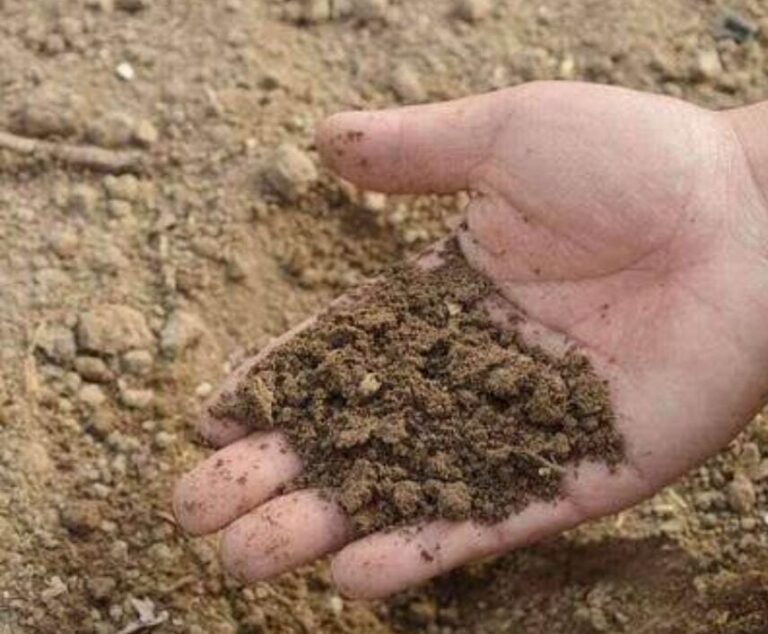
Healthy soil is the foundation for successful pepper growing.
Anaheim Peppers Prefer:
- Well-drained soil
- Moderate organic matter
- Slightly acidic to neutral pH.
- Good aeration
The optimal soil pH ranges between 6.0 and 7.0.
Compacted soils can choke roots by limiting oxygen access. Excessively damp soils increase the likelihood of root rot illnesses produced by fungal-like organisms such as Phytophthora.
Organic Matter and Soil Biology
Compost does wonders once added in sufficient quantities. It improves:
- Water retention
- Nutrient buffering
- Microbial diversity
- Soil structure
Healthy soil biology has a significant impact on nutrient cycling. Beneficial microorganisms transform organic substances into plant-available nutrients while also promoting root health. Gardeners frequently rely extensively on fertilizers while ignoring the microbial habitats beneath the surface. But soil is more than just dirt; it is a thriving biological network.
Starting From Seeds
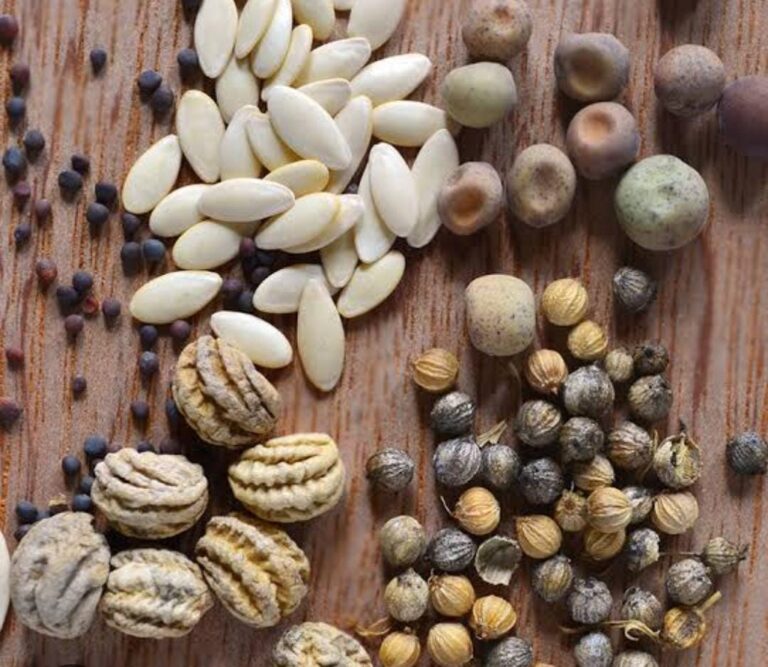
Growing Anaheim peppers from seed allows gardeners to select stronger varietals and healthier transplants.
Germination Conditions
- Pepper seeds germinate best in warm environments
- Optimal soil temperatures play a vital role in this process
- Cold soil significantly inhibits germination and may promote fungal infections
- Most seeds germinate in 7 to 14 days with enough moisture and warmth
Seed Starting Tips
For a good batch of sturdy seedlings:
- Use an effective sterile seed-starting mix
- Make sure to maintain consistent moisture
- Provide bright light right after sprouting happens
- Avoid overwatering while sprouting and afterwards
Leggy seedlings typically indicate insufficient light. Using grow lights positioned a few inches above seedlings often results in stronger plants than using windowsills alone.
Hardening Off
Before transplanting, seedlings must harden off, which is a gradual adaptation to external environments.
Without hardening off, plants may encounter:
- Sunscald
- Wind stress
- Wilting
- Transplant shock
Gradual exposure for 7 to 10 days strengthens leaf tissues and increases survival rates.
Transplantation
Transplanting the seedling at the right time matters a lot. Transplant only after:
- When the frost danger has completely passed
- Soil temperatures have increased and have sufficient warmth
- Nights are not chilly anymore, or even have mild and constant temperatures
- Plant spacing of 18 to 24 inches enhances ventilation and decreases disease pressure.
Burying transplants slightly deeper than their initial container depth can promote further root growth, but peppers root less vigorously along stems than tomatoes.
Watering Techniques
Peppers thrive in a well-balanced environment, as they are sensitive to extremes in their growing conditions. They are not fond of soil that is completely parched and lacks moisture, nor do they appreciate over-saturated roots that sit in waterlogged earth. Instead, they flourish in soil that is consistently moist but not soggy, allowing their roots to breathe and absorb nutrients effectively.
Consistent moisture is the key to:
- Flower retention
- Fruit development
- Nutrient transport
- Prevention of blossom-end rot
Deep watering creates stronger root systems than shallow, frequent irrigation.
Mulching and Fertilization
Mulching around plants helps to maintain moisture and prevent temperature fluctuations, while gradually enhancing soil biology. Straw, compost, or shredded leaves provide protective protection to root systems during the summer heat.
Nutrition also requires careful balance. Young pepper plants benefit from moderate nitrogen for leaf creation, but too much nitrogen later in development might backfire severely. Plants that are overfed with nitrogen frequently grow lush, green, and physically appealing while producing a surprisingly low number of peppers. Balanced fertility is especially crucial during the flowering and fruiting periods, when phosphorus and potassium promote reproductive development, cellular regulation, and fruit quality.
Pest and Disease Challenges
Anaheim plants occasionally encounter biological challenges, just like the majority of peppers.
- Aphids can gather under leaves to consume sap, which stunts growth and spreads plant infections. Fortunately, in ecosystems that are in balance, beneficial insects often control numbers
- Spider mites frequently show up as fine webbing and speckled leaves, and they love hot, dry environments. Vulnerability is lessened by high humidity and robust plant health
- Reduced airflow or inadequate watering techniques increase the prevalence of fungal illnesses. Pathogens that can harm leaves, stems, and fruits are encouraged by wet foliage, overcrowding, and excessive wetness
- Prevention is generally more important for healthy gardening than treatment. Problems are significantly reduced before they worsen thanks to good ventilation, soil drainage, biodiversity, cleanliness, and observation.
Harvesting Anaheim Peppers at Peak Quality
Depending on your culinary objectives, Anaheim peppers can be harvested green or left to turn red.
- Green peppers are perfect for roasting or stuffing since they often have a firmer texture and a stronger vegetal flavor. Carotenoid levels rise throughout ripening, making fully red peppers sweeter, richer, and slightly more nutritionally concentrated
- Using scissors or pruners during harvesting prevents unintentional stem damage and safeguards fruit output in the future
- Because the plant shifts its energy from keeping ripe fruits to generating new ones, frequent harvesting promotes continuous flowering
Pepper in Home Gardening
Anaheim peppers are a rewarding crop for home gardeners who want to build resilient food systems:
- They generate large harvests in relation to space, adapt to containers and raised beds, and work well in companion planting systems with herbs and flowering plants that attract beneficial insects
- Saving seeds from open-pollinated Anaheim peppers may also promote gradual adaptation to local growth conditions over multiple seasons
- This link between gardener and plant results in something meaningful: a crop that is increasingly influenced by local climate, soil, and stewardship
- Growing Anaheim peppers is a great way to learn patience. Plants benefit from observation rather than overcorrection, balance rather than excess.
Gardening can sometimes be more like a conversation than a control.
Anaheim Peppers in Sustainable Gardening
Anaheim peppers are an excellent addition to sustainable gardening systems, thanks to their adaptability and vibrant flavor. These peppers thrive in various growing conditions and contribute positively to the overall health of your garden ecosystem.
When planning your garden, consider pairing Anaheim peppers with the following companion plants:
- Basil: This aromatic herb not only enhances the flavor of dishes featuring Anaheim peppers but also acts as a natural pest deterrent, helping to protect your pepper plants from harmful insects.
- Onions: These alliums serve as a natural barrier against pests and can enhance the growth of Anaheim peppers. Their strong scent can help mask the aroma of the peppers, making it less likely for pests to target them.
- Marigold: These vibrant flowers are known to repel a variety of garden pests. By planting marigolds alongside your Anaheim peppers, you can create a visually appealing and functional companion planting arrangement that encourages biodiversity in your garden.
- Carrots: The root structure of carrots can improve soil aeration, which benefits the growth of Anaheim peppers. Additionally, their different growth habits mean they effectively utilize space without competing for the same resources.
Incorporating these companion plants will not only support the growth of Anaheim peppers but also promote a healthier and more sustainable gardening environment.
Companion planting may improve biodiversity and ecological balance within the garden.
Conclusion
Anaheim peppers demonstrate that brilliance doesn’t always come with a lot of intensity. They occupy a unique middle ground in the fields of gardening and cooking, mild but tasty, productive but controllable. Anaheim peppers offer intriguing scientific insights into plant physiology, nutrient chemistry, adaptability, and cultivation. In practical terms, they provide cooks with exceptional diversity and big harvests for gardeners.
Understanding basic biological truths—warmth promotes growth, balanced nutrition supports flowering, quality soil nourishes roots, and consistency outperforms extremes—is more important to their success than complex procedures. Anaheim peppers are a great option for anyone looking for a pepper that produces consistent harvests without being too hot. When it comes to flavor, versatility, and usefulness—from garden bed to dinner plate—they subtly shine, even though they might never win competitions for spiciness.
Disclaimer
The content provided on this website is purely for educational purposes. We are neither nutritionists nor do we intend to mislead our readers by providing any medical or scientific information.