Mulberry: 3 Magnificent Species
Introduction
Mulberry is one of the earliest fruit trees to be cultivated in human agriculture. Cultivated for centuries for its sweet berries, medicinal qualities, and agricultural worth, mulberries are a nutrient-rich and scientifically significant fruit. Mulberry trees, which belong to the genus Morus, are a great option for home gardeners, orchard producers, and sustainable farming systems because of their versatility, rapid growth, and ability to flourish in a variety of climates. The fruit is highly valued for its high concentration of vitamins, antioxidants, and bioactive substances that support human health and metabolic processes, in addition to its delicious flavor.
Mulberry’s ability to improve cardiovascular health, regulate blood sugar levels, and boost the immune system has drawn attention in nutritional and agricultural studies in recent years. In addition, the tree supports biodiversity, enhances soil health, and requires less upkeep than many other fruit crops, all of which contribute to ecological balance. Mulberry is a valuable plant in contemporary food and farming systems because of its scientific significance and practical cultivation value.
The mulberry’s botanical categorization, main species, nutritional makeup, phytochemicals, health advantages, and potential as a superfood are all covered in this blog. In addition, it offers comprehensive instructions on how to cultivate mulberries in home gardens, covering topics such as soil needs, propagation techniques, irrigation, pest control, harvesting, and sustainable agricultural uses. This gives readers a thorough scientific and practical grasp of this amazing fruit.
Botanical and Scientific Overview
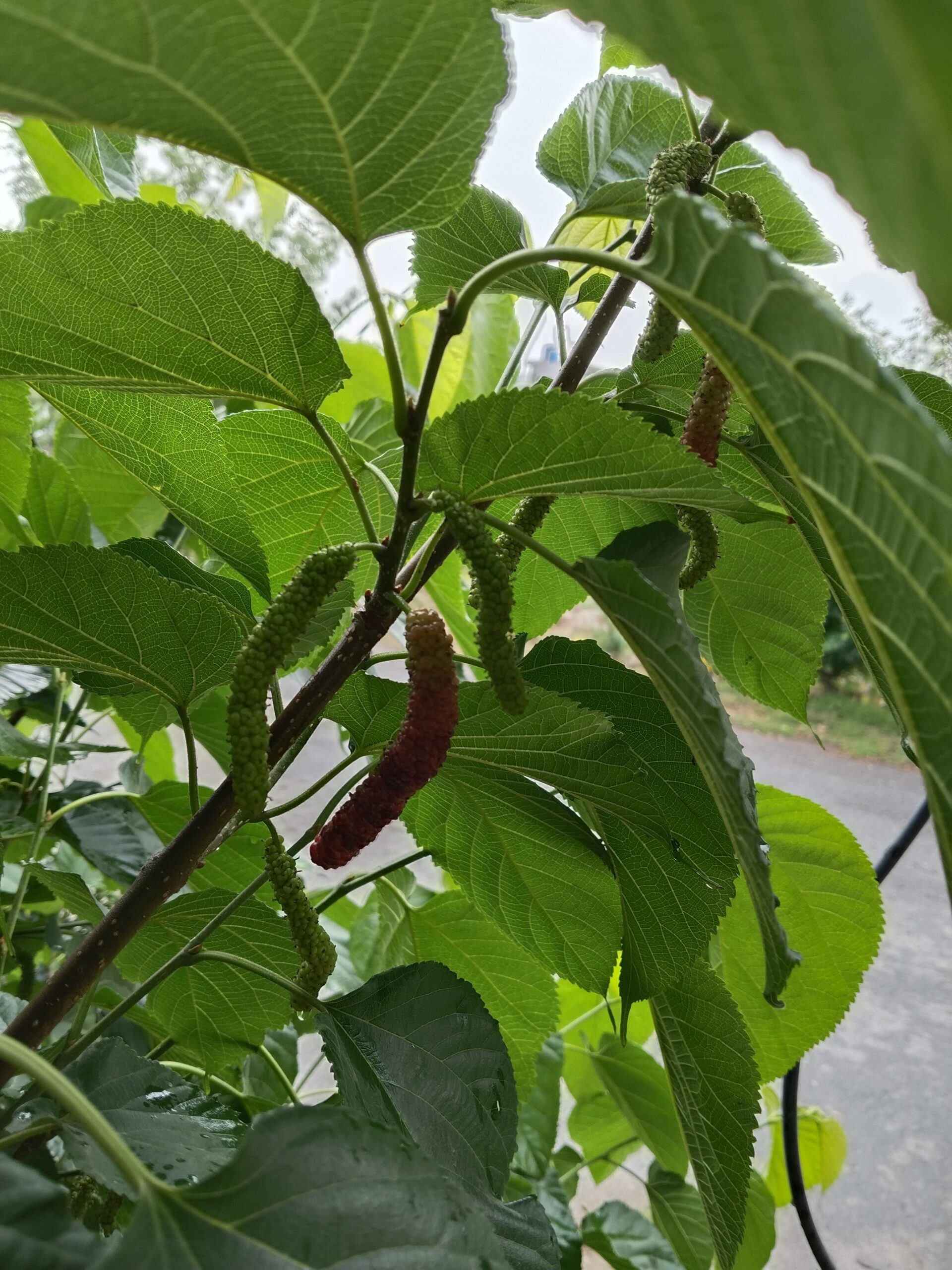
Mulberries are members of the Moraceae family, which also includes other significant fruit-bearing plants including breadfruit and figs. This deciduous tree is distinguished by its wide leaves, pliable branches, and clustered berries that grow from several tiny drupelets. Mulberries are categorized as multiple fruits in the field of botany, as they are formed when numerous individual flowers merge to create a singular, elongated berry shape. The unique development of this fruit contributes to its abundant juice content and tender texture.
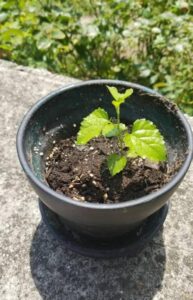
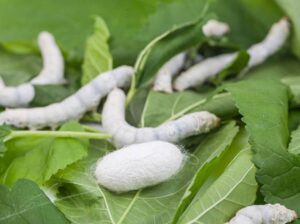
Under ideal circumstances, the mulberry tree can grow to a height of 32 to 50 feet (10 to 15 meters), but in residential gardens, pruning can keep it manageable and smaller. The tree’s deep, well-developed roots enable it to withstand drought and stabilize soil in regions that are prone to erosion. Mulberries are vital to the sericulture industries because their leaves are typically lobed or heart-shaped and have a rough surface that is crucial to silkworm feeding.
Mulberry trees’ huge leaf area and adaptive metabolism make them extremely efficient at photosynthesis. During the winter, they go into dormancy. In the spring, they start growing again, and within a brief growing season, they produce flowers and then fruits. The primary method of pollination is wind, however insects can sometimes help. As the fruits ripen, their color progressively shifts from green to white, crimson, or deep purple, signifying higher quantities of sugar and antioxidants.
Mulberries are among the most durable fruit trees in both conventional and contemporary agricultural systems due to their botanical efficiency and flexibility.
Major Types of Mulberries
There are various species of mulberry trees, each with distinct traits and growth needs. Gardeners can select the best variety for their climate and intended usage by being aware of these sorts.
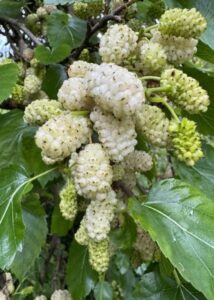
1. White Mulberry (Morus Alba)
Originally from China, it is the most frequently farmed species and is utilized extensively in the manufacturing of silk. It is well-known for its quick growth, versatility, and large leaf production, all of which make it perfect for feeding silkworms. The fruits possess a subtle flavor and are frequently white or pale pink. This plant is widely grown in Asia, Europe, and North America and is quite tolerant of many soil conditions.
2. Black Mulberry (Morus Nigra)
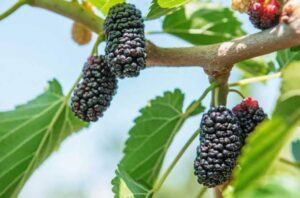
This type is prized for its rich, sweet, and slightly tangy fruit, which are thought to have a better flavor than those of other species. This species, which is native to Western Asia and the Middle East, grows more slowly but yields excellent fruits with vibrant colors and high nutritional content. Because of their high antioxidant content, black mulberries are frequently utilized in jams, syrups, and medicinal preparations.
3. Red Mulberry (Morus Rubra)
This type is indigenous to North America and is well-known for its robust ability to adapt to temperate conditions and its rich crimson to purple fruits. The tree is resilient and provides food and shelter for the surrounding fauna. Red mulberries are frequently found in woods and other natural settings, where they support soil stabilization and ecological diversity.
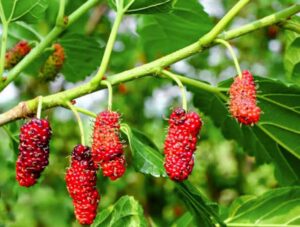
The best characteristics of several species, including enhanced fruit quality, disease resistance, and climatic tolerance, have been combined to create hybrid mulberry cultivars. Because they provide consistent yields and improved nutritional value, these hybrids are becoming more and more popular in home gardens and commercial orchards.
While each species has unique growth needs, fruit traits, and ecological roles, they all have the benefit of being robust, fruitful, and nutrient-dense. For home gardeners who want to cultivate sustainably and organically, choosing the correct species guarantees improved growth performance and higher fruit quality.
Nutritional Profile
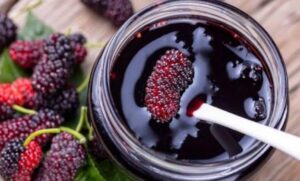
Because they are low in calories and contain vital vitamins, minerals, and dietary fiber, mulberries are regarded as nutrient-dense fruits. Particularly during summer harvest seasons, fresh mulberries are nourishing and refreshing due to their high water content. They provide substantial nutritional advantages that promote general health despite their light form.
Vitamin C, which is abundant in the berry, helps shield cells from oxidative damage and boosts immunity. Mulberries include iron, which promotes the synthesis of red blood cells and helps avoid anemia and exhaustion. While vitamin K is important for healthy bones and appropriate blood clotting, potassium helps to maintain normal blood pressure and muscle function. Mulberries are a well-balanced fruit that can be regularly consumed because they include these elements.
Additionally, dietary fiber found in mulberries helps with digestion and improves gut health. Fiber promotes stable blood sugar levels, enhances food absorption, and helps control bowel motions. Mulberries’ natural sugars are absorbed more slowly than refined sugars because of their fiber and polyphenols, which lowers the possibility of unexpected blood sugar increases.
Mulberries are an excellent supplement to a natural and healthful diet because of their balanced nutritional makeup.
Phytochemicals and Bioactive Compounds
- Mulberry’s rich phytochemical composition makes it unique from a scientific standpoint. These organic substances offer health advantages that go beyond simple nourishment and are crucial for both illness prevention and metabolic support.
- Mulberries’ deep purple and crimson hue is attributed to anthocyanins, which also function as potent antioxidants. They lessen inflammation and shield cells from damage from free radicals, which lowers the chance of developing chronic illnesses. The fruit’s anti-inflammatory and antioxidant qualities are further enhanced by flavonoids, including rutin and quercetin, which promote immunological and heart health.
- Mulberries contain a special chemical called 1-deoxynojirimycin (DNJ), which slows the digestion of carbohydrates and helps control blood sugar. This substance’s potential for controlling diabetes and enhancing metabolic health has been thoroughly investigated. Mulberries’ polyphenols also have anti-aging and cardiovascular benefits via lowering oxidative stress.
Mulberry is a functional food with scientific value due to the presence of certain bioactive substances.
Health Benefits
- Mulberries are an essential component of a balanced diet since they provide a number of health benefits supported by science. By lowering inflammation and enhancing blood flow, their antioxidants promote cardiovascular health. Frequent ingestion may lessen the risk of heart disease and lipid oxidation.
- Because they contain dietary fiber and DNJ, mulberries can help control blood sugar levels, which makes them beneficial for people with metabolic syndrome or diabetes. Their high vitamin C concentration improves the body’s capacity to fight infections and fortifies the immune system.
- By encouraging good gut flora and enhancing bowel regularity, the fruit promotes digestive health. By shielding cells from environmental harm and promoting the formation of collagen, antioxidants also maintain healthy skin. Mulberry chemicals may also improve brain health and cognitive performance by lowering oxidative stress in neural tissues, according to new research.
The significance of mulberries in contemporary nutrition and preventive healthcare is demonstrated by these advantages.
Growing Mulberry in Home Gardens
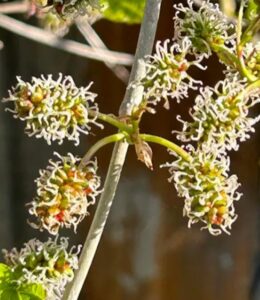
Mulberry trees are adaptable and require little upkeep, making them ideal for backyard gardens. They prefer well-drained, somewhat moist soil and flourish in full sun. Once planted, the tree can withstand drought and consistently yields fruit every year. When planting, make sure the tree has adequate room to extend its branches in an open region. Trees should be spaced four to six meters apart to provide for adequate air circulation and sunshine exposure. When planting, adding compost or organic manure enhances soil fertility and promotes root growth.
Mulberry trees are a lucrative option for home gardeners since they develop quickly and begin bearing fruit in a few years.
Propagation and Care
Mulberries can be multiplied by cuttings, grafting, or layering; for home gardeners, cuttings are the most popular technique. When hardwood cuttings are put in damp soil, they typically establish roots and become robust plants.
While mature trees only need minimal irrigation, watering is crucial in the early stages. Compost and vermicompost are examples of organic fertilizers that promote consistent growth and fruit production. Pruning during dormancy increases production by improving sunlight penetration and aids in form maintenance.
Mulberry trees can continue to produce for decades if they receive the right care.
Pest Management and Harvesting
Although mulberry trees are usually pest-resistant, fungal diseases, caterpillars, and aphids can occasionally cause problems. Effective management of these issues is aided by organic remedies like neem oil and appropriate pruning.
Fruits should be picked when they are tender and fully ripe. Mulberries must be handled carefully to avoid injury because they are sensitive. Fresh fruits can be eaten right away or made into dried snacks, juices, and jams.
Culinary and Medicinal Uses
Because of their sweet and somewhat acidic flavor, mulberries are frequently employed in culinary applications. While dried mulberries are used in cereals, pastries, and snacks, fresh fruits can be consumed straight. Many cultures use mulberry juice, syrup, and jam as a natural substitute for artificial sweeteners.

Mulberry fruits and leaves are used medicinally in herbal teas and traditional treatments for respiratory issues, diabetes, and inflammation. Many of these applications are supported by scientific study, demonstrating the plant’s therapeutic potential.
Mulberries are useful in natural medicine and nutrition due to their variety.
Mulberry as a Superfood
Mulberries are considered “superfoods” due to their exceptional nutritional and health-promoting qualities. They are nutrient-dense foods that support various aspects of health, thanks to their combination of vitamins, minerals, antioxidants, and unique bioactive components. Unlike many commercial superfoods that require specific growing conditions, mulberries are easy to cultivate and accessible to both home gardeners and farmers.
One of the key reasons mulberries are regarded as a superfood is their high antioxidant capacity. Antioxidants protect the body from oxidative stress, which is linked to chronic diseases and aging. In particular, the deep-colored varieties of mulberries provide a rich source of anthocyanins and polyphenols, which enhance metabolic health and cellular defense. As a result, the nutritional value of mulberries is comparable to that of popular superfoods like blueberries and blackberries.
The versatility of mulberries also contributes to their superfood status. They can be consumed fresh, dried, or processed into juices, teas, powders, and supplements, making it easy for people to incorporate them into their diets. Additionally, mulberry leaves are used in herbal teas and therapeutic preparations, further expanding the plant’s usefulness. This makes mulberries a sustainable and practical superfood for both urban and rural communities.
Mulberries’ reputation as a superfood is also bolstered by their sustainability. The mulberry tree is environmentally friendly because it requires relatively low chemical inputs, improves soil health, and fosters biodiversity. Mulberry trees support pollinators and wildlife, provide shade, and help prevent soil erosion in sustainable agricultural and agroforestry systems. This ecological contribution aligns with modern farming practices that prioritize long-term productivity and environmental conservation.
Overall, mulberries exemplify a functional superfood that combines economic value, sustainability, and nutritional benefits from both scientific and agricultural perspectives. They represent an ideal crop for the future of farming and nutrition, promoting ecological balance while providing health advantages.
Mulberry in Sustainable Agriculture and Agroforestry
Mulberry trees are crucial to agroforestry and sustainable agriculture systems. They protect other crops from erosion, enhance soil health, and offer shade. They are appropriate for regenerative farming because of their deep root structure, which stabilizes soil and improves nutrient cycling.
By giving birds, insects, and beneficial species a place to live and food, mulberry trees also promote biodiversity. To produce balanced ecosystems, they are frequently combined with other fruit trees, vegetables, and legumes in agroforestry systems.
Mulberry is a crucial crop for climate-resilient and sustainable agriculture because of its ecological significance.
Conclusion
This is a wonderful fruit tree that has agronomic, nutritional, and scientific value all in one. It is an important superfood for contemporary diets because of its potent phytochemicals, high nutritional profile, and several health advantages. It is also a great option for home gardeners and sustainable farms due to its versatility, low maintenance needs, and environmental advantages.
Mulberries are a prime example of the harmonious union of nature and science, offering everything from botanical diversity and health-promoting substances to useful production techniques and environmental benefits. In addition to producing wholesome fruits, these trees promote biodiversity, soil health, and long-term sustainability. It stands out as a robust and advantageous crop that may support healthier communities and more sustainable agricultural systems as the market for natural and functional foods continues to expand.
Disclaimer
The content provided on this website is purely for educational purposes. We are neither nutritionists nor do we intend to mislead our readers by providing any medical or scientific information.