Pasilla Pepper: 5 Fabulous Reasons to Grow
Introduction
The pasilla pepper is often referred to as the “black raisin” of chili peppers due to its dark color and mild fruity undertones. While very spicy peppers like habaneros or ghost peppers typically receive the most attention, some of the world’s most prized peppers are celebrated not for their heat, but for their remarkable flavor.
The pasilla pepper is one such chili that has played a significant role in Mexican cuisine for generations, thanks to its rich, earthy, and complex flavor profile. It has a mild to moderate heat level, but it’s true appeal lies in the layers of taste it offers, including chocolate, dried fruit, herbs, tobacco, and smoky notes. These characteristics make it an essential ingredient in traditional sauces, moles, soups, and marinades.
Pasilla peppers provide gardeners with an exciting opportunity to cultivate a gastronomic gem that is both prolific and adaptable. Unlike many super-hot peppers, which are planted purely for novelty, pasilla peppers provide a crop that may be utilized fresh, dried, roasted, smoked, or powdered. This blog delves into the history, botany, nutritional worth, culinary relevance, and scientifically established methods for cultivating pasilla peppers, as we wrote about many other peppers in detail.
What Is a Pasilla Pepper?
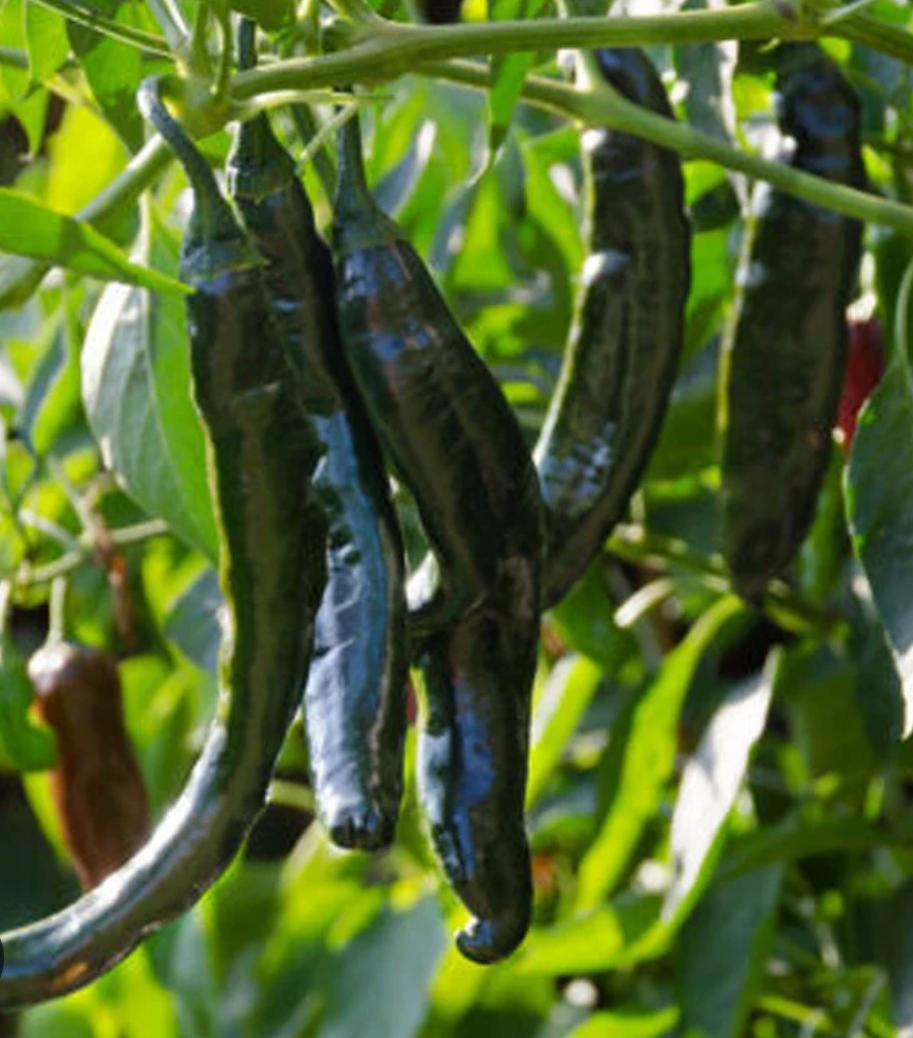
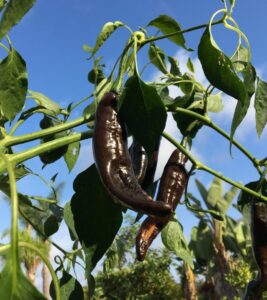
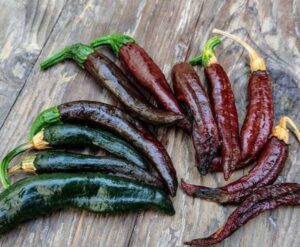
The pasilla pepper is a dried version of the chilaca pepper (Capsicum annuum). The term “pasilla” derives from the Spanish word pasa, which means “raisin,” and refers to the pepper’s black, wrinkled appearance when dried. Fresh chilaca peppers are tall, thin, and dark green. They can reach lengths of 6 to 10 inches (15-25 cm) and have a somewhat curved appearance. As they age, they deepen and finally turn a rich brown. Once dried, the peppers become nearly black and possess the peculiar taste characteristic that has made them renowned.
Heat Level
Pasilla peppers generally range from:
- 1,000–2,500 Scoville Heat Units (SHU)
This places them in the mild category.
For comparison:
| Pepper | SHU |
|---|---|
| Bell Pepper | 0 |
| Pasilla Pepper | 1,000–2,500 |
| Jalapeño | 2,500–8,000 |
| Serrano | 10,000–25,000 |
| Habanero | 100,000–350,000 |
Their moderate heat allows the rich flavors to shine without overwhelming the palate.
The History of Pasilla Peppers
Peppers originated in Central and South America thousands of years ago. Archaeological evidence reveals that wild peppers were domesticated around 6,000 years ago, making them one of humanity’s earliest cultivated crops. The chilaca pepper rose to prominence in central Mexico, where indigenous cultures grew a wide range of pepper species for food, medicinal, and ceremonial uses.
Peppers became widely distributed after the European encounter in the 15th and 16th centuries. Pasilla peppers, on the other hand, have remained firmly ingrained in Mexican culinary traditions and are still used extensively in regional cuisine today. Many traditional dishes passed down through generations rely solely on Pasilla peppers since other chilies cannot duplicate their flavor.
Botanical Characteristics
Pasilla peppers belong to:
- Kingdom: Plantae
- Family: Solanaceae
- Genus: Capsicum
- Species: Capsicum annuum
The same species includes:
- Bell peppers
- Jalapeños
- Cayenne peppers
- Poblanos
- Anaheim peppers
Although these fruits are all derived from the same species, centuries of careful and intentional breeding have led to a remarkable variety of shapes, sizes, colors, and flavors. Each cultivated strain showcases distinct characteristics, highlighting the extraordinary impact of selective cultivation over generations.
Understanding the Unique Flavor Profile
Many gardeners choose peppers based only on their heat level. However, taste complexity is generally more important in cooking. Pasilla peppers contain hundreds of aromatic chemicals, which contribute to their particular flavor.
Common flavor notes include:
- Cocoa
- Dark chocolate
- Raisins
- Prunes
- Dried berries
- Licorice
- Earth
- Tobacco
- Herbs
- Mild smoke
Drying concentrates these tastes as moisture evaporates and natural sugars increase. This technique explains why dried pasilla peppers taste richer than fresh chilaca peppers.
Nutritional Value
Pasilla peppers are highly nutritious despite being low in calories. A serving of pasilla peppers provides a range of essential nutrients, including dietary fiber, vitamin A, vitamin C, vitamin K, potassium, magnesium, and folate. In addition to these vitamins and minerals, peppers also contain valuable phytochemicals that contribute to human health, making them a beneficial addition to a balanced diet.
Capsaicin: More Than Just Heat
The mild heat of pasilla peppers comes from capsaicin and related compounds known as capsaicinoids. Scientific research has linked capsaicin consumption to several potential benefits:
Improved Metabolism
Capsaicin may temporarily increase thermogenesis, the body’s heat-producing process.
Appetite Regulation
Some studies suggest capsaicin can enhance feelings of fullness after meals.
Cardiovascular Support
Research indicates capsaicinoids may support healthy circulation and vascular function.
Anti-Inflammatory Activity
Capsaicin interacts with pain receptors and has been studied extensively for its anti-inflammatory properties. Because pasilla peppers are relatively mild, they offer these compounds without excessive heat.
Antioxidants in Pasilla Peppers
These peppers contain numerous antioxidants, including:
- Carotenoids
- Flavonoids
- Phenolic compounds
These compounds help neutralize free radicals, which can cause oxidative stress in cells. Mature peppers’ dark hue often indicates the presence of beneficial plant pigments with antioxidant activity.
Why Home Gardeners Should Grow Pasilla Peppers
Pasilla peppers offer several benefits for gardeners, including:
- Moderate Spiciness: The mild heat of pasilla peppers appeals to a broader audience compared to peppers with higher heat levels.hot varieties.
- Culinary Versatility: A single harvest can yield fresh peppers, roasted peppers, dried peppers, chili powders, sauces, and spice blends.
- Productivity: Healthy plants can produce a significant quantity of peppers throughout the growing season.
- Aesthetic Appeal: The long, slender fruits add visual interest to vegetable gardens.
Climate Requirements
Like other warm-season peppers, these peppers flourish under similar conditions.
Ideal temperatures include:
- Daytime: 70–85°F (21–29°C)
- Nighttime: 60–70°F (16–21°C)
Growth considerably slows down below 55°F (13°C).
Plants can be harmed by prolonged exposure to temperatures below 50°F (10°C).
Starting Seeds Successfully
Growing pasilla peppers from seed allows gardeners access to varieties rarely found in garden centers.
Seed Starting Timeline
To ensure that your seedlings have ample opportunity to grow and strengthen before being transplanted outdoors, it’s essential to start them about 8 to 10 weeks before the final expected frost date. This timeframe allows for optimal development, enabling the plants to establish robust roots and healthy foliage that can better withstand the challenges of outdoor conditions.
Germination Conditions
Pepper seeds thrive when they germinate in warm conditions, specifically at temperatures between 80°F and 90°F (27°C to 32°C). To enhance the chances of successful germination and to speed up the process, utilizing a heat mat can significantly boost both the rate of germination and the consistency of results. Typically, you can expect to see the seeds start to sprout within a range of 7 to 21 days, although this timeframe can vary based on the temperature and moisture levels present during the germination process.
Soil Requirements
Scientific studies consistently show that peppers perform best in fertile, well-drained soils.
Ideal soil characteristics include:
Soil pH
- 6.0–6.8
This range maximizes nutrient availability.
Organic Matter
Adding compost improves:
- Water retention
- Soil structure
- Microbial activity
- Nutrient cycling
Drainage
Poor drainage increases the risk of root diseases and oxygen deprivation.
Raised beds often provide ideal growing conditions.
Transplanting into the Garden
Wait until:
- Frost danger has passed
- Soil temperatures exceed 65°F (18°C)
before transplanting.
Spacing
Provide:
- 18–24 inches between plants
- 24–36 inches between rows
Proper spacing improves airflow and reduces disease pressure.
Light Requirements
Pasilla peppers require abundant sunlight for maximum productivity.
Aim for:
- 6–8 hours minimum
- 8–10 hours ideal
Insufficient sunlight commonly results in:
- Reduced flowering
- Lower yields
- Slower fruit ripening
Water Management
Consistent moisture is essential for healthy pepper production.
Best Practice
Provide:
- 1–2 inches of water weekly
- depending on weather conditions
- Deep watering encourages extensive root development.
Avoid Moisture Extremes
Alternating drought and saturation may cause:
- Blossom drop
- Reduced fruit quality
- Nutrient imbalances
Mulching helps maintain stable soil moisture.
Fertilization Strategy
Peppers require balanced nutrition throughout their growth cycle.
Early Growth
Nitrogen supports:
- Leaf development
- Stem growth
- Root establishment
Flowering and Fruiting
As flowering begins, excessive nitrogen should be avoided.
Higher levels of:
- Phosphorus
- Potassium
support flower production and fruit development.
A soil test remains the most reliable guide for fertilization decisions.
Mulching for Better Yields
Scientific research consistently demonstrates the benefits of mulching.
Suitable materials include:
- Straw
- Shredded leaves
- Compost
- Grass clippings
Mulch helps:
- Reduce evaporation
- Moderate soil temperature
- Suppress weeds
- Improve soil biology
Organic mulches gradually enrich the soil as they decompose.
Supporting Heavy Plants
Although pasilla plants are not exceptionally tall, heavy fruit loads can cause branches to bend.
Simple supports such as:
- Stakes
- Tomato cages
- Trellises
can prevent breakage and improve harvest accessibility.
Pollination and Fruit Set
Pepper flowers are largely self-pollinating.
However, pollinators improve pollination efficiency.
Encourage beneficial insects by planting:
- Basil
- Dill
- Alyssum
- Native wildflowers
near the garden.
Good pollination generally leads to:
- Better fruit shape
- Increased yields
- More uniform development
Common Pests
Several insects may target pasilla peppers.
Aphids
These sap-feeding insects can distort new growth.
Control methods include:
- Beneficial insects
- Insecticidal soap
- Strong water sprays
Spider Mites
Hot, dry weather favors mite outbreaks.
Maintaining adequate humidity helps reduce infestations.
Pepper Weevils
In some regions, pepper weevils can severely damage crops.
Monitoring and sanitation are essential.
Disease Prevention
Healthy cultural practices remain the best defense.
Bacterial Spot
Can cause:
- Leaf lesions
- Defoliation
- Reduced yields
Powdery Mildew
Often develops during humid conditions with poor airflow.
Root Rot
Typically associated with overwatering and poor drainage.
Preventive measures include:
- Crop rotation
- Proper spacing
- Clean gardening tools
- Well-drained soil
Harvesting Pasilla Peppers
For fresh chilaca peppers:
Harvest when fruits are:
- Dark green
- Full-sized
- Firm
For traditional pasilla production:
Allow peppers to mature further before drying.
Use pruning shears rather than pulling fruits from plants to prevent stem damage.
Drying Peppers into Pasillas
Drying transforms chilaca peppers into authentic pasilla peppers.
Air Drying
Suitable in low-humidity climates.
Dehydrator Drying
Provides consistent results.
Oven Drying
Works well at very low temperatures.
Properly dried peppers should be:
- Wrinkled
- Flexible
- Dark brown to black
Stored correctly, dried peppers remain usable for many months.
Saving Seeds
Gardeners can save seeds from open-pollinated varieties.
Select fruits from:
- Healthy plants
- High-yielding plants
- Disease-free plants
Allow seeds to dry thoroughly before storage.
Store in:
- Cool conditions
- Dry environments
- Airtight containers
Properly stored pepper seeds often remain viable for several years.
Culinary Uses of Pasilla Peppers
Pasilla peppers occupy a unique position in cooking because they contribute flavor as much as heat.
Common uses include:
Mole Sauces
Pasillas provide depth and complexity in traditional mole recipes.
Soups
Their earthy flavor enriches broths and stews.
Marinades
Ground pasilla powder adds richness to meat and vegetable dishes.
Salsa
Roasted pasillas create smoky, sophisticated salsas.
Spice Blends
Dried peppers can be ground and combined with herbs and spices.
Pasilla vs Poblano: A Common Confusion
Many people often confuse dried poblano peppers with pasillas, but it’s important to recognize that they are distinct varieties with their own unique characteristics.
To clarify:
- The fresh Chilaca pepper is transformed into the dried version known as pasilla.
- The fresh Poblano pepper is dried to become an ancho.
While both of these peppers hail from Mexico and share a common heritage, their flavor profiles and appearances set them apart in significant ways.
Pasillas are typically:
- Longer and more slender in shape, giving them a more delicate appearance.
- Darker in color, often presenting a deep brown or almost black hue.
- Known for their earthy flavor, which adds a rich, robust depth to dishes.
On the other hand, Anchos are generally:
- Wider and more robust, providing a more substantial bite.
- Renowned for their sweetness, balancing the heat with a pleasant, sugary note.
- Fruitier in taste, offering hints of dried fruit that enhance their overall flavor profile.
Understanding the differences between pasillas and anchos is essential for gardeners and cooks alike, ensuring the right pepper is chosen for each recipe to achieve the desired taste and authenticity..
Future Importance of Pasilla Peppers
As culinary enthusiasts and consumers alike become more discerning in their taste preferences, there is a notable shift towards a desire for flavorful foods that offer complexity rather than just heat. In this context, pasilla peppers are stepping into the spotlight, earning a reputation that extends well beyond their Mexican origins.
What sets pasilla peppers apart is their delightful combination of:
- Mild Heat: They provide a gentle warmth that enhances dishes without overwhelming the palate.
- Rich Aroma: Their distinctive, earthy fragrance invites the senses and adds depth to a variety of recipes.
- Culinary Versatility: Pasilla peppers can seamlessly transition from salsas and sauces to stews and stuffed creations, making them a favorite among a diverse range of culinary applications.
- Nutritional Value: Packed with vitamins and minerals, they not only enhance flavor but also contribute positively to a balanced diet.
This unique blend of qualities makes pasilla peppers particularly appealing to chefs looking to elevate their dishes, food enthusiasts eager to explore new flavors, and home gardeners seeking to cultivate something special in their small gardens or raised beds. Their adaptability and rich character make them a wonderful addition to any kitchen. Containers allow more people to experience this traditional pepper firsthand.
Conclusion
The pasilla pepper demonstrates that great peppers do not need extreme heat to make a lasting impression. Derived from the chilaca pepper and transformed through drying, the pasilla offers a remarkable combination of earthy richness, raisin-like sweetness, subtle smokiness, and gentle warmth that has made it indispensable in Mexican cuisine for generations.
From a scientific perspective, pasilla peppers provide valuable vitamins, antioxidants, and capsaicinoids while remaining relatively low in calories. From a gardening perspective, they are productive, attractive, and adaptable plants that reward growers with an exceptionally versatile harvest. Whether used fresh, roasted, dried, or ground into powder, they contribute layers of flavor that few other peppers can match.
For home gardeners looking to expand beyond common bell peppers and jalapeños, the pasilla pepper represents an outstanding choice. It connects ancient agricultural traditions with modern culinary creativity, proving that sometimes the most memorable peppers are not the hottest ones, but the most flavorful.
Disclaimer
The content provided on this website is purely for educational purposes. We are neither nutritionists nor do we intend to mislead our readers by providing any medical or scientific information.