Preservation: 5 Exclusive Tips for Home Gardeners
Introduction
Food preservation is not a new concept. It combines centuries of traditional knowledge with scientific understanding of microbes, food chemistry, and nutrition to form modern techniques for preserving food. Nature does not distribute harvests evenly throughout the year; cucumbers can grow overnight, tomatoes may ripen all at once, and fruit trees can suddenly produce more fresh fruit than a household can consume. By preserving and canning, gardeners can extend the life of their produce, reduce food waste, save money, and enjoy homegrown flavors long after the growing season has ended.
Harvesting baskets full of fresh fruits, vegetables, berries, and herbs from a home garden brings immense joy. After months of preparation, planting, watering, and care, gardeners often face the delightful challenge of what to do with an abundance of vegetables before they spoil. When done correctly, preserving garden food offers a sustainable way to maximize every pound harvested while maintaining quality, flavor, and safety. In this blog, we will explore the various methods of preservation, their health benefits, and their scientific significance.
Why Preservation Matters for Home Gardeners
Even after harvest, fresh produce maintains its biological activity. Vegetables and fruits continue to breathe, taking in oxygen and expelling carbon dioxide. Sugars are broken down, moisture is lost, and cellular structures progressively disintegrate during this process. Additionally, microorganisms, including yeasts, molds, and bacteria, start to colonize harvested produce. Certain microorganisms are benign, but others lead to foodborne disease or spoilage.
Through one or more ways, food preservation slows down or stops these processes:
- Reducing moisture available to microbes
- Lowering temperatures
- Increasing acidity
- Preservation helps in eliminating oxygen
- Applying heat to destroy microorganisms
- Creating conditions unsuitable for microbial growth
Understanding these principles helps gardeners choose the most appropriate preservation method for different crops.
The First Step Toward Successful Preservation is Harvesting Time
The journey to exceptional preservation quality starts right in the heart of the garden. When produce is harvested at its ideal stage of ripeness, it boasts the best possible flavor, abundant nutrients, and an appealing texture. This careful timing ensures that every fruit and vegetable reaches its full potential, ultimately enhancing both taste and health benefits.
1. Harvest During the Coolest Part of the Day
Research indicates that when fruits and vegetables are gathered early in the morning, they retain more moisture and stay firmer. Lower temperatures help maintain quality by reducing respiration rates. This helps in the preservation process later.
2. Pick at Peak Ripeness
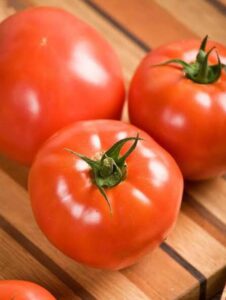
To achieve optimal preservation of produce, it is crucial to harvest items at the peak of their maturity, ensuring they are fully developed yet not overripe. Here are some examples of ideal harvest conditions:
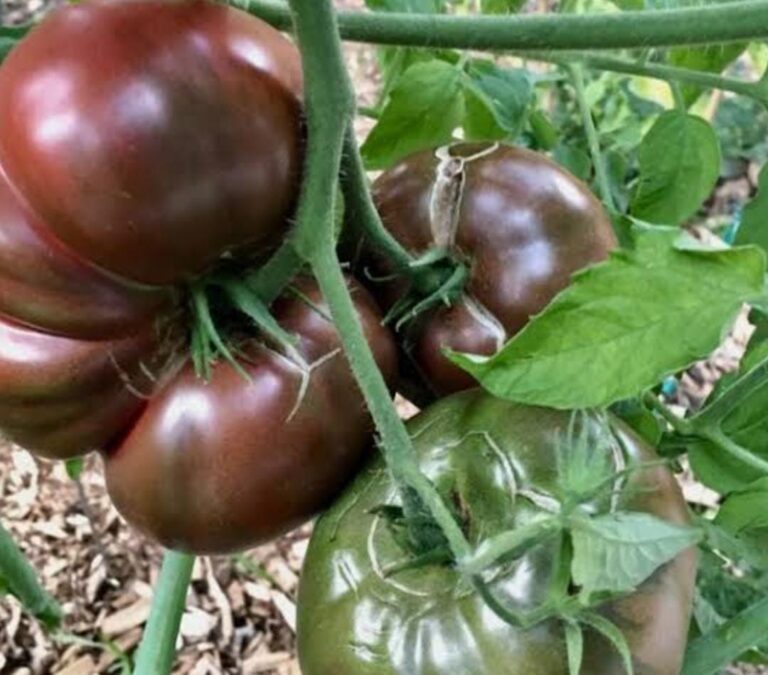
- Tomatoes should be a vibrant color, indicating ripeness, while still maintaining a firm texture, ensuring they can withstand the rigors of storage without becoming damaged.
- Cucumbers should be youthful and crunchy, reflecting their freshness and the best flavor profile before they start to lose their crispness.
- Beans are best when they are tender and the seeds within have not begun to enlarge, allowing for a delightful snap and taste.
- Peaches need to be picked just as they start to soften, achieving a delicate balance of sweetness and juiciness without crossing into mushiness.
- Berries should exhibit full coloration and a sweet flavor, signaling that they have reached their ideal stage for harvesting.
Overripe fruits and vegetables often suffer from excessive damage and deterioration, making them unsuitable for long-term storage and processing. Picking produce at the right time is key to ensuring quality and longevity.
3. Process Quickly
For optimal preservation results, consider the following guidelines:
- It is advisable to wash your produce just before you begin the preservation process. This helps to remove any dirt or contaminants, ensuring the freshness and quality of the items you’re preserving.
- If you’re unable to process the items right away, be sure to refrigerate them. This will slow down spoilage and maintain their freshness until you can attend to preservation.
- Whenever possible, aim to preserve your produce within 24 hours of harvest or purchase. The sooner you can process them, the better their taste, texture, and nutritional value will remain.
Understanding Food Safety Before Canning
Food safety is the foundation of effective home preservation. One of the most serious issues in home canning is the bacterium Clostridium botulinum, which generates a potentially fatal toxin that causes botulism.
This bacterium thrives in:
- Low-oxygen environments
- Low-acid foods
- Improperly processed canned goods
Effectively managing food safety risks involves a thorough understanding of food acidity. By grasping how acidity levels in various foods can influence their preservation and vulnerability to spoilage or harmful bacteria, we can take proactive steps to ensure safe consumption and prolong shelf life.
High-Acid Foods
Foods having a pH lower than 4.6 naturally suppress botulinum development.
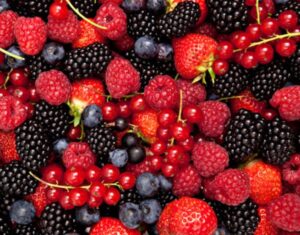
Examples include:
- Most fruits
- Berries
- Grapes
- Apples
- Pickled vegetables
- Properly acidified tomatoes
These types of food can typically be safely preserved by employing a boiling-water bath method, which involves submerging jars filled with the food in boiling water to ensure proper sealing and prevent spoilage.
Low-Acid Foods
Pressure canning is necessary for foods with a pH higher than 4.6.
Examples include:
- Green beans
- Corn
- Carrots
- Peas
- Potatoes
- Asparagus
Pressure canning utilizes high temperatures that exceed the normal boiling point of water, effectively eliminating bacterial spores that can withstand typical boiling methods. This process ensures that canned foods are preserved safely by reaching the necessary heat levels to destroy harmful microorganisms, providing an added layer of protection against spoilage and foodborne illnesses.
Water-Bath Canning: Preserving High-Acid Produce
One of the easiest preservation techniques for home growers is water-bath canning.
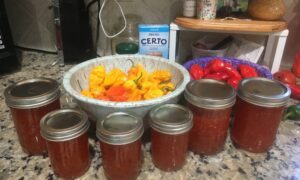
The process involves:
- Filling sterilized jars with food.
- Applying lids.
- Submerging jars in boiling water.
- Processing for a specified time.
The application of heat effectively eliminates spoilage organisms, ensuring the safety and longevity of the contents. As the jars cool, a vacuum seal forms, meticulously preserving the freshness and flavor of the food stored within.
Best Crops for Water-Bath Canning
Tomatoes
Tomatoes are one of the most popular canned garden vegetables. Modern tomato varietals can have lower acidity than earlier cultivars. To ensure safety, several proven recipes recommend adding:
- Bottled lemon juice
- Citric acid
This ensures sufficient acidity during processing.
Popular tomato products include:
- Crushed tomatoes
- Tomato sauce
- Salsa
- Stewed tomatoes
Fruits
A variety of fruits can be preserved through canning, including the sweet and juicy peaches, the fragrant and succulent pears, the crisp and refreshing apples, the vibrant and tart cherries, and an assortment of colorful and flavorful berries. Each of these fruits lends itself well to the canning process, allowing you to enjoy their deliciousness long after the harvest season has ended.
Properly canned fruit preserves:
- Natural sweetness
- Color
- Aroma
- Texture
Jams and Jellies
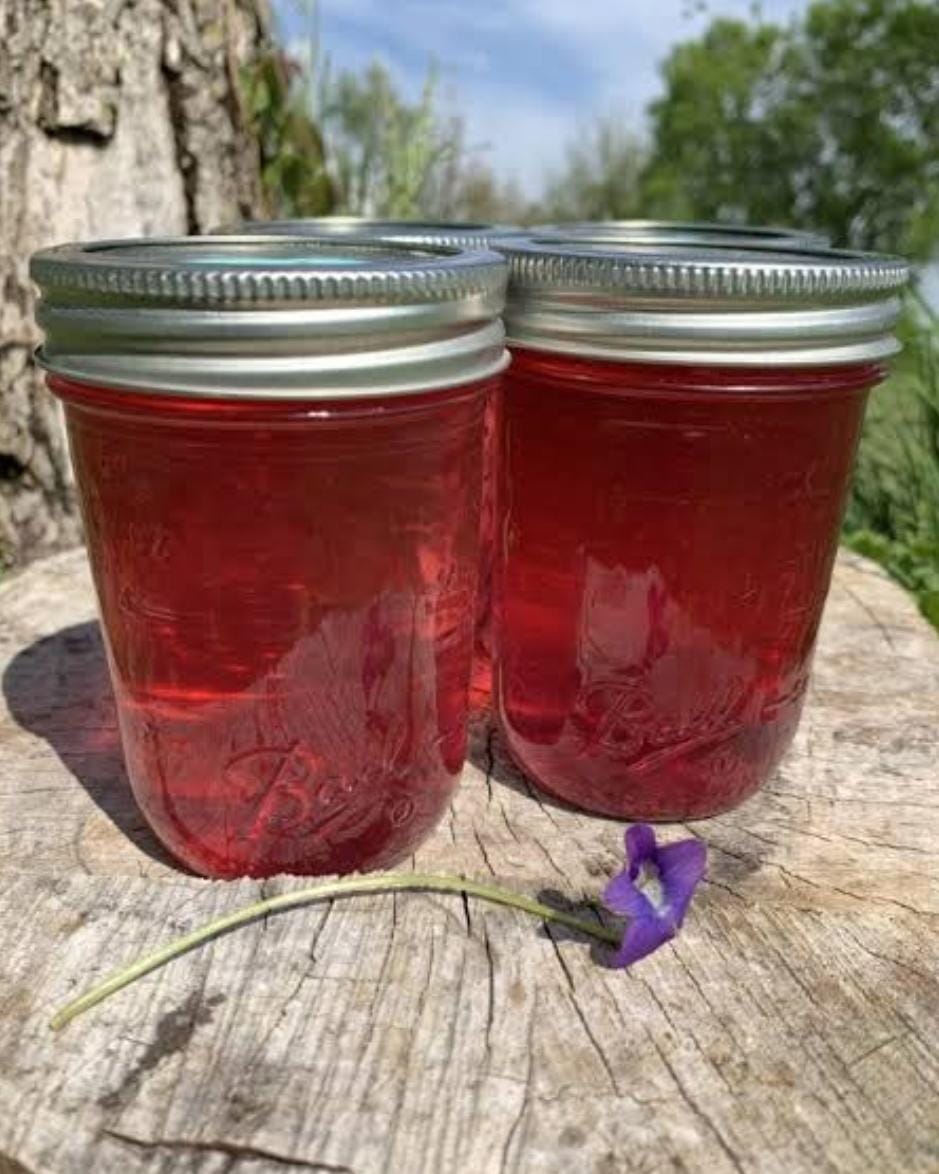
Pectin is a naturally occurring carbohydrate found in plants that plays a crucial role in creating the ideal gel structure in various food products. When heated together with sugars and acids, pectin forms a gel-like consistency, helping to thicken jams, jellies, and other preserves, resulting in a delightful texture that enhances the overall enjoyment of these treats.
Pressure Canning: Essential for Low-Acid Vegetables
The best method for preserving a lot of farm veggies is pressure canning. Pressurized steam, in contrast to boiling water, reaches temperatures of around 240°F (116°C), which is high enough to eliminate harmful bacterial spores.
Vegetables Ideal for Pressure Canning
- Green beans
- Lima beans
- Carrots
- Beets
- Corn
- Peas
- Potatoes
Vegetables that have been pressure canned not only preserve their vibrant flavors but also maintain a significant portion of their nutritional value, making them a fantastic option for convenient cooking during the winter months. These preserved vegetables serve as easy-to-use ingredients, ensuring that you can enjoy the taste and benefits of fresh produce, even when the growing season has ended.
Common Mistakes to Avoid
Never:
- Guess processing times
- Alter tested recipes significantly
- Use damaged jars
- Ignore altitude adjustments
- Open jars before cooling completely
Food safety depends on following scientifically validated procedures.
Freezing: Preserving Fresh Flavor
When it comes to preserving vegetables, freezing often outshines canning in terms of flavor retention. Scientific studies have demonstrated that the freezing process significantly slows down enzymatic activity and inhibits the growth of microbes. This means that vegetables maintain their fresh taste and nutritional quality much better when frozen, allowing you to enjoy the vibrant flavors of peak-season produce long after it has been harvested.
Why Blanching Matters
Before freezing, most vegetables should be gently blanched in hot water.
Blanching:
- Deactivates enzymes
- Preserves color
- Maintains texture
- Slows nutrient loss
If vegetables are not blanched before storage, they can lose their vibrant color and may develop off-putting flavors. Blanching, which involves briefly boiling the vegetables and then plunging them into ice water, helps preserve their fresh appearance and enhances their taste during storage. Without this crucial step, vegetables risk becoming dull and unappetizing, making them less enjoyable when it’s time to use them.
Excellent Vegetables for Freezing
- Broccoli
- Cauliflower
- Peas
- Sweet corn
- Spinach
- Kale
- Green beans
Fruits Suitable for Freezing
- Strawberries
- Blueberries
- Raspberries
- Blackberries
- Peaches
- Cherries
Frozen fruits are excellent for smoothies, baking, and desserts.
Dehydration: One of Humanity’s Oldest Preservation Techniques
The process of drying effectively eliminates the moisture that is essential for the growth and reproduction of microorganisms. Most bacteria thrive in environments with substantial water availability, which supports their ability to multiply. By significantly reducing moisture levels, drying not only hampers microbial activity but also plays a crucial role in prolonging the shelf life of various products.
Benefits of Dehydration
- Minimal storage space
- Lightweight products
- Long shelf life
- Concentrated flavors
- Reduced energy use after processing
Produce That Dries Well
Herbs
Garden herbs often reach peak quality shortly before flowering.
Ideal herbs include:
- Basil
- Oregano
- Thyme
- Rosemary
- Sage
Drying concentrates aromatic compounds, creating potent seasonings.
Tomatoes
Dried tomatoes develop intense umami flavors.
The dehydration process concentrates:
- Natural sugars
- Organic acids
- Flavor compounds
Fruits
Apples, pears, peaches, and berries can be transformed into nutritious snacks.
Fermentation: Harnessing Beneficial Microbes
Fermentation differs from other preservation methods because it relies on microorganisms rather than eliminating them. Beneficial bacteria convert sugars into organic acids, lowering pH and preventing spoilage.
Scientific Basis
Lactic acid bacteria dominate during fermentation.
These microbes produce:
- Lactic acid
- Flavor compounds
- Preservative substances
The acidic environment suppresses harmful organisms.
Garden Crops Perfect for Fermentation
- Cabbage: Fermented cabbage becomes sauerkraut. The process increases shelf life while creating distinctive flavors and potentially beneficial microbial communities.
- Cucumbers: Traditional fermented pickles rely on naturally occurring bacteria rather than vinegar.
- Peppers: Fermented peppers can be transformed into flavorful hot sauces.
Root Cellaring: Nature’s Refrigerator
Before the advent of modern refrigeration, families relied on root cellars as ingenious underground storage spaces to keep their produce fresh for months at a time. These cool, dark chambers, often built into the earth, provided an ideal environment for preserving fruits and vegetables, shielding them from the harshness of winter while maintaining their flavor and texture. Today, this age-old technique continues to be a highly effective method for extending the shelf life of harvests, proving that some traditional practices stand the test of time.
Ideal Conditions
Most root crops store best at:
- 32–40°F (0–4°C)
- High humidity
- Darkness
- Good air circulation
Suitable Crops
- Carrots
- Beets
- Turnips
- Parsnips
- Rutabagas
- Potatoes
These vegetables enter a dormant state in cooler conditions, which significantly slows down their deterioration.
Preserving Nutritional Value
A frequent topic of discussion among gardening enthusiasts revolves around the question of nutrient retention in preserved produce. The response to this inquiry largely hinges on the specific preservation technique employed. Different methods can have varying effects on the nutritional quality of fruits and vegetables, leading to important considerations for those who wish to maintain the health benefits of their garden harvests.
Nutrients That Decline
Certain vitamins are sensitive to:
- Heat
- Oxygen
- Light
Vitamin C is particularly vulnerable.
Nutrients That Remain Stable
Many nutrients survive preservation remarkably well.
These include:
- Fiber
- Minerals
- Carotenoids
- Most antioxidants
Interestingly, some processed foods may even offer improved nutrient availability.
For example, cooked tomatoes often provide more bioavailable lycopene than fresh tomatoes.
Reducing Food Waste Through Preservation
Food waste is a major global issue. During peak seasons, gardeners often have excess production. Preserving food can help by extending usability, preventing spoilage, increasing food security, and maximising gardening investments. Every jar, frozen package, or dried herb represents food that would otherwise be discarded.
Organizing a Preservation Schedule
Successful gardeners often preserve produce continuously to maximize freshness and minimize stress in their gardening and harvesting efforts. Consider adopting a seasonal approach where you focus on specific crops at various times of the year.
Early Season
As spring unfolds, turn your attention to delicate and flavorful crops that thrive in cooler temperatures. Start by cultivating a variety of herbs, such as basil, cilantro, and parsley, which can enhance your culinary creations. Next, delight in the sweetness of strawberries as they begin to ripen, offering a tasty treat to enjoy fresh or in desserts. Don’t overlook cherries, whose juicy orbs can be a welcome addition to your early summer meals. Lastly, plant your peas early, as they flourish in the coolness of spring and provide a crunchy pop of flavor in dishes.
Midseason
As the heat of summer sets in, shift your focus to bountiful crops that thrive in warmer conditions. Cucumbers grow rapidly and can be harvested for refreshing salads or pickling. Beans are another great midseason crop, offering a variety of types that can be eaten fresh or stored for winter. Get ready for the joy of summer squash, which yields a plethora of delicious options like zucchini that are versatile in recipes. And don’t forget about blueberries, which reach their peak during this season; they are not only delicious raw but also perfect for baking.
Late Season
As summer transitions into fall, it’s time to focus on preserving the fruits of your labor for the colder months ahead. Gather your tomatoes, which can be used for sauces, salsas, or canning. Next, harvest peppers, which add a kick to many dishes and can be preserved through drying or pickling. The crispness of apples is now at its best, ideal for pies, cider, and preserves. Make sure to collect your pumpkins as they signal the season of warmth and harvest celebrations; they’re perfect for soups and pies. Round off your late-season activities by digging up a variety of root vegetables, such as carrots and potatoes, which can be stored to enjoy throughout the winter.
By following this seasonal approach, you’ll not only reduce the pressure of overwhelming harvests but also enhance the quality of your produce, leading to a more enjoyable and rewarding gardening experience.
Storage Conditions After Preservation
Proper storage is as important as proper processing.
Canned Goods Storage Guidelines
To ensure the longevity and quality of canned goods, it’s essential to store them in optimal conditions. Here are the recommended storage practices:
- Cool Locations: Choose a storage area that remains consistently cool, ideally between 50°F and 70°F. Avoid places that experience fluctuations in temperature, as extreme heat can accelerate the breakdown of nutrients.
- Dry Conditions: Keep canned goods in a dry environment, protected from moisture, which can lead to rusting and spoilage. Ideally, aim for a humidity level below 15%.
- Darkness: Store cans in a dark space to prevent light exposure, which can degrade the quality of the food inside over time.
By adhering to these guidelines, you can help maintain the nutritional value and safety of your canned goods.
Frozen Produce
To ensure the highest quality of frozen produce, it’s essential to maintain a steady freezer temperature of 0°F (-18°C) or lower. Fluctuations in temperature can lead to the formation of ice crystals, which can significantly impact the texture and overall quality of the food. Keeping your freezer consistently cold helps preserve the freshness and flavor of your fruits and vegetables, ensuring that they remain delicious and nutritious when you’re ready to enjoy them.
Dried Foods
Store dried foods in airtight containers to ensure their freshness and prevent moisture from compromising their quality. It’s important to keep these containers in a cool, dark place, away from direct sunlight, to further protect the integrity and flavor of the food.
Fermented Products
Ensure to store fermented products as per the guidelines provided in the recipe. Typically, this involves placing them in the refrigerator once the fermentation process has concluded to maintain their flavor, texture, and safety for consumption.
Labeling and Inventory Management
Many gardeners underestimate the importance of organization during preservation.
Each preserved item should include:
- Product name
- Preservation date
- Batch number if desired
Using older products first ensures optimal quality and minimizes waste. A simple inventory system helps prevent forgotten jars from accumulating in storage.
Building a Sustainable Preservation Habit
Preservation shouldn’t be seen as a yearly emergency solution to an abundance of vegetables. Alternatively, it may develop into a logical continuation of gardening. Start with a single technique and progressively increase your proficiency. Many gardeners start by freezing veggies before moving on to pressure canning, dehydration, fermentation, and water-bath canning. Preserving becomes less of a job and more of a fulfilling seasonal ritual as confidence increases.
Conclusion
Harvest is not the end of a productive garden. How well that produce is utilized is the real test of gardening success. Gardeners may enjoy the rewards of their labor long after the growing season has finished due to frost thanks to preservation and canning, which turn seasonal bounty into year-round sustenance.
Every preservation technique, including canning sun-ripened tomatoes, freezing delicious maize, drying fragrant herbs, fermenting crisp cucumbers, and cooling root crops, is based on scientific principles that safeguard food safety and quality.
Home gardeners may optimize each harvest by harvesting at optimum maturity, using suitable preservation methods, adhering to established safety procedures, and properly storing crops. The prize is a cellar, freezer, and pantry full of homegrown food that embodies the taste, nutrition, and contentment of the garden all year long.
Disclaimer
The content provided on this website is purely for educational purposes. We are neither nutritionists nor do we intend to mislead our readers by providing any medical or scientific information.