Naga Viper Pepper: 4 Exclusive Factors Affecting Yield
Introduction
The Naga Viper pepper is the pinnacle of contemporary pepper breeding, in contrast to traditional heirloom peppers that developed organically over the ages. It was purposefully created by blending a number of well-known super-hot varietals to produce a pepper with levels of capsaicin that are intolerable to humans. The Naga Viper is still one of the most important cultivars in the history of chili breeding, even though more recent peppers have subsequently overtaken it in heat rankings.
Heat is more than just a culinary trait in the world of peppers; it’s a competitive environment where growers, breeders, and chili lovers continuously push biological boundaries. The Naga Viper pepper is one of the few peppers that best exemplifies this quest for extreme pungency. The Naga Viper, once known as the hottest chili in the world, attracted attention from all around the world due to its intense heat and enigmatic genetic origins.
A complex tale involving genetics, plant physiology, agricultural science, and the amazing chemistry that makes peppers fiery lies behind their intimidating reputation. Knowing this pepper gives you a better understanding of how people have elevated a simple tropical fruit into one of the world’s most potent flavors.
What Is the Naga Viper Pepper?
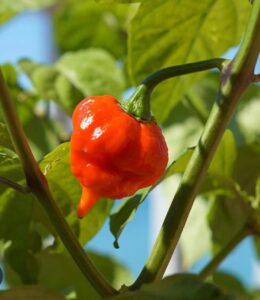
A hybrid chili pepper, the Naga Viper is a member of the Capsicum chinense species. Capsicum chinense, which includes many of the world’s hottest peppers, originated in the Americas, despite its species name. Christopher Phillips, a chili farmer and breeder, created the cultivar in England. Phillips crossed three renowned super-hot peppers instead of using a conventional selection from a single population:
- Naga Morich
- Bhut Jolokia (Ghost Pepper)
- Trinidad Scorpion
The resulting hybrid inherited beneficial qualities from all three parents, including as high heat output, rapid growth, and distinct pod development.
In 2010, the Naga Viper briefly claimed the world record for hottest chili pepper, with over 1.3 million Scoville Heat Units. This achievement sparked broad interest in hybrid pepper breeding and pushed the global search for more hotter cultivars.
The Science Behind Extreme Heat
The Naga Viper’s extreme heat is derived from chemicals known as capsaicinoids. Capsaicin and dihydrocapsaicin are responsible for the majority of the pepper’s pungency. These chemicals are produced by specific glands found within the fruit, particularly near the placenta—the pale tissue where seeds attach. When capsaicin comes into contact with human tissues, it activates TRPV1 receptors, which are typically used to sense harmful heat. The brain interprets this stimulation as burning, even though no thermal damage occurs.
Research has revealed that super-hot peppers have:
- Increased capsaicinoid-producing cells
- Enhanced enzyme activity involved in capsaicin synthesis
- Genetic characteristics that promote increased chemical accumulation.
- Greater placental development
Capsaicinoid production in peppers like the Naga Viper peppers frequently extends beyond the placenta and into the interior fruit walls, resulting in an even more intense eating sensation.
Appearance and Physical Characteristics
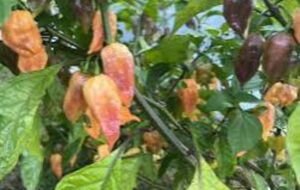
Many traits of Capsicum Chinese varieties are seen in Naga viper plants. Under ideal circumstances, mature plants typically grow to a height of 35 to 54 inches (90 to 150 cm). With an abundance of foliage, they have a branching growth habit that helps shield fruits from too much sunshine. The peppers themselves are really unique.
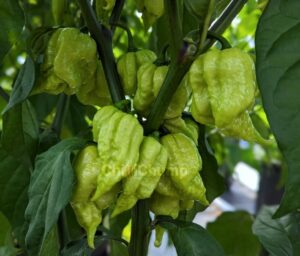
Features consist of:
- It has a wrinkled surface texture
- Thin but durable skin
- Pointed tail-like tip
- Irregular pod formation
- A vivid red coloration at maturity
The majority of fruits are 1.9 to 3 inches (5 to 8 cm) long, and their terrifying heat level is reflected in their rough, almost reptilian appearance.
Flavor Beyond Heat
One of the most misunderstood elements of super-hot peppers is the belief that they merely provide heat. The Naga Viper peppers actually have a remarkably rich flavor profile.
Before the strong burn begins, many tasters notice notes of:
- Tropical fruit
- Citrus
- Floral aromas
- Sweet undertones
- Slight smokiness
These taste chemicals are derived from volatile organic molecules released during fruit maturity. The difficulty is that the intense heat quickly dominates sensory perception, making it impossible for unskilled users to perceive the subtler flavors that lie underneath the capsaicin intensity. As a result, the Naga viper pepper is commonly used sparingly in sauces, powders, and specialized meals.
Genetic Complexity
The Naga Viper’s hybrid origin is one of the reasons it appeals to plant scientists and breeders. Unlike stable heirloom types, which reliably produce identical offspring, hybrid peppers can exhibit different features throughout generations. This occurs when genetic material from many parent lines interacts in unexpected ways.
As a result, seeds stored from Naga Viper plants may produce progeny that vary in:
- Heat level
- Fruit shape
- Productivity
- Growth rate
- Disease resistance
This genetic variability exemplifies one of the fundamental concepts of plant breeding: hybrids frequently exhibit outstanding features, but retaining such qualities necessitates careful selection and stabilization throughout numerous generations.
Environmental Factors Affecting Heat Production
The heat potential of a pepper is determined by its genetics, but how much of that potential is expressed depends on the environment. Research has shown that capsaicin synthesis is substantially influenced by environmental stress.
Factors that can boost pungency are:
1. Temperature Fluctuations
The combination of warm temperatures during the day and slightly cooler conditions at night creates an ideal environment for the accumulation of capsaicinoids. This fluctuation in temperature encourages plants, particularly chili peppers, to produce higher levels of these pungent compounds, resulting in a spicier flavor profile.
2. Controlled Water Stress
Under moderate drought conditions, plants may respond by producing chemical compounds as a defensive strategy. One notable compound they generate is capsaicin, which not only serves to deter herbivores but also plays a role in helping the plants manage water stress.
3. Nutrient Balance
Excessive nitrogen often leads to a surge in leafy growth, which can detract from the quality of the fruit produced. In contrast, a well-rounded approach to nutrition fosters the synthesis of capsaicinoids, the compounds responsible for the heat and flavor in peppers, ultimately enhancing the overall quality and characteristics of the fruit.
4. Fruit Maturity
The concentrations of capsaicin, the compound responsible for the spiciness in peppers, typically reach their highest levels when the fruit is fully ripe.
Several key factors contribute to the intriguing phenomenon where peppers, even those from the same genetic lineage, can showcase astonishingly varied heat levels. This variability hinges on the specific environmental conditions in which they are cultivated, including the soil quality, climate, and care they receive throughout their growth. The nuances of these growing conditions can significantly influence the capsaicin concentration within the peppers, ultimately determining their spiciness.
Growing Tips for High Yield
Growing a Naga Viper demands patience because super-hot peppers have longer developmental cycles than ordinary garden peppers.
Seed Germination
Naga Viper peppers’ cultivation has one challenge: relatively sluggish germination.
Seeds frequently require:
- Soil temperatures between 80.6°F and 89.6°F (27°C and 32°C)
- Consistent moisture
- Good oxygen availability
- High humidity
Germination, under optimal conditions, typically takes place within a span of 10 to 30 days. However, certain seeds may require additional time to sprout. This is particularly true for super-hot pepper varieties, which often have thicker seed coatings and more robust dormancy mechanisms. These adaptations help protect the seeds, allowing them to withstand varying environmental factors before breaking dormancy and beginning the growth process.
Soil Requirements
The Naga Viper peppers thrive in biologically active soils rich in organic materials.
An optimal growing medium should offer:
- Excellent drainage
- Strong microbial activity
- Moderate water retention
- Stable nutrient availability
Compost-rich soils frequently outperform intensively fertilized synthetic systems due to beneficial microorganisms that increase nutrient cycling and root health. A soil pH of 6.0 to 6.8 normally promotes optimal nitrogen absorption.
Transplanting Techniques
Young plants of Naga viper peppers should only be transplanted after developing a strong root system.
When transplanting seedlings outside:
- Harden plants gradually over 7–10 days
- Avoid sudden temperature changes
- Protect from strong winds
- Plants should be spaced to allow for enough ventilation.
Healthy root establishment at this stage frequently determines future yield.
Nutrient Management
Super-hot peppers benefit from a nutritional strategy that evolves during development. During vegetative growth, plants require nutrients to sustain leaf and stem formation. As flowering begins on Naga Viper peppers, nutritional demand turns to support reproductive growth.
Important nutrients are:
- Potassium is a vital nutrient that plays a crucial role in the development of fruits, helping to ensure they grow larger and more flavorful. Additionally, it enhances plants’ ability to withstand stressful conditions, such as drought or disease, making them more resilient and healthier overall.
- Calcium plays a crucial role in preventing blossom-end diseases, a common issue in various fruits and vegetables, by promoting healthy fruit development. Additionally, it contributes to the strengthening of cell walls, ensuring that plants maintain their structural integrity and resilience against environmental stresses.
- Magnesium plays a vital role in the process of photosynthesis as it is a key component in the formation of chlorophyll, the green pigment responsible for capturing sunlight in plants. Without adequate magnesium, plants struggle to synthesize chlorophyll, which in turn affects their ability to effectively convert sunlight into energy. This essential nutrient supports not only the overall health of plants but also their capacity for growth and vitality.
- Boron plays a crucial role in enhancing the process of pollination and ensuring successful fruit set. This essential nutrient supports the development of pollen and helps facilitate the transfer of pollen grains, leading to a more productive and fruitful harvest. Its presence in plants is integral for fostering robust fruit development, ultimately influencing crop yield and quality.
Successful producers place more emphasis on balanced nutrition that supports the full plant life cycle than just nitrogen.
Flowering and Pollination
The tiny white flowers that are characteristic of Capsicum chinense are produced by naga viper peppers’ bushes.
Pollination occurs through:
- Wind movement
- Insect activity
- Plant vibration
Fruit set might be hampered and pollen viability reduced by high temperatures exceeding 95°F (35°C). The yield of naga viper peppers is greatly increased by maintaining ideal growing conditions during flowering.
Managing Pests Naturally
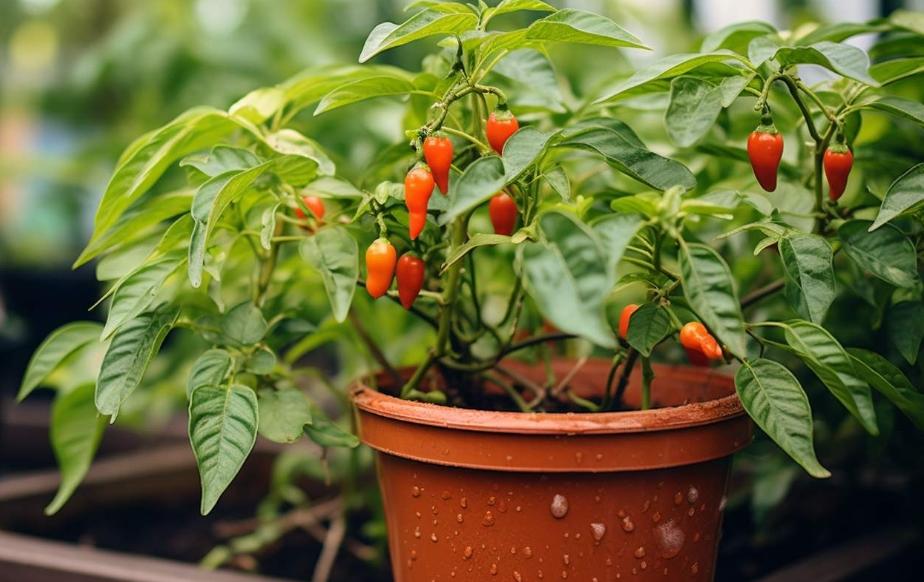
Naga viper plants can draw typical garden pests despite their relative resilience.
Possible issues consist of:
- Aphids
- Spider mites
- Whiteflies
- Thrips
Effective control is achieved by integrated pest management strategies. Many pest populations are naturally suppressed by beneficial insects, including parasitic wasps, lady beetles, and lacewings. Additionally, plants’ defenses are strengthened by healthy soil ecosystems, making them less susceptible to invasion.
Disease Prevention
Most Naga Viper peppers’ illnesses become serious when environmental conditions promote pathogen growth.
Common issues include:
- Powdery mildew
- Bacterial leaf spot
- Root rot
- Anthracnose
Taking preventive measures is often more effective than relying solely on treatments for overcoming plant diseases. Ensuring good airflow around plants is crucial, as it helps reduce humidity and creates an environment conducive to disease development. Additionally, proper spacing between plants allows for adequate sunlight and air circulation, which further minimizes disease risk. Using clean gardening tools prevents the transfer of pathogens, while maintaining healthy soil biology is essential for fostering resilient plants capable of withstanding potential threats. Collectively, these practices significantly reduce disease pressure and promote thriving plant life.
Harvesting Naga Viper Peppers
Patience is required when cultivating really hot peppers. Naga Viper peppers typically take 120 to 160 days from transplantation to full maturity.
When should peppers be harvested?
- Fully red
- Firm
- Glossy
- Uniformly colored
At this stage in the harvesting process, the levels of flavor compounds and capsaicinoids, the active components responsible for the heat in peppers, tend to peak, delivering their most intense flavors and sensations. It’s important to note that capsaicin can lead to persistent skin irritation, making it imperative to wear gloves while harvesting to protect your skin from discomfort and potential irritation.
Culinary Uses
Because of intense heat, the Naga Viper peppers are rarely eaten intact.
Instead, it is used for:

- Hot sauces
- Spice powders
- Chili extracts
- Specialty marinades
- Fermented condiments
Only small amounts are required to significantly increase heat levels. Professional sauce makers frequently prize the naga viper peppers for both their pungency and their unusual fruity flavor.
Health and Nutritional Benefits of Naga Viper Peppers
Despite its intimidating reputation, the Naga Viper peppers contain many beneficial compounds that can enhance health. This pepper is rich in Vitamin C and contains precursors for Vitamin A, as well as flavonoids, carotenoids, and capsaicinoids. Research suggests that capsaicin, one of the active components in the pepper, may contribute to several health benefits, including temporary increases in metabolic rate, improved circulation, anti-inflammatory effects, enhanced satiety, and antioxidant activity. However, due to the extreme potency of the Naga Viper, consumption should be approached with caution to avoid any adverse effects.
The Legacy of the Naga Viper Peppers
- Although other peppers, such as the Carolina Reaper and Pepper X, have surpassed it in official heat ratings, the Naga Viper peppers hold a special position in chili history.
- It revealed the power of purposeful hybridization and motivated a new generation of breeders eager to push the boundaries of capsaicin production.
- The brief reign of Naga Viper peppers as the world’s hottest pepper served to elevate super-hot chilies from fringe curiosity to worldwide recognized agricultural goods.
Conclusion
The Naga Viper peppers are a spectacular example of genetic, chemical, and horticultural ingenuity. It was created by combining three legendary super-hot peppers and has since become a symbol of modern chili breeding and a watershed moment in the search for extreme heat.
But its relevance goes far beyond Scoville ratings. The Naga Viper peppers teach important lessons about plant genetics, environmental influences on secondary metabolites, and the incredible diversity present in the Capsicum genus. Gardeners will find it a gratifying endeavor that requires patience and careful cultivation. Scientists find it fascinating how breeding can magnify naturally present features. And for chili fans, it is still one of the most iconic peppers ever created—a blazing legend whose impact continues to shape the world of super-hot chilies.
Disclaimer
The content provided on this website is purely for educational purposes. We are neither nutritionists nor do we intend to mislead our readers by providing any medical or scientific information.