Introduction to 6 Exclusive Types of Beans & How They Grow!
Introduction
Different types of beans are the most profitable and prolific crops a gardener can cultivate. They swiftly sprout, replenish soil nitrogen, provide pollinators with delicate flowers, and yield high-protein harvests that support families across cultures. All types of beans have earned their status as a staple crop, from kitchen gardens worldwide to backyard beds.
Most types of beans are warm-season annual legumes that grow best in full sun and well-drained soil. They are members of the genus Phaseolus. Other commonly produced beans come from genera including Vicia (fava beans) and Vigna (cowpeas and yardlong beans). Despite their diversity, most types of beans share comparable physiological requirements, including warmth, moderate fertility, and healthy soil biology.
This scientifically based manual explains the biological principles and examines how to properly grow several types of beans.
Understanding Bean Biology Before Planting
All types of beans are dicotyledonous plants that develop symbiotic relationships with Rhizobium bacteria through their taproot system. Through biological nitrogen fixation, these microorganisms inhabit root nodules and transform atmospheric nitrogen (N₂) into ammonia. This procedure adds residual fertility to the soil and provides the plant with usable nitrogen.
Soil temperatures between 60-85°F (16-29°C) are ideal for germination. In addition to delaying emergence, cold soil makes rot pathogens like Rhizoctonia and Pythium more vulnerable. As a result, timing is crucial.
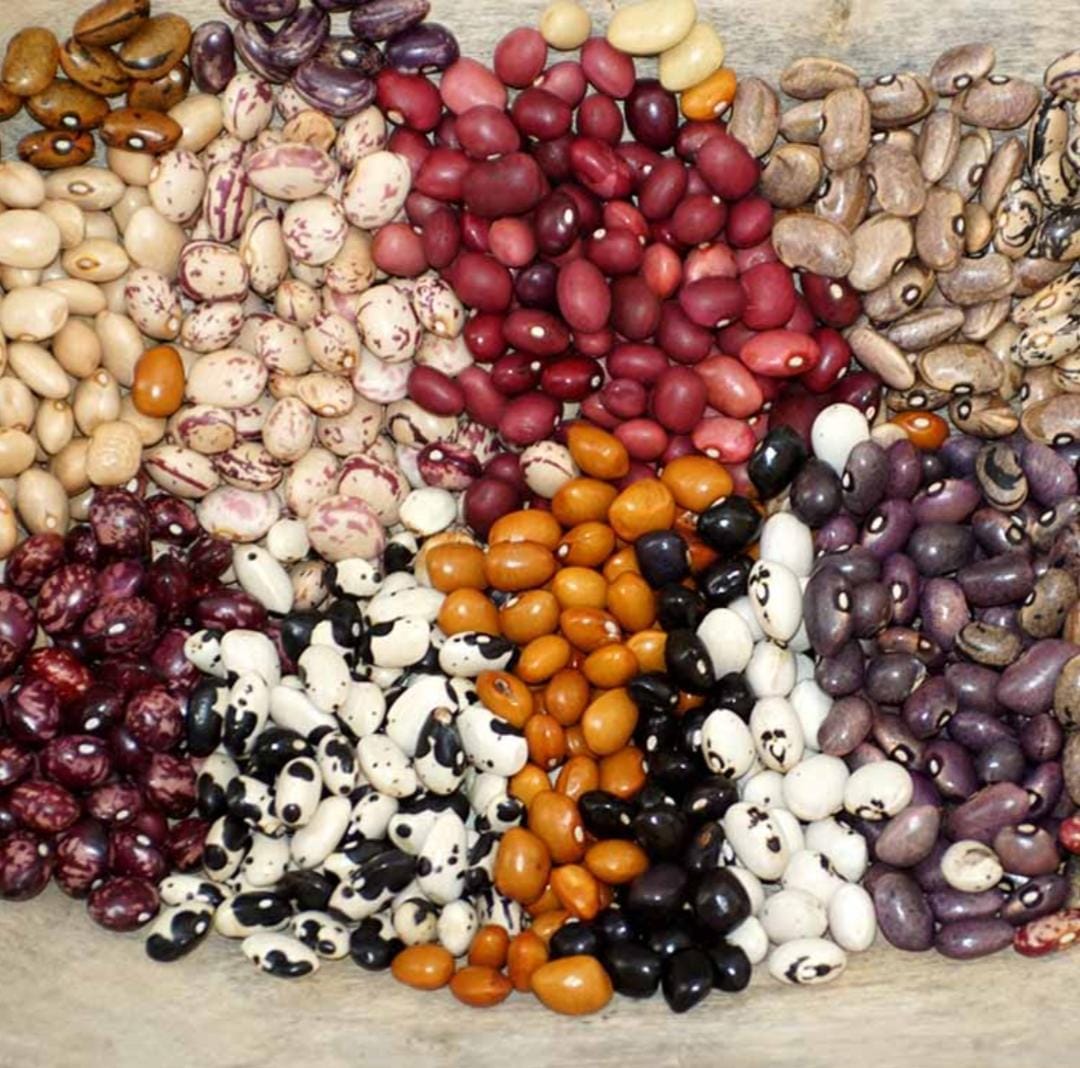
Generally speaking, the types of beans fall into:
- Bush beans – Compact plants producing a concentrated harvest.
- Pole beans – Vining types requiring vertical support.
- Half-runner beans – Intermediate growth habit.
- Specialty beans – Including fava, lima, mung, and yardlong beans.
These types of beans have distinct cultural tastes.
1. Growing Bush Beans (Snap and Dry Types)
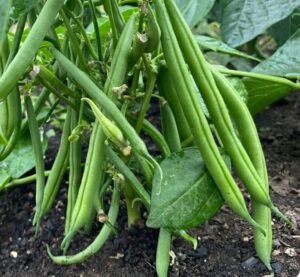
The majority of bush beans belong to the species Phaseolus vulgaris, which encompasses a wide range of varieties. These cultivars are known for their compact growth habit, making them ideal for small gardens and containers. Bush beans typically produce their pods near the ground and are often easier to harvest than pole beans. They are valued not only for their ease of cultivation but also for their nutritional benefits, as they are a good source of protein, fiber, and essential vitamins.
Scientific Growing Requirements
Soil
- For optimal conditions, it is recommended that the pH level be maintained within the range of 6.0 to 6.8
- Imagine a rich, inviting loam that breathes with life—well-drained and teeming with just the right amount of organic matter. This fertile soil creates a thriving environment where plants can flourish, drawing in nutrients and moisture to support vibrant growth
- To ensure a successful balance between leaf growth and pod development in all types of beans, it is crucial to carefully manage the application of nitrogen fertilizers. Excessive nitrogen can stimulate robust leaf growth, which, while beneficial to some extent, can come at the cost of pod production. Therefore, it’s important to monitor and limit nitrogen fertilization to promote optimal plant health and yield
Sowing
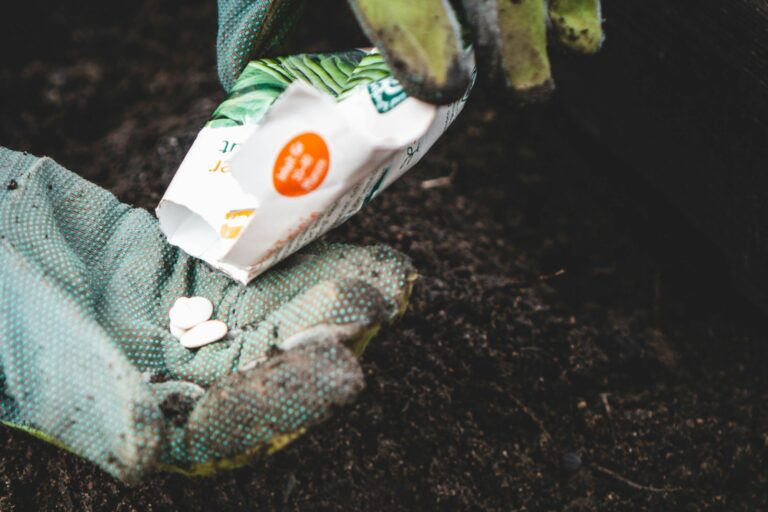
- Sow seeds directly into the ground, one inch deep, after the danger of frost has passed
- Space the plants 2 to 4 inches apart in rows that are 18 to 24 inches apart
- Soil temperature should consistently be above 60°F
Watering
- To maintain optimal growth conditions for your plants, it’s important to keep the soil consistently moist. Aim to provide approximately 1 inch of water per week, adjusting this amount based on weather conditions such as rainfall and temperature. You can achieve this by either using a watering can or a hose, ensuring that the water penetrates the soil deeply.
- Drought stress during the flowering stage of all types of beans, as well as during crop development, significantly impacts overall yield potential. When plants experience insufficient water during this critical period, seed fertilization and establishment can be adversely affected, resulting in lower grain production. Insufficient water not only disrupts physiological processes during flowering but also hampers the plant’s ability to produce strong, healthy seeds. Ultimately, this leads to a decrease in both the quantity and quality of the harvest.
Growth Physiology
Bush beans typically finish their life cycle in 50–60 days. Flowering and pod formation occur over a short period due to their determinate growth pattern. They are perfect for succession planting every two to three weeks because of their intense yield.
Harvesting
- Harvest snap beans at their finest! Look for firm pods that haven’t yet begun to swell with seeds. Collect them just before they reach that perfect point for the crispest and most delicious flavor!
- To harvest dry beans, let the pods mature completely and dry on the plant
Through hormonal regulation, including auxins and gibberellins, frequent harvesting promotes continuous flowering.
2. Growing Pole Beans (Climbing Varieties)
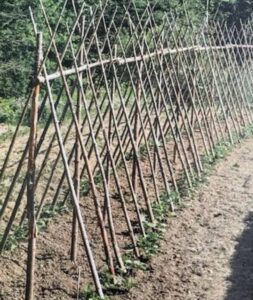
Pole beans, primarily belonging to the species Phaseolus vulgaris, are characterized by their indeterminate growth habit, meaning they continue to grow and produce fruit throughout the growing season as long as conditions are favorable. Unlike bush beans, which have a more compact growth form and stop producing once the plant reaches maturity, pole beans require support to climb, allowing them to reach greater heights and potentially yield more beans over time. This growth method not only maximizes space in the garden but also enhances air circulation and sunlight exposure, contributing to a healthier crop.
Structural Needs
Pole beans, like other types of beans, require vertical support since they have strong vines that can grow to a height of 6 to 10 feet. Trellises increase light interception for photosynthesis, decrease foliar disease, and improve air circulation.
Planting Guidelines
Because pole beans produce vigorous vines that can reach 6–10 feet, vertical support is essential. Trellises improve air circulation, reduce foliar disease, and enhance light interception for photosynthesis.
- When planting, carefully sow the seeds one inch deep into the soil, ensuring that they are positioned at the base of any supports you have set up. This depth will allow the seeds to establish roots effectively while the supports help provide the necessary structure for growth as the plants develop
- Ensure to position the items with a distance of 4 to 6 inches between them to allow for adequate spacing and accessibility
- To ensure the healthy growth of plants and minimize any disruption to their root systems, it is essential to establish stable and durable structures before planting. This preparation helps create a supportive environment, allowing roots to develop without the stress of being disturbed. By implementing sturdy frameworks, you can promote stronger plant development and improve overall plant health
Scientific Advantages
Continuous flowering and pod production over an extended season are made possible by indeterminate growth. The prolonged meristematic activity at the terminals of the vines is the cause of this increased production.
Additionally, vertical growing increases exposure to photosynthetically active sunlight, which enhances yield efficiency and glucose production.
3. Growing Lima Beans (Butter Beans)
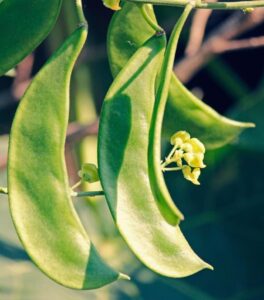
Lima beans, scientifically classified as Phaseolus lunatus, are a type of legume known for their flat, edible seeds that are often green or cream-colored. These beans are native to Central and South America and are cultivated for their high nutritional value. They contain important nutrients, including protein, fiber, and several vitamins and minerals. Lima beans are commonly used in various dishes, ranging from soups and stews to salads and casseroles, and can be enjoyed fresh, dried, or frozen. Their creamy texture and slightly sweet flavor make them a popular choice in many cuisines around the world.
Climate Requirements
Lima beans, unlike other types of beans, require warmer soil temperatures for successful germination. Specifically, the soil must reach at least 65°F(18°C) to ensure reliable sprouting and growth. This sensitivity to cooler conditions makes lima beans less forgiving of cold spells, which can hinder their development. To thrive, these beans flourish in regions with long, warm summers that provide ample growing time. For optimal results, plant them after the last frost, when conditions are favorable, to ensure a bountiful harvest.
Soil & Fertility
- We have a strong preference for sandy loam soil due to its excellent drainage properties and ability to retain moisture while providing essential nutrients for plant growth. This type of soil is ideal for many gardening and agricultural applications, as it balances the benefits of both sandy and clay soils, allowing for optimal root development and healthy plant growth
- The pH scale measures how acidic or basic a solution is, ranging from 0 to 14. A pH level of 6.0 to 6.8 indicates a slightly acidic condition. This pH range is important for various applications, including agriculture, aquaculture, and soil management
- When caring for plants, it is essential to avoid the practice of overapplication of fertilizer, as this can lead to nutrient imbalances, potential harm to the plants, and environmental issues. Properly measuring and applying the right amount of fertilizer based on the specific needs of the plants is crucial for healthy growth and development
Pollination Biology
Lima beans primarily reproduce through self-pollination; however, their pollen viability can be negatively affected by temperatures that exceed 90°F. To mitigate the effects of heat stress during the flowering stage, it is beneficial to maintain regular irrigation. This practice helps ensure healthier plants and improved pollination conditions.
4. Growing Fava Beans (Broad Beans)
Fava beans, scientifically known as Vicia faba, are distinct from the commonly known types of beans. Unlike common beans, which belong to the Phaseolus genus, fava beans have unique characteristics in terms of their flavor, texture, and nutritional profile. These legumes are often larger and flatter than their common counterparts and are known for their slightly nutty taste. Fava beans are an important crop in many cultures and are used in various culinary dishes, providing a rich source of protein, fiber, and essential vitamins. Their cultivation and use date back thousands of years, making them an integral part of agricultural history as well.
Cool-Season Adaptation
Fava beans, also known as broad beans, are particularly well-suited to cooler temperatures, making them a great choice for early spring or fall planting, especially in mild climates. These legumes achieve optimal growth in temperatures ranging from 60 to 65°F(15 to 18°C), where they develop strong foliage and healthy pods. One of their notable advantages is their ability to tolerate light frost, which allows them to flourish even when temperatures dip slightly.
Due to their hardiness, favas can be sown as soon as the soil can be worked in the spring or strategically planted in the fall for a winter harvest in milder regions. This makes them a versatile addition to any garden, capitalizing on the cooler months when many other plants might struggle.
Unique Root System
Fava beans play a crucial role in enhancing soil structure through their deep root systems. As a valuable cover crop, they are particularly beneficial for their impressive capacity to fix nitrogen, which contributes to soil fertility and overall plant health.
Planting Depth & Spacing
- Sow 1–2 inches deep
- Space 6–8 inches apart
Scientific Insight
Fava beans are great rotational crops since they can withstand heavier soils better than regular beans. But, particularly in humid environments, they are vulnerable to chocolate spot disease (Botrytis fabae).
5. Growing Yardlong Beans (Asparagus Beans)
Yardlong beans, scientifically classified as Vigna unguiculata subspecies sesquipedalis, are a variety of leguminous plants that are particularly notable for their impressive length, often reaching up to three feet or more. These beans are renowned in various cuisines, especially in Asian dishes, and are valued not only for their unique appearance but also for their nutritional benefits, providing a rich source of protein, fiber, and essential vitamins. The plant itself thrives in warm climates and can be grown in a variety of soils, making it a popular choice for home gardeners and commercial growers alike.
Heat Adaptation
Like other types of beans, these remarkable beans flourish in warm climates, embracing temperatures that exceed 75°F with ease. Their tropical roots give them an incredible ability to withstand heat stress, making them a true champion of the sun!
Growth Habit
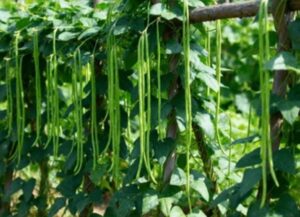
These plants are robust climbers that can grow impressive pods, reaching lengths of 18 to 30 inches. To support their vigorous growth and ensure they thrive, it is essential to provide adequate structures for them to climb, just as with other types of beans. Without the right support, their climbing ability may be hindered, affecting overall health and pod production. Proper care and attention to their climbing needs will lead to a more fruitful harvest.
Water Management
While all types of beans are known for their drought tolerance, consistent irrigation can enhance both the tenderness and yield of yardlong beans.
6. Growing Mung Beans
Mung beans, scientifically known as Vigna radiata, are among other types of beans that belong to the Fabaceae family. They are small, green beans that are widely cultivated in various parts of the world, particularly in Asia. Mung beans are known for their nutritional value, being rich in protein, fiber, vitamins, and minerals. They are commonly used in a variety of dishes, from savory curries to sweet desserts, and can be eaten whole, sprouted, or as flour. The cultivation of mung beans has been practiced for thousands of years, reflecting their importance in both traditional and modern cuisines.
Fast Growth Cycle
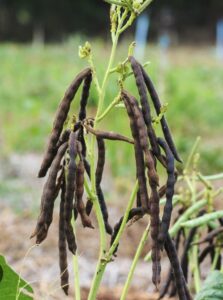
Unlike other types of beans, mung beans are known for their rapid growth and can reach maturity in as little as 60 days from planting. These legumes thrive in warm soil, ideally at temperatures between 70°F and 95°F (21°C-35°C). They flourish best when exposed to full sunlight for at least six hours a day, which promotes their development and enhances the beans’ flavor.
Soil Preferences
- A light and well-drained soil is essential for promoting healthy plant growth, as it allows for proper aeration and prevents waterlogging. This type of soil facilitates effective root development and nutrient absorption, making it ideal for a variety of gardening and landscaping applications.
- Minimal fertilization refers to the practice of using only the essential amount of nutrients required to promote plant growth while reducing excess input that could lead to environmental harm. This approach emphasizes the careful balance of nutrients, ensuring that soil health is maintained without overwhelming the ecosystem.
Mung beans are often cultivated for their sprouts; however, when grown in gardens, they also produce edible green pods and dry seeds, making them versatile for various culinary uses.
Common Pests and Scientifically Supported Control
- Bean beetles: In all types of beans, these can be managed effectively through techniques such as handpicking and the use of row covers, which help to minimize infestation levels
- Aphids: To effectively manage aphid populations, consider introducing beneficial insects, such as lady beetles. These natural predators can help control aphid numbers and promote a healthier garden ecosystem
- Cutworms: They can pose a threat to young seedlings by cutting them off at the soil line. To protect your plants, consider using collars around seedlings. These collars act as barriers, preventing cutworms from reaching the tender stems and ensuring a healthier start for your plants
Integrated Pest Management (IPM) combines monitoring, biological control, and minimal chemical intervention.
Disease Prevention Through Cultural Practices
- Rotate crops every 3 years
- Avoid overhead watering
- Remove infected plant debris
Both fungal rust and bacterial blight can affect all types of beans. By improving airflow, proper spacing shortens the time that leaves remain moist, which is crucial for the growth of pathogens.
Companion Planting and Ecological Synergy
All types of beans pair well with:
- Corn plays a vital role in traditional polycultures by providing structural support for other plants in the ecosystem, thereby benefiting all types of beans. Its tall stalks create a natural framework that allows climbing almost all types of beans and various squashes to grow upward, effectively maximizing light exposure and space utilization. This symbiotic relationship not only enhances the growth potential of these companion plants but also contributes to a diverse and resilient agricultural system, promoting biodiversity and improving soil health.
- Squash is a versatile plant that can serve as an effective ground cover, helping to suppress weed growth. By spreading its broad leaves across the soil, squash creates a natural barrier that blocks sunlight, preventing weeds from germinating and taking root. This ground cover not only helps to maintain a cleaner garden area but also retains soil moisture and improves the overall health of the soil, making it a beneficial choice for sustainable gardening practices.
This trio echoes Indigenous agricultural systems known as the “Three Sisters,” which optimize nutrient use and space efficiency.
Extending the Bean Season
- When planning for early planting in your garden, consider using row covers. These lightweight fabric coverings can help trap warmth and protect young plants from unexpected frosts and pests. They create a mini-greenhouse effect, allowing your seedlings to thrive in cooler temperatures while shielding them from harsh environmental conditions. Row covers are easy to install and can be adjusted as your plants grow, ensuring they receive adequate sunlight while maintaining a favorable microclimate for healthy development
- For optimal garden yield, practice the succession planting of bush beans. This involves sowing seeds in intervals to ensure a continuous harvest throughout the growing season. Start by preparing your garden bed; loosen the soil and amend it with compost to provide essential nutrients. Then, plant the bush bean seeds in rows, spacing them adequately to allow for airflow and growth. After your initial sowing, wait a couple of weeks and repeat the process, planting more seeds in the same manner. This method not only maximizes your crop production but also extends the time you can enjoy fresh beans from your garden
- During the hot midsummer months, it’s essential to choose and cultivate heat-tolerant varieties of plants. These specially selected plants are better equipped to thrive in higher temperatures, ensuring a successful growing season even in challenging conditions. By implementing these resilient varieties, gardeners can enhance their chances of a productive harvest while minimizing stress on the plants
In mild climates, fall plantings of fava beans improve soil health over winter. Fava beans are more beneficial than all types of beans.
Nutritional and Soil Benefits
All types of beans are an excellent source of plant-based protein, providing essential amino acids that contribute to a balanced diet. In addition to their high protein content, they are also packed with dietary fiber, which aids in digestion and helps maintain healthy cholesterol levels. Beans are particularly noteworthy for their iron content, an important mineral for energy production and overall health, as well as folate, which plays a crucial role in DNA synthesis and is vital for pregnant women to support fetal development.
From an environmental standpoint, all types of beans have a unique ability to fix nitrogen in the soil through a symbiotic relationship with specific bacteria found in their root nodules. This natural process reduces the need for synthetic fertilizers, making beans a sustainable choice for gardening and agriculture.
Furthermore, after the harvest, it is beneficial to leave the roots of all types of beans in the soil. As these roots decompose, the nodules break down and release nitrogen gradually, enriching the soil for future crops. This practice not only enhances soil fertility but also promotes a healthier ecosystem, supporting the growth of subsequent plant species. Overall, incorporating beans into your gardening routine can lead to both nutritious meals and environmentally friendly practices.
Conclusion
Growing every types of beans is easy and exciting from a scientific standpoint. Knowing their biological and ecological requirements makes gardening a precise and fulfilling activity, whether you’re growing small bush beans, towering pole varieties, cool-season favas, or heat-loving yardlong beans; all types of beans are equally satisfying.
Almost all types of beans respond abundantly to warm soil, sufficient sunlight, careful watering, and robust microbiological activity below the surface. They are among the best options for any home garden because they enrich the soil just as much as they nourish us.
Disclaimer
The content provided on this website is purely for educational purposes. We are neither nutritionists nor do we intend to mislead our readers by providing any medical or scientific information.