Radish And Daikon Pods: 3 Exclusive Functions
Introduction
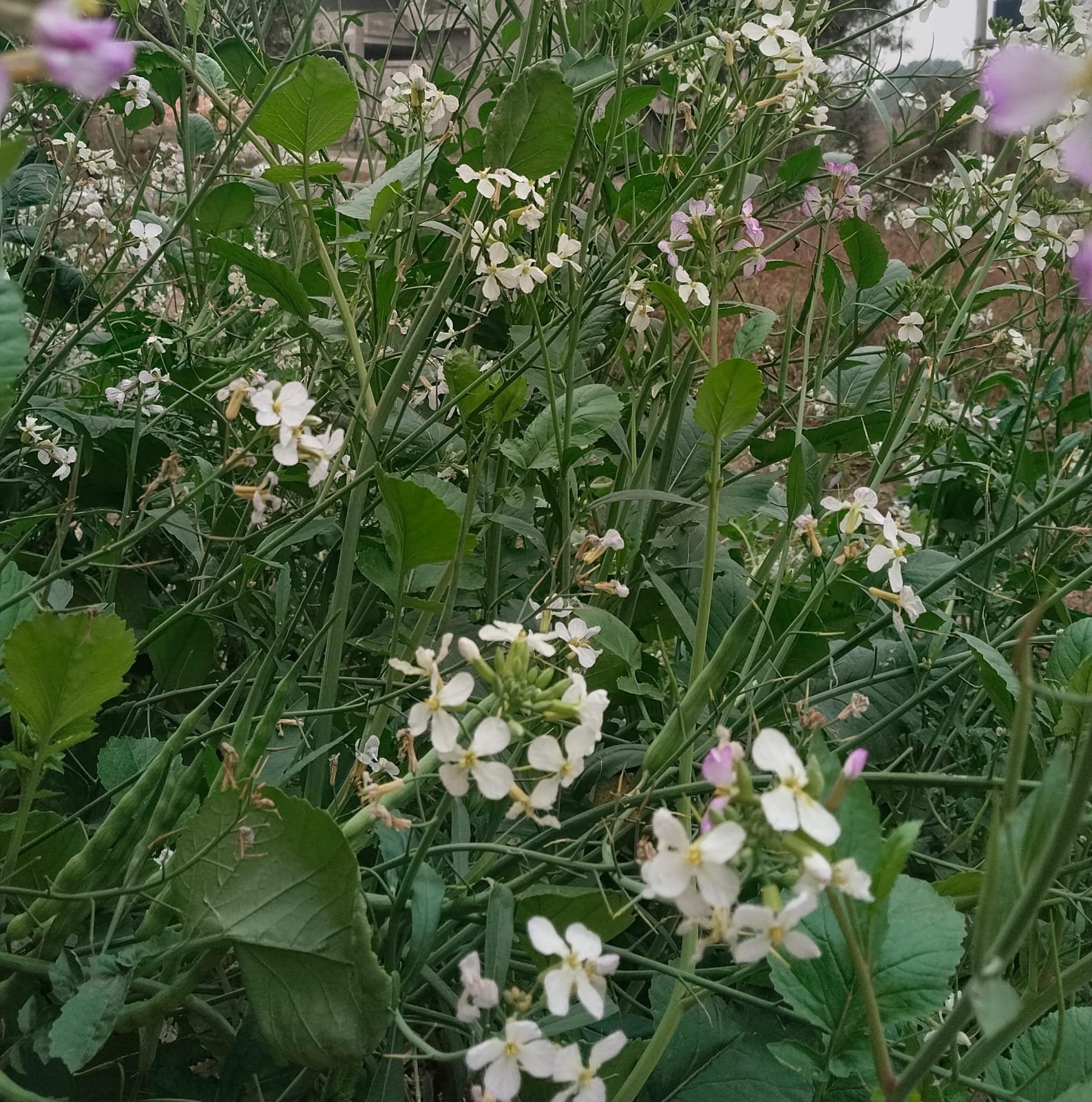
Often referred to as daikon pods, seed pods, rat-tail radish or mungray (in Urdu), radish pods are among the plant kingdom’s most underappreciated food source. The radish plant’s swollen taproot has historically received the majority of culinary and agricultural attention, but contemporary plant science and nutritional research show that the plant’s pods are biologically dense, metabolically active, and incredibly valuable from a sustainability and health standpoint.
These long, sharp seed vessels are more than just blossoming byproducts. Evolution created these living biochemical factories to safeguard and nurture growing seeds. Because of this, radish pods often contain higher concentrations of phytochemicals, antioxidants, enzymes, and minerals than the root itself. Radish pods have been collected as a vegetable throughout Asia, the Middle East, and parts of Europe for a long time, but only recently has contemporary science begun to confirm traditional beliefs about their health benefits.
Botanical Identity

The reproductive organs that develop when a radish blossom is pollinated are called radish and daikon pods. According to botany, radish is a member of the Brassicaceae family, which includes mustard and is known for producing sulfur-containing chemicals with therapeutic and preventive properties.
The ovary grows longer after flowering to create a silique, a unique kind of pod that is unique to this family. Radish pods stay fleshy and sensitive throughout their early growth, in contrast to many siliques that get dry and fibrous. They are particularly suited for consumption because of their structural characteristics.
From a plant physiology standpoint, pods function as:
1. Nutrient Provider
Nutrient sinks play a crucial role in the effective allocation and utilization of essential resources within biological systems. These sinks refer to the processes and locations within organisms that redirect vital substances such as sugars, amino acids, and minerals. By acting as reservoirs or storage sites, nutrient sinks help maintain a balanced supply of these nutrients, ensuring they are available for critical functions such as energy production, growth, and repair. For instance, in plants, sugars produced during photosynthesis are directed toward roots, stems, and fruits, where they serve not only as energy sources but also as building blocks for new cellular structures.
Similarly, amino acids may be diverted to specific tissues for protein synthesis, while minerals like calcium and potassium are essential for various physiological processes and are sequestered in specific areas, thereby regulating their availability based on the organism’s needs. Understanding the dynamics of nutrient sinks is essential for comprehending how organisms manage their nutritional intake and adapt to environmental changes.
2. Defense Mechanisms
Defense mechanisms in plants, including the synthesis and accumulation of various deterrent phytochemicals, play a crucial role in safeguarding them from herbivores and pathogens. These phytochemicals, such as alkaloids, phenolics, and terpenoids, not only deter potential threats through toxicity or unpleasant taste but also can signal neighboring plants to bolster their own defenses. This intricate network of chemical responses highlights the remarkable adaptability of plants in their struggle for survival in diverse environments.
3. Seed Incubators
Seed incubators play a crucial role in the cultivation process by ensuring optimal hydration and providing protection for seeds during germination. These specialized environments maintain precise moisture levels, which are essential for seed viability and growth. By carefully regulating humidity and temperature, seed incubators create ideal conditions that not only promote rapid and uniform germination but also protect seeds from external threats such as pests and disease. This controlled setting allows for a higher success rate in seed sprouting, ultimately leading to healthier plants ready for transplantation or further growth.
Phytochemical Richness
Glucosinolates and Isothiocyanates
Glucosinolates, sulfur-based compounds that lie dormant until plant tissue is disturbed, are particularly abundant in radish/daikon pods. Enzymatic processes transform glucosinolates into physiologically active isothiocyanates when pods are chewed or minced.
Sulforaphane is one noteworthy product of this process that has been well researched for its function in:
- Cellular detoxification
- Oxidative stress reduction
- Regulation of inflammatory pathways
The pods of plants frequently exhibit higher concentrations of certain protective compounds compared to the radish roots. This is primarily because seeds, which are housed within these pods, require more robust chemical defenses against various pests and pathogens. These protective compounds play a crucial role in safeguarding the seeds’ development and survival, ensuring they can withstand environmental stresses and biological threats during their maturation process. As a result, the elevated levels of these chemicals in the pods serve as an essential adaptation, enhancing the overall resilience of the plant’s reproductive structures.
Phenolics and Flavonoids
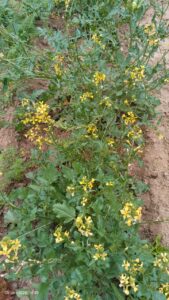
Additionally, radish and daikon pods produce flavonoids and phenolic acids that:
- Counteract free radicals
- Maintain cell membrane stability
- Promote the health of your arteries
Increased antioxidant enzyme activity is correlated with active chlorophyll metabolism, which is indicated by the green coloration of pods.
Nutritional Density
1. Macronutrient Balance of Daikon Pods
Radish/daikon pods are low in calories but high in plant proteins and structural carbs. They are perfect for metabolic balance since their fiber content promotes digestive health without creating a glycemic burden.
2. Micronutrient Spectrum
According to scientific measurements, radish/daikon pods are noteworthy sources of:
- Vitamin C promotes collagen formation and the immune system
- Vitamin K is necessary for healthy bones and blood coagulation
- Folate is essential for cell division and DNA synthesis
Potassium, calcium, magnesium, and trace iron are among the minerals that are essential for enzyme processes and neuromuscular function.
Digestive Physiology and Gut Microbiome Interactions
Daikon pods have quantifiable impacts on digestion because of their:

- Enzymes found naturally
- Fiber portions that are soluble and insoluble
- Gastric secretions are stimulated by slightly strong substances
Nutritional biochemistry research suggests that fibers generated from brassica specifically support healthy gut flora. Specifically, fermented radish pods serve as prebiotic substrates that increase microbial diversity and the synthesis of short-chain fatty acids.
This microbial activity helps to:
- Enhanced absorption of nutrients
- Decreased inflammation in the intestines
- Improved integrity of the gut barrier
Anti-Inflammatory and Detoxification Pathways
Liver Enzyme Modulation
Radish pod isothiocyanates stimulate the liver’s Phase II detoxifying enzymes. These enzymes aid in the elimination and neutralization of oxidative byproducts, metabolic waste, and environmental pollutants.
Systemic Inflammation Control
Radish pod phytochemicals decrease the expression of inflammatory mediators via modifying nuclear transcription factors. Their customary application in relaxing is explained by this mechanism:
- Pain in the joints
- Inflammation of the digestive system
- Congestion of the respiratory system
Cardiometabolic Benefits and Blood Sugar Regulation
Radish and daikon pods contribute to cardiovascular resilience by:
- Increasing the availability of nitric oxide
- Encouraging the flexibility of vessels
- Minimizing lipid oxidative damage
They are very helpful for those controlling insulin sensitivity because of their low carbohydrate density and fiber matrix, which inhibit the absorption of glucose. Daikon pods do not cause sharp blood sugar rises as starchy veggies do.
Agricultural Sustainability and Regenerative Farming
Zero-Waste Crop Utilization
After the roots are harvested, radish plants are often discarded in traditional agriculture. By turning radish into a whole-plant crop, using pods significantly increases land-use efficiency.
Pollinator Support
Allowing radish plants to bloom prior to pod harvesting gives helpful insects access to nectar and pollen. Pod production is now in line with farming practices that promote biodiversity.
Climate Resilience
Because radish plants grow swiftly and can withstand temperature changes, pod production is appropriate for:
- Experience the excitement of brief growth seasons! These fleeting periods of flourishing life bring a burst of color and vitality, transforming landscapes and energizing nature. Embrace the beauty and magic as plants awaken, bloom, and thrive in a radiant display.
- Urban gardens are small-scale gardening spaces located in urban environments, such as cities and towns. They serve as vital green areas amidst concrete and asphalt, offering a multitude of benefits to both individuals and communities.
- As the impacts of climate change become increasingly evident, innovative farming practices are emerging to ensure agricultural resilience and sustainability. These adaptive farming models focus on minimizing environmental damage while enhancing productivity in the face of changing weather patterns, soil degradation, and water scarcity.
Flavor Chemistry and Texture Dynamics
The flavor characteristic of radish/daikon pods is:
- A little bit on the spicier side
- Grassy and vibrant fresh
- Not as strong as mature roots
Higher moisture content and lower amounts of harsh sulfur volatiles produce this sensory balance. Heat treatment reduces sharpness while maintaining crunch by softening cell walls.
Daikon pods are very good at:
- Stir-fries
- Pickling
- Fermentation
- Fresh salads
Studies on thermal stability reveal that isothiocyanate bioavailability frequently rises as a result of better release from plant matrices, whereas vitamin C decreases with cooking.
Traditional Knowledge Meets Modern Validation
Radish/daikon pods have traditionally been prepared as seasonal vegetables throughout South Asia. Young pods are either simply sautéed or fermented in East Asian dishes. These culinary customs closely correspond with current research on nutrient storage and digestion.
An essential idea is highlighted by scientific validation of these practices: traditional food systems frequently encode biological wisdom long before laboratory validation.
Safety, Digestibility, and Consumption Guidelines
In general, regular ingestion of radish/daikon pods is safe. But:
- For those who are sensitive, excessive consumption may result in slight stomach pain.
- Raw brassica vegetables should be consumed in moderation by those with thyroid disorders.
Digestibility is greatly improved by cooking, fermenting, or combining with warming spices.
Conclusion
Plant physiology, nutrition science, sustainability, and culinary flexibility all come together in radish/daikon pods. They are biologically useful structures full of substances that promote detoxification, digestion, metabolic health, and ecological balance rather than being agricultural waste.
Daikon pods provide an appealing example in a world where nutrient density and sustainable food systems are becoming more and more important: use the entire plant, honor its biology, and allow science to shed light on tradition.
By appreciating the benefits of radish/daikon pods, we not only broaden our diets but also make a significant contribution to waste-free, regenerative agriculture, in which each harvest reveals a deeper biological tale and every part of the plant serves a purpose.
Disclaimer
The content provided on this website is purely for educational purposes. We are neither nutritionists nor do we intend to mislead our readers by providing any medical or scientific information.