Flax Seeds: 5 Exclusive Steps From Garden To Plate
Introduction
Despite being one of the oldest crops ever grown, flax seeds (Linum usitatissimum) feel incredibly contemporary. Flax is at the intersection of functional food science and sustainable farming in a time of regenerative agriculture, plant-based nutrition, and microbiome research. One of the most biochemically remarkable seeds in human nutrition is what starts as a delicate blue blossom in the garden.
In order to comprehend flax, it is necessary to examine both its growth in the soil and its behavior within the human body. Flax’s status as a true superfood can be attributed to both the metabolic complexity of the seed and the plant’s ease of cultivation.
Botanical Identity and Growth Characteristics
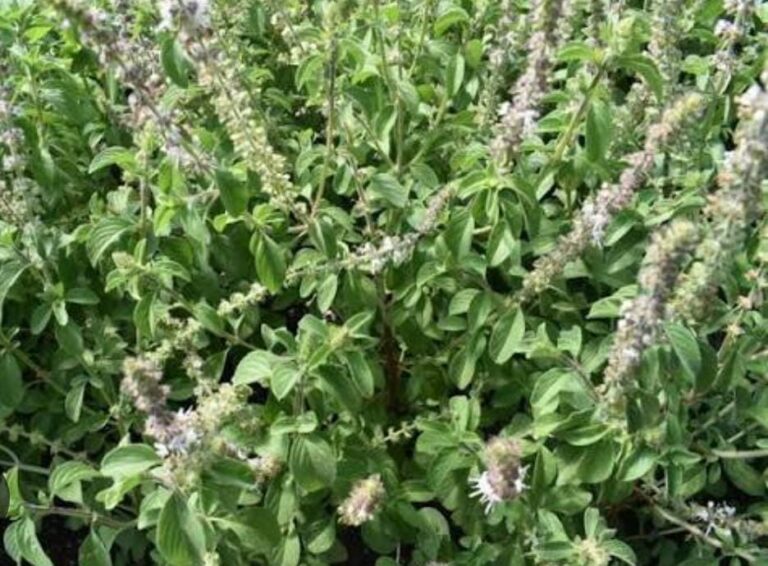
A member of the Linaceae family, flax is an annual herbaceous plant. On thin stems that can grow to a height of two to four feet, it grows upright. The crop has a delicate, airy appearance due to the alternating arrangement of its small leaves along smooth stems.

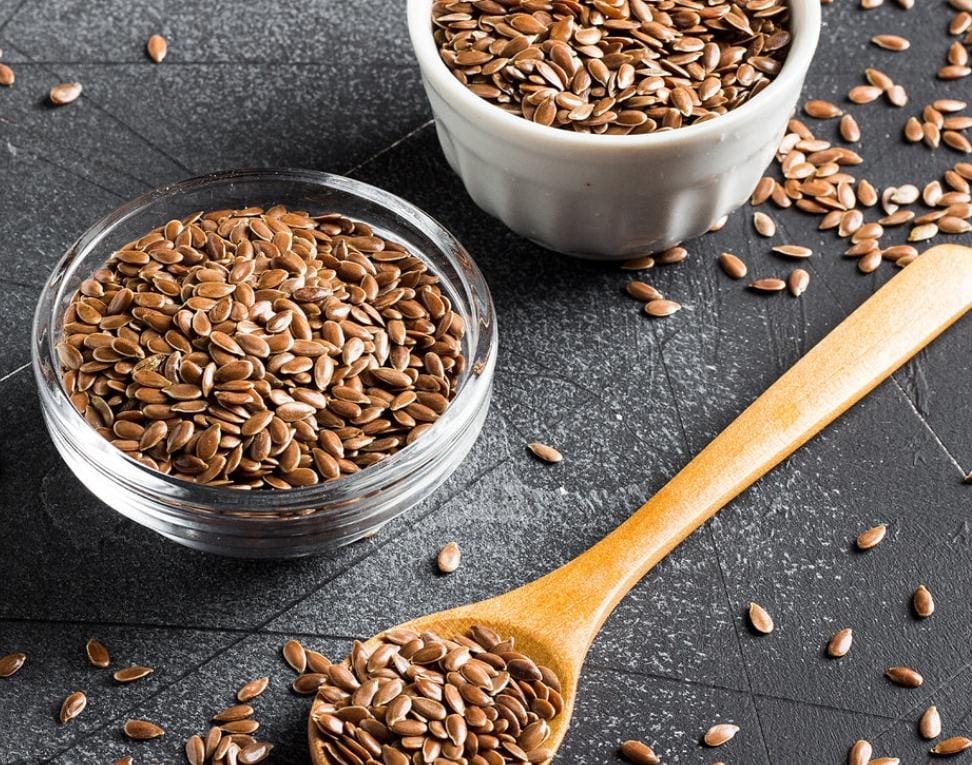
Soft blue flowers, occasionally white in some kinds, are produced by the shrub and only last a few hours on sunny mornings. Every fertilized blossom matures into a tiny, spherical capsule that holds six to ten seeds. These seeds are usually brown or golden, flat, and shiny.
Flax evolved to flourish in temperate areas with moderate rainfall and well-drained soils, in contrast to many contemporary crops that require extensive inputs. Because of its comparatively short growth season (about 90 to 120 days), it can be grown in a variety of locations.
Ideal Growing Conditions for Flax
Climate Requirements
Flax grows best in chilly weather. During early development, temperatures between 59 and 70°F (15 and 21°C) are ideal. Overheating during flowering might affect the quality of the oil and seed output. Flax is frequently planted in the early spring because of its rapid maturity. The crop can adapt to cooler agricultural zones since it can withstand light frost during the seedling stage.
Soil Preferences
The best yields come from sandy-loam or well-drained loamy soils. While wet conditions increase the risk of fungal illness, heavy clay soils may hinder root growth.
Flax performs well in soils with:
- A pH between 6.0 and 7.5
- Moderate organic matter
- Balanced nitrogen levels
Overabundance of nitrogen promotes vegetative development at the expense of seed yield. Therefore, both yield and nutritional composition are greatly influenced by fertility management.
Sunlight Exposure
Sunlight plays a crucial role in the growth and development of plants, especially when it comes to their ability to produce oil-rich seeds. Full sun exposure is essential, as it allows plants to harness the maximum amount of sunlight for photosynthesis. This process is vital because photosynthesis converts light energy into chemical energy, which plants use to fuel their growth and development.
Soil Preparation and Planting Techniques
Because flax seeds are tiny, they should be sown shallow, around 1 to 2 centimeters deep. For reliable germination, the seedbed needs to be firm and finely grained.
Usually, seeds are sown closely together. For consistent seed output, a higher plant density promotes upright growth and reduces branching.
Under ideal moisture levels, germination takes 7–10 days. Unlike deep-rooted crops like sunflowers, flax produces a relatively shallow root system, therefore early root formation is crucial.
Growth Stages of the Flax Plant
1. Germination and Emergence
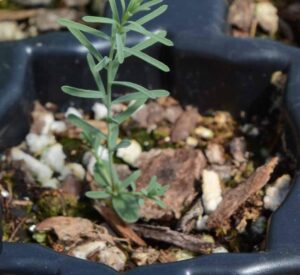
After absorbing moisture, the seed releases enzymes that release nutrients that have been stored. A thin shoot appears above the soil’s surface in a matter of days. Timely flowering and harvesting depend on uniform emergence.
2. Vegetative Development
The plant quickly elongates during this phase. Stem growth is influenced by nitrogen availability, while overfertilization can lower seed oil content.
3. Flowering
The flowering of flax is short but magnificent. Although insects may play a small role, self-pollination is the main method of pollination. Capsule creation is the result of successful fertilization.
4. Seed Filling
This stage determines the nutritional value of the final harvest. As fatty acids are produced inside the seed embryo, oil buildup gets worse. During this time, environmental stressors, particularly heat, might change the content of fatty acids.
5. Maturity
The plant is ready for harvesting when the stems dry out, and the capsules turn golden brown. As a sign of physiological preparedness, seeds rattle inside fully developed pods.
Harvesting and Post-Harvest Handling

When around 90% of the seed capsules are fully developed, flax is collected. The chance of shattering, in which seeds fall from desiccated capsules, increases with delayed harvesting.
Seeds must be completely dried after harvesting in order to get their moisture content down to less than 9%. Proper drying maintains oil stability and inhibits the growth of mold.
Because flax oil contains a lot of polyunsaturated fatty acids, especially alpha-linolenic acid (ALA), it needs to be kept out of the light, heat, and oxygen. Careful storage ensures that the seed retains its nutritional integrity.
Sustainable Farming and Environmental Impact
Crop rotation techniques incorporate flax well. It increases soil biodiversity and disrupts disease cycles in rotations that are dominated by cereals.
In terms of the environment, flax needs:
- Contrary to many oilseed crops, moderate water
- Reduced use of pesticides
- Comparatively minimal use of synthetic fertilizers
Because of these characteristics, it is appealing in regenerative agriculture methods that emphasize soil preservation and minimal chemical use. Additionally, by forming channels that facilitate water penetration and aeration, flax roots contribute to better soil structure.
Nutritional Architecture of Flax Seeds
Flax seeds are nutrient dense. A single tablespoon, or roughly 10 grams, offers:

- About 55 calories
- Four grams of fat, primarily polyunsaturated
- Three grams of fiber
- Two grams of protein
- High levels of manganese, phosphorus, magnesium, and thiamine
However, flax’s special combination of three bioactive ingredients sets it apart from other seeds:
- Alpha-linolenic acid (ALA) is an omega-3 fatty acid derived from plants
- Lignans are antioxidant phytoestrogenic substances.
- Soluble mucilaginous fiber
These substances work together to affect intestinal health, hormone metabolism, inflammation, and cardiovascular function.
Omega-3 Fatty Acids and Cardiovascular Health
One of the best plant sources of alpha-linolenic acid (ALA) is flax seeds. Being an essential fatty acid, ALA must be obtained from the diet because the body is unable to synthesize it.
Cardioprotective Effects
Regular flax eating has been repeatedly demonstrated in clinical research to:
- Reduce the overall cholesterol level
- Cut down on LDL (or “bad”) cholesterol
- Increase the elasticity of the arteries
- Reduce blood pressure
It is a multifactorial mechanism. ALA influences the synthesis of eicosanoids, which supports anti-inflammatory pathways. In the meantime, the liver uses circulating cholesterol to make more bile because flax fiber binds bile acids in the digestive system. Due to enhanced endothelial function and arterial relaxation, flax seeds consumption may also slightly lower systolic and diastolic blood pressure, according to some research. ALA from flax seeds is beneficial, especially for people on plant-based diets, even if marine omega-3s (EPA and DHA) are stronger in some ways.
Lignans: Hormonal Balance and Antioxidant Protection
Secoisolariciresinol diglucoside (SDG) and other lignans are found in remarkably high concentrations in flax seeds. Actually, compared to most other plant foods, flax contains up to 800 times as many lignans.
What Happens After You Eat Lignans?
Enterolactone and enterodiol, which are categorized as phytoestrogens, are produced by gut bacteria from SDG. Depending on the hormonal situation, these compounds can have balancing effects by weakly binding to estrogen receptors.
Breast and Prostate Health
According to experimental and epidemiological research, flax lignans may:
- Limit the growth of cancerous cells
- Adjust the metabolism of estrogen
- Reduced risk indicators linked to hormone-sensitive malignancies
Consuming flax seeds has been linked to positive alterations in estrogen metabolism in postmenopausal women. Prostate health markers in males may be beneficial, according to several studies. Despite not being a medical treatment, flax’s lignan content adds to the increasing number of studies examining the impact of nutrition on hormone-regulated illnesses.
Gut Health and the Microbiome
Flax seeds contain both soluble and insoluble dietary fiber, ranging from 27 to 30 percent.
Soluble Fiber: Feeding Beneficial Bacteria
When water is added to flax seed mucilage, a gel-like substance is created. This fiber that dissolves:
- slows the emptying of the stomach
- keeps blood sugar levels stable
- provides intestinal microorganisms with a fermentable substrate
Short-chain fatty acids (SCFAs) like butyrate, which promote colon cell integrity and lower inflammation, are produced when fiber is fermented.
Insoluble Fiber: Promoting Regularity
The insoluble component gives stool volume and promotes regular bowel motions. Flax is a useful tool for treating constipation without harsh stimulation because of its dual action.
According to recent studies on the microbiome, eating flax may have a beneficial effect on microbial diversity, a crucial indicator of immunological and metabolic resilience.
Metabolic Health
Flax seeds don’t raise blood sugar levels. Protein, fiber, and good fats work together to decrease the absorption of carbohydrates and avoid sharp rises in blood sugar.
According to controlled studies, taking flax supplements may:
- Boost your sensitivity to insulin
- Lower blood glucose levels during fasting
- People with type 2 diabetes have lower HbA1c levels
By creating a gel matrix in the digestive tract, delaying the passage of glucose, and regulating hormone responses, viscous fiber plays a crucial role. Flax’s multi-targeted effects make it an appealing functional food in preventive nutrition since metabolic syndrome includes inflammation, insulin resistance, and dyslipidemia.
Anti-Inflammatory and Antioxidant Properties
Numerous contemporary diseases, such as diabetes, cardiovascular disease, and neurological disorders, are caused by chronic inflammation. Flax seeds include:
- Phenolic substances
- The Lignans
- Vitamin E
- Fatty acids with omega-3
When combined, these substances aid in controlling inflammatory pathways and scavenging free radicals. Studies have indicated that in some groups, using flax supplements can lower inflammatory indicators like C-reactive protein (CRP). Mechanistic studies provide strong evidence for flax’s anti-inflammatory properties; individual responses may differ.
Weight Management and Satiety
Flax seeds encourage fullness since they are high in fat and fiber, as we previously discussed. In the stomach, the gel-forming soluble fiber expands, boosting satiety signals and lowering subsequent caloric intake. According to a number of clinical studies, taking flax supplements may help reduce weight somewhat, especially when paired with a generally healthy diet.
Instead of serving as a “quick fix,” flax promotes hunger regulation by improving gut hormone communication, regulating blood sugar, and slowing digestion.
Flax Seeds and Women’s Health
Many studies have been conducted on flax in relation to menopause. According to certain studies, daily flax ingestion may:
- Reduce the frequency of heat flashes in some people
- Boost your lipid profiles after menopause
- Vitamin E
- Indirectly promotes bone health by reducing inflammation
Flax is not a replacement for medical care, and results vary. But because of its phytoestrogenic qualities, it’s a special nutritional ingredient for women going through hormonal changes.
Forms of Flax: Whole, Ground, and Oil
Whole Seeds
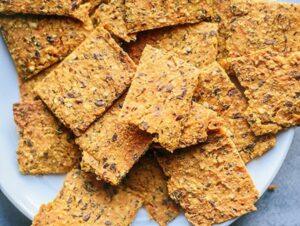
As we discussed about other edible seeds in our blogs, whole flax seeds can maintain their freshness and nutritional value for extended periods when stored properly, making them shelf stable. However, it’s important to note that the body’s ability to absorb the beneficial nutrients found in flax seeds, such as omega-3 fatty acids, fiber, and lignans, may be compromised if the seeds are not fully digested. This means that if whole flax seeds pass through the digestive system without being sufficiently broken down, their health benefits may not be fully realized. To maximize nutrient absorption, it may be more effective to consume ground flax seeds, as this increases surface area and supports better digestion and nutrient uptake.
Ground Flax
The bioavailability of lignans and ALA is enhanced by grinding. Flax’s delicate lipids are preserved when it is ground fresh and kept in airtight containers.
Flaxseed Oil
Although flax oil has a high ALA content, it is devoid of lignans and fiber. To avoid oxidation, it needs to be kept in a refrigerator and kept in dark bottles.
The most extensive nutritional advantages are provided by ground flax seeds.
Culinary Applications
The subtle, nutty flavor of flax seeds fits in well with many dishes.

- Incorporate it into your morning porridge or stir it into your favorite yogurt for an extra boost of flavor and nutrition
- Incorporate various ingredients into your smoothies for added flavor and nutrition, such as fruits like bananas, berries, and spinach, as well as yogurt, nut butters, or seeds for a protein boost
- Incorporate the mixture thoroughly into the dough for whole grain bread, ensuring that every ingredient is evenly distributed for optimal flavor and texture
- To replace one egg in a recipe, combine one tablespoon of ground flaxseed with three tablespoons of water. Mix the ingredients in a small bowl and allow the mixture to sit for about five to ten minutes, or until it becomes thick and gelatinous. This flaxseed mixture serves as an excellent binding agent in baked goods and is a popular choice for vegan cooking and baking
- Incorporate into various salads for an added burst of flavor and nutrition
For the best retention of omega-3 lipids, which are sensitive to heat, it’s advisable to incorporate ground flaxseed into your dishes after they have been cooked. By doing this, you ensure that the beneficial nutrients are not compromised by high temperatures during the cooking process. This method allows you to enjoy the full health benefits of flaxseed while enhancing the flavor and texture of your meals.
Safety Considerations
Natural cyanogenic glycosides are found in trace levels in flax seeds. For healthy people, these substances are safe at normal dietary levels of 1-2 tablespoons per day. They are effectively detoxified by the body.
But:
- Without medical supervision, those with intestinal obstruction should refrain from consuming large amounts of fiber
- Because of the omega-3 concentration, anyone using blood thinners should speak with a doctor
- When taking flax seeds, it’s crucial to drink enough water to avoid any intestinal pain.
Safe ingestion is ensured by moderation and enough hydration.
Conclusion
Flax seeds are a wonderful example of how science and history can coexist. Flax is one of nature’s most adaptable functional foods; it was once used to make Egyptian linen clothing and is now incorporated into evidence-based nutrition plans.
Cardiovascular resilience is supported by its omega-3 fatty acids. Hormonal mechanisms interact with its lignans. The gut microbiota is nourished by its fiber. Oxidative stress is fought by its antioxidants. Additionally, its protein supports plant-forward eating habits.
Perfect health cannot be guaranteed by a single food. However, flax seeds provide a unique blend of nutritional density, physiological significance, and culinary versatility, supported by decades of scientific research.
Flax seeds serve as a reminder that sometimes the most basic types of sustenance can provide tremendous benefits. They are small enough to fit in the palm of your hand yet strong enough to affect metabolic pathways.
Disclaimer
The content provided on this website is purely for educational purposes. We are neither nutritionists nor do we intend to mislead our readers by providing any medical or scientific information.