Bauhinia variegata: An Edible Flower With 3 Magnificent Nutrients
Introduction
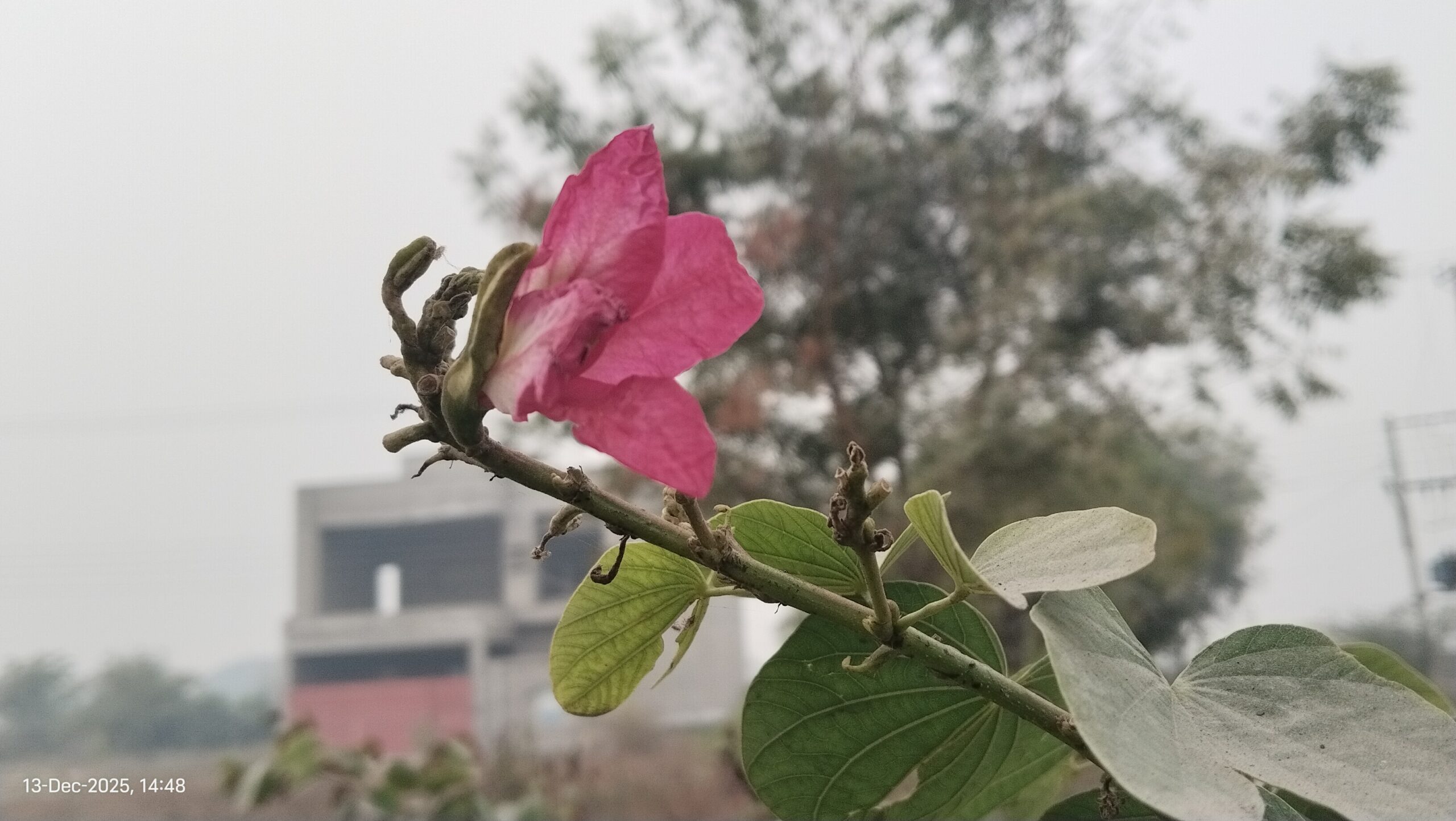
Among the floral foods, Bauhinia variegata (a beautiful edible flower)—commonly known as orchid tree, mountain ebony, or kachnar—stands out as a remarkable example of how botany and human health intersect. The fields of nutrition, medicine, and culture have long been intertwined through the use of edible flowers. This flowering tree, which has been prized for ages throughout South and Southeast Asia, has visually arresting flowers that are also known to have nutritional and medicinal qualities.
This blog, like my previous blogs about edible flowers, maintains a contemporary, evidence-based viewpoint while examining Bauhinia variegata as an edible flower via a scientific lens that integrates plant biology, phytochemistry, nutritional research, and traditional knowledge.
Botanical Identity and Ecological Significance
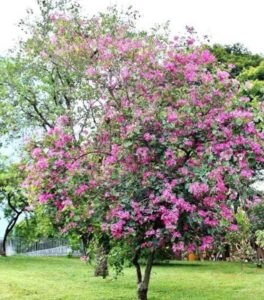
Bauhinia variegata, as an edible flower, is a member of the Fabaceae family, which includes legumes. This species is praised mostly for its blooms and decorative appeal, in contrast to its relatives that produce pods. The genus name Bauhinia was inspired by the medium-sized, deciduous tree’s bilobed leaves, which resemble a camel’s hoof.
The tree, which is native to portions of Southeast Asia, grows well in subtropical regions as well as in the southern United States in USDA Hardiness Zones 9 through 11. When flower resources are otherwise limited, it serves as an ecological supply of nectar for pollinators like bees and butterflies in the early spring. Blossoms are taken when they are fresh, unopened, and full of medicinal ingredients, demonstrating this ecological generosity.
Historical Use as Food and Medicine
These flowers have long been used in South Asian cuisine and medicine, especially in Ayurvedic and folk practices. Usually, flower buds are eaten—steamed, sautéed, or added to curries—instead of fully bloomed blossoms.
In the past, the blossoms were prized by traditional healers for their cooling and purifying properties. The validity of ethnobotanical knowledge is strengthened by the fact that, despite the lack of sophisticated analytical instruments, many of the observations made by ancient practitioners closely correspond with current biochemical discoveries.
Nutritional Composition of the Flowers
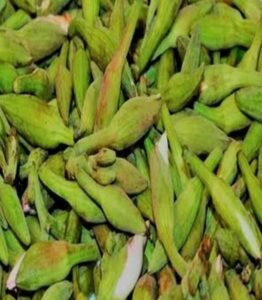
Edible flower buds are not only visually appealing but are also highly nutritious, as supported by various scientific evaluations. When compared to many traditional vegetables, these flower buds often contain a higher concentration of essential vitamins, minerals, and antioxidants. This nutritional richness makes them a valuable addition to a balanced diet, providing health benefits that can enhance overall well-being. Furthermore, their unique flavors and textures can elevate culinary dishes, offering both aesthetic and nutritional enhancements that are worth considering for both health enthusiasts and culinary creatives alike.
Macronutrients
- Dietary fiber: This tasty edible flower promotes healthy gut motility by facilitating the movement of food through the digestive tract, while also fostering a balanced microbial environment. This balance is crucial for optimal digestion, nutrient absorption, and overall gut health, helping to prevent digestive discomfort and support a thriving microbiome
- Plant-based protein: Provides critical essential amino acids that play a vital role in various bodily functions, including muscle repair, immune system support, and the production of hormones and neurotransmitters. These amino acids, which cannot be synthesized by the body and must be obtained through diet, are fundamental for overall health and well-being
- Low-fat content: This edible flower is ideal for heart-conscious diets. This option prioritizes nutritional balance by emphasizing ingredients that promote cardiovascular health. It includes a blend of heart-healthy fats, lean proteins, and an abundance of fruits and vegetables, all of which are rich in essential vitamins, minerals, and antioxidants. This thoughtful combination not only aids in maintaining healthy cholesterol levels but also supports overall heart function, making it a perfect choice for those looking to nourish their hearts while enjoying delicious meals
Micronutrients
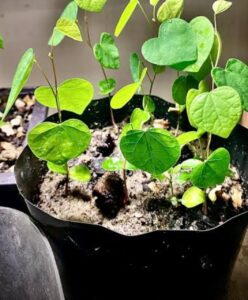
- Vitamin C: Strengthens the body’s immune defense system while promoting the synthesis of collagen, a vital protein that supports skin elasticity, joint health, and overall connective tissue integrity. This dual action not only enhances the body’s ability to fend off illnesses but also contributes to youthful, resilient skin and improved physical mobility
- Calcium and phosphorus: Support the integrity of bones. A mineral study indicates that flowers of Bauhinia variegata — as compared to its buds — tend to be relatively richer in phosphorus, whereas buds are higher in calcium, suggesting a shift in mineral distribution between immature and mature floral stages
- Iron: This edible flower contributes significantly to the transport of oxygen throughout the body and plays a crucial role in energy metabolism. This process involves the binding of oxygen to haemoglobin in red blood cells, facilitating efficient delivery to tissues and organs. Additionally, this function is crucial for cellular respiration, where oxygen is utilized to convert glucose into ATP, the cell’s primary energy currency, enabling various physiological activities and maintaining overall metabolic homeostasis
These nutrients make the flowers particularly valuable in plant-forward diets, where micronutrient diversity is critical.
Phytochemical Richness and Antioxidant Activity
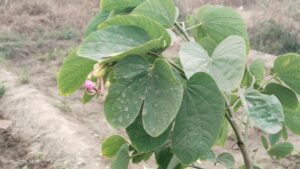
The phytochemical profile of this edible flower is one of its most intriguing scientific features. Numerous bioactive substances have been discovered through laboratory research employing spectrophotometric and chromatographic techniques:
- Flavonoids are a diverse group of phytonutrients found in many fruits, vegetables, and beverages, renowned for their potential health benefits. Among these, quercetin stands out as one of the most studied flavonoids due to its robust antioxidant properties and various health-promoting effects. Quercetin and its derivatives are known to play a role in reducing inflammation, supporting cardiovascular health, and enhancing immune function. These compounds are also acknowledged for their ability to combat oxidative stress in the body, making them an essential aspect of a balanced diet rich in plant-based foods
- Phenolic acids possess strong free-radical scavenging properties, making them vital compounds in combating oxidative stress. These naturally occurring antioxidants can effectively neutralize free radicals—unstable molecules that can cause cellular damage and contribute to various health issues, including aging and chronic diseases. The structural features of phenolic acids, such as their hydroxyl groups, enhance their ability to donate electrons and stabilize free radicals, thereby inhibiting oxidative reactions. This quality not only underscores their significance in the prevention of oxidative damage but also highlights their potential therapeutic applications in health and nutrition
- Tannins are naturally occurring polyphenolic compounds found in various plants, and some of them have shown notable antibacterial properties. These compounds can bind to proteins and other macromolecules, which not only contributes to their astringent taste but also plays a crucial role in inhibiting the growth of harmful bacteria. Research has indicated that tannins can disrupt bacterial cell membranes, interfere with metabolic processes, and consequently limit bacterial proliferation. This makes tannins of interest in various fields, including medicine and food preservation, where their antibacterial qualities can be harnessed to promote health and prevent spoilage
One of the main causes of ageing and the emergence of chronic diseases is oxidative stress. Reactive oxygen species are neutralized by antioxidants, and extracts from these flowers have shown strong antioxidant capacity in in vitro experiments, which supports their use in functional diets.
Anti-Inflammatory and Metabolic Benefits
Numerous non-communicable diseases, such as metabolic syndrome and cardiovascular ailments, are caused by chronic inflammation. According to experimental research, floral extracts may affect cytokine activity and block pro-inflammatory enzymes to modify inflammatory pathways.
Furthermore, early studies suggest a role in regulating glucose metabolism. The edible flower buds may promote metabolic balance, a topic of growing importance in contemporary nutrition science, by enhancing insulin sensitivity and delaying the absorption of carbohydrates.
Digestive Health and Gut Ecology
The buds like this edible flower are frequently combined with digestive spices in traditional cooking, a strategy that contemporary research now acknowledges as synergistic. As prebiotics, the fiber and polyphenols in the buds specifically feed good intestinal flora.
In addition to improving digestion, a healthy gut microbiota also supports immunological control and mental wellness. Edible blooms like this contribute subtly but significantly to overall health by promoting microbial diversity.
Culinary Science: Flavor, Texture, and Preparation
When this edible flower cooked correctly, the buds have a crisp yet supple texture and a slightly bitter, earthy flavor. Phenolic chemicals, which are interestingly frequently linked to health advantages, are responsible for the bitterness.
Best Practices for Consumption

- To achieve the best texture and flavor of this edible flower, it’s essential to harvest the buds just before they reach full bloom. This timing allows for the optimal balance of moisture and nutrients, resulting in a product that retains a desirable firmness and rich taste. By carefully monitoring the growth stages, you can ensure that each bud is picked at its peak, enhancing both the quality and overall experience of the final product
- Light cooking methods, such as steaming and quick sautéing, are highly effective in preserving the nutritional value of food. Steaming involves cooking food with hot steam, which helps maintain vitamins and minerals that can be lost through boiling or prolonged cooking. Quick sautéing, on the other hand, involves cooking food rapidly over high heat with a small amount of oil, which allows for a quick flavor infusion while minimizing nutrient loss. By using these techniques, you can enjoy meals that are not only delicious but also rich in essential nutrients, making them healthier options for your diet
- Combining acidic ingredients with certain foods can significantly enhance the bioavailability of essential minerals. This is because the acidity promotes better absorption in the digestive system, allowing the body to utilize minerals such as iron, calcium, and zinc more efficiently. For instance, pairing foods rich in vitamin C, like citrus fruits or tomatoes, with iron-rich plant sources, such as spinach or legumes, can improve the body’s ability to absorb iron. Similarly, incorporating vinegar or lemon juice into salads not only adds flavor but also helps unlock the minerals present in leafy greens. Overall, understanding the role of acidity in food pairings can help optimize nutrient intake and improve overall health
Traditional cooking techniques are both practical and nutritionally good because culinary science demonstrates that mild heat decreases antinutritional elements while maintaining antioxidant capability.
Food Safety and Responsible Use
Even if they are edible, not all decorative flowers are safe to eat, therefore appropriate identification is crucial. The conventional and scientific consensus places a strong emphasis on planning and moderation. Since the blooms are members of the Fabaceae family, people who are sensitive to legumes should introduce them gradually.
It’s crucial to pick flowers from trees that don’t use pesticides; these trees should ideally be planted in organic or rural environments away from urban pollutants.
Role in Sustainable and Biodiverse Diets
Edible flowers provide a sustainable substitute for resource-intensive crops while global food systems are under stress from climate change. Once established, Bauhinia variegata requires little agricultural input and is tough and drought tolerant. Such neglected plant items enhance local food resilience, promotes nutritional diversity, and lessens reliance on monocultures—a strategy in line with contemporary sustainability science.
Modern Research and Future Potential
New scientific research on edible flowers has been spurred by the current interest in functional foods. Current studies are looking into their possible involvement in:
- Development of Nutraceuticals: The process of developing nutraceuticals involves the rigorous research and formulation of bioactive compounds that offer health benefits beyond basic nutrition. These products can include dietary supplements, functional foods, and fortified food items. The development phase often encompasses a comprehensive analysis of the active ingredients, their sources, potential health effects, and the methods of extraction and synthesis. Collaboration between scientists, nutritionists, and regulatory bodies is essential to ensure safety, efficacy, and compliance with health regulations
- Natural Food Preservatives: In the quest to enhance food safety and extend shelf life without compromising quality, the research and application of natural food preservatives have gained significant traction. These preservatives, derived from plant extracts, herbs, and spices, can inhibit microbial growth and oxidation. Common examples include rosemary extract, vitamin E (tocopherols), and citrus extracts. The development and implementation of these natural alternatives not only cater to the rising consumer demand for clean-label products but also promote sustainability in food production
- Medicinal Substances Derived from Plants: The exploration of medicinal substances extracted from plants forms a vital part of traditional and modern medicine. Phytochemicals, such as alkaloids, flavonoids, and terpenoids, possess various therapeutic properties and are studied for their roles in disease prevention and treatment. The process of identifying, isolating, and testing these compounds includes extensive phytochemical analyses and clinical trials to validate their efficacy and safety. This field not only highlights the significance of biodiversity in health but also underlines the need for sustainable harvesting practices to protect natural ecosystems
Cultural Continuity and Scientific Validation
These flowers have been used for generations, demonstrating a unique fusion of science and tradition. Nutritional epidemiology and scientific analysis are now used to substantiate what was formerly regarded for flavor and seasonal nourishment.
This alignment highlights a more general lesson: fundamentally rational decisions made in ancient food systems are frequently influenced by ecological wisdom and long-term observation.
Conclusion: A Flower That Nourishes Beyond Beauty
Bauhinia variegata is an excellent example of how edible flowers may go beyond beauty to significantly improve human health. Its flowers, which are rich in nutrients, antioxidants, and cultural importance, represent the idea that food may be both useful and aesthetically pleasing.
By cherishing one flower at a time, we can celebrate traditional wisdom, reconnect with the richness of biodiversity, and pave the way for a healthier, more sustainable future. Embracing natural, plant-based substances that are backed by science offers us a vibrant path forward!
These flowers may move from traditional kitchens to evidence-based health applications with additional clinical research, demonstrating their significance in both nutrition and medicine.
Disclaimer
The content provided on this website is purely for educational purposes. We are neither nutritionists nor do we intend to mislead our readers by providing any medical or scientific information.