Gooseberries: 5 Magnificent Types to Grow
Introduction
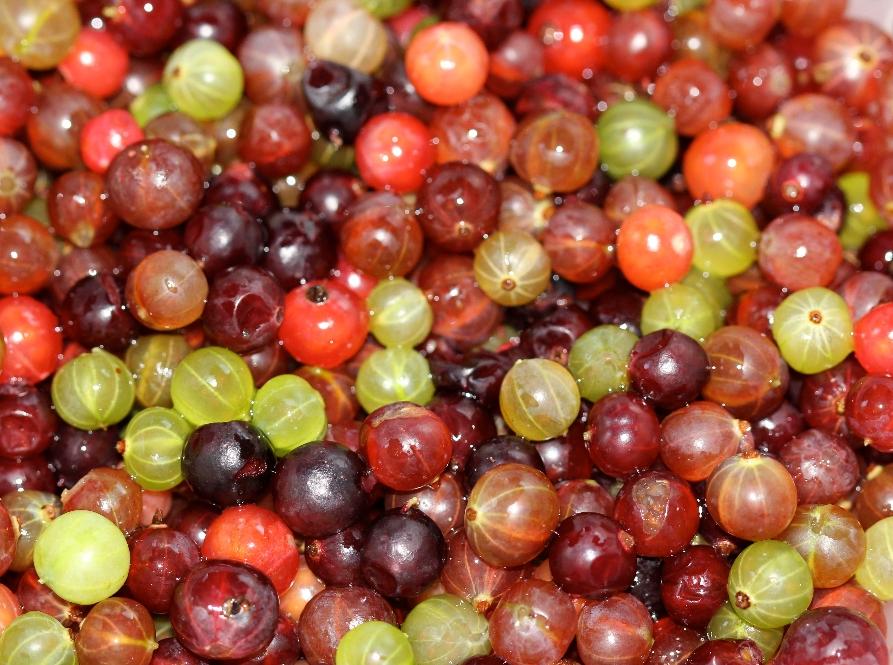
Gooseberries might not appear to be the kind of fruit that commands attention at first. They are not glamorous like blueberries or ostentatious like strawberries. However, beneath their translucent skin, which can occasionally be green, red, yellow, or purple, is a fruit with a tremendous nutritional depth, centuries of agricultural history, and unexpected garden tenacity.
For many generations, people have silently been fed by the gooseberry, a little deciduous shrub fruit that belongs to the Ribes genus. As the fruit ripens, its flavor frequently shifts abruptly, walking a strange line between acidity and sweetness. A mature gooseberry tastes delightfully fruity with hints of grape, apple, kiwi, or even plum, depending on the cultivar; a bite of an underripe gooseberry could make your lips pucker.
Gooseberries used to play a significant role in kitchens and cottage gardens over much of Europe and North America. Long before stores were overrun with imported tropical fruits, they found their way into pies, jams, preserves, wines, sauces, and sweets. Then gooseberries went out of style somewhere along the line. However, gardening trends frequently repeat themselves. Gooseberries are being rediscovered by home gardeners, permaculture enthusiasts, and health-conscious customers for their resilience, nutritional value, and ability to flourish in chilly areas where fussier fruit crops fail. This might be the berry that deserves another shot.
This blog examines gooseberries from root to fruit, including their history, botanical identity, nutrition, health advantages backed by science, variety, and a comprehensive plantation guide for producers looking for a consistent and satisfying crop.
Gooseberry: A Fruit with Rich History
The agricultural history of gooseberries is remarkably ancient. It is thought that the European gooseberry (Ribes uva-crispa) originated in portions of North Africa, western Asia, and Europe. In areas with cold temperatures and moderate rainfall, such as forests, hedgerows, rocky slopes, and forest margins, wild forms naturally flourished. Gooseberries may have been grown in Europe as early as the Middle Ages, according to historical accounts. The fruit had grown in popularity in England, Germany, France, and Scandinavia by the sixteenth and seventeenth centuries. Gooseberry breeding became particularly fascinating to English gardeners.
By the nineteenth century, gooseberry-growing competitions had taken a startling turn in Britain. Gardeners fought to grow particularly large berries, and specialty clubs formed to commemorate the best kinds. What now appears to be a common backyard fruit was historically associated with agricultural status. Meanwhile, in North America, native gooseberry species like Ribes hirtellum provided crucial genetics. Breeders finally crossed European and American species to produce plants with higher cold tolerance, disease resistance, and fruit quality.
Gooseberries did, however, face an unforeseen challenge. In the early twentieth century, some Ribes species were connected to white pine blister rust, a fungal disease that affects commercially significant pine forests. Gooseberry cultivation was restricted in numerous locations in North America. Although many restrictions have been lifted, and resistant cultivars are now available, gooseberries have never fully recovered their previous popularity. Gooseberries, like an old song discovered on a dusty record shelf, are quietly returning.
Botanical Identity and Plant Characteristics
These berries are classified as members of the Ribes genus in the Grossulariaceae family of plants. Gooseberries, unlike sprawling berry vines, develop as compact shrubs that typically attain heights and spreads of three to six feet. Many varieties have thorny stems; however, some recent selections are less difficult to harvest. The fruits vary greatly depending on cultivar. Some stay bright green until maturity, while others acquire golden, pink, red, burgundy, or nearly purple skin.
Their appearance is distinct. Gooseberries frequently have subtle translucent stripes and a fragile outer layer that resembles small lanterns twinkling in sunshine. Gooseberries are perennial deciduous shrubs, which means they shed their leaves annually and go dormant in the winter. They flourish in moderate areas, where winter chilling promotes healthy flowering and fruiting. A mature plant produces blooms in the spring, followed by berries that ripen in the summer.
Gooseberries are remarkable for their capacity to adapt to colder temperatures. While heat-loving fruits generally struggle in the unpredictable spring weather, gooseberries endure frost remarkably well, making them appropriate for northern settings.
Nutritional Composition
Gooseberries may be small, but their nutritional value far exceeds their size. They contain:
- Dietary fiber
- Vitamin C
- Potassium
- Copper
- Manganese
- Polyphenols
- Anthocyanins (especially red and purple cultivars)
- Organic acids and antioxidants
The most prominent is probably vitamin C. This vitamin, which promotes collagen synthesis, antioxidant defense, and immunological function, is found in significant amounts in gooseberries. In addition to being naturally low in calories, the fruit provides fiber, which helps with satiety and digestive comfort. Natural organic acids like citric and malic acids, which add flavor complexity and may affect antioxidant activity, are partially responsible for their tart flavor.
The antioxidant potential of polyphenolic substances, such as flavonoids and phenolic acids, has drawn scientific interest. Gooseberries, in other words, demonstrate that size does not determine fate.
Health Benefits
Rich in Antioxidants
When unstable chemicals called free radicals accumulate faster than the body can eliminate them, oxidative stress results. This imbalance eventually leads to cellular malfunction and aging. Antioxidants found in gooseberries, such as polyphenols and vitamin C, aid in the fight against oxidative stress. Diets high in fruits that contain antioxidants are consistently linked to improved long-term health outcomes, even if no one fruit is a miracle cure.
The lesson is straightforward: berries are important, and gooseberries should have a place at the table.
Supports Immune Function
The functioning of the immune system depends on vitamin C. It aids in tissue repair and promotes the activity of white blood cells. Consuming fruit regularly, especially vitamin C-rich berries, helps maintain the nutritional sufficiency required for healthy immune responses. Gooseberries can improve the nutritional base, but they are not miraculous defenses against disease.
Promotes Digestive Health
For digestion, fiber functions as traffic control. Soluble and insoluble fibers found in gooseberries promote gut health and bowel regularity. Consuming enough fiber is associated with better digestion and may promote good gut flora. For gardeners who enjoy practical advice, consider fiber as your digestive ecosystem’s mulch—it keeps everything flowing and working properly.
May Benefit Heart Health
Diets high in fruit are linked to cardiovascular health. Potassium helps maintain proper blood pressure and fluid balance, while fiber may assist in controlling the metabolism of cholesterol. Berries’ polyphenols may also promote vascular health. Naturally, a bowl of gooseberries cannot make up for bad lifestyle choices, but they work wonderfully with a heart-conscious diet.
Supports Skin and Connective Tissues
Vitamin C is necessary for the creation of collagen, the protein that supports connective tissues, blood vessels, joints, and skin. Including gooseberries in the diet may help promote healthy collagen formation because they contain vitamin C. After all, healthy skin is frequently developed in the kitchen long before it is seen in the mirror.
Helps Blood Sugar Balance
Gooseberries, in comparison to many processed foods, are low in sugar and high in fiber. When included in balanced meals, fiber slows down digestion and the absorption of glucose, which may help maintain more stable blood sugar levels. You might also appreciate their tart flavor.
Types and Varieties
Previously, we have discussed different types of berries in our blog posts. Likewise, other berries, every gooseberry has a different flavor or texture. While some breeds excel in acidity for cooking and preserves, others emphasize sweetness. Red gooseberries are typically sweeter, whereas green gooseberries frequently have a traditional tanginess. Common types consist of:
1. Hinnonmaki Red
Hinnonmaki Red is a vibrant and flavorful berry renowned for its exceptional taste and high productivity. This variety is particularly appealing to gardeners, especially beginners, due to its ease of cultivation and resilience. The berries are not only delicious, offering a perfect balance of sweetness and tartness, but they also yield abundantly, ensuring a generous harvest throughout the growing season. Whether you’re planning to use them in desserts, jams, or simply enjoy them fresh off the bush, Hinnonmaki Red promises a delightful experience for both novice and experienced gardeners alike.
2. Invicta berry
Invicta is a robust and reliable variety, characterized by its vibrant green fruit. This cultivar is known for its vigorous growth and resilience, making it an excellent choice for gardeners and farmers alike. The green fruits not only possess an appealing hue, but they also offer a distinct flavor that adds freshness to various dishes. With a reputation for dependability, Invicta thrives in diverse conditions, ensuring a bountiful harvest season after season.
3. The Captivator
The Captivator variety of plants is designed to be partially thornless, making it more accessible and convenient for harvesting. This unique characteristic not only reduces the risk of injuries during picking but also allows for a more efficient harvesting process. Gardeners and growers will appreciate the ease with which they can gather the fruits, thereby enhancing the overall productivity and enjoyment of cultivating this particular plant.
4. The Poorman variety
The Poorman variety is known for its exceptional cold tolerance, making it a resilient choice for growers in cooler climates. This cultivar produces larger fruit compared to many others, providing a bountiful harvest. Its robust nature allows it to thrive in lower temperatures while still delivering high-quality yields.
5. Pixwell
Pixwell is a variety of plant that is widely cultivated due to its ease of care and adaptability. This strain is known for its robust growth habits and relatively straightforward cultivation requirements, making it an ideal choice for both novice and experienced gardeners. Its manageable nature allows growers to successfully integrate it into various gardening environments, showcasing its resilience and versatility.
The environment, intended application, and disease resistance all play a role in selecting the best cultivar. Sweeter cultivars are ideal if you want to eat fresh snacks. Tart types are excellent for pies and preserves.
Climate Requirements for Plantation
Cool to moderately mild conditions are ideal for gooseberries. The majority of cultivars thrive in temperate climates with chilly winters and warm summers. During the active season, ideal growing temperatures are between 60°F and 75°F. There are difficulties in hot climates. Prolonged temperatures above 85°F can weaken plants, put them under stress, and degrade fruit quality. The afternoon shade becomes useful in warmer climates. Gooseberries value cool comfort, so think of them as mountain climbers rather than beachgoers.
Soil Requirements: Where Healthy Roots Begin
Good fruit starts in the ground, and gooseberries particularly thrive in conditions that promote healthy growth. They favor well-draining soil with a pH ranging from 5.5 to 7.0, which is slightly acidic to neutral, and a structure rich in organic matter that allows for moderate moisture retention. Heavily wet soil can encourage root disease, so it’s important to enhance the texture, microbial life, and moisture balance by enriching the beds with compost or well-rotted organic matter prior to planting. In sandy soils, adding organic matter improves their ability to hold water, while compost enhances drainage and aeration in clay soils, creating an ideal environment for gooseberries to flourish.
Step-by-Step Growing Instructions
Selecting Healthy Plants
To set yourself up for gardening success, it’s crucial to start with healthy, nursery-grown plants. Look for those with strong stems, as sturdy stems can better support growth. A well-developed root system is essential for effective nutrient absorption, so make sure to check the roots for health. Additionally, inspect the plants for any visible signs of disease, such as spots or wilting, to avoid complications later on. Choosing plants with a good branching structure is also important, as this promotes better growth and airflow. Finally, consider selecting disease-resistant varieties to save time and effort in your gardening journey.
Site Selection
When selecting a site for planting, it’s important to consider several factors to ensure optimal growth. Look for a location that receives full sun to partial shade, as this offers the best conditions for your plants. Good air circulation is also crucial to promote healthy growth and prevent disease. In warmer areas, protecting from harsh afternoon heat is essential to reduce stress on the plants. Conversely, in cooler climates, allowing for full sun exposure can help maximize fruit sweetness. In warmer regions, light afternoon shade can help prevent stress and support better overall plant health.
Planting Time
Planting during the dormant season proves to be most effective for establishing new plants. The period from late fall to early spring is particularly optimal, as the cooler temperatures during this time encourage roots to take hold and develop prior to the onset of vigorous growth. While container-grown plants offer the advantage of greater flexibility in terms of planting locations and timing, they still thrive best when exposed to moderate temperatures that support their gradual acclimatization to the environment. This thoughtful approach to planting ensures a stronger foundation for the plants as they emerge and flourish with the warmer weather.
Spacing
When planting space shrubs, it’s essential to position them approximately four to five feet apart. This distance not only enhances airflow between the plants but also minimizes the risk of disease, making the overall environment healthier. Maintaining adequate spacing between the rows is equally important; it allows for better air circulation, which plays a crucial role in drying foliage more swiftly after rainfall. This quick drying helps prevent the onset of fungal diseases that can arise in damp conditions. Remember, overcrowding can lead to a host of problems, so it’s best to keep the plants well-spaced for optimal growth and easier harvesting.
Planting Process
To plant a tree or shrub, first, dig a hole that is wider than the root system. Mix compost into the native soil, then place the plant slightly deeper than its nursery depth to promote stronger growth. Backfill the hole gently and water thoroughly to remove any air pockets. After planting, apply mulch because organic mulch regulates temperature, conserves moisture, and suppresses weeds.
Watering Practices
Young plants need consistent moisture. Deep watering is more effective than shallow daily sprinkling. Established plants thrive in evenly moist—not soggy—conditions. Overwatering can suffocate roots, while drought stress impacts fruit size. A helpful rule of thumb is to keep moisture like a wrung-out sponge.
Fertilization
Gooseberries thrive as moderate feeders, benefiting from balanced fertilizers or compost-based amendments. However, too much nitrogen can promote lush foliage at the expense of fruit development. In gardening, excessive fertilizers often lead to disappointment, so a measured approach is crucial for healthy plants and bountiful harvests.
Mulching
Mulching offers multiple benefits, including moisture conservation, weed suppression, soil temperature moderation, and improved microbial activity. Effective materials for mulching include wood chips, straw, leaf mold, or composted bark. It’s important to maintain the mulch properly without burying the plant stems directly.
Pruning for Better Production
Gooseberries that are neglected soon become crowded, despite the scary nature of pruning. The basic objectives are:
- Better airflow
- Disease reduction
- Improved fruit quality
- Easier harvesting
Remove:
- Dead wood
- Weak growth
- Crossing branches
- Old unproductive stems
An open-structured, well-balanced shrub outperforms a chaotic jungle.
Pollination and Fruiting
Many gooseberry varieties are self-fertile, meaning one plant can produce fruit independently. However, planting multiple cultivars may improve yields and pollinator activity. Flowers emerge in spring and attract beneficial insects. Fruits mature gradually through the summer. Some gardeners harvest immature tart berries for cooking and allow others to ripen fully for sweeter flavor. Two harvests from one shrub? That is a neat little gardening trick.
Common Problems and Diseases
Gooseberries, like all crops, encounter problems from time to time. Potential difficulties include:
- Powdery mildew
- Leaf spot diseases
- Aphids
- Sawfly larvae
- Bird damage
Proper airflow, sanitation, and correct spacing can reduce disease pressure. Avoid overhead watering in the late afternoon. Bird netting may be necessary when berries ripen, as birds often target ripe fruit.
Harvesting Gooseberries
Gooseberries ripen over a few weeks. The date of harvest depends on the intended purpose. Firm, tart berries complement preserves and pies. Berries that have fully ripened become sweeter and softer when eaten fresh. Pick cautiously since the thorny stalks may scratch your hands. Small baskets help to prevent bruises. Fresh berries preserve briefly in the refrigerator, but they taste best when devoured soon.
Culinary Uses: Beyond Pie Filling

Gooseberries are versatile in the kitchen. They function flawlessly in:
- Jams
- Sauces
- Desserts
- Pies
- Chutneys
- Fruit syrups
- Yogurt toppings
- Smoothies

Surprisingly, its acidity goes well with savory foods, particularly roasted vegetables and meats. Gooseberry sauces were used to counterbalance heaviness in rich foods in earlier European cooking traditions. The quietest ingredient can occasionally turn into a secret weapon.
Conclusion
Despite their lack of celebrity status in today’s fruit aisles, gooseberries represent a quality that gardeners greatly value: resistance, productivity, flavor, and history all combined into a little shrub. They are cold-tolerant, reward perseverance, promote biodiversity, and provide wholesome fruit that is high in fiber, antioxidants, and vitamin C. Gooseberries are very useful for home gardeners. Once established, they gladly give back season after season while requesting relatively little. You could just eat fruit if you plant one shrub.
If you plant a few, you may rediscover a long-forgotten gardening custom, demonstrating that often the most valuable things are those that are hidden from view. Gooseberry sauces were used to counterbalance heaviness in rich foods in earlier European cooking traditions. The quietest ingredient can occasionally turn into a secret weapon.
Disclaimer
The content provided on this website is purely for educational purposes. We are neither nutritionists nor do we intend to mislead our readers by providing any medical or scientific information.