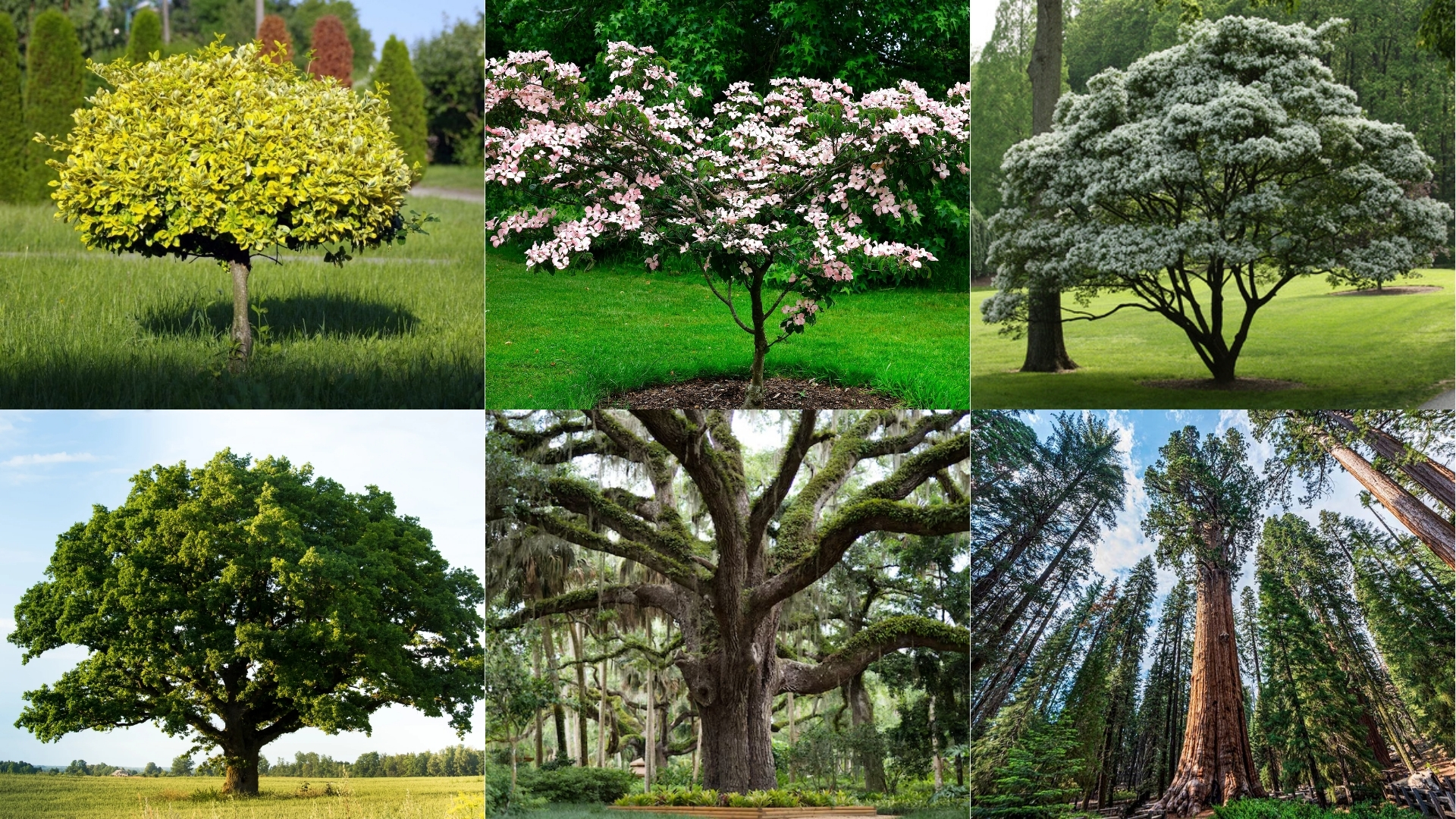
Types of Trees: 5 Magnificent Classifications
Introduction to Types of Trees According to Height
Different types of trees are among the most ecologically significant and architecturally complex creatures on Earth. Their vertical growth, also known as stature or height, is a result of physiological limitations, environmental interactions, and evolutionary strategies rather than just being an aesthetic feature. A useful method for comprehending forest architecture, biodiversity, and ecosystem services is to categorize trees based on their height. Each height category, from massive canopy giants to little dwarf trees, has unique ecological roles and biological adaptations.
Using scientific concepts from plant physiology, ecology, and forestry science, this blog examines types of trees according to species and height. We will look at why trees reach particular heights, how height affects survival tactics, and what this means for foresters, gardeners, and environmental scientists rather than just listing categories.
Understanding Tree Height: A Scientific Foundation
Genetic potential and environmental factors, including light availability, soil quality, water availability, and competition, all influence a tree’s height regardless of the classification of trees. Plant hormones like auxins and gibberellins control the activity of the apical meristem, the developing tip of the plant, which propels trees’ upward growth.
But a tree’s potential height is limited by physiological factors. The capacity to move water from roots to leaves via transpiration is one such limitation. Water transfer becomes less effective as height increases due to gravity and resistance inside xylem channels. Because of this, even the tallest trees—like coast redwoods—rarely grow higher than 115 to 120 meters.
Mechanical stability is a further factor for all types of trees. For trees to endure wind and environmental stress, vertical growth must be balanced with trunk diameter and root anchorage. In forestry research, allometric scaling relationships are used to define this equilibrium.
Classification of Trees
1. Dwarf Trees (Below 16 feet / 5 meters)
Despite being the smallest category and frequently disregarded in conversations on tree ecology, dwarf trees are essential to both natural and artificial landscapes. These trees, which typically reach a height of less than five meters, are either intentionally maintained through horticultural techniques or genetically predisposed to modest stature.
Scientific Characteristics
Reduced internodal elongation is seen in dwarf trees, frequently as a result of low production or sensitivity to growth hormones such as gibberellins. Sometimes, grafting onto rootstocks that limit growth causes dwarfism.
Ecological Role
Dwarf trees, like other types of trees, are prevalent in severe natural settings where growth is restricted by scarce supplies, such as alpine regions or dry landscapes. Because of their tiny size, they require less water and are less vulnerable to wind.
Examples
- Forms of bonsai (grown miniatures)
- Some fruit tree species, such as citrus and dwarf apples
- Species that are found naturally in tundra environments
Practical Relevance
Among other types of trees, dwarf trees are perfect for container gardening and tiny settings for home gardeners. They nevertheless offer fruit, shade, or aesthetic value while making harvesting and upkeep simpler.
2. Small Trees (16-32 / 5–10 meters)
A transitional area between shrubs and medium-sized trees is occupied by little trees. They are frequently found in urban environments and the understory layers of forests.
Scientific Features
These trees can effectively photosynthesize in low light because they frequently show signs of shade tolerance. Their chlorophyll quantity and leaf form are tailored to absorb diffuse light.
Ecological Role
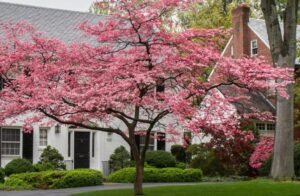
Forest stratification, a vertical layering technique that improves biodiversity, is facilitated by little trees. They give understory creatures, insects, and birds a place to live.
Examples
- Dogwood
- Japanese maple
- Guava
Adaptation Technique
Small trees take advantage of ecological niches where light is filtered rather than directly competing with higher canopy plants. In dense forests, this lessens competition and permits coexistence.
3. Medium Trees (32-67 feet / 10–20 meters)
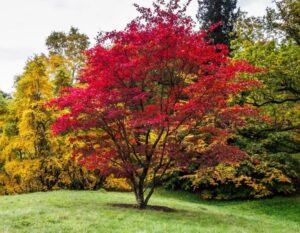
Among the most adaptable and common types of trees are medium-height ones. They are widespread in both temperate and tropical areas and frequently control secondary woods.
Scientific Features
Rapid growth and structural stability are balanced in these types of trees. Without the severe constraints experienced by taller species, their vascular systems are effective enough to sustain modest height.
The Ecological Function
Nutrient cycling and carbon sequestration depend on medium-sized trees. They frequently act as pioneer species, settling in damaged regions and setting the stage for larger trees.
Examples
- Mango
- Neem
- Birch
Growth Dynamics
In the early stages of development, medium trees usually grow more quickly than taller species. In open or regenerating settings, this enables them to swiftly establish dominance.
4. Large Trees (67-131 feet / 20–40 meters)
Among the most adaptable and common types of trees are medium-height ones. Large trees are the foundation of mature forests, and they frequently dominate secondary forests. They frequently reach the canopy layer, where there is plenty of sunlight but fierce competition.
Scientific Features
To sustain their height, these types of trees have highly developed vascular systems and solid wood. Their vast root systems offer both mechanical support and nutrient intake.
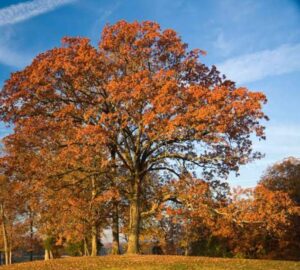
The Ecological Function
The stability of an ecosystem depends on large trees. They support a variety of creatures, regulate microclimates, and influence rainfall patterns.
Examples
- Oak
- Teak
- Eucalyptus
Competitive Strategy
In order to outcompete their neighbors for sunlight, large trees make significant investments in vertical growth. Forest dynamics are significantly influenced by this tactic, which is referred to as canopy dominance.
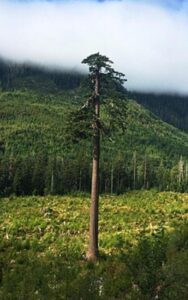
5. Very Large Trees (131-230 feet/40–70 meters)
Some of the most famous tree species on the planet are included in this classification of trees. In most ecosystems, these trees are the highest point of vertical development and predominate in old-growth forests.
Scientific Features
Trees have severe hydraulic constraints at this height. They are more susceptible to embolism (air bubbles in xylem) and drought stress due to the increased tension needed to move water upward.
The Ecological Function
Large trees serve as keystone structures. They provide birds and arboreal mammals with places to nest and store enormous amounts of carbon.
Examples
- Douglas fir
- Kapok tree
- Sitka spruce
Lifespan
Many of the truly magnificent and colossal trees possess an impressive lifespan, often enduring for centuries. As the years pass, their growth may gradually decelerate, yet they continue to generate biomass, contributing to the rich tapestry of their ecosystem. Their towering canopies and gnarled trunks tell stories of resilience, while their presence provides shelter and sustenance to countless organisms, reinforcing their vital role in the natural world.
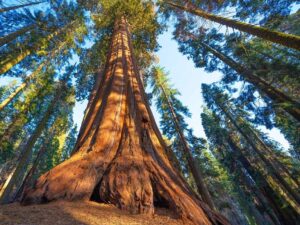
6. Giant Trees (Above 230 feet / 70 meters)
Giant trees are very uncommon and represent the highest possible tree height among all types of trees. Certain areas with ideal environmental conditions are home to them.
Scientific Characteristics
Species such as Sequoia sempervirens are among the tallest known trees. To attain remarkable heights, these types of trees depend on a combination of effective water delivery, a favorable environment, and genetic adaptation.
Ecological Role
Within themselves, giant trees form distinct ecosystems. Their massive canopy creates a vertical environment for mosses, epiphytes, and even small animals.
Examples
- Coast redwood
- Giant sequoia
- Mountain ash (Eucalyptus regnans)
Restricting Elements
According to research, leaf turgor pressure and water transport physics may limit a tree’s theoretical maximum height. Leaves are unable to sustain the pressure required for photosynthesis after a certain threshold.
Environmental Factors Influencing Tree Height
1. Light Availability
In the heart of dense forests, trees engage in a fierce battle for sunlight, a precious resource essential for their survival. To thrive in this competition, many types of trees employ a strategy of vertical growth, stretching their trunks and branches high into the air to reach the vibrant canopy above. This towering ascent allows them to capture the sunlight filtering through the leaves, enabling them to photosynthesize and flourish amidst the crowded surroundings.
2. Water and Soil Nutrients
The availability of sufficient water and essential nutrients is crucial for promoting healthy and sustained growth in trees. When trees have access to an adequate supply of these resources, they can establish strong root systems, develop healthy leaves, and enhance their overall resilience. In contrast, when resources are limited—whether due to drought, poor soil quality, or competition with other plants—trees may experience stunted growth. This can lead to shorter, weaker structures that make them more vulnerable to environmental stresses and diseases. Thus, ensuring that trees receive the necessary water and nutrients is vital for their long-term health and vitality.
3. Climate Conditions
The growth rates and maximum heights of plants are significantly affected by various environmental factors, including temperature, wind, and precipitation patterns. Warmer temperatures can boost growth, while strong winds may hinder development and stunt height. Additionally, the amount and frequency of rainfall play a crucial role in providing the necessary moisture for optimal growth, ensuring that plants thrive in their respective habitats.
4. Genetic Potential
Every species possesses a height range that is largely influenced by its genetic makeup. However, this inherent potential can be altered by various environmental factors, which may either enhance or restrict growth.
Ecological Importance of Height Diversity
Forests that feature a diverse array of tree heights present a rich tapestry of structural complexity, fostering an environment that enhances biodiversity. Each stratum of the forest—ranging from the shadowy forest floor to the lush understory and the lofty canopy—supports distinct populations of flora and fauna, each adapted to thrive in its specific layer.
Moreover, this vertical layering optimizes resource utilization within the ecosystem. By harnessing sunlight, water, and nutrients across multiple levels, the forest minimizes waste and maximizes productivity. The interplay between these different strata not only sustains a wide variety of life forms but also ensures a more efficient use of the resources that sustain them.
Implications for Gardeners and Land Managers
For a gardener with a scientific mindset, understanding types of trees according to height is more than academic—it directly influences planting decisions.
- Space Planning: When selecting types of trees for densely populated or limited spaces, consider opting for dwarf or small varieties. These trees not only fit well within tighter landscapes, but they also enhance the area without overwhelming it. Their manageable sizes make them ideal for urban gardens, narrow streets, or small yards, allowing you to create a vibrant green space without sacrificing functionality or aesthetic appeal.
- Shade Management: Medium to large trees play a crucial role in creating beneficial microclimates that support the growth of understory plants. Their expansive canopies provide shade, reducing direct sunlight and helping to maintain cooler temperatures in the lower levels of the forest. This shaded environment helps to retain moisture in the soil, which is essential for the health and vigor of understory vegetation. Additionally, the trees can moderate wind speeds, protecting delicate plants from harsh weather conditions. By fostering these unique microclimates, larger trees contribute to the overall biodiversity and health of the ecosystem, allowing a variety of understory species to thrive in their protective embrace.
- Biodiversity: Integrating a variety of height categories within a given space can closely replicate the complexity and diversity found in natural ecosystems. By introducing different types of trees and plants and structures of differing elevations, we can create a more dynamic environment that supports a wide range of flora and fauna, fostering an intricate balance reminiscent of the patterns seen in nature.
- Maintenance: Taller trees, among other types of trees, demand greater attention in terms of pruning, which involves carefully trimming branches to promote healthy growth. They also require regular monitoring to ensure their overall health and stability, as well as structural care to support their height and canopy. This extra level of care is essential to maintain their well-being and to prevent potential hazards associated with their size.
Conclusion
Defining types of trees by height offers a valuable framework for understanding plant biology, ecological organization, and landscape design. Tree height results from both ecological interactions and evolutionary processes. This classification ranges from towering giants that can shape entire ecosystems to compact dwarf trees that are adapted to specific habitats.
The precise balance that enables trees to realize their full potential is revealed by scientific insights into growth mechanisms, such as water transfer through transpiration and structural stability. Understanding these categories can help conservationists, foresters, and gardeners make better judgments and develop a stronger bond with nature.
In the end, trees are characterized not only by their height but also by their ability to blend in with their surroundings, with each height class making a distinct contribution to the Earth’s living fabric.
Disclaimer
The content provided on this website is purely for educational purposes. We are neither nutritionists nor do we intend to mislead our readers by providing any medical or scientific information.