Brassicas: 10 Ultimate Tips For Home Gardeners
Introduction
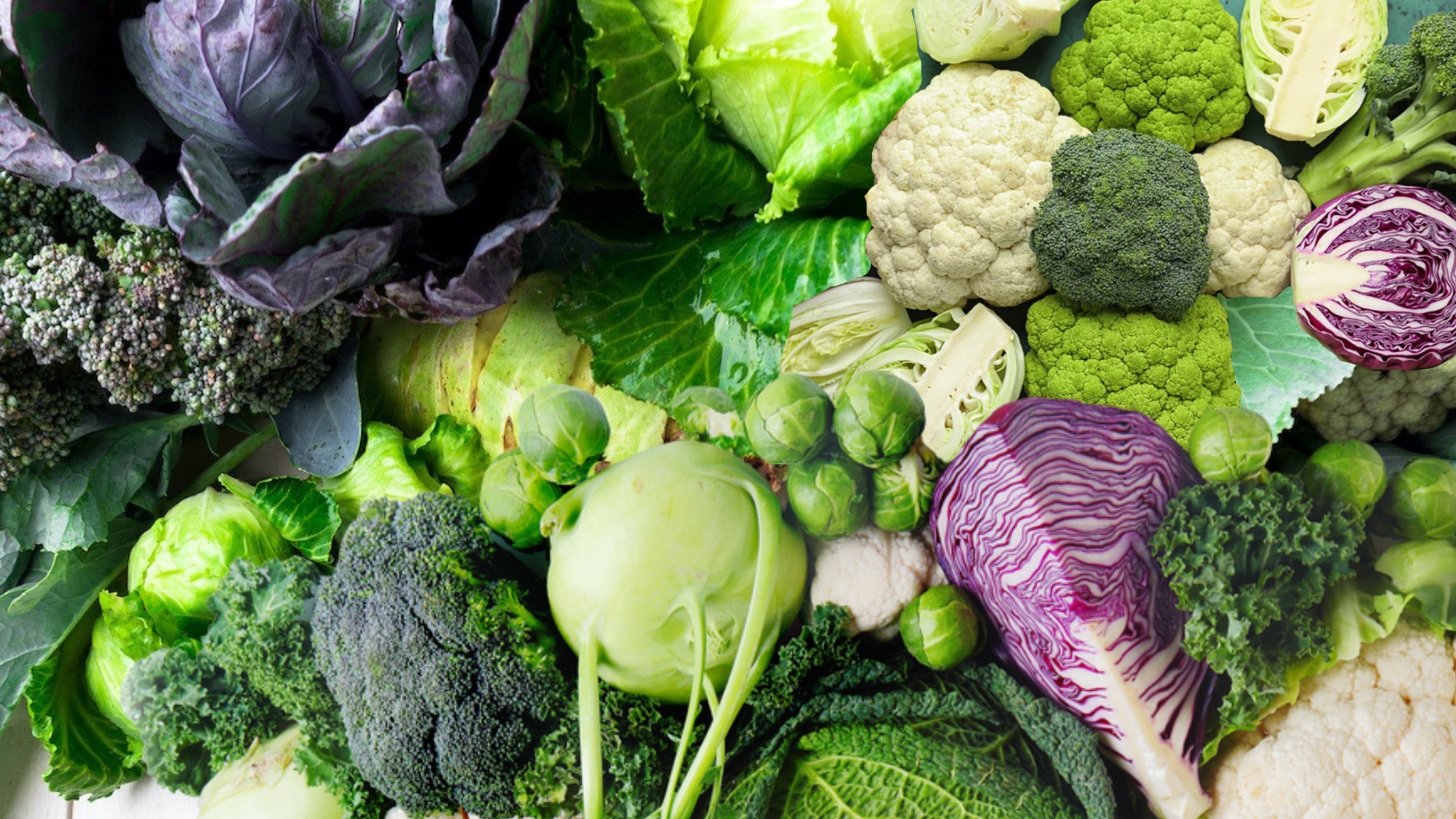
One of the most significant plant families in human history is the Brassica family. Brassicas have influenced diets, agriculture, medicine, and even environmental sustainability, from prehistoric cultivation to contemporary nutritional research. As members of the mustard family (Brassicaceae), this varied plant family includes the widely acclaimed crops broccoli, cabbage, cauliflower, kale, Brussels sprouts, mustard greens, bok choy, turnips, and radishes.
The deep biochemical complexity of brassicas, in addition to their gastronomic diversity, is what makes them so extraordinary. These greens are among the most nutrient-dense foods available, according to extensive scientific studies. They provide protective chemicals that affect metabolism, immunological function, gut health, detoxification pathways, and disease prevention. However, because of their ecological advantages, durability, and adaptability, these plants are essential to sustainable farming systems.
The origins, plant biology, nutritional makeup, phytochemistry, health advantages, agricultural and gardening value, and significance in contemporary food systems of brassicas are all examined in this article.
Evolutionary Origins and Botanical Diversity of Brassicas
Wild mustard species flourished in nutrient-poor coastal soils in the Mediterranean and portions of Western Europe, where brassicas first appeared. Over thousands of years, people have used selective breeding to turn a small group of wild plants into an amazing variety of vegetables, each highlighting distinct plant features like leaves, stems, buds, roots, or flowers.
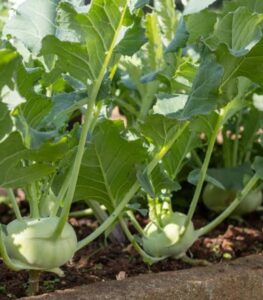
For instance, kohlrabi evolved for its swelling stem, broccoli and cauliflower for their immature flower heads, cabbage for its compact terminal buds, and kale and collard greens for their robust foliage. Brassicas are a prime illustration of how artificial selection shapes plant morphology since this botanical variety results from differences in gene expression rather than significant genetic differences.
From a botanical standpoint, brassicas are commonly known as cruciferous vegetables because they are usually cool-season, biennial or annual plants with cruciform, four-petaled blooms. Fast growth and high biomass output are supported by their shallow yet effective root systems, which enable quick nutrient uptake.
A Concentrated Source of Essential Nutrients
Using nutritional quality indicators, brassicas are consistently ranked among the vegetables with the highest nutrient content. They provide a high concentration of vitamins, minerals, fiber, and bioactive compounds relative to their caloric content.
Brassicas’ remarkable vitamin C content, which promotes collagen production, antioxidant protection, and immunological defense, is one of its distinguishing characteristics. Significant quantities of vitamin K, which is necessary for blood clotting, bone metabolism, and vascular health, are also found in several brassica crops.
Leafy brassicas like bok choy, mustard greens, and kale are rich in folate, a nutrient essential for DNA synthesis and cellular repair. Iron, calcium, potassium, magnesium, and other minerals are also provided by brassicas, frequently in forms that enhance plant-based diets.
Brassicas include both soluble and insoluble dietary fiber, which promote better glucose control, greater gut bacterial diversity, and digestive health. Crucially, brassicas are perfect for metabolic health since they provide these nutrients without having too much sugar or fat.
Glucosinolates
Brassicas’ high concentration of glucosinolates, sulfur-containing chemicals that give them their particular flavor and perfume, is their most technically unique attribute. By species, cultivar, soil composition, and growing conditions, more than 130 distinct glucosinolates have been found.
Glucosinolates interact with the enzyme myrosinase when brassica tissues are diced, chewed, or crushed, resulting in a biochemical reaction that yields physiologically active substances such isothiocyanates, indoles, and nitriles. A great deal of biomedical research is being done on these transformation products.
One of the most researched isothiocyanates is sulforaphane, which is mostly found in broccoli and broccoli sprouts. According to research, sulforaphane affects the expression of genes involved in antioxidant and detoxifying enzyme synthesis, thereby activating cellular defense mechanisms.
Commonly present in Brussels sprouts and cabbage, indole-3-carbinol is involved in cellular signaling pathways and hormone metabolism, especially those pertaining to estrogen balance.
Antioxidant and Anti-Inflammatory Mechanisms
Numerous non-communicable diseases have oxidative stress and chronic inflammation as underlying causes. Through a complex network of antioxidants that includes vitamin C, carotenoids, flavonoids, and sulfur-based substances, brassicas help maintain oxidative equilibrium.
Many brassica chemicals promote the body’s natural antioxidant systems instead of merely scavenging free radicals. This indirect approach increases the activity of enzymes like superoxide dismutase and glutathione S-transferase, which improves long-term cellular resilience.
The modification of signaling pathways that control cytokine production is associated with the anti-inflammatory benefits of brassica ingestion. Regular consumption of cruciferous vegetables may benefit cardiovascular and metabolic health by lowering low-grade systemic inflammation, according to studies.
Cancer Research and Protective Associations
Among the vegetables that have been researched the most in relation to cancer prevention are brassicas. Higher consumption of cruciferous vegetables is consistently linked in epidemiological research to a lower risk of lung, colon, breast, prostate, and stomach cancers.
Numerous processes, including as improved carcinogen detoxification, control of cell cycle progression, encouragement of programmed cell death in injured cells, and suppression of tumor angiogenesis, are thought to be responsible for the protective benefits.
Phase I and phase II detoxification enzymes are influenced by isothiocyanates, which aid the body in neutralizing potentially dangerous substances before they may alter DNA. In the meanwhile, indole chemicals may reduce the incidence of hormone-dependent cancer by altering hormone metabolism.
It is crucial to remember that these advantages result from consistent dietary inclusion rather than sporadic supplementation, underscoring the significance of eating entire foods.
Gut Health
According to recent studies, brassicas have a big influence on the gut microbiota. These veggies’ fiber and sulfur compounds serve as substrates for good gut bacteria, increasing metabolic activity and microbial diversity.
To increase the bioavailability and physiological benefits of glucosinolate derivatives, several gut microorganisms transform them into bioactive metabolites. The synergy between plant chemicals and human microbiota is highlighted by this interaction.
Consuming brassica has also been linked to enhanced intestinal barrier function, which aids in preventing inflammatory chemicals from moving from the gut into the bloodstream.
Cardiovascular and Metabolic Benefits
Frequent brassica consumption is associated with improved cardiovascular indicators, such as increased endothelial function, decreased LDL oxidation, and lower blood pressure. Vascular tone is maintained by potassium concentration, and oxidative damage to blood vessels is prevented by antioxidants.
By enhancing insulin sensitivity and lowering post-meal glucose spikes, brassicas also aid in metabolic balance. They are especially useful in diets meant to prevent type 2 diabetes because of their low glycemic load, fiber, and bioactive substances.
Brassicas in Sustainable Agriculture
Brassicas are vital to agroecological systems in addition to human health. Numerous species are employed as cover crops to enhance nutrient cycling, inhibit weed growth, and lessen soil erosion.
Some plants release biofumigant substances into the soil, which can inhibit soil-borne diseases and dangerous nematodes. This all-natural approach to pest control lessens the need for artificial pesticides.
They are appropriate for crop rotations intended to maximize soil fertility since they are also reasonably effective at absorbing nitrogen. Their capacity to adapt to shorter growth seasons and colder climes improves food security across a range of geographical areas.
Home Gardening and Cultivation Advantages
In addition to their nutritional value, brassicas are one of the most satisfying plant families for home gardeners due to their ecological contributions, biological efficiency, and adaptability. When their physiological requirements are recognized and met, brassicas thrive in a variety of settings, including raised beds, container systems, and little backyard plots.
Their capacity to generate substantial biomass and nutrient density in a comparatively brief growing window is what makes them so useful in home-scale systems. Depending on the species, many brassicas reach maturity in 30 to 90 days, enabling numerous harvest cycles in a single season and succession planting.
1. Cool-Season Physiology and Temperature Response
Brassicas are classified as cool-season crops because their metabolic systems thrive in mild temperatures, usually between 70 – 75°F (24°C). These plants are more effective at photosynthesis in cooler climates compared to warm season crops such as peppers or tomatoes.
After being exposed to light frost, they exhibit an intriguing physiological response: an improvement in flavor. As a cryoprotective mechanism, brassicas raise the amounts of soluble sugars in their tissues when the temperature drops. Because of this natural antifreeze action, which increases sweetness and decreases bitterness, fall-harvested Brussels sprouts and kale frequently have a better flavor than summer-grown ones.
On the other hand, extended heat stress exceeding 30°C (86°F) might change the composition of glucosinolate, decrease leaf softness, and hasten bolting (early blooming). Strategic planting in early spring or late summer guarantees the best quality for home growers in warmer climes.
2. Soil Requirements
Brassicas form their leaves and heads quickly, making them somewhat heavy feeders. They need soil that is rich in organic content, fertile, and well-structured. To optimize nutrient availability and lower the danger of clubroot disease—a soil-borne pathogen that flourishes in acidic environments—soil pH should ideally fall between 6.0 and 7.5.
Chlorophyll production and leaf growth depend heavily on nitrogen. Pale leaves and stunted growth are the results of inadequate nitrogen. On the other hand, too much nitrogen can make flavors less nuanced and make them more vulnerable to pests. Steady growth without nutrient imbalances is produced via balanced fertilization, especially with compost, well-aged manure, or slow-release organic inputs.
Because sulfur availability directly affects the formation of glucosinolate, it is particularly significant in brassicas. Vegetables grown in sulfur-deficient soils may have a lower phytochemical density. Sulfur levels can be naturally maintained by avoiding over-leached soils and adding compost.
3. Root Architecture and Water Efficiency
Despite often having shallower root systems than deep-rooted crops like carrots, brassicas’ fibrous roots effectively delve into the top soil layers. Because of this, they react favorably to organic mulches and nutrients that are applied topically.
Early establishment and head formation phases require constant moisture. Physiological conditions like split cabbage heads or harsh leaves might result from irregular irrigation. Straw, leaf mold, or compost mulching improves microbial activity, stabilizes soil moisture, and reduces temperature swings.
In residential gardens, drip irrigation systems are especially helpful because they keep the foliage dry and supply water straight to the root zone, which lowers the risk of fungal diseases.
4. Succession Planting and Space Optimization
Brassicas’ compatibility with succession planting techniques is one of their biggest benefits in home gardening. Arugula, mustard greens, and baby bok choy are examples of fast-growing kinds that can be harvested in a matter of weeks, making room for other crops.
With leafy brassicas, the primary growth point can continue to produce while the outer leaves are removed, allowing for cut-and-come-again harvesting. This increases output without the need for replanting.
Although larger types, like cauliflower or cabbage, take up more room, they can be interplanted early in the season with quick-maturing plants, like lettuce or radishes, to maximize bed efficiency.
5. Companion Planting and Pest Ecology
Some bug species, such as flea beetles and cabbage butterflies, are naturally drawn to brassicas. Although this could appear to be a drawback, knowledge of pest ecology makes it a controllable system.
During susceptible growth phases, row coverings offer excellent physical barriers. Companion planting with fragrant herbs like rosemary, thyme, or dill may also help break up pest detection patterns.
When flowering brassicas are allowed to bolt, beneficial insects such as predatory beetles and parasitic wasps are attracted to them. Pollinators and natural pest control agents are supported when a few plants are allowed to bloom, which increases the biodiversity of the garden.
In order to prevent soil-borne illnesses, crop rotation is crucial. To lessen pathogen accumulation, do not plant brassicas in the same spot for years in a row.
6. Container Gardening Potential
It’s astonishing how well compact brassica cultivars do in containers. Asian greens, baby cabbage cultivars, and dwarf kale all grow well in pots as long as they have sufficient drainage and are at least 20 to 30 cm deep.
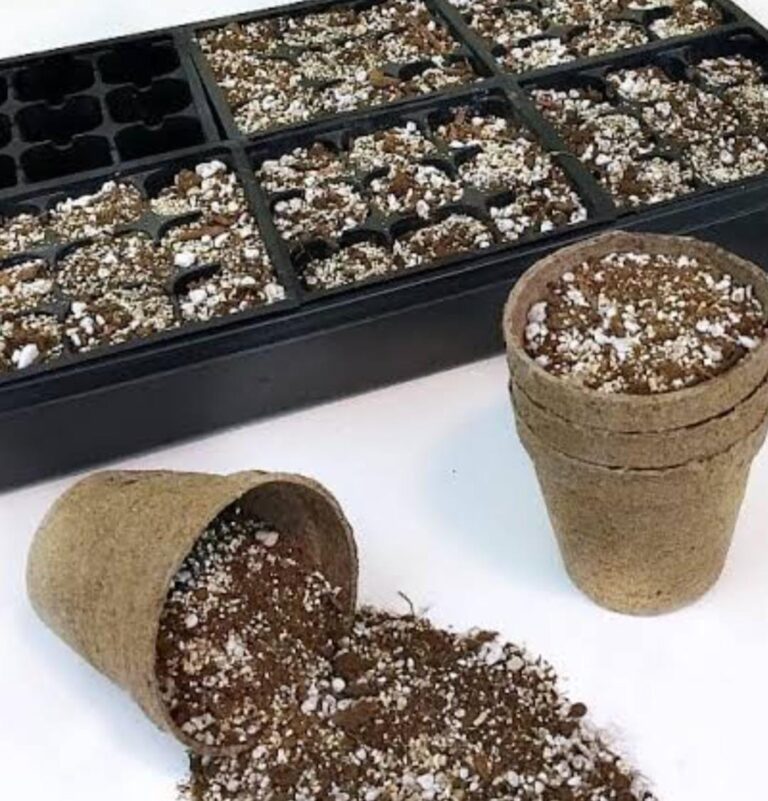
Compost-enriched, premium potting mixes are ideal for growing brassicas in containers. Regular feeding with diluted organic liquid fertilizers promotes sustained growth because minerals from containers drain more quickly.
They are perfect for urban gardeners with limited space since they may effectively produce numerous harvests on balconies and patios throughout milder seasons.
7. Genetic Preservation
Many of them are biannual, which means their life cycle takes two years to complete. They concentrate on vegetative growth in the first year and blossom and generate seeds in the second year after being exposed to winter freezing (vernalization).
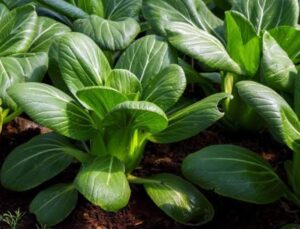
To conserve locally adapted cultivars, home gardeners who are interested in storing seeds can overwinter specific plants. However, because of insect activity, cross-pollination between brassica species is frequent. To preserve varietal integrity, physical barriers or isolation distances are required.
Saving seeds increases biodiversity, strengthens resilience, and enables gardeners to gradually choose plants that are most appropriate for their microclimate.
8. Flavor Development and Harvest Timing
Timing of harvest has a major impact on phytochemical levels, nutrient content, and texture. While older leaves acquire richer tastes and larger concentrations of beneficial substances, young leaves are often more delicate and have softer glucosinolate profiles.
Harvest broccoli heads before the yellow blossoms appear, when the florets are compact and tightly packed. Certain types of cauliflower curds need to be shielded from direct sunlight in order to retain their color and suppleness.
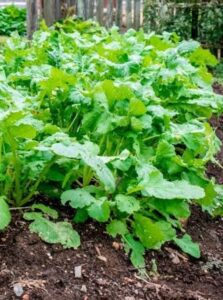
While root brassicas like turnips and radishes should be removed before they turn woody, regular harvesting promotes continuous yield in leafy varieties.
9. Climate Adaptability
Brassicas exhibit remarkable climate adaptation. Some types can withstand temperatures close to freezing with little protection, and many can withstand mild frosts.
Compared to more temperature-sensitive crops, they offer consistent yields in areas with erratic weather patterns. Additionally, their comparatively brief growth cycle lessens their vulnerability to seasonal fluctuations.
Gardeners can continue to produce into late autumn or early winter by using basic protective techniques like cold frames or low tunnels.
10. Nutrient Density Per Square Foot
These greens provide outstanding returns for gardeners who are concerned with optimizing nutritional yield from a constrained area. They have more vitamins, minerals, fiber, and phytochemicals per harvested area than many other vegetable families.
Food waste is reduced since a variety of plant parts, including leaves, stems, buds, flowers, and even early seed pods, are edible. This whole-plant usage is in complete harmony with regenerative and sustainable gardening ideologies.
Culinary Versatility and Cultural Significance
From fermented cabbage recipes to lightly sautéed greens and slow-cooked stews, brassicas are used in culinary traditions all across the world. Depending on the type and cooking technique, their flavors can range from light and sweet to strong and spicy.
Cooking methods affect the beneficial chemicals’ bioavailability. While fermentation increases microbial diversity and digestibility, light steaming maintains myrosinase activity more effectively than prolonged boiling.
Brassicas’ status as staple foods rather than luxury components are reinforced by their long-standing cultural associations with sustenance, hardiness, and seasonal eating.
Brassicas and the Future of Nutrition
Brassicas are becoming more widely acknowledged as essential foods for sustainable nutrition as interest in plant-based diets increases worldwide. They are in a unique position to promote human and global health because of their high nutrient density, minimal environmental impact, and compatibility with a variety of cuisines.
The ways that cooking techniques, soil health, and breeding tactics can improve the advantageous qualities of these nutritious veggies are still being investigated. Brassicas are not just any vegetables; they are a combination of biochemistry, agriculture, and human health.
Conclusion
Brassicas are at the nexus of sustainability, nutrition, and science. They are among the most valuable plant families in the human diet due to their remarkable diversity, biochemical sophistication, and demonstrated health benefits. Brassicas provide preventive chemicals that affect cellular health, immunological resilience, gut function, and the prevention of chronic diseases, according to decades of scientific research.
The crop continues to show that tremendous nutrition frequently comes from simple plants, whether they are cultivated in home gardens, incorporated into regenerative farming systems, or used in both traditional and modern cuisines. Adopting this vegetable family is an investment in long-term health and ecological balance as well as a nutritional decision.
Disclaimer
The content provided on this website is purely for educational purposes. We are neither nutritionists nor do we intend to mislead our readers by providing any medical or scientific information.