Sesame Seeds: 4 Exclusive Tips to Grow Super Food
Introduction
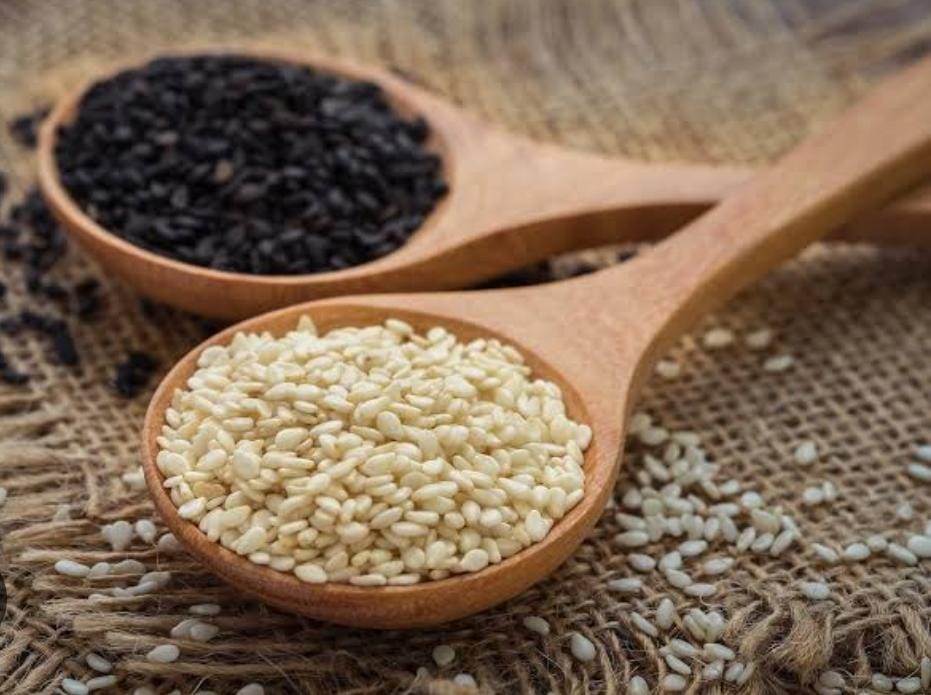
For more than 5,000 years, civilizations have been fed by sesame seeds, which are tiny yet incredibly nutritious. These tiny, oil-rich seeds have drawn scientific interest from ancient Mesopotamian fields to contemporary, health-conscious kitchens. Botanically named Sesamum indicum, sesame is more than just a spice for bread; it is a hardy crop and a biochemical superpower. In this blog, we will explore not only tips for growth and the appropriate conditions but also the health advantages associated with this small-sized seed.
The science of cultivating sesame seeds, their physiological activity in the field, and the scientifically supported claims that they are a superfood will all be covered in this extensive guide.
The Botanical Identity of Sesame
The Pedaliaceae family includes the annual blooming plant Sesamum indicum. Sesame seeds are one of the highest oil-yielding crops per unit weight. Sesame seeds contain 45–60% oil.
1. Botanical Characteristics
- Deep taproot system enabling drought tolerance
- Erect stems ranging from 23–60 inches (60–150 cm)
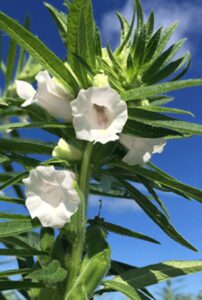
- Tubular, bell-shaped flowers (white, pink, or pale purple)
- Capsules that split open when mature (a process called dehiscence)
In an evolutionary approach to seed distribution, the term “open sesame” refers to the seed pod’s natural splitting mechanism.
2. Climate and Environmental Requirements
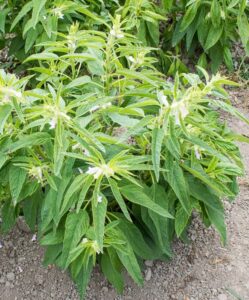
Sesame, scientifically known as Sesamum indicum, is a thermophilic plant that flourishes in warm climates, particularly in regions where temperatures are consistently high. This annual oilseed crop is well-adapted to grow in dry, arid environments, benefiting from the heat and abundant sunlight. Sesame plants thrive in soils that are well-drained and rich in nutrients, allowing them to produce seeds that are not only highly valued for their oil content but also for their culinary and nutritional properties. Typically, these plants can withstand drought conditions, making them a resilient choice for agricultural practices in warmer areas around the globe.
- Temperature: The ideal temperature range for optimal germination is between 77°F-95°F (25°C-35°C).
- Sensitivity: Prone to damage from frost conditions.
- Growing Season: The plant requires an extended growing season that lasts between 90 to 120 days, during which it must be free from frost. This period is crucial for the plant’s development, as it needs consistent warm temperatures to thrive and produce optimal results.
3. Sunlight
Exposure to full sun is crucial. The efficiency of photosynthesis directly affects oil biosynthesis in developing seeds.
4. Rainfall
It is adequate to have 12–25 inches (300–600 mm) of rainfall every year. Too wet conditions can lower seed quality and encourage fungal diseases. According to science, sesame’s resistance to drought results from:
- The architecture of its deep roots.
- Effective control of stomata.
- Adjustment of osmotic pressure under water stress.
This makes it very beneficial for farming in semi-arid agricultural systems.
Soil Science: What Sesame Prefers
According to soil science, Sesamum indicum thrives in friable, well-drained soils with continuously high oxygen availability around the root zone. Because they offer a balanced combination of aeration, moderate water retention, and ease of root penetration, sandy loam to loamy soil is perfect. Due to its prominent taproot system, which can reach deep into the soil profile and provide access to subsurface moisture during dry spells, sesame is extremely vulnerable to waterlogging. Saturated soil, even for brief periods, can lower root respiration, hinder nutrient uptake, and make plants more vulnerable to fungal diseases like root rot.
The ideal pH range for soil is 5.5 to 7.5, where vital elements like calcium, magnesium, and phosphorus are still easily accessible. Because it promotes luxuriant vegetative growth at the price of capsule formation and oil accumulation, excessive nitrogen fertilizer should be avoided. Well-decomposed organic matter improves cation exchange capacity, microbial diversity, and soil structure, all of which promote consistent nutrient release over the course of the crop cycle. In the end, warm, loose, biologically active, and never compacted soils are rewarded by sesame.
Sowing and Germination Physiology
Sesame seeds are small, requiring shallow planting depth.
Sowing Guidelines
- Depth: 1 inch roughly (1–2 cm)
- Spacing: 10–18 inches (30–45 cm) between rows
- Direct seeding: Preferred
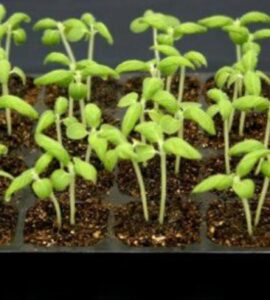
Germination typically occurs within a period of 4 to 7 days when placed under optimal temperature conditions. During this time, seeds absorb water and begin to swell, activating internal processes that lead to sprout growth.
From a physiological perspective:
- Sesame seeds undergo epigeal germination, meaning that the seed’s cotyledons (or seed leaves) emerge above the soil surface during the germination process.
- The cotyledons rise above the soil.
- Rapid root growth helps plants adapt to drought conditions early on.
Uniform seedling emergence is crucial because uneven growth can reduce yield.
Flowering Biology and Pollination
Although they can benefit from insect visits, sesame blooms are mostly self-pollinating. Bees may improve seed set and increase genetic diversity. The growth of the capsules can be staggered because the flowering phase lasts for several weeks. This unpredictable development style offers resistance to transient environmental stress.
Growth Stages and Nutrient Dynamics
The development of sesame can be separated into:
- Stage of vegetation
- Initiation of flowers
- Development of capsules
- Filling of seeds
- Physiological development
- Phase of Oil Accumulation
The seed filling stage is the most important. In this time frame:
- Lipid synthesis is the new target for photosynthates.
- Biosynthesis of fatty acids increases.
- Lignans build up.
The quality of oil is heavily influenced by the stability of temperature throughout this particular stage of processing. Fluctuations in temperature can lead to undesirable chemical reactions and alterations in the oil’s physical properties, which ultimately affect its flavor, aroma, and nutritional value. Maintaining a consistent temperature is crucial for preserving its quality and ensuring that the oil meets the desired standards for both safety and culinary use.
Harvesting and Post-Harvest Handling
When fully ripe, traditional varieties of sesame seeds will easily shatter or break apart with minimal pressure. This characteristic of sesame seeds indicates their maturity, as they have reached the optimal stage for harvest. The pods, which contain the seeds, become dry, brittle, and yellowish, allowing them to open up and release sesame seeds when disturbed. This natural process ensures that the seeds are ready for collection and processing at the right time.
To prevent the onset of rancidity and to inhibit the growth of harmful microorganisms, it is essential that seeds are thoroughly dried. This drying process of sesame seeds should continue until the moisture content decreases to below 6%. Maintaining this low moisture level is crucial, as it not only extends the shelf life of the seeds but also helps ensure their quality and safety for storage and consumption. Adequate drying techniques may include air drying, sun drying, or using specialized drying equipment, depending on the specific type of seeds and environmental conditions.
The Superfood Science of Sesame Seeds
Macronutrient Profile
Sesame seeds have the following per 3.5 oz (100 grams):
- 1.5 oz (50g) of good fats
- 0.5–0.7 oz (18–20g) of protein
- 0.5 oz (11–12g) of fiber
- Important micronutrients
Despite being calorie-dense, the sesame seeds have nutrients that can positively influence metabolic health. They often contain a blend of healthy fats, proteins, and essential vitamins and minerals, which work together to enhance metabolic processes in the body. This nutrient-rich composition can help regulate blood sugar levels, support energy production, and promote overall well-being, making them a beneficial addition to a balanced diet when consumed in moderation.
Healthy Fats: Lipid Biochemistry
Sesame oil has a lot of:
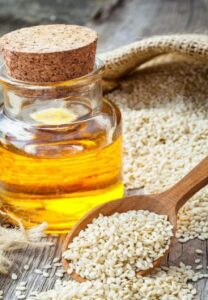
- Oleic acid: a monounsaturated fatty acid
- Linoleic acid: a polyunsaturated fatty acid
These fatty acids:
- Encourage heart health
- Enhance your lipid profiles
- Cut down on LDL oxidation
Research indicates that incorporating sesame oil into a well-rounded diet may contribute to improved cardiovascular health by potentially lowering both blood pressure and total cholesterol levels. This effect is attributed to the presence of beneficial compounds in sesame oil. These components can help enhance the function of blood vessels and promote better lipid profiles. By including sesame oil as a part of a balanced nutritional plan, individuals may be able to support their overall heart health more effectively.
Unique Lignans: Sesamin and Sesamolin
Sesame seeds’ most distinctive compounds are their lignans.
Important Bioactive Substances:
- Sesamin
- Sesamolin
- Sesamol, which is produced during roasting
These compounds display:
- Activity of antioxidants
- Actions that reduce inflammation
- Lipid-reducing qualities
Research indicates that sesamin plays a significant role in regulating the metabolism of fatty acids within the liver by influencing the activity of enzymes associated with β-oxidation. This process is crucial for breaking down fatty acids, which is important for maintaining energy balance and lipid homeostasis in the body. By modulating these enzymes, sesamin enhances the efficiency of fatty acid oxidation. This improvement can potentially lead to better metabolic health and a reduction in fat accumulation in the liver.
Antioxidant Mechanisms
Oxidative stress plays a significant role in the development of chronic diseases, including cardiovascular disease and diabetes.
Sesame’s antioxidant compounds:
- Scavenge free radicals
- Enhance glutathione peroxidase activity
- Reduce lipid peroxidation
Sesame seeds’ oil has remarkable oxidative stability compared to many vegetable oils.
Mineral Density
Sesame seeds are exceptionally abundant in:
- Calcium
- Magnesium
- Iron
- Zinc
- Copper
The calcium content in unhulled (or natural) seeds is particularly elevated, making them a valuable source of this essential mineral. Unlike hulled seeds, which have had their outer protective layers removed, unhulled seeds retain these nutritious outer coatings, contributing significantly to their overall nutritional profile.
Magnesium supports:
- Blood pressure regulation
- Insulin sensitivity
- Nerve conduction
Iron plays a crucial role in the synthesis of hemoglobin, the protein in red blood cells responsible for transporting oxygen throughout the body. Adequate levels of iron are essential for maintaining healthy blood and preventing conditions such as anemia. On the other hand, zinc is vital for a well-functioning immune system. It helps to develop and activate immune cells, ensuring that the body can effectively respond to infections and maintain overall health.
Plant Protein and Amino Acids
- Methionine, one of the necessary amino acids found in sesame protein, is frequently lacking in other plant proteins.
- Sesame adds nutritional value to legumes, but it is not sufficient on its own.
- Roasting and grinding proteins (like tahini) increases their digestibility.
Fiber and Gut Health
Sesame seeds’ dietary fiber:
- Encourages frequent bowel movements
- Promotes the diversity of the microbiome
- Enhances the glycemic response
Soluble fiber plays a significant role in cholesterol management by binding to bile acids within the colon. When soluble fiber is consumed, it forms a gel-like substance that can trap bile acids. Since bile acids are made from cholesterol, this binding process leads to their eventual excretion from the body. As a result, the liver must utilize more cholesterol to produce additional bile acids, which helps to lower overall cholesterol levels in the bloodstream. This mechanism not only contributes to heart health but also promotes better digestion.
Blood Sugar Regulation
According to clinical research, sesame seeds may enhance glycemic management.
Among the mechanisms are:
- Slower absorption of carbohydrates
- Enhanced sensitivity to insulin
- Protection of pancreatic cells by antioxidants
In several trials, the combination of sesame oil and antidiabetic medicine has demonstrated additive effects.
Bone Health and Hormonal Support
The presence of high levels of calcium and magnesium in the diet plays a crucial role in promoting skeletal strength and overall bone health. These minerals are essential for maintaining bone density and preventing conditions such as osteoporosis, making them vital components of a balanced diet.
Additionally, sesame lignans, a type of phytonutrient found in sesame seeds, may possess phytoestrogenic properties. This means they can mimic estrogen in the body, which could be particularly beneficial for postmenopausal women. As estrogen levels decline during menopause, women often face increased risks of bone density loss and changes in lipid metabolism. The inclusion of sesame lignans in their diet may help alleviate some of these issues, potentially supporting better bone health and balanced cholesterol levels.
Anti-Inflammatory Properties
Numerous metabolic diseases are caused by chronic inflammation.
Sesamin and associated substances:
- Cut down on inflammatory cytokines
- Cut down on oxidative indicators
- Impact the signaling pathways of NF-κB
This anti-inflammatory property promotes metabolic and cardiovascular well-being.
Potential Allergies and Considerations
Sesame seeds are identified as a significant allergen in numerous countries, and this recognition has become increasingly important in food labeling and safety practices. Individuals who are allergic to sesame may experience a wide array of symptoms, which can vary from mild reactions, such as skin rashes and digestive discomfort, to severe anaphylactic responses that require immediate medical attention. Consequently, those with known seed allergies should be particularly vigilant when consuming food products, ensuring they read labels carefully and inquire about ingredients when dining out.
Furthermore, the oxalate content in sesame seeds can be a critical consideration for individuals who are susceptible to developing kidney stones. Oxalates can bind with calcium in the body, potentially leading to the formation of stones, so those with a history of such conditions may want to limit their intake of sesame.
It’s also worth noting that while sesame seeds can be a nutritious addition to a diet, they have a high caloric density. Therefore, consuming them in moderation is essential to prevent excessive calorie intake, especially for individuals monitoring their weight or overall health. Balancing enjoyment of these seeds with mindful consumption can promote both flavor and well-being.
Growing Sesame in Home Gardens
For home gardeners, sesame offers both nutritional and aesthetic value.
- Start After Soil Gets Warm: Begin planting once the soil has warmed to an appropriate temperature, typically after the last frost date in your area. This ensures optimal growing conditions for your plants, promoting healthy root development and growth.
- Thin Seedlings Early: When tending to your garden, make sure to thin the seedlings early in their growth stage to provide them with enough space to develop properly. This involves carefully removing some of the young plants to prevent overcrowding, which can hinder their growth and lead to weaker plants.
- Avoid overhead watering: When watering your plants, it’s better to avoid using overhead methods, such as sprinklers, as this can lead to water pooling on leaves and promoting fungal growth. Instead, opt for techniques like drip irrigation or watering at the base of the plants to ensure that the roots receive adequate moisture without encouraging disease. This approach also helps to conserve water and allows for more efficient absorption by the plants.
- Monitor for aphids and fungal leaf spots: Keep a close eye on your plants for signs of aphid infestations, which can include clusters of small, soft-bodied insects typically found on the undersides of leaves. Additionally, watch for fungal leaf spots, which appear as discolored patches on the leaves that may indicate underlying issues with moisture or air circulation. Prompt identification and management of these pests and diseases are crucial for maintaining the health of your plants.
Utilizing companion planting strategies that incorporate drought-tolerant crops can significantly enhance space efficiency in gardening and farming. One excellent example of such a crop is sesame, which not only thrives in arid conditions but also features beautiful tubular flowers. These flowers not only add visual appeal to the garden but also play a crucial role in supporting local pollinators, such as bees and butterflies, thereby promoting biodiversity and overall ecosystem health. By carefully selecting companion plants like sesame, gardeners can maximize the yield of sesame seeds while fostering a thriving habitat for beneficial insects.
Final Thoughts: Small Seeds, Immense Potential
Growing sesame is both agriculturally practical and nutritionally rewarding. Scientifically, it stands out for its:
- Exceptional oil stability
- Unique lignan antioxidants
- Dense mineral profile
- Metabolic health benefits
From soil to seed, sesame exhibits remarkable biological efficiency. In the garden, it thrives in warmth with a touch of restraint. Within the body, sesame seeds provide nourishment through their complex phytochemistry. In a world that seeks sustainable crops and nutrient-dense foods, sesame seeds demonstrate that power often comes in the smallest forms.
Whether you cultivate sesame seeds in a sunlit corner of your garden or enjoy them as tahini spread on warm bread, sesame connects ancient agricultural wisdom with modern nutritional science — a true superfood rooted in resilience.
Disclaimer
The content provided on this website is purely for educational purposes. We are neither nutritionists nor do we intend to mislead our readers by providing any medical or scientific information.