Pansies and Violas: Magnificent Uses in 3 Cultures
Introduction
Among the most well-known edible flowers are pansies and violas, which blend aesthetic beauty with biochemical richness. Edible flowers are becoming more widely acknowledged as functional foods that connect aesthetics, nutrition, and environment; they are no longer a novelty exclusive to fine dining. Their phytochemical diversity, antioxidant content, and gastronomic safety have all been the subject of scientific research. These flowers are a unique example of how beauty and biological significance can coexist.
Pansies and violas, which are members of the genus Viola, have a long ethnobotanical history and an increasing amount of contemporary research that supports their use in sustainable, health-conscious cooking. Based on confirmed scientific knowledge, this page examines their botany, nutritional science, bioactive components, culinary applications, growth techniques, and safety.
Botanical Identity: Pansy vs. Viola
Pansies and violas, while distinct in their botanical makeup, share a close kinship that often leads to delightful confusion. These charming flowers may be used interchangeably in gardens and floral arrangements, but each brings its own unique beauty to the table!
What is Pansy?
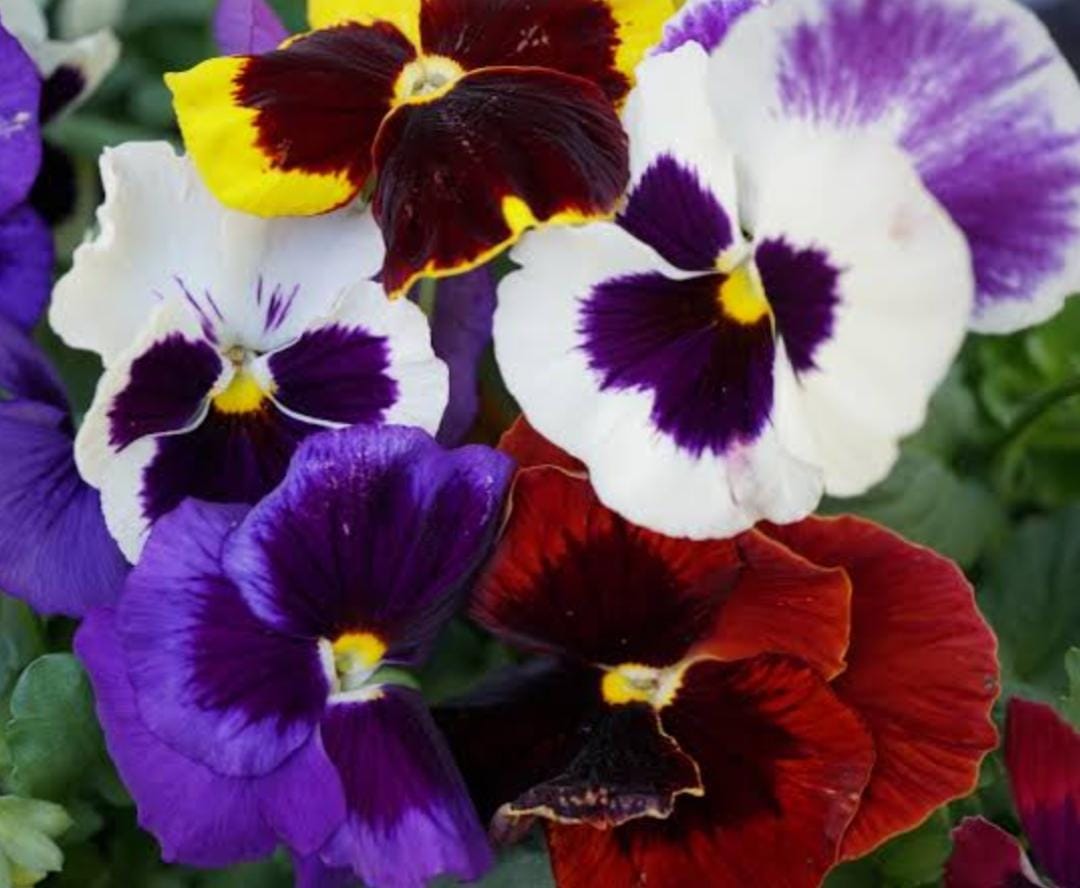
Viola × wittrockiana, a hybrid created in Europe in the 19th century, is the main ancestor of the current garden pansy. Pansies are renowned for:
- The flowers boast large, velvety petals that unfurl gracefully, showcasing their rich colors and delicate textures. Each petal glistens softly in the light, exuding a sense of elegance and charm
- Vibrantly designed faces featuring an array of colors, each with unique expressions and artistic elements that reflect various emotions and cultural influences. These multicolored creations capture attention through their intricate details and imaginative representation, transforming simple facial features into captivating artworks
- The flavor profile is mild, exhibiting a delightful range that extends from fresh, vegetal notes to a subtle sweetness. This nuanced taste allows for a gentle yet satisfying experience, making it versatile enough to complement various dishes while adding a hint of complexity without overwhelming the palate. The interplay between the green, grassy undertones and the light sweetness creates a harmonious balance that enhances the overall flavor experience.
Violas: What Are They?
Violas are not just beautiful flowers; they also include a variety of delicious and edible species! Among them, a few stand out as the true favorites. Let’s explore the delightful world of these vibrant blooms that add both color and flavor to our dishes!
- Viola tricolor
- Viola odorata
Particularly in V. odorata, which is abundant in volatile aromatic chemicals, violas typically produce smaller flowers that frequently have a stronger floral perfume.
Both violas and pansies are edible, even though they differ in size and aroma, as long as they are cultivated without artificial chemicals.
Historical and Cultural Use of Edible Violas
Violas were ingrained in traditional medical and culinary systems long before edible flowers were used as ornamental features in modern gastronomy.
- Violets represented fertility and love in ancient Greece
- Violets steeped with wine are described in Roman writings
- Violas were utilized as cooling and anti-inflammatory treatments in Ayurvedic and Unani traditions
- Violets were preserved in syrups for respiratory health in medieval European monasteries.
The fact that violas are biologically active plants rather than just ornamental plants is supported by this historical continuity.
Nutritional Profile: Small Flowers, Big Impact
Pansies and violas are functional edible flowers because they contain a variety of minerals and phytonutrients, according to scientific investigations.
Key Nutrients
- Vitamin C – supports immune response and collagen synthesis
- Vitamin A (beta-carotene) – essential for vision and skin health
- Vitamin E – lipid-soluble antioxidant
- Dietary flavonoids – plant-based antioxidants
Edible flowers like pansies and violas, when consumed in small amounts, are a nutrient-rich option that adds minimal calories to your diet. They enhance dishes visually and provide vitamins, minerals, and antioxidants that support overall health. Incorporating these colorful blossoms allows for a flavorful and appealing meal while prioritizing nutrient density, aligning with the trend of mindful eating and holistic wellness.
Phytochemistry: The Science Behind Their Health Benefits
The health benefits of pansies and violas primarily come from their secondary metabolites.
Anthocyanins
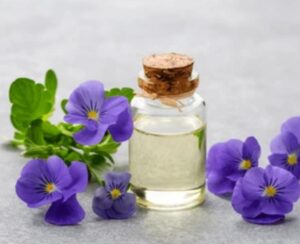
Responsible for blue, purple, and violet pigmentation, anthocyanins:
- Neutralize reactive oxygen species
- Reduce oxidative stress
- Support cardiovascular health
Flavonoids (Quercetin & Kaempferol)
These compounds are associated with:
- Anti-inflammatory pathways
- Cellular protection
- Potential anti-allergic effects
Phenolic Acids
Violas contain phenolic acids that:
- Inhibit microbial growth
- Support gut health
- Enhance antioxidant capacity
Darker-colored violas have stronger antioxidant activity, according to studies that have been published in peer-reviewed publications. This suggests that color intensity and nutritional efficacy are related.
Flavor Profile: Subtle, Elegant, and Versatile
From a sensory standpoint, pansies and violas are valued for their subtle flavor, which enhances rather than overpowers food.
- Pansies: Mild, fresh, slightly vegetal
- Viola tricolor: Light wintergreen notes
- Viola odorata: Sweet, floral, perfumed
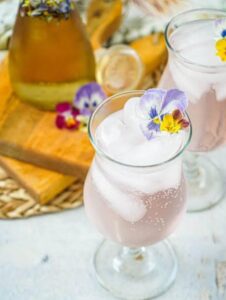
Because of their soft profile, they go well with:
- Citrus
- Soft cheeses
- Chocolate
- Honey
- Herbal teas
Chefs are particularly drawn to these ingredients because they bring a delightful twist to dishes without sacrificing the harmony of flavors. Their edible nature adds an exciting dimension that enhances culinary creativity!
Culinary Applications
Fresh Uses
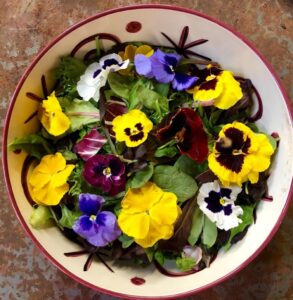
- Garnishes for salads play a crucial role in enhancing both the flavor and texture of the dish, as well as its visual presentation. By adding elements such as fresh herbs, crunchy nuts, or vibrant edible flowers, a simple salad can be transformed into a culinary masterpiece. These garnishes not only contribute distinctive tastes and aromas but also create a delightful contrast in textures, making each bite more enjoyable. Furthermore, the use of colorful ingredients can elevate the overall appearance, turning a basic salad into an enticing dish that appeals to the eyes as much as the palate.
- Open sandwiches, also known as “smørrebrød” in Scandinavian cuisine, are a delightful take on traditional sandwiches that feature a single slice of bread topped with a variety of ingredients. Typically made with dense, hearty breads like rye or sourdough, these sandwiches showcase a colorful array of toppings that can include meats, cheeses, seafood, and fresh vegetables
- Fruit platters are beautifully arranged selections of fresh fruits, designed to be visually appealing while offering a refreshing and healthy snack option. A variety of seasonal fruits can be included to enhance flavor and color, such as juicy strawberries, tart blueberries, sweet pineapple chunks, crisp apple slices, and succulent grapes.
Preserved Forms
- Crystallization can be achieved using various agents, notably egg white and agar. Egg white proteins denature when whipped, creating a frothy texture that stabilizes crystal formation, often used in meringues and soufflés. Conversely, agar, derived from red algae, offers a vegetarian alternative, forming a gel-like substance upon cooling. This makes it useful in culinary and scientific applications for crystallizing substances while maintaining structure. Both agents are essential for achieving desired crystalline forms in desserts and laboratory experiments.
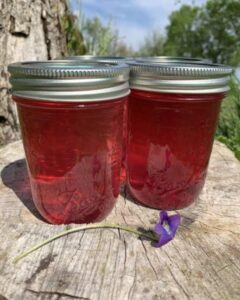
- Infused into syrups, various flavors enhance drinks, desserts, and culinary creations. Made from fruits, herbs, or spices, these syrups undergo a meticulous extraction process. The vibrant results elevate cocktails, drizzle over pancakes, or add unique twists to marinades and sauces.
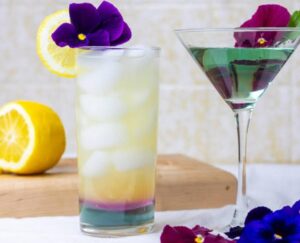
- Enveloped in crystalline ice cubes, vibrant colors and intricate shapes are preserved, creating a stunning visual display. The ice captures the moment these objects were encased, with sharp edges and vivid hues contrasting against the frosty backdrop. Each cube reveals a miniature world, inviting curiosity as light refracts and casts delicate patterns and shadows.
Functional Preparations
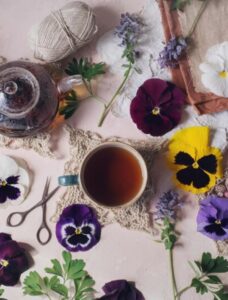
- Herbal teas
- Floral vinegars
- Botanical sugars
Heat can greatly reduce the stability of anthocyanins, which are the naturally occurring pigments responsible for the vibrant colors in many fruits and vegetables. Therefore, choosing fresh or minimally processed options helps preserve their nutritional value, allowing you to fully benefit from these powerful antioxidants. Eating these foods in their most natural state retains their beneficial compounds, maximizing both flavor and health benefits.
Food Safety
One of the most important aspects of edible flowers is safety, particularly when it comes to pansies and violas. These flowers are classified as non-toxic within the Viola genus and do not contain the harmful alkaloids found in some ornamental varieties. Their consumption has been documented in various cultures, which further supports their safety.
To ensure safe consumption, it is crucial to follow certain guidelines:
- Only consume organically grown flowers.
- Avoid flowers from nurseries that use systemic pesticides.
- Rinse them gently to remove any particles.
- Consider removing the bitter sepals if desired.
It’s important to note that flowers grown for decorative purposes are often chemically treated and should never be eaten.
Growing Edible Pansies and Violas at Home
Pansies and violas are among the easiest edible flowers to grow, making them a popular choice for gardeners who want to add color and flavor to their plots. These flowers thrive in cool temperatures, ideally between 10 and 20°C, and prefer well-drained, living soil that remains consistently moist. They can be cultivated in various settings, including raised beds, containers, and even balcony gardens, making them suitable for urban growers.
To promote optimal growth, it’s important to consider soil biology. Healthy microbial activity can significantly enhance the intensity of flower pigments, the concentration of phytochemicals, and the complexity of flavors. Incorporating organic compost and mycorrhizal fungi can improve nutrient uptake and strengthen the essential plant-soil relationship that supports successful gardening.
Ecological Value: Supporting Pollinators
In the world of creativity and innovation, the essence of choice is paramount. As you navigate your artistic endeavours, let the simple act of selecting a block guide you. Whether you’re designing a masterpiece or constructing a narrative, choosing is not merely functional; it is a powerful way to express your unique vision. Embrace the journey of exploration, for with each choice you are one step closer to crafting something truly remarkable.
Modern Research and Future Potential
Research in food science today involves investigating:
- Using viola extracts as organic food coloring
- Functional beverage anthocyanins
- Antimicrobial qualities in food storage
Edible flowers like pansies and violas are positioned as both sensory pleasures and nutritional boosters as consumers shift toward plant-forward and visually expressive diets.
Conclusion
A potent botanical fact is illustrated by pansies and violas: food need not be functional in order to be beneficial. These flowers benefit the ecology by supporting pollinators, the body by providing antioxidants, and the mind by being beautiful.
Pansies and violas should be acknowledged as edible manifestations of living science rather than as garnishes since they are scientifically proven, historically revered, and culinary flexible. They serve as a reminder that sustenance may be sophisticated, sustainable, and joyous, whether it is grown in a home garden or served in a carefully prepared dish.
Disclaimer
The content provided on this website is purely for educational purposes. We are neither nutritionists nor do we intend to mislead our readers by providing any medical or scientific information.