Native Bees: 9 Exclusive Species of North America
Introduction
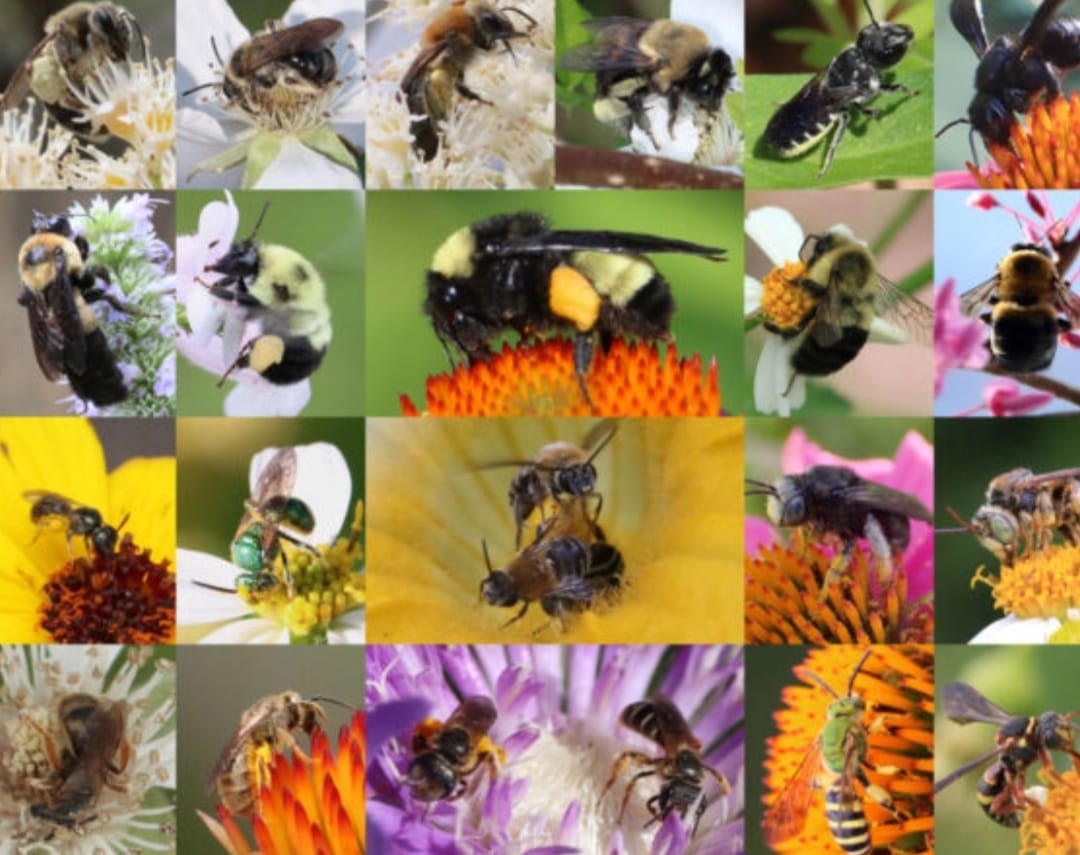
More than any other group of insects, native bees have a significant impact on North America’s ecological identity. Although many people immediately think of the well-known honey bee, the continent is home to around 4,000 native bee species, all of which support the continuation of wild landscapes, food security, and ecological resilience. These bees, which make up a complex mosaic of pollinators that support both natural and agricultural environments, differ greatly in size, color, nesting technique, feeding, and behavior.
The main bee species in North America are examined in this blog, along with the most important species in each category. It will take you through the fascinating world of these silent ecological heroes.
1. Bumble Bees (Genus Bombus)
Among the most recognizable and significant pollinators on the continent are bumble bees. Their strong bodies, thick hair, and distinctive buzzing sound make them easy to identify. These native bees are gregarious, creating yearly colonies headed by a single queen, in contrast to many solitary native bees.
Ecological Role
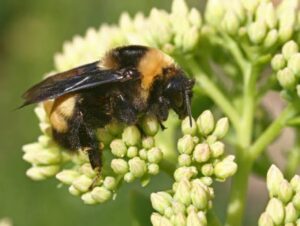
They are essential for crops like tomatoes, peppers, eggplants, and blueberries because of their capacity to carry out buzz pollination, a vibration technique that removes pollen from blossoms. Additionally, bumble bees lengthen the pollination window in northern latitudes and high elevations by foraging in lower light and colder temperatures than many other bee species.
Important North American Species
a. Bombus pensylvanicus (American Bumble Bee)
Historically abundant across vast grasslands and prairies, this species has faced significant population declines in recent decades, primarily due to habitat destruction and exposure to harmful pesticides. Urbanization, agricultural expansion, and changes in land use have fragmented its natural habitats, making it increasingly challenging for the species to thrive. Despite these obstacles, these native bees play a vital role as a pollinator, supporting not only a variety of native wildflowers but also essential forage crops that contribute to agricultural productivity. Its presence is crucial for maintaining ecosystem balance and promoting biodiversity, highlighting the need for conservation efforts to protect its remaining habitats and mitigate the impacts of chemical use.
b. Bombus impatiens (Common Eastern Bumble Bee)
The Common Eastern Bumble Bee (Bombus impatiens) is a key native pollinator in eastern North America, known for its adaptability and efficient foraging. Thriving in various habitats like forests, suburban areas, and gardens, this native bees’ species forms annual colonies starting in spring when queens establish nests, often in abandoned burrows. Workers quickly develop and forage consistently, excelling in buzz pollination for crops such as tomatoes and blueberries.
Bombus impatiens can forage in a wide temperature range, even during cool or cloudy conditions, thanks to its strong flight muscles and dense fur. As a result, it is commonly used in greenhouse pollination and serves as a model for bumblebee research.
c. Bombus occidentalis (Western Bumble Bee)
In western North America, this particular native bee’s species once played a crucial role in shaping pollinator populations, significantly influencing the health and diversity of local ecosystems. However, in recent years, it has faced substantial declines attributed to a combination of diseases and various environmental stresses, including habitat loss, pesticide exposure, and climate change. As a result of these concerning trends, conservationists are now actively monitoring the species, implementing conservation strategies aimed at protecting its remaining populations and restoring their vital ecological functions.
d. Bombus vosnesenskii (Yellow-Faced Bumble Bee)
The Common Yellow-Faced Bumble Bee (Bombus vosnesenskii) is an important pollinator in native bees along the Pacific Coast of North America, from southern California to British Columbia. This species thrives in various habitats, including coastal scrub, forests, and urban areas, thanks to its behavioral flexibility and thermal tolerance.
Bombus vosnesenskii forms annual colonies with queens nesting in underground cavities or dense vegetation in early spring. The rapid production of workers (native bees) boosts colony strength, enhancing pollination in warmer months. Known for effective buzz pollination, it benefits crops like tomatoes and peppers while demonstrating high floral constancy. Its resilience makes it an indicator of shifts in pollinator communities due to climate change and urban development.
2. Honey bees (Genus Apis)
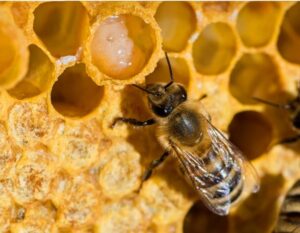
Despite not being indigenous to North America, honey bees are now widely used in agricultural production. The Western Honey bee (Apis mellifera), which was brought to the area by European settlers in the 1600s, is the main species preserved there.
Ecological Role
Almonds, apples, melons, berries, and other crops depend on honey bees for commercial pollination. They differ from native bees, solitary species, in that they can establish perpetual colonies, store excess honey, and attract nestmates through the waggle dance.
Important Species or Subspecies
a. Apis mellifera ligustica (Italian Honey bee)
Beekeepers across North America often favor the Italian honey bee for several compelling reasons, primarily its impressive honey production and gentle temperament. This particular breed is renowned for its high yield of honey, making it an ideal choice for both commercial operations and hobbyist apiaries. The Italian honey bee’s striking golden hue also adds aesthetic appeal to the hives. Additionally, this bee is known for its ability to adapt well to various climates and its relatively docile nature, which allows beekeepers to work with them comfortably, even in close proximity.
These qualities contribute to their popularity among beekeepers seeking reliable and productive colonies. Overall, the Italian honey bee is a versatile and valuable asset to the apiculture community, supporting both novice and experienced beekeepers in their endeavors.
b. Apis mellifera carnica (Carniolan Honey Bee)
Carniolan bees are particularly well-suited for cooler climates thanks to their rapid growth during the spring and their impressive ability to regulate the temperature within their colonies. This thermoregulation is essential for maintaining hive health and productivity, especially when faced with fluctuating weather conditions. In addition to their adaptability to temperature variations, Carniolan bees are known for their gentle nature, which makes them easier to manage for both novice and experienced beekeepers. Their lower tendency to swarm compared to other bee breeds is another trait that adds to their desirability, as this behavior can disrupt honey production and create challenges for hive management.
Overall, Carniolan bees are highly valued native bees not only for their resilience and efficiency but also for the balanced, harmonious approach they bring to beekeeping.
c. Apis mellifera caucasica (Caucasian Honey Bee)
This particular subspecies of honey bee, though less common than its counterparts, is highly valued for its exceptional long tongue. This unique adaptation allows it to access nectar from tubular flowers, a resource that many other honey bee species struggle to exploit due to their shorter mouthparts. As a result, these bees play a crucial role in pollinating plants with specialized blooms, contributing to the diversity and health of ecosystems. Their ability to reach nectar in hard-to-access locations not only benefits their own survival but also supports the reproduction of a variety of flowering plants, showcasing the intricate relationships between species in nature.
Despite the fact that honey bees frequently garner greater public attention, they only make up a small portion of the complex pollinator group on the continent, and many native species perform better in specific ecological functions.
3. Mason Bees (Genus Osmia)
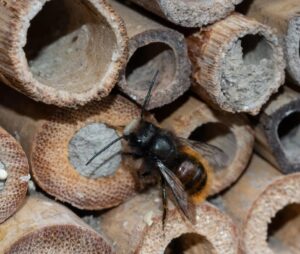
Another type of native bees is the mason bees. They are solitary, metallic-colored pollinators who are renowned for their remarkable productivity. Because mason bees tend to belly-flop into blooms, gathering and depositing pollen with each visit, a single mason bee can pollinate as many flowers as dozens of honey bees.
Ecological Role
They emerge in the spring to pollinate fruit trees including peaches, apples, and cherries. They are early-season specialists. Their nesting habits, which involve partitioning and sealing the chambers in their nesting tubes with mud, are the source of their name.
Important Species
a. Osmia lignaria (Blue Orchard Bee)
The use of mason bees as a commercial alternative to honey bees is increasingly gaining popularity, particularly due to their exceptional effectiveness in pollinating orchard crops. These solitary native bees are recognized for their swift foraging behavior, allowing them to cover large areas in a short amount of time, which significantly improves their pollination efficiency. Additionally, mason bees are easily identifiable by their striking blue sheen, a feature that sets them apart from other native bee species. Their unique nesting habits and ability to thrive in various environments further contribute to their value in agricultural settings, promoting healthier and more productive fruit production.
b. Osmia aglaia (Berry Mason Bee)
This particular bee, expertly adapted to thrive in bramble-rich environments, plays a crucial role in the pollination of blackberries and raspberries across the Pacific Northwest. Its specialized morphology and behavior make it particularly effective in accessing the nectar and pollen of these plants, fostering not only their reproductive success but also contributing to the rich biodiversity and agricultural productivity of the region. By facilitating the transfer of pollen between flowers, this bee ensures the development of fruit and enhances the overall health of bramble ecosystems, making it an invaluable ally in sustaining local agriculture and natural habitats.
c. Osmia ribifloris (Currant Specialist Mason Bee)
This species plays a crucial role as a pollinator in the Southwest, benefiting both niche crops and the surrounding wild ecosystems. Its predation on gooseberry and currant plants not only helps control pest populations but also enhances the overall health and productivity of these plants. By facilitating pollination, this species of native bees supports the growth of a variety of fruits and flowers, contributing to biodiversity and the stability of local habitats. Its ecological importance underscores the interconnectedness of species within these delicate environments.
4. Leafcutter Bees (Genus Megachile)
Leafcutter bees are solitary bees that line their nests by chopping leaves into tidy, round pieces. They are quite good at handling plant material because of their huge mandibles and aerodynamic bodies.
Ecological Role
These native bees are prized for their ability to pollinate ornamentals, wildflowers, vegetables, and alfalfa. They distribute pollen effectively with each visit because, unlike honey bees, they carry pollen on the underside of their abdomen rather than in corbiculae.
Important Species
a. Megachile rotundata (Alfalfa Leafcutter Bee)
Alfalfa seed production relies heavily on the effective pollination services provided by a specific species of bees, known as alfalfa leafcutter bees. These native bees have emerged as one of the most economically significant pollinators in North America, particularly due to their role in the cultivation of alfalfa, which is a crucial forage crop for livestock. Managed on a substantial scale, these bees are integral not only for increasing alfalfa seed yields but also for enhancing the overall quality of the crops.
Their efficient pollination allows for improved seed production, directly impacting the livestock feed industry, which in turn supports dairy and beef production across the continent. The reliance on these native bees underscores the importance of sustainable bee management practices to ensure the continued productivity of alfalfa and the health of the ecosystems in which they operate.
b. Megachile mendica (White-Shouldered Leafcutter Bee)
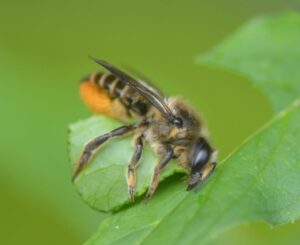
Found throughout the United States and southern Canada, this pollinator is essential for the reproductive success of a wide variety of composite flowers, including species like asters and sunflowers. The activities of these native bees not only facilitate the growth and diversity of these plants but also contribute significantly to the sustainability of wild plant communities. By transferring pollen from one flower to another, it enhances genetic diversity and helps maintain healthy ecosystems, showcasing the vital role of pollinators in supporting biodiversity and the intricate balance of nature.
c. Megachile perihirta (Western Leafcutter Bee)
This particular bee species flourishes in arid and semi-arid landscapes, playing a crucial role in the pollination processes within desert ecosystems. In these challenging environments, where moisture is scarce and floral resources can be sporadic, the presence of reliable pollinators like this bee becomes essential. As it navigates the harsh terrain, this bee not only helps to pollinate a variety of native plants, but also supports the broader ecological balance, fostering biodiversity and ensuring the survival of both plant and animal species that depend on these unique habitats.
5. Mining Bees (Genus Andrena)
Mining bees are solitary, ground-nesting species that are mostly active in the early spring and make up one of the largest bee genera in North America. Their proclivity of digging tunnels in loose, sandy soils is reflected in their name.
Ecological Role
For many wildflowers, orchard crops, and spring ephemerals, mining bees are essential pollinators. They appear during blooming seasons when successful reproduction depends on early pollinators.
Important North American Species
a. Plum Miner Bee (Andrena prunorum)
As the name indicates, this species plays a crucial role in the pollination of stone fruits, such as cherries and plums. Its specialized behavior makes it an essential contributor to both natural ecosystems and agricultural practices. By facilitating cross-pollination, it enhances fruit set and quality, thereby supporting healthy yields in orchards. Understanding the unique adaptations and behaviors of this species is vital for effective conservation strategies and sustainable farming practices, as they directly influence the productivity of crops and the health of related habitats.
b. Large Mining Bee (Andrena macra)

Thanks to its impressive flight capabilities and diverse floral preferences, this species plays a crucial role in the pollination of numerous woodland and grassland plants, like other native bees in the area. Its agility in navigating various habitats allows it to access a wide array of flowers, ensuring the successful transfer of pollen among many plant species. This adaptability not only supports the reproductive success of these plants but also contributes to the overall health and biodiversity of the ecosystems they inhabit. Through its vital pollination services, it fosters greater ecological balance and resilience in both woodland and grassland environments.
c. Carlini’s Miner Bee (Andrena carlini)
This species is prevalent throughout the eastern United States and plays a vital role as a generalist pollinator for a variety of spring wildflowers. Notably, it is instrumental in the pollination of delicate violets, vibrant dandelions, and striking wild geraniums, all of which contribute to the region’s diverse ecosystem. By facilitating the reproduction of these plants, this species helps maintain the health and balance of local habitats, ensuring that these wildflowers can thrive and support other wildlife, including birds and insects that rely on them for sustenance and shelter.
6. Sweat Bees (Family Halictidae)
The majority of bee families cannot equal the glittering greens, blues, and bronzes that sweat bees display. Some of them form small, cooperative colonies, while others are solitary or eusocial.
Ecological Role
Sweat bees are another native bees species that visit a wide range of flowers and are extremely common. Even when other bee groups decline in midsummer, they consistently provide pollination services, as many species remain active throughout the growing season.
Species in North America
a. Agapostemon virescens (Green Metallic Sweat Bee)
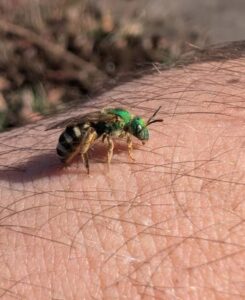
Commonly found in a variety of habitats, from lush gardens to expansive grasslands, these native bees are easily identifiable by their vibrant, shimmering green bodies. Its striking appearance not only makes it a favorite among nature enthusiasts but also marks it as one of the most recognizable bees in its region. This hardworking pollinator plays a crucial role in the ecosystem, particularly in the pollination of composite and legume flowers, which are essential for the health of many plant species. Through its diligent foraging activities, this bee contributes significantly to the biodiversity and productivity of the environments in which it thrives, supporting the growth of both wild and cultivated plants.
b. Halictus rubicundus (Orange-Legged Furrow Bee)
This species of native bees demonstrates remarkable flexibility in its social behavior, which is evident in its nesting habits. In certain climates, it forms cooperative nests, where multiple individuals work together to build and maintain a shared home, enhancing their chances of survival and success. Conversely, in other environments, it opts for solitary nesting, allowing individuals to establish their own territories and retreat from competition. This adaptability not only showcases its resilience but also enables it to thrive in a wide range of habitats across North America, from arid deserts to lush forests, illustrating the species’ ability to adjust its strategies in response to environmental conditions.
c. Lasioglossum zephyrus (Zephyr Sweat Bee)
The small yet significant pollinator of wildflowers plays a crucial role in supporting the intricate functions of ecosystems found in prairies and meadows. Facilitating the pollination process, this pollinator not only enhances the reproduction of various plant species but also contributes to the overall health and biodiversity of these vibrant habitats. Its presence ensures the flourishing of wildflowers, which in turn provide food and shelter for a multitude of other wildlife, creating a balanced and resilient ecological community.
7. Carpenter Bees (Genus Xylocopa and Ceratina)
Another species of native bees is the carpenter bee. They range in size from the small Ceratina bees to the huge, sturdy Xylocopa species. Their nesting behaviors give them their names; smaller species usually employ pithy stems, while larger species dig tunnels in decaying wood.
Ecological Role
Strong flyers, carpenter bees may pollinate big, open flowers. Buzz pollination is carried out by several species, which highlights their significance for plants that need particular pollen release methods.
Important North American Species
a. Xylocopa virginica (Eastern Carpenter Bee)
This species serves as a vital pollinator for a variety of plants, including passionflowers, salvias, and native vines, enhancing the biodiversity of gardens and natural landscapes. Often spotted hovering near wooden structures, it plays a crucial role in the health of local ecosystems. Contrary to common misconceptions, this pollinator is not known to cause structural damage, as its primary focus is on foraging for nectar and pollen. Its presence signifies not only a thriving environment for flora but also a balanced habitat supporting various other wildlife.
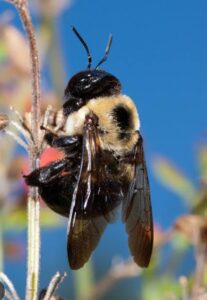
b. Xylocopa californica (California Carpenter Bee)
One of the largest bees found in North America, this species is notable for its striking metallic green and blue coloration, which not only makes it visually captivating but also serves as a form of communication and species recognition. This bee plays a crucial role in pollinating various plants, particularly in chaparral and coastal sage scrub ecosystems, where it facilitates the reproduction of numerous flowering species. Its large size and efficient foraging behavior make it an essential contributor to the health and biodiversity of these habitats, helping to maintain ecological balance and supporting the food web within these environments.
c. Ceratina calcarata (Small Carpenter Bee)
This small bee species is known for its unique nesting habits, often utilizing the stems of plants such as raspberries, sunflowers, and blackberries. By making their homes in these stems, they play a vital role in the pollination process, benefiting both wild ecosystems and crops. Their activity not only enhances fruit and seed production but also contributes to the overall health of the plants and surrounding habitats. This symbiotic relationship underscores the significance of these tiny bees in maintaining biodiversity and supporting sustainable farming practices.
8. Cuckoo Bees (Various Genera Across Multiple Families)
The cleptoparasites (or kleptoparasites) of the bee kingdom are cuckoo bees. Instead of constructing their own nests, they deposit their eggs in other bees’ nests, where their larvae eat the food left for the host’s young.
Ecological Impact
Despite their seemingly destructive lifestyle, bee numbers are naturally regulated by them. A healthy habitat with a variety of host species is indicated by their presence.
Important Species
a. Nomada fervida
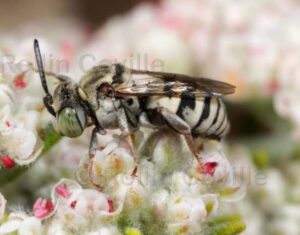
A frequently encountered species that specifically preys on ground-nesting mining bees is often mistaken for various non-bee insects due to its striking wasp-like appearance. This confusion arises from its slender body, bright coloration, and distinctively segmented abdomen, which mimic the characteristics of wasps. These predatory insects play a significant role in the ecosystem, impacting the population of mining bees. Understanding their behavior and ecological niche is crucial for those interested in pollinator dynamics and the conservation of native bee populations.
b. Triepeolus lunatus
Renowned for its striking and intricate banded patterns, this particular species of bee is a notable parasite of long-tongued bees, specifically targeting members of the Svastra and Melissodes genera. These parasitic bees exhibit a unique behavior of infiltrating the nests of their hosts, where they lay their eggs. Upon hatching, the larvae consume the stored provisions that the host bees have meticulously gathered, ultimately compromising the survival of the host species. This fascinating relationship highlights the complex dynamics within ecosystems and the specialized adaptations that have evolved among these bees.
c. Epeolus zonatus
As a specialist in Colletes bees, I focus on understanding the intricate relationships between these pollinators and their ecosystem. This particular species of Colletes bees relies heavily on the well-being of cellophane bee populations, which play a crucial role in pollination. The health of cellophane bees is vital not only for the survival of Colletes bees but also for maintaining biodiversity and promoting healthy plant communities. A decline in cellophane bee numbers could have cascading effects, threatening the delicate balance within the ecosystem that supports both species. By studying these interactions, we can gain valuable insights into the conservation of pollinators and the overall health of our environment.
9. Cellophane Bees (Genus Colletes)
The transparent, waterproof secretion that cellophane bees utilize to line their brood chambers gives them their name. Larvae are shielded from dampness and pathogens by this adaption.
Ecological Role
Asters, willow, goldenrod, and many other orchard crops are pollinated by these solitary, ground-nesting bees. Their nests can have thousands of individual burrows and are frequently found in big aggregations.
Important North American Species
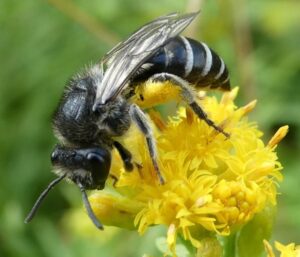
a. Colletes inaequalis (Unequal Cellophane Bee)
An early spring pollinator, this species plays a vital role in the reproduction of maples and willows, ensuring the health and biodiversity of these important trees. It is often found nesting in sandy soils, making parks and residential neighborhoods ideal habitats due to the availability of suitable ground and nearby flowering plants. Emerging in spring, this pollinator coincides with the blooming of early-flowering trees, thereby enhancing the ecosystem and supporting both plant and animal life in the area.
b. Colletes thoracicus
A widespread species of native bees is found throughout the eastern United States. This organism plays a crucial role in the pollination of goldenrod, a vital plant that flourishes in late summer and early autumn. Its activity not only enhances the reproductive success of goldenrod but also supports the broader ecosystem during the fall season. Facilitating the pollination process, it contributes to the health of various plant communities and provides essential resources for a range of wildlife that depend on goldenrod and similar flora for food and habitat. This interaction highlights the interconnectedness of species and their collective importance in maintaining autumn ecosystems.
c. Colletes kincaidii
This unique and rare species has a specialized relationship with Kincaid’s lupine, a native plant that plays a crucial role in the ecosystem. Kincaid’s lupine is not only vital for the survival of this species but is also a key component in the conservation efforts for the endangered Fender’s blue butterfly. The interaction between this rare organism and Kincaid’s lupine underscores the importance of preserving native plants, as they support various species and maintain ecological balance within their habitats.
Final Thoughts
Millions of years of evolution have formed the huge and complex community of native bees found in North America as pollinators. From the captivating bumble bees to the shimmering sweat bees, each variety has a specific function in maintaining ecosystems and promoting agriculture. Because of their diversity, they are resilient and stable in the face of ecological instability, habitat loss, and climate change.
The first step in conserving these native bees is to understand them. Communities may help protect these vital pollinators by encouraging native plants, reducing the use of pesticides, maintaining nesting areas, and supporting conservation initiatives. Recognizing and supporting the diverse range of native bees that subtly support life throughout the continent is essential to the future of North American ecosystems.
Disclaimer
The content provided on this website is purely for educational purposes. We are neither nutritionists nor do we intend to mislead our readers by providing any medical or scientific information.