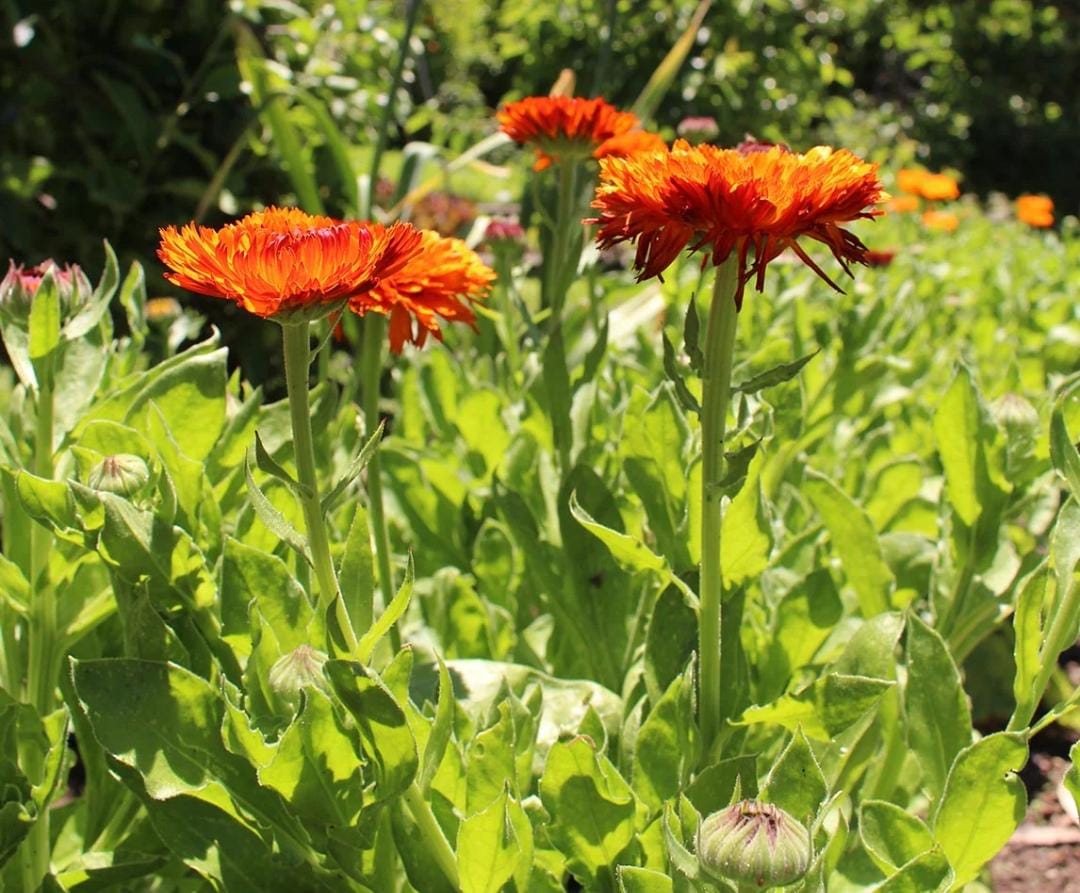
Is Calendula Named Poor Man’s Saffron? 2 Exclusive Uses
Introduction
Calendula stands out among edible flowers as a plant that skillfully combines nutritional content, therapeutic potential, and aesthetic appeal. Edible flowers are becoming more widely acknowledged as functional meals with quantifiable health advantages; they are no longer limited to haute cuisine or attractive gardens. Calendula, sometimes known as “pot marigold,” is a flower that has long been used in traditional diets and therapeutic systems. Many of these ancient traditions are now supported by current science.
Through the perspectives of botany, phytochemistry, nutritional science, food safety, and culinary application, this article examines calendula as an edible flower, providing a thorough and detailed understanding supported by scientific evidence.
Botanical Identity and Edibility
Calendula is a member of the Asteraceae family of plants, which is home to numerous culinary and therapeutic species. Calendula petals are safe to eat and non-toxic, unlike ornamental marigolds (Tagetes spp.), thus accurate identification is crucial.
The ray florets (petals), which have a moderate, somewhat peppery flavor with a hint of bitterness, make up the majority of the edible section. However, because of its resinous flavor, the flower’s green base is usually removed.
From a physiological perspective, calendula blooms are rich in secondary metabolites, which the plant produces to protect itself against UV rays, pests, and diseases. These substances are also beneficial to human health when ingested.
Historical Use
Across the past, calendula was used to soups, porridges, breads, and rice meals across Europe, the Middle East, and some regions of Asia. Calendula petals were utilized as a coloring and flavoring enhancer during periods when saffron was expensive or uncommon, gaining the moniker “poor man’s saffron.”
Calendula was used externally to treat wounds and inside to aid in digestion in traditional medical systems. Although these behaviors were influenced by traditional knowledge, modern research now explains them through antioxidant, antibacterial, and anti-inflammatory mechanisms.
What Makes Calendula Special?

The nutritional and therapeutic value of calendula lies in its diverse phytochemical profile.
Carotenoids
Carotenoids like lutein, zeaxanthin, and beta-carotene are abundant in calendula petals. The flower’s vivid yellow and orange tones are caused by these pigments, which are essential for:
- Promoting eye health
- shielding cells from oxidative damage
- serving as vitamin A precursors
Calendula flowers are an effective nutritional source since they have higher lutein concentrations than many leafy vegetables, according to studies published in peer-reviewed journals.
Flavonoids and Polyphenols
The anti-inflammatory and antioxidant properties of calendula are attributed to flavonoids such isorhamnetin and quercetin. These substances control inflammatory pathways associated with chronic illnesses and neutralize free radicals.
Triterpenoid Saponins
Calendula’s traditional use in digestive preparations can be explained by its triterpenoids, which have been demonstrated to have gastroprotective and immune-supportive qualities.
Nutritional Value in the Human Diet
Its petals provide nutrient density rather than calorie bulk, even if they are ingested in lesser amounts than vegetables.

Important nutritional characteristics consist of:
- Provitamin A carotenoids
- Trace minerals such as potassium and magnesium
- Bioactive compounds that enhance overall dietary quality
The petals are appropriate for diets high in nutrients and low in calories because they have very little fat and sugar.
Edible flowers like calendula are deemed safe when grown organically and consumed in moderation, according to food safety evaluations approved by agencies like the USDA and the World Health Organization.
Digestive and Gut Health Benefits
Experimental study now supports the traditional use of calendula as a digestive aid. The bioactive substances in the flower increase gastric secretions and bile flow, which can enhance digestion and nutrient absorption.
It also has moderate antispasmodic properties that aid in gastrointestinal tract relaxation. Because of these qualities, it is especially well-suited for use in herbal teas, broths, and light meals intended to ease digestion.
Anti-Inflammatory and Antioxidant Effects
Numerous non-communicable diseases have oxidative stress and chronic inflammation as underlying causes. The flavonoids and carotenoids in the flower work together to lower inflammatory signals within cells.
According to research conducted in labs, calendula extracts both increase the activity of antioxidant enzymes and prevent the synthesis of pro-inflammatory cytokines. Calendula enhances systemic resistance to oxidative damage when ingested as part of a varied plant-based diet.
Immune System Support
Calendula’s polysaccharides and triterpenoids are responsible for its immune-modulating properties as in other edible flowers. These substances improve the body’s natural defense systems and increase macrophage activity.
Calendula’s use in food is consistent with the idea of functional nutrition, which supports immunological homeostasis over time, even though it shouldn’t be seen as a medicinal intervention.
Culinary Applications: From Garden to Plate
The versatility of the flower makes it easy to integrate into everyday cooking.
1. Fresh Uses
Transform your salads into visually stunning and nutrient-dense dishes by incorporating vibrant garnishes. These colorful additions not only enhance the aesthetic appeal of your meals but also provide a rich source of phytonutrients—bioactive compounds that can support your health. Imagine adding a sprinkle of bright edible flowers, crunchy radishes, or a handful of fresh herbs like basil or cilantro. Not only do they bring an exciting burst of flavor, but they also contribute antioxidants, vitamins, and minerals that promote overall well-being.
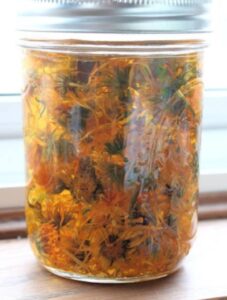
Petal sprinkle, a delicate and colorful garnish, enhances the visual appeal and flavor profile of soups and roasted vegetables. By lightly scattering these edible petals over a steaming bowl of hearty soup or a vibrant platter of roasted vegetables, you can elevate the dish with a burst of color and a hint of floral notes, creating a truly inviting presentation. The subtle flavors of the petals complement the savory elements while adding a touch of elegance, making each bite an exploration of taste and aesthetics.
Enhancing soft cheeses and spreads with decorative additions can elevate both their aesthetic appeal and flavor profile. Consider incorporating a variety of herbs, such as fresh dill or chives, which can add vibrant color and a burst of freshness. Drizzling with high-quality olive oil or balsamic glaze not only enhances the visual interest but also contributes depth to the taste. For a touch of sweetness, topping with honey or a fruit compote can create a delightful contrast against the creamy texture.
2. Cooked Dishes
Incorporating vibrant petals into rice and grain dishes enhances not only their visual appeal but also infuses them with a warm, golden hue. This addition not only elevates the aesthetic of the meal but also provides a subtle flavor complexity, transforming simple grains into a delightful culinary experience. Whether it’s the delicate petals of saffron or the bright tones of marigold, these ingredients can turn an ordinary dish into a feast for the senses, inviting vibrant aromas and a touch of elegance to every bite.
Baked goods encompass a variety of delicious items, including freshly baked breads and crispy crackers. Breads come in numerous forms, ranging from hearty whole grain loaves to light and airy baguettes, each offering a unique flavor and texture. They can be made with various ingredients, such as seeds, nuts, and herbs, enhancing their taste and nutritional value. Crackers, on the other hand, are often thin and crunchy, perfect for pairing with cheeses or dips. They can be crafted from different flours, flavored with spices, and include seeds for added complexity.
Infused broths and light stews offer a delightful combination of flavors that can warm the soul. These dishes typically begin with a rich base, made from simmering fresh herbs, aromatic vegetables, and quality proteins. The slow cooking process allows the ingredients to meld together, creating a harmonious blend that is both comforting and nourishing. Whether it’s a fragrant chicken broth infused with thyme and garlic or a vegetable stew brimming with seasonal produce, each bite provides a satisfying and wholesome experience that highlights the simplicity and beauty of fresh ingredients.
3. Beverages
Herbal teas that exhibit a gentle bitterness combined with delicate floral notes offer a unique and soothing experience. These blends often feature ingredients such as chamomile and hibiscus, which contribute to their aromatic profiles while providing a refreshing and calming effect. The mild bitterness can be attributed to elements like dandelion root or nettle, which not only enhance the flavor but also bring a variety of health benefits.
Cold infusions can be wonderfully enhanced by the addition of vibrant citrus peels, such as lemon, orange, or grapefruit, which add a refreshing zing and aromatic complexity. Alternatively, incorporating fresh mint leaves can introduce a cooling, invigorating element that complements various base flavors. By allowing these ingredients to steep in cold water for several hours, you can create a revitalizing beverage that not only quenches thirst but also provides a delightful sensory experience.
Note: Crucially, calendula is culinary durable since it retains a large portion of its color and antioxidant action even after mild cooking.
Food Safety and Best Practices
For edible use, calendula must be:
- Grown without synthetic pesticides
- Harvested from clean, uncontaminated soil
- Washed gently and used fresh or properly dried
Calendula should be introduced gradually to anyone who have a history of allergies to plants of the Asteraceae family. Moderation guarantees safety and maximum benefit, just like with any edible flower.
Calendula in Sustainable and Home Gardens
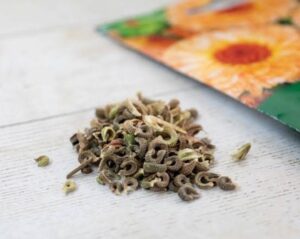
In addition to being delicious, it is good for the environment. It enhances garden biodiversity, draws pollinators, and grows well in a variety of soil types.
Calendula is a low-input, high-value crop for home gardeners, providing food, beauty, and ecological support all in one plant.
Scientific Perspective on Edible Flowers
Calendula is one of the plants that are in line with both conventional wisdom and contemporary nutritional science, according to the increasing amount of study on edible flowers. Its blend of bioactive substances, antioxidants, and culinary versatility is indicative of a wider trend toward varied, plant-based diets.
The significance of this bounty in modern nutrition is further supported by organizations like the European Food Safety Authority, which acknowledges the value of foods high in phytochemicals in promoting long-term health.
Conclusion
Calendula is a wonderful example of how food can provide more than just calories. As an edible flower, it offers color, flavor, and health advantages that have been scientifically proven while still being available to gardeners, cooks, and health-conscious consumers.
Adding calendula to meals is more than just cosmetic; it’s a deliberate step toward sustainable, informed, and functional eating, where each component makes a significant contribution to overall health.
Disclaimer
The content provided on this website is purely for educational purposes. We are neither nutritionists nor do we intend to mislead our readers by providing any medical or scientific information.