Hydrangea Flowers101: A Secret Relation With Soil pH Balance
Hydrangea, a Remarkable Flower
Few ornamental flowering plants have the striking beauty and botanical fascination of hydrangea flowers. For ages, gardeners, botanists, and horticultural scientists have been captivated by the species Hydrangea because of its enormous blooms and changing hues. Hydrangeas are native to East Asia and the Americas. Still, because of their lush foliage, long flowering season, and unique interaction with soil chemistry, they have become mainstays of decorative landscapes throughout temperate regions.
However, hydrangea flowers are more than just ornamental bushes. Plant physiology, soil-plant chemical interactions, ecological linkages with pollinators, and evolutionary adaptation are all fascinatingly illustrated by their flowers. A scientific understanding of hydrangeas explains why these plants act the way they do and how gardeners can effectively grow them.
The botany, species variety, soil chemistry, ecological significance, and cultivation science of hydrangeas are all examined in this article. A scientific understanding of hydrangeas explains why these plants act the way they do and how gardeners can effectively grow them.
Botanical Overview of Hydrangeas
The family Hydrangeaceae, which has about 75 known species of shrubs, vines, and small trees, includes hydrangeas. While climbing hydrangeas can scale buildings and trees with aerial roots, most hydrangeas grow as deciduous shrubs that range in height from one to three meters.
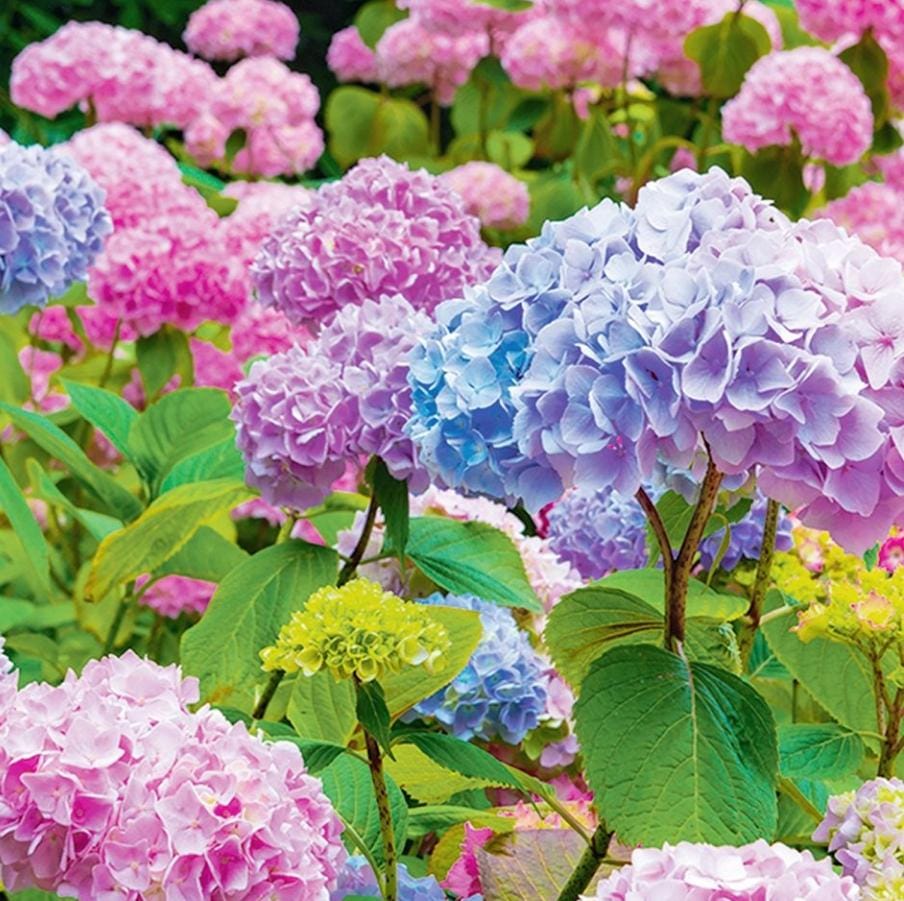
At first glance, hydrangea flowers are not what they seem. The enormous, eye-catching, colorful “petals” are actually sterile florets, which are modified sepals. These surround the cluster’s center, which is home to much smaller, more fruitful blooms. This structure has an ecological purpose: the fertile flowers carry out reproduction, while the ostentatious sterile florets draw pollinators.
The inflorescence of hydrangeas typically appears in two main forms:
- Mophead (hortensia) – dense spherical clusters
- Lacecap – flat clusters with central fertile flowers surrounded by decorative sterile florets
This arrangement improves visibility to pollinators while conserving plant resources for reproduction.
Origin and Global Distribution
The majority of hydrangea species originated in the woods of China, Korea, and Japan, where rich soils and wet temperatures allowed them to develop enormous leaves and physiologies that need water. Additionally, some species evolved in South and North America.
- Bigleaf hydrangea, or Hydrangea macrophylla, is one of the most extensively grown species in the world. After being brought from Japan by plant collectors, it gained popularity in European gardens during the 18th century
- Hydrangea arborescens, sometimes known as smooth hydrangea, is another native of North America. This species is especially prized for its versatility and ability to withstand frigid temperatures
- The climbing species Hydrangea anomala subsp. Petiolaris is distinguished by its aerial rootlets, which allow it to cling to vertical surfaces.
Evolutionary reactions to different temperatures, light levels, and soil compositions are reflected in these regional adaptations.
Why Hydrangea Flowers Change Color
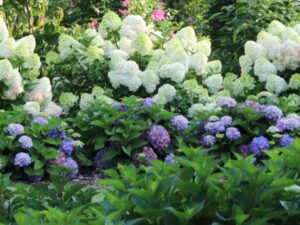
The ability of hydrangea flowers to alter their flower color based on the chemistry of the soil is one of their most well-known characteristics. Aluminum ions and plant pigments interact to control this phenomenon, which mostly affects Hydrangea macrophylla.
Delphinidin, an anthocyanin molecule found in many blue and purple blooms, is the main pigment that gives hydrangeas their color. However, the availability of aluminum and the pH of the soil affect how color is expressed.
The Scientific Mechanism
The following is how the scientific mechanism operates:
Acidic soil (pH below 6)
Aluminum becomes highly soluble and readily absorbed by plant roots in acidic soils with pH values below around 6. The absorbed aluminum interacts with the flower’s inherent anthocyanin pigments, especially delphinidin, in species like Hydrangea macrophylla. This chemical process modifies the pigment’s ability to reflect light, giving many hydrangea species their characteristic blue hue. Gardeners generally notice more pronounced blue hues in very acidic soils because aluminum availability increases with soil acidity.
Neutral soil (pH around 6–7)
Aluminum becomes less soluble and, consequently, less available to plant roots when the pH of the soil approaches neutral levels between 6 and 7. Because of this, hydrangea plants absorb trace levels of aluminum. Intermediate color expressions result from the flower’s pigment and aluminum ions interacting less. Under these circumstances, Hydrangea macrophylla blooms frequently have lavender, lilac, or light purple hues, indicating a partial impact of soil chemistry on the plant’s coloration.
Alkaline soil (pH above 7)
Aluminum bonds firmly to other soil constituents in alkaline soils (pH > 7), making it chemically inaccessible to plants. The anthocyanin colors in hydrangea flowers do not change in the absence of aluminum absorption. As a result, color-changing cultivars produce pink or crimson blooms rather than blue ones. For this reason, even though the same cultivar may produce blue blooms in more acidic conditions, gardeners who grow hydrangeas in alkaline soils often witness vivid pink flowers.
This color shift is one of the best examples of how soil chemistry affects plant physiology. Gardeners frequently purposefully alter the color of flowers by changing the soil:
- Adding aluminum sulfate promotes blue blooms.
- Adding lime increases alkalinity and encourages pink flowers.
However, not all hydrangea species respond to soil pH in this way. White varieties typically remain white because they lack sufficient anthocyanin pigments.
Major Hydrangea Species
There are many of species, but decorative horticulture is dominated by a select few.
1. Bigleaf Hydrangea
The traditional huge mophead flowers found in gardens and florists are produced by Hydrangea macrophylla. In many types, flower buds from the previous season bloom on ancient wood.
These hydrangeas are very well-liked in coastal regions and do well in damp, slightly shady settings.
2. Smooth Hydrangea
The native habitat of Hydrangea arborescens is eastern North America. Massive white flower heads are produced by the well-known cultivar “Annabelle.” Smooth hydrangea flowers bloom on fresh wood, which means they bloom on the growth of the current season, in contrast to bigleaf hydrangeas. They are more dependable in cooler areas because of this characteristic.
3. Panicle Hydrangea
Instead of spherical flower clusters, Hydrangea paniculata develops cone-shaped ones. It can withstand full light better than most hydrangeas and is among the most resilient to cold. As pigments develop, flowers typically open white and progressively turn pink or rose in color.
4. Oakleaf Hydrangea
Native to the Southeast of the United States, Hydrangea quercifolia gets its name from its unusual oak-shaped leaves. It offers magnificent autumn foliage in shades of red, gold, and purple in addition to eye-catching flowers.
Hydrangeas and Pollinators
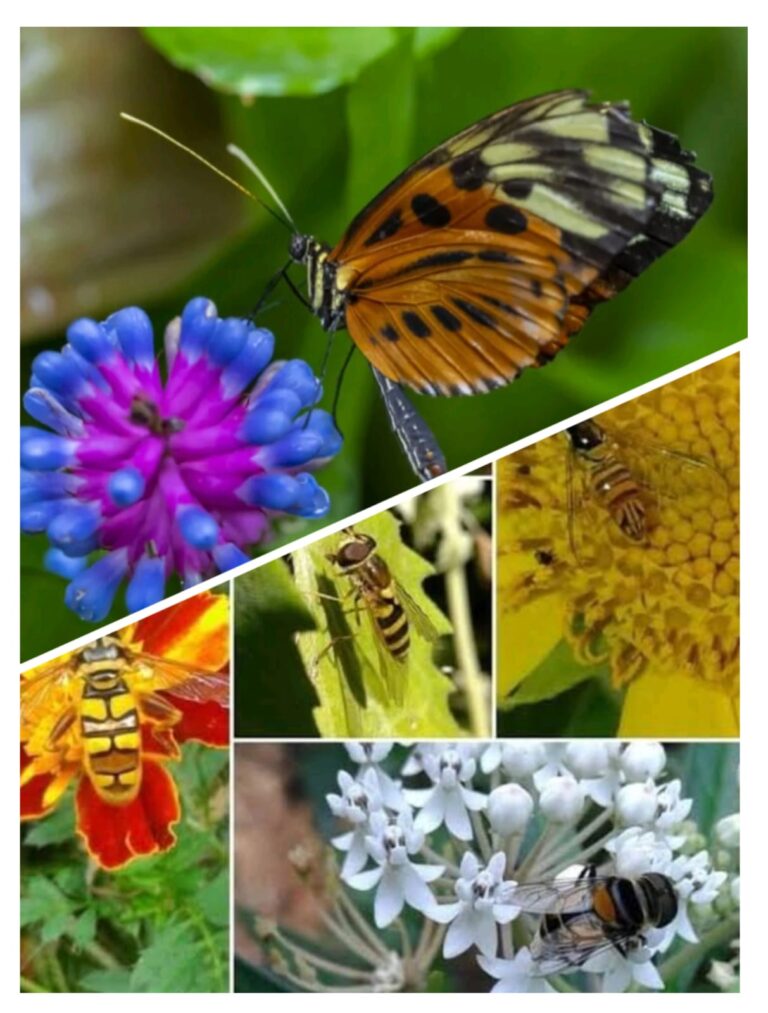
Hydrangea flowers support garden ecosystems despite their emphasis on aesthetics. Insects can obtain pollen and nectar from lacecap variants with exposed viable blooms. Hydrangeas are frequently visited by the following pollinators:
- Bees
- Hoverflies
- Beetles
- Butterflies
Pollinators are directed toward the reproductive blooms in the center by the sterile florets, which serve as visual cues. This method preserves aesthetic appeal while increasing pollination efficiency.
Pollinator-friendly cultivars can boost urban biodiversity by offering food sources in midsummer, when many plants have ceased blooming, according to recent ecological studies, and hydrangea flowers are one of the best options to adopt.
Hydrangea Physiology and Water Needs
Greek words that imply “water vessel” are the source of the name hydrangea. This illustrates how much water the plant requires.
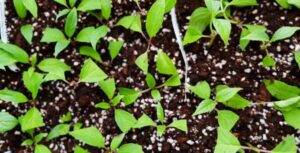
Large, thin leaves that quickly dissipate moisture are characteristic of hydrangea flowers. They thrive in damp woodland understories with steady soil moisture in their natural environments.
Important physiological traits consist of:
- Large leaf surface area
- High transpiration rate
- Shallow root systems
These characteristics cause hydrangea flowers to wilt rapidly in arid environments. Wilting, however, does not always signify long-term stress; after watering, the plant frequently recovers quickly. Mulching the area surrounding hydrangeas enhances microbial activity in the rhizosphere and stabilizes soil temperature and moisture.
Soil and Nutritional Requirements
Hydrangea flowers prefer well-drained, organically rich soils with moderate fertility.
Ideal soil characteristics include:
- High organic matter
- Good moisture retention
- Slightly acidic pH (around 5.5–6.5)
Organic matter improves soil structure and microbial diversity, which supports nutrient availability. Key nutrients influencing hydrangea growth include:
Nitrogen
Encourages the growth of leaves, but too much can inhibit flowering.
Phosphorus
Supports root development and flower formation.
Potassium
Increases resistance to illness and stress tolerance. Maintaining robust plants without compromising flowers is made possible by balanced fertilizing.
Climate and Light Preferences
Hydrangea flowers prefer filtered sunlight over harsh exposure, which makes sense given that they evolved mostly in woodland settings.
The best lighting circumstances are:
- Morning sun
- Afternoon shade
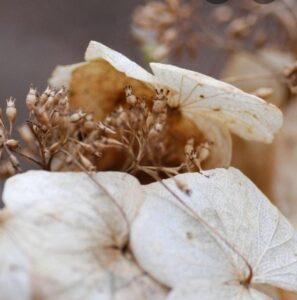
Overexposure to sunlight can burn leaves and shorten the life of hydrangea flowers. On the other hand, bloom output may be restricted by excessive shadow. Hydrangea performance is also influenced by temperature. Most species are found in temperate regions, where summers are pleasant but not overly hot. Species differ greatly in their ability to withstand the cold. Among the hardiest are panicle hydrangeas, which can withstand temperatures well below zero.
Pruning Science: Old Wood vs New Wood
Pruning is one of the most misinterpreted aspects of growing hydrangea plants. Whether the species blooms on new or old wood determines the timing. Flower buds are produced by old wood bloomers throughout the preceding growing season. Gardeners risk losing that year’s flowers if they prune these plants in the spring.
New wood bloomers are more tolerant of pruning errors since they generate buds on existing growth. Gardeners can shape plants while maintaining bloom potential by being aware of this distinction.
Disease and Pest Resistance
Although hydrangeas are usually hardy plants, they can occasionally have issues.
Typical illnesses consist of:
- Powdery mildew
- Leaf spot
- Botrytis blight
These problems usually occur in humid conditions with inadequate ventilation. Fungal outbreaks are lessened by soil-level irrigation, trimming, and proper spacing. Aphids and spider mites are examples of insect pests that occasionally occur but seldom seriously harm healthy plants. Pest outbreaks are frequently naturally avoided in gardens by maintaining balanced soil nutrition and biodiversity.
Hydrangea Flowers in Landscape Design
In addition to their flowers, hydrangeas are prized for their architectural design.
They are used by landscape designers in several ways:
- Plantings for foundations: Big shrubs add seasonal color and soften the boundaries of buildings
- Perennial borders that are mixed: Beds are anchored by hydrangeas, while the foreground is filled with lesser plants
- Woodland gardens: They are ideal companions for ferns and perennials that like shade because of their natural environment
- Privacy screens and hedges: Some types grow into dense shrubs that naturally define borders
Months of visual pleasure are guaranteed because to the extended flowering season, which spans from early summer to autumn.
Cultural and Historical Significance
In many civilizations, hydrangea flowers have significant implications. They are connected to appreciation and sincere feelings in Japan. Hydrangea gardens, which bloom during the rainy season, are a common element of Buddhist temples. Because of their massive flower clusters, hydrangeas were a symbol of abundance in Victorian Europe. Humanity has always associated flowering plants with emotion, beauty, and seasonal change, which is reflected in these cultural interpretations.
Hydrangeas and Environmental Benefits
Hydrangea flowers support ecological health in addition to being aesthetically pleasing. Their thick foliage serves as a home for small animals and insects. As fallen leaves break down, they add organic matter to the soil, which feeds microbial organisms. Hydrangea flowers are being used more often in urban areas to increase biodiversity and lessen the impacts of heat islands through vegetative cover. Despite not being a significant food crop, hydrangeas provide an important ecological role in enhancing green infrastructure and supporting pollinators.
Future of Hydrangea Breeding
Hydrangea diversity is still increasing thanks to modern plant breeding. Scientists studying horticulture are creating cultivars with enhanced characteristics like:
- Enhanced cold tolerance
- Extended bloom seasons
- Disease resistance
- Compact growth for small gardens
Additionally, genetic research has advanced our knowledge of flower form and pigment production. Breeders may soon be able to create hydrangeas with even more striking color variations and environmental adaptation because of developments in plant genetics.
Conclusion
Hydrangea flowers are an amazing example of how horticulture, chemistry, ecology, and beauty come together. Plants interact dynamically with their surroundings, as seen by their capacity to change color in response to soil chemistry. Their luxuriant growth indicates adaption to damp forest habitats, and their intricate floral arrangements show evolutionary tactics for drawing pollinators.
Hydrangea flowers continue to inspire scientists and gardeners alike, whether they are growing in a shady backyard garden, bordering a woodland trail, or decorating temple grounds in Japan. Gaining insight into the science underlying these blooms enhances one’s admiration for their grace and tenacity. Successful hydrangea cultivation requires gardeners to honor the plants’ natural inclinations, which include rich soil, steady moisture, moderate sunlight, and careful pruning. Hydrangea flowers reward their producers by turning landscapes into living pieces of beauty when certain parameters are satisfied.
Hydrangea flowers are ultimately more than just decorative shrubs; they are living illustrations of how human horticulture, environmental chemistry, and plant biology combine to produce timeless beauty in gardens all over the world.
Disclaimer
The content provided on this website is purely for educational purposes. We are neither nutritionists nor do we intend to mislead our readers by providing any medical or scientific information.