Houseplants: 3 Exclusive Categories As Air Purifiers
Introduction
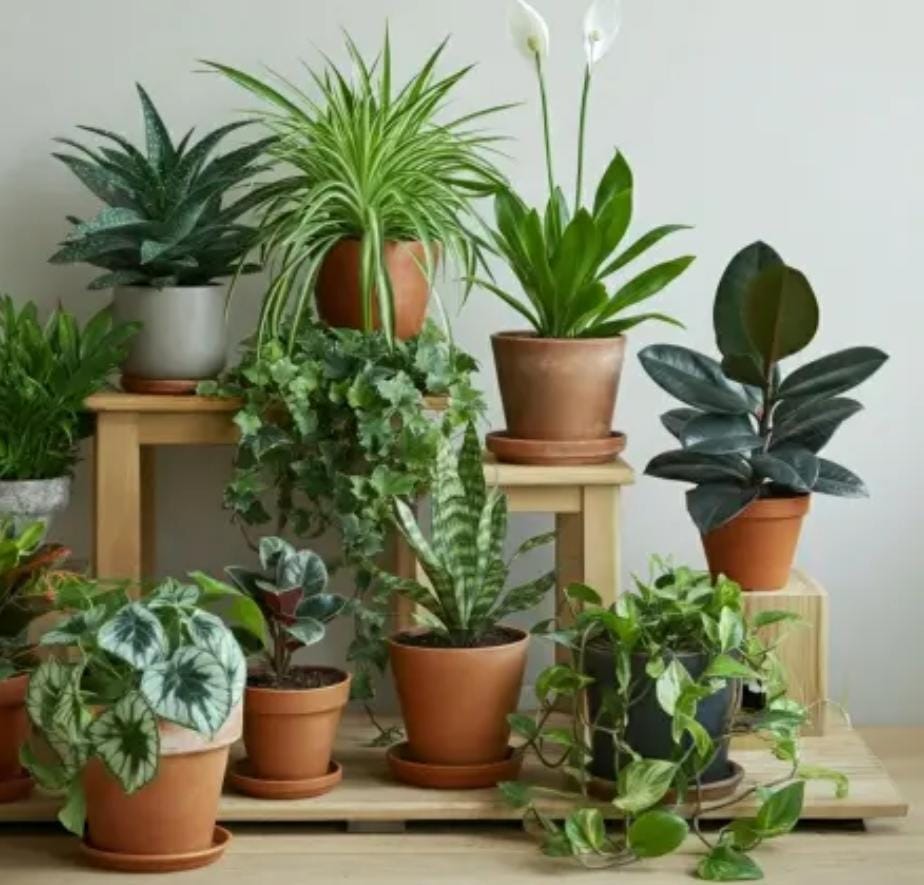
Houseplants are more than just decorative accents in homes all over the world, from high-rise apartments to suburban homes. They are biological systems that actively exchange gases, regulate humidity, interact with microbes, and influence human psychology. Over the past few decades, scientific research has changed our understanding of indoor plants. Studies in plant physiology, environmental psychology, microbiology, and indoor air science reveal that houseplants can improve well-being, regulate microclimates, and foster significant human-nature connections. This blog delves into the science of houseplants.
This blog provides an in-depth exploration of the science behind houseplants, examining their biology, the environmental factors that influence their growth, and the benefits they offer to our living spaces. We will discuss topics such as photosynthesis, soil health, and the impacts of humidity and light, as well as practical tips for caring for various types of houseplants.Together, we will uncover how these green companions thrive and contribute to our well-being.
The Rise of Houseplants
Houseplants have a long history of embracing. Ornamental indoor plants were a statement of elegance and international botanical curiosity throughout the Victorian era. Indoor gardening has been popular again as a lifestyle and therapeutic activity due to urbanization, fewer living spaces, and a resurgence of interest in wellness.
The COVID-19 epidemic, when time spent indoors sharply increased, sped up contemporary interest. Researchers found that increased knowledge of indoor environmental quality and mental health was associated with a spike in plant purchasing. This trend illustrates a biological instinct known as biophilia, the intrinsic human tendency to seek connections with living systems, rather than merely reflecting aesthetic preference.
How Houseplants Function: A Physiological Perspective
The metabolic process of photosynthesis, which transforms light energy into chemical energy, is the foundation of all houseplants. Carbon dioxide (CO₂) and water are absorbed by plants through processes mediated by chlorophyll, which provide glucose and oxygen. The true ecological significance of indoor plants is found in their dynamic gas exchange and transpiration cycles, even though they do contribute oxygen.
1. Photosynthesis and Light Adaptation
Tropical understories are home to numerous indoor species found in North America, including Dracaena trifasciata, Spathiphyllum, and Epipremnum aureum. They developed under forest canopies, where light is indirect and filtered, in their native environments.
The reason these plants can withstand low to moderate levels of indoor light is due to this evolutionary adaptability. In darkened environments, their leaves’ greater chlorophyll contents maximize light absorption efficiency. Even so, even “low-light” plants need enough light to survive, usually between 100 and 500 lux, and between 500 and 2,000 lux for the best development.
Etiolation (leggy growth), chlorosis (yellowing), and compromised structural integrity result from the disruption of carbohydrate production caused by insufficient light.
2. Transpiration and Indoor Humidity
Transpiration is the process by which plants continuously release water vapor through their stomata. Evaporative cooling and nutrient delivery are supported by this water flow from roots to leaves.
Plants can slightly increase humidity in homes, particularly in winter when heating systems dry out indoor air. Grouped plants provide microclimates that regulate leaf function and lessen plant stress, but a single plant cannot significantly alter the humidity of the entire space.
According to scientific measurements, species, temperature, light, and soil moisture all affect transpiration rates. Compared to succulents that are suited to dry environments, broad-leaved tropical species transpire more.
3. Root–Microbe Interactions Indoors
Soil microbiomes are essential for healthy houseplants. Beneficial fungi and bacteria break down organic materials, dissolve nutrients, and coexist with roots in symbiotic interactions. For example, mycorrhizal fungi increase phosphorus uptake and root surface area.
Microbial diversity may initially be limited in sterile potting mixes that contain a lot of peat. Microbial populations eventually reach equilibrium, particularly when organic fertilizers or compost-based supplements are added. Research indicates that when compared to inert media, biologically active potting substrates promote more robust plant growth.
Air Purification: What Does the Science Actually Say?
NASA’s 1989 study, which showed that some plants could eliminate volatile organic compounds (VOCs) including formaldehyde and benzene in sealed chambers, is one of the most often mentioned studies in indoor plant literature. Measurable reductions in pollutants were demonstrated by species such as Spathiphyllum and Chlorophytum comosum.
Subsequent studies, however, made it clear that real homes cannot be precisely replicated in lab settings. When compared to mechanical ventilation systems, houseplants have a limited ability to clean the air in typical living environments.
Nevertheless, plants do improve the sense of the indoor environment. Peer-reviewed research repeatedly supports the psychological benefits of greenery, including reduced stress signs, increased mood, and improved attention. Therefore, plants have a significant impact on human well-being even though they might not be able to substitute air purifiers.
Psychological and Cognitive Benefits
Indoor plants lower physiological stress markers, including blood pressure and pulse rate, according to environmental psychology research. Reduced mental tiredness and better attention restoration are linked to exposure to greenery.
Research carried out in North American offices revealed that workers in plant-rich workplaces were more productive and satisfied with their jobs. Students who were exposed to more greenery in the classroom also demonstrated better attentiveness.
Evolutionary biology is the mechanism that underlies these benefits. Because we evolved in environments dominated by plants, our sensory systems react favorably to environmental cues. Neurological responses may also be calmed by visual exposure to green wavelengths.
Selecting Houseplants for Different Climate Zones
We are aware that several climate zones exist, even within a single region. North America, for instance, has a wide range of climates, from lush southeastern parts to arid southwestern deserts, and Canada has frigid winters. Seasonal changes in light have an impact on plant care even though indoor settings are climate-controlled.
Low-Light Homes
For apartments with limited sunlight:
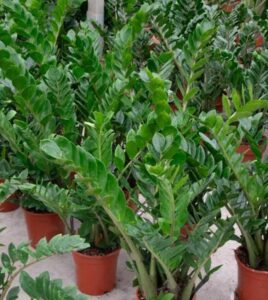
- Zamioculcas zamiifolia
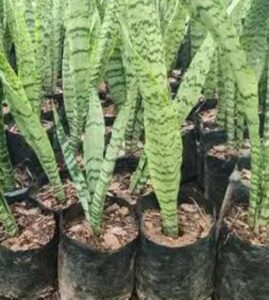
- Dracaena trifasciata
- Aglaonema
These plants possess efficient light-capturing adaptations and tolerate intermittent watering.
Bright, Indirect Light
For homes with east- or west-facing windows:
- Ficus elastica
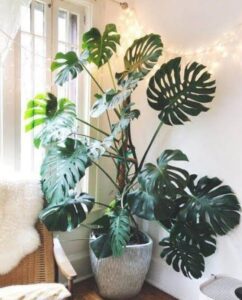
- Monstera deliciosa
- Philodendron hederaceum
These species exhibit robust growth under filtered sunlight.
Direct Sunlight
South-facing windows in regions like California or Arizona support:
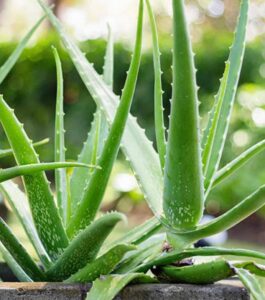
- Aloe vera
- Echeveria
- Crassula ovata
These succulents utilize CAM (Crassulacean Acid Metabolism) photosynthesis, opening stomata at night to reduce water loss.
Soil Science
Indoor potting media needs to strike a balance between moisture retention, drainage, and aeration, unlike garden soil. A potting mix that is supported by science usually consists of:
- Water-retaining coco coir or peat moss
- Pumice or perlite for aeration
- Bark or compost (reservoir of nutrients)
Compaction prevents oxygen from diffusing, which causes rot and hypoxia in the roots. For cellular respiration, which drives nutrient intake and growth, roots need oxygen. Due to oxygen deprivation rather than actual excess water, overwatering continues to be the primary cause of houseplant mortality in many regions.
Watering Physiology and Best Practices
Plant type, pot size, light exposure, and humidity all affect water management. Succulents need drying cycles, but tropical foliage plants prefer steady wetness.
Among the scientific markers of adequate irrigation are:
- Monitoring soil moisture 1- 2.5 inches (2–5 cm) below the surface
- Observing leaf turgor pressure
- Assessing pot weight
Thorough watering until drainage takes place guarantees uniform root hydration and avoids salt buildup.
Fertilization and Nutrient Dynamics
In addition to micronutrients like iron and magnesium, houseplants also require macronutrients like nitrogen (N), phosphorus (P), and potassium (K). During vigorous development phases (spring and summer), potted plants require periodic feeding since they are unable to reach soil stores.
While liquid feeds offer instant availability, slow-release fertilizers offer a steady supply of nutrients. On the other hand, over fertilization results in root burn and osmotic stress. According to research, sustained development without nutritional toxicity is frequently supported by moderate feeding at half-strength concentrations.
Pest Ecology Indoors
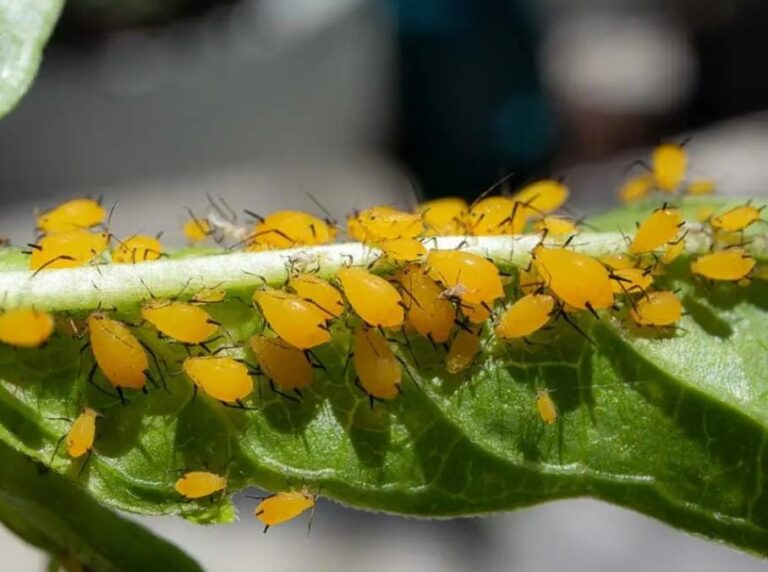
Aphids, scale insects, fungus gnats, and spider mites are common indoor pests. These creatures take advantage of the lack of natural predators and the constant indoor temperatures.
The following principles of Integrated Pest Management (IPM) work well indoors:
- Inspect plants regularly
- Isolate new acquisitions
- Maintain air circulation
- Use biological or mechanical controls when possible
When houseplants receive balanced nutrition, they thrive and become more resilient, making them less vulnerable to pesky infestations.
Seasonal Adjustments
Winter dormancy in plants is significantly influenced by a combination of reduced photoperiod and lower light intensity, especially in northern latitudes where daylight hours are markedly shorter during this season. As winter approaches, many plants receive fewer hours of sunlight, which triggers physiological changes that prepare them for a period of dormancy. This decrease in both the duration and quality of light signals to plants that it’s time to conserve energy and resources, allowing them to survive the harsher conditions of winter. During winter:
- Reduce watering frequency
- Pause fertilization
- Increase light exposure if possible
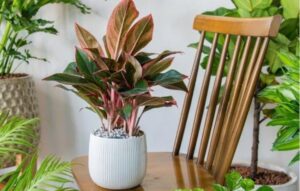
During the summer months, the combination of extended daylight hours and warmer temperatures significantly stimulates plant growth. This surge in growth demands a greater supply of water and essential nutrients to support healthy development. As the sun’s rays become more intense and frequent, plants absorb more sunlight, which enhances photosynthesis and accelerates their growth cycles. Consequently, gardeners and farmers must ensure that their plants receive adequate irrigation and sufficient nutrients, such as nitrogen, phosphorus, and potassium, to thrive during this vibrant season.
Houseplants as Micro-Ecosystems
Every potted plant is a little ecosystem, with soil storing nutrients, roots interacting with bacteria, leaves exchanging gases, and people influencing the environment. According to scientific research, successful indoor gardening relies on simulating natural ecological processes in controlled settings.
Repotting every one to three years avoids root binding and nutrient depletion since the container limits root growth. Selecting pots of the right size guarantees a balance between aeration and moisture retention.
The Broader Environmental Perspective
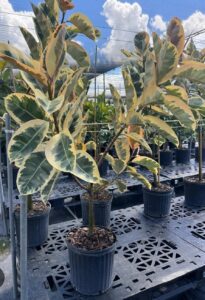
Although houseplants by themselves are unable to reduce significant carbon emissions, indoor gardening raises awareness of environmental issues. People can reestablish a connection with ecological cycles—water, light, soil, and growth—by cultivating and tending to plants. This reconnecting frequently results in long-lasting habits outside the house.
Growing living plants in small areas is particularly advantageous for city people. Where outdoor green spaces may be scarce in crowded urban settings, indoor plants offer an accessible way to connect with nature.
Conclusion
There is more to houseplants than just decoration. They are physiologically complex organisms that support both human health and indoor environment. They convert enclosed areas into dynamic living environments through transpiration, microbial interaction, photosynthesis, and psychological influence.
Plant lovers instinctively know that caring for houseplants improves both the environment and one’s own well-being, and scientific evidence confirms this. Indoor gardeners may create flourishing plant communities all year long by knowing soil science, plant physiology, and ecological balance.
One leaf, one root, one breath at a time, every indoor gardener takes part in a silent ecological collaboration, whether they are caring for a single pothos vine or a room full of tropical foliage.
Disclaimer
The content provided on this website is purely for educational purposes. We are neither nutritionists nor do we intend to mislead our readers by providing any medical or scientific information.