Chives: 5 Magnificent Key Nutrients
Introduction
Chives have a unique place among the wide variety of culinary herbs; despite their modest look, they are noteworthy in terms of biology, nutrition, and cultural significance. Chives are a sophisticated perennial herb with an intriguing scientific profile, while being frequently written off as a simple garnish. Their mild onion-like scent and beautiful green stalks conceal a complex chemistry formed by human cultivation, environmental adaption, and evolution.
Chives, scientifically known as Allium schoenoprasum, are members of the same genus as shallots, onions, garlic, and leeks. But their development patterns, physiological characteristics, and phytochemical equilibrium set them apart as a special botanical resource. This article, which is backed by reputable scientific research, examines chives from the ground up, including their taxonomy, nutritional makeup, bioactive substances, ecological value, health advantages, culinary versatility, and sustainable farming.
Botanical Identity and Evolutionary Background
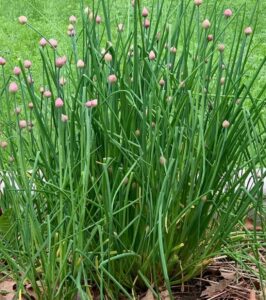
Chives are perennial monocotyledonous plants belonging to the genus Allium in the Amaryllidaceae family. In contrast to relatives that create bulbs, like onions or garlic, chives grow in thick clusters with long, hollow leaves. Their evolutionary approach places more emphasis on quick leaf regeneration than subterranean storage, which permits repeated harvesting without endangering the plant.
Chives, which are native to temperate parts of North America, Europe, and Asia, have remarkable ecological adaptability. They can withstand cold climes and varying moisture levels, and they flourish in meadows, riverbanks, and alpine soils. Their fibrous root system, which effectively absorbs nutrients from top soil layers while anchoring the plant, contributes to this robustness.
The purple, spherical flowers are made up of several florets. These flowers assist pollinators and contribute to genetic variety, making them both aesthetically pleasing and biologically significant.
Nutritional Profile: Small Leaves, Dense Nutrients
Despite their light texture and mild flavor, these are nutritionally dense. Laboratory analyses show that chives provide essential micronutrients while remaining low in calories.
Key Nutrients Found in Chives
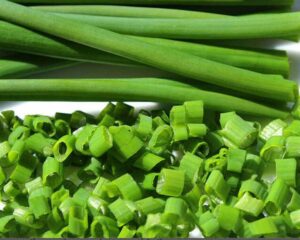
- Vitamin K – Essential for the processes of blood clotting and bone metabolism, vitamin K plays a crucial role in ensuring that our body’s blood coagulation system functions effectively. It facilitates the synthesis of specific proteins known as clotting factors, which are vital for the formation of stable blood clots that prevent excessive bleeding. Additionally, vitamin K plays a crucial role in bone health, as it helps regulate calcium levels within the bones and bloodstream, thereby contributing to the maintenance of bone density and strength. This nutrient is found in various dietary sources, including leafy green vegetables, certain types of fish, meat, and dairy products, underscoring the importance of a balanced diet in supporting these crucial physiological functions.
- Vitamin C – Enhances the body’s immune function, helping to defend against infections and illnesses, while also playing a crucial role in collagen synthesis, which is essential for maintaining healthy skin, joints, and connective tissues.
- Vitamin A (as carotenoids) – Vital for maintaining proper vision and facilitating cellular differentiation, this element plays a crucial role in the development and functioning of various cells in the body. It is essential for the formation of visual pigments in the retina, enabling clear sight, while also influencing the specialization of cells during growth and repair processes. This underscores its importance in both eye health and the overall cellular processes that drive development and regeneration.
- Folate (Vitamin B9) –DNA synthesis and cell division are critical processes in the life cycle of cells, essential for growth, development, and tissue repair. DNA synthesis ensures that genetic information is accurately replicated, allowing for the transmission of hereditary traits. Meanwhile, cell division, whether through mitosis or meiosis, facilitates the proliferation of cells, ensuring that organisms can grow and heal. This intricate interplay of processes is vital for maintaining the integrity of genetic material and supporting overall cellular function in all living organisms.
- Calcium and Potassium – Enhance skeletal health and promote optimal fluid balance within the body. This involves not only ensuring adequate intake of essential nutrients like calcium and vitamin D, which play a critical role in bone density and strength, but also maintaining proper hydration levels. Staying hydrated is vital for joint lubrication and the transport of nutrients, contributing to overall skeletal integrity and health. Integrating these practices into a balanced lifestyle can lead to improved resilience in the skeletal system and better physical function.
Because they are typically consumed fresh, their vitamin content remains largely intact, unlike herbs that undergo drying or prolonged storage.
Phytochemistry: The Science Behind Flavor and Function
Sulfur-containing chemicals, a characteristic of the Allium genus, are mostly responsible for the biological activity of chives. Enzymes produce the organosulfur compounds that give chives their aroma and health benefits when they are sliced or crushed.
Bioactive Compounds in Chives
- Allyl sulfides – This concept is closely associated with the promotion of cardiovascular health and the prevention of heart-related diseases. It emphasizes the importance of lifestyle choices, such as a balanced diet rich in fruits, vegetables, and healthy fats, regular physical activity, and maintaining a healthy weight. Additionally, it highlights the role of managing factors like blood pressure, cholesterol levels, and blood sugar to enhance overall heart function and reduce the risk of conditions such as heart attacks and strokes.
- Flavonoids (quercetin, kaempferol) – Antioxidants and anti-inflammatory agents are essential for maintaining health. Antioxidants neutralize free radicals, reducing oxidative stress and potentially lowering the risk of chronic diseases like heart disease and cancer. In contrast, anti-inflammatory agents decrease inflammation, which, while a natural response, can become harmful if chronic, leading to issues like autoimmune disorders. Together, these compounds help the body combat disease and promote healing. Including foods rich in antioxidants and anti-inflammatory properties, such as fruits, vegetables, nuts, and whole grains, can enhance overall wellness.
- Phenolic acids – Enhance the body’s natural defense mechanisms against oxidative stress by actively contributing to the cellular processes that neutralize harmful free radicals. This involves supporting the production of antioxidant enzymes and promoting the availability of key nutrients that play a vital role in safeguarding cells from oxidative damage. By bolstering these protective systems, we can improve overall cellular health and resilience, ultimately leading to better physiological function and reduced risk of chronic diseases associated with oxidative stress.
Antioxidant Capacity and Cellular Protection
The development of chronic diseases and aging are significantly influenced by oxidative stress. A synergistic combination of antioxidants found in chives reduces cellular damage and neutralizes free radicals.
Fresh chive extracts have been shown to exhibit quantifiable radical-scavenging action, which is mostly due to their flavonoid and vitamin C content. Even though chives are not eaten in huge amounts, including them on a regular basis increases the amount of antioxidants in the diet.
Cardiovascular Health and Metabolic Support
Consuming vegetables high in allium is consistently linked to better cardiovascular outcomes in epidemiological research. Chives contribute to this effect in a number of ways:
- Preventing cholesterol oxidation is vital for cardiovascular health, as oxidized cholesterol can lead to plaque formation and increase heart disease risk. To reduce oxidation, incorporate antioxidant-rich foods like fruits, vegetables, and whole grains, and manage inflammation and oxidative stress through exercise and a balanced diet. These lifestyle choices support heart health and overall well-being.
- Additionally, the compound has a mild antiplatelet effect, which helps reduce blood platelet aggregation and promotes normal blood circulation. This balance in platelet function is crucial for preventing thrombotic complications and supporting cardiovascular health.
- Potassium is essential for regulating blood pressure by influencing vascular function and sodium balance. Adequate potassium intake helps relax blood vessel walls, leading to lower blood pressure, especially in the presence of high sodium levels. It promotes sodium excretion through urine and supports various heart-related enzymes and hormones. Foods rich in potassium, like bananas, oranges, leafy greens, and legumes, can benefit those with hypertension. While increasing potassium is recommended for heart health, individuals with kidney disease should consult a healthcare professional before altering their intake. Overall, a balanced potassium intake is crucial for maintaining healthy blood pressure and reducing cardiovascular disease risk.
Even though chives are less harsh than garlic, using them frequently enables consistent exposure to healthy chemicals without causing gastrointestinal distress.
Immune Modulation and Antimicrobial Properties
Chives have long been prized for their defensive properties in traditional medical systems. These findings are corroborated by contemporary microbiological research, which shows that chive extracts have inhibitory effects against specific bacterial and fungal species.
Together, vitamin C, flavonoids, and sulfur compounds improve immune response and inhibit microbial development. They are especially useful during seasonal immunological stress because of this.
Digestive Health and Gut Microbiome Interaction
They have small levels of prebiotic chemicals and dietary fiber that promote digestive health. They help with digestion without hurting the gastrointestinal lining because of their slight pungency, which increases gastric secretions.
Chives are an accessible gateway herb for digestive wellness since, in contrast to stronger Allium species, they are frequently easily tolerated by people who are allergic to onions or garlic.
Culinary Science: Flavor Without Overpowering
From a culinary standpoint, chives are valued for their harmony. Because of their decreased concentration of volatile sulfur compounds, their delicate onion flavor improves recipes without overpowering other ingredients.

Culinary Applications
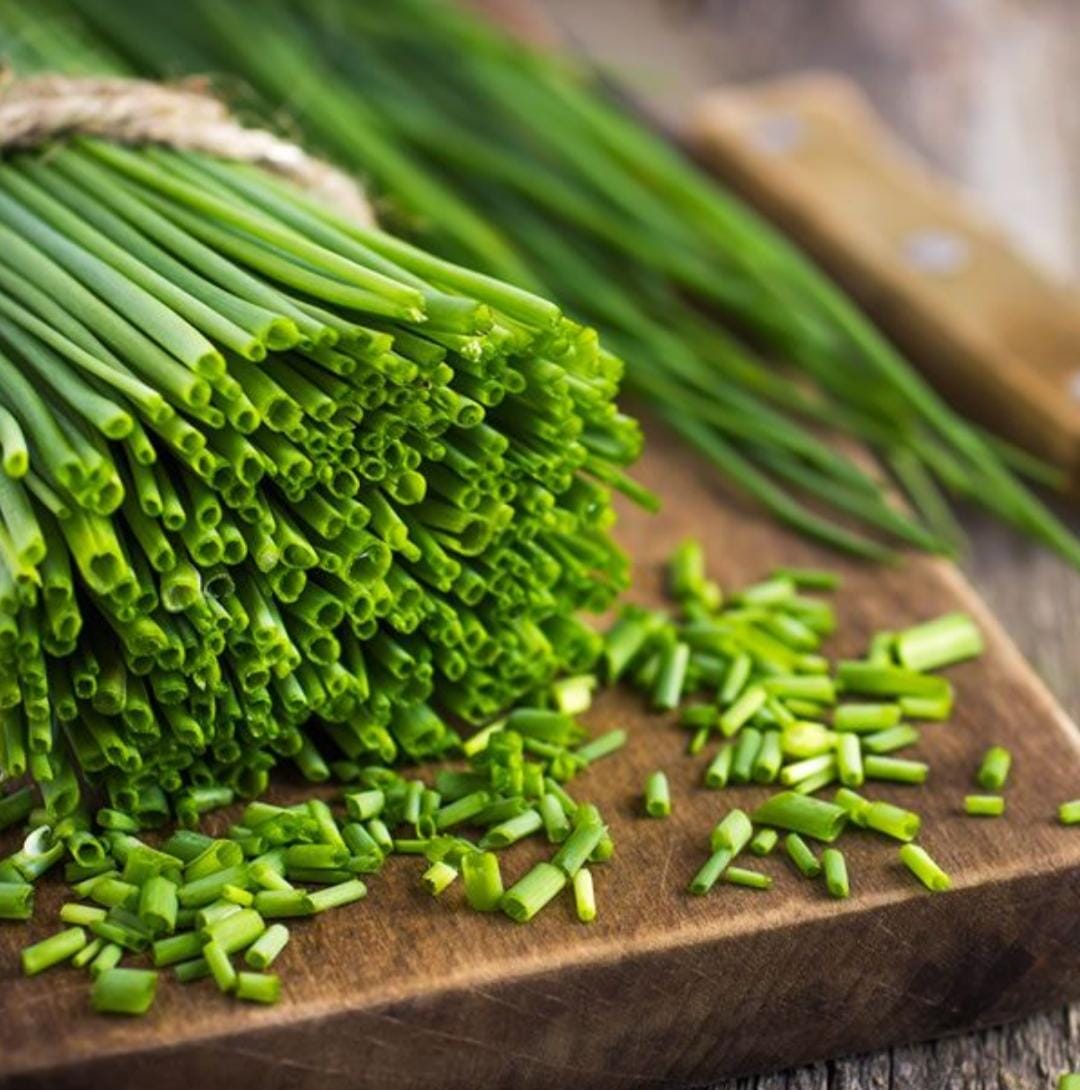
- Fresh garnish for soups, eggs, and salads
- Infused oils and herb butters
- Dairy-based sauces and spreads
- Light incorporation into breads and savory pastries
One distinguishing characteristic is heat sensitivity; extended cooking reduces flavor and nutritional value. Chives are best added at the conclusion of cooking since, according to science, this is caused by the thermal breakdown of volatile chemicals and vitamins.
Edible Flowers: Beauty Meets Nutrition
The nutritional value of chive blossoms is equal to that of the leaves, and they are completely edible. Their purple color is caused by anthocyanins, which are pigments having antioxidant qualities.
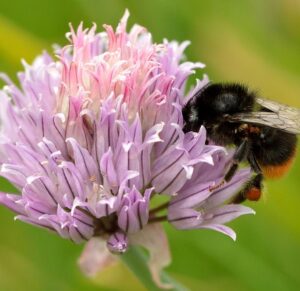
In addition to promoting garden biodiversity and providing chefs and home cooks with an eye-catching, useful item, these blossoms draw pollinators like bees and butterflies.
Role in Sustainable and Regenerative Gardening
Agroecological systems benefit from chives. Their blossoms increase pollinator activity, and their potent aroma helps repel some insect pests. Chives are companion plants that increase the resilience of a garden when they are planted with vegetables like carrots, tomatoes, and roses.
They are ideal for organic systems and container gardening because of their low fertilizer requirements and perennial nature, which minimizes the need for replanting.
Cultivation Biology and Growth Requirements
Chives grow best in full sun to moderate shade and appreciate well-drained soil that is high in organic content. Slightly alkaline to neutral soil pH is ideal for growth.
Chives react favorably to frequent harvesting from a physiological perspective. Cutting increases the formation of new leaves and lengthens the plant’s productive life by stimulating meristematic activity.
Post-Harvest Handling and Nutrient Retention
Chives maintain their highest nutritional content when eaten fresh, according to scientific evaluations of herb storage. Enzymatic deterioration is slowed by refrigeration, and flavor is better preserved by freezing than by drying, although texture is impacted.
In line with more general herb science, chopping right before usage reduces oxidative loss of bioactive chemicals.
Cultural and Historical Significance
For more than 5,000 years, chives have been grown; they can be found in ancient Chinese, Roman, and medieval European cultures. They were prized as symbols of protection and rebirth in addition to being food.

Chives are mentioned in historical herbals as a source of energy and purification—concepts that are now known through modern nutritional research rather than folklore.
Chives in Modern Functional Nutrition
Chives easily fit into evidence-based dietary regimens as interest in functional foods increases. Their bioactive profile, nutritional richness, and low calorie load are consistent with plant-forward diet recommendations.
They provide a great illustration of how regular usage of common herbs can have a subtle but significant impact on long-term health.
Conclusion
Despite their fragile appearance, chives have a strong scientific history. Chives are a classic example of how tiny plants can provide enormous advantages, from molecular chemistry to ecological support, from immunological regulation to culinary elegance.
Adding chives to everyday meals is not just a gourmet decision; it is a scientifically validated practice that promotes sustainable food systems, improves nutrition, and honors the silent intelligence of plants.
Chives serve as a reminder that significant health advantages frequently grow right at the border of our gardens, just waiting to be recognized, comprehended, and enjoyed in a world that is becoming more and more preoccupied with superfoods and supplements.
Disclaimer
The content provided on this website is purely for educational purposes. We are neither nutritionists nor do we intend to mislead our readers by providing any medical or scientific information.