Foraging: 3 Tremendous Impacts on Soil Systems
Introduction
One of the first survival techniques used by humans is foraging, the process of obtaining wild food supplies straight from natural environments. Humans relied solely on their abilities to recognize, gather, and use wild plants, fungi, and even insects long before agriculture changed diets and landscapes. Foraging is becoming more popular today—not just as a nostalgic throwback to the past, but as an environmentally important, nutritionally beneficial, and scientifically relevant activity. Examining the whole process from the perspectives of ecology, nutrition, sustainability, and human health is necessary to comprehend its significance and effects. These topics are covered in our previous blogs.
What Is Foraging?
The gathering of wild food materials, such as leaves, fruits, roots, seeds, nuts, mushrooms, and sea life, is the fundamental definition of foraging. From an ecological perspective, this is part of the broader concept of optimal foraging theory, which describes how organisms minimize risk and effort while maximizing energy gain. Humans have historically followed similar principles, selecting food sources that provide the maximum caloric and nutritional return relative to time and energy involved, even though this idea is frequently attributed to animals.
The foraging habits of modern humans are very different from those of our ancestors. It is now frequently done for nutritional advantages, ecological awareness, and gastronomic discovery rather than survival-driven necessity. The fundamental biological and ecological concepts, however, have not changed.
Nutritional Superiority of Wild Foods
The nutritional value of wild foods is one of the strongest scientific justifications for this natural process. Studies repeatedly demonstrate that compared to their produced equivalents, wild plants frequently have higher amounts of vitamins, minerals, antioxidants, and phytochemicals.
Higher Micronutrient Density
Wild plants must evolve strong biochemical defense mechanisms because they live in competitive, nutrient-variable settings. These systems generate secondary metabolites, including alkaloids, flavonoids, and polyphenols, which improve human health by lowering inflammation and oxidative stress.
For example:
- Compared to farmed greens, wild leafy greens frequently have much higher levels of calcium, iron, and vitamin C
- According to ORAC (Oxygen Radical Absorbance Capacity) values, wild berries often have greater antioxidant capacity
Phytochemical Diversity
Wild ecosystems provide a wide variety of plant species, each with distinct phytochemical profiles, in contrast to monoculture crops that are produced for uniformity. The idea of dietary phytochemical richness, which is associated with enhanced immune function and a lower risk of chronic illnesses, is supported by this diversity.
Lower Exposure to Synthetic Inputs
Synthetic fertilizers, insecticides, and herbicides are inherently absent from wild foods. The absence of direct chemical application reduces exposure to residues commonly found in industrial agriculture; environmental contamination is still possible.
Ecological Importance of Foraging
When practiced with mindfulness and care, it serves as a crucial activity for sustaining ecological balance and fostering biodiversity. By engaging with nature in this way, individuals can play an essential role in preserving various plant and animal species, promoting healthy ecosystems, and supporting the intricate web of life that surrounds us. Responsible foraging not only connects people with the environment but also encourages a deeper understanding of natural habitats and the importance of conservation.
1. Promoting Biodiversity Awareness
Foragers gain a thorough awareness of habitat interactions, seasonal cycles, and plant identification. This information promotes conservation-focused behavior and ecological literacy.
2. Seed Dispersal and Ecosystem Interaction
Like other animals, humans have the ability to spread seeds. Foragers unintentionally aid in the spread of plant species as they travel across landscapes and gather fruits. This imitates the natural ecological processes that facilitate the regeneration of plants.
3. Sustainable Harvesting Practices
The “rule of thirds” is emphasized in ethical foraging:
- One-third for the ecosystem
- One-third for wildlife
- One-third for human use
This idea guarantees the stability of plant populations and prevents the depletion of ecosystems. By lowering competition and promoting regeneration, moderate, selective harvesting can boost plant development in some species, according to scientific research on sustainable harvesting.
Impact on Soil Health
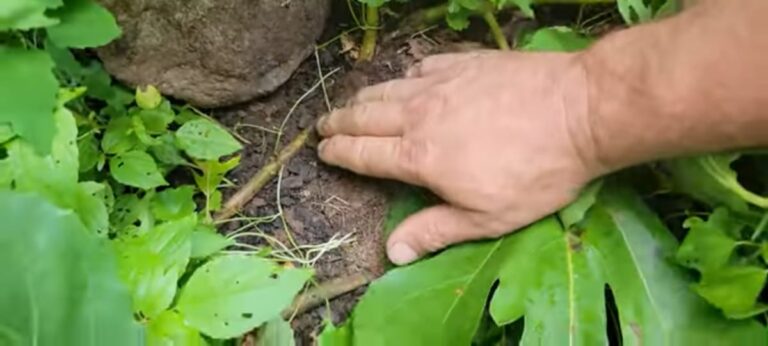
By fostering ecosystems that are unaffected by modern agricultural methods, this strategy indirectly promotes soil health.
1. Undisturbed Soil Systems
Complex soil structures rich in organic matter, microbial diversity, and fungal networks are maintained by wild ecosystems. These systems are necessary for:
- Nutrient cycling: It is a complex but essential process that facilitates the continuous movement of nutrients through various components of the ecosystem, supporting life and influencing environmental health. Proper management of nutrient cycles is crucial for ensuring ecological balance and sustainability.
- Carbon sequestration: This is a crucial strategy for addressing climate change and reducing atmospheric CO2 levels. By combining natural methods with technological solutions, we can enhance carbon capture efforts, mitigate adverse environmental impacts, and secure a more sustainable future. Effective policies, stakeholder engagement, and ongoing research will be essential to optimize these processes and ensure their successful implementation.
- Water retention: The process of water retention in soil through foraging involves the strategic collection and management of moisture within the soil ecosystem. Foraging, which typically refers to the search for and gathering of natural resources, can play a significant role in enhancing the soil’s ability to hold water. This can be achieved by planting and nurturing diverse vegetation that increases organic matter, thereby improving soil structure and reducing evaporation. Additionally, certain foraging techniques, such as mulching and incorporating cover crops, help to create a protective layer that minimizes water loss, facilitates greater infiltration, and promotes healthy root systems. Ultimately, these practices contribute to a more resilient landscape, capable of sustaining moisture during dry periods and supporting diverse plant and animal life.
Conversely, practices such as tillage, chemical inputs, and monocropping commonly disrupt soil structure in intensive agriculture.
Networks of Mycorrhizae
Mycorrhizal networks, or symbiotic interactions with fungi, are essential to many wild plants. These networks help plants communicate and share nutrients. Understanding these systems increases the likelihood that foragers will respect and protect them, refraining from actions that harm fungal colonies or root zones.
Climate Resilience and Sustainability
This process represents a low-impact food acquisition method that aligns with principles of sustainability and climate resilience.
1. Reduced Carbon Footprint
In contrast to industrial agriculture, foraging requires:
- No mechanized equipment
- No synthetic fertilizers or pesticides
- Minimal transportation
This drastically reduces greenhouse gas emissions associated with food production.
2. Adaptation to Climate Variability
Wild plants are inherently suited to the local climate, which includes soil variability, temperature swings, and drought. Because of its adaptability, foraging is a useful tactic in the context of climate change, where traditional crops might not survive under harsh circumstances.
3. Importance of Foraging in Local Food Systems
Relying on local ecosystems instead of global supply lines is encouraged by this process. This improves food security and lessens reliance on imported foods, especially in areas where supply interruptions could occur.
Psychological and Physiological Benefits
Beyond ecology and nutrition, it has quantifiable advantages for both physical and emotional well-being.
1. Nature Friendly
It has been demonstrated that spending time in natural settings improves mood, lowers cortisol levels, and reduces stress. This trait, which is frequently called “biophilia,” emphasizes how humans have a natural love for the natural world.
2. Enhance Cognitive Learning
Attention, memory, and pattern recognition are necessary. Understanding seasonal availability, identifying plants, and differentiating between dangerous and edible species all improve learning and cognitive function.
3. Physical Exertion
Walking, bending, and exploring natural areas are examples of moderate physical activity that improve muscular strength and cardiovascular health.
Risks and Scientific Considerations
This process has many advantages, but it also includes risks that need to be recognized and reduced with rigorous practice and scientific understanding.
1. Misidentification and Toxicity
The possibility of ingesting harmful species is one of the biggest risks associated with foraging. Many plants that are edible have toxic counterparts. Precise identification necessitates:
- Botanical knowledge
- Field guides
- Experience and mentorship
2. Environmental Contamination
Heavy metals, pollution, and viruses can accumulate in wild plants, especially in urban or industrial regions. To guarantee safety, scientific testing and site selection are essential.
3. Excessive harvesting
Foraging that isn’t sustainable can result in:
- Plant species’ declining populations
- Disruption of the food supplies for wildlife
- Habitat degradation
This emphasizes how crucial moral principles and conservation awareness are.
Cultural and Anthropological Significance
Human history and cultural customs are intricately linked to foraging. Based on generations of observation and engagement with the land, indigenous groups all around the world have created vast ecological knowledge systems.
Traditional Ecological Knowledge (TEK)
TEK encompasses:
- Plant identification
- Seasonal harvesting practices
- Medicinal uses
- Medicinal applications of ecosystem management techniques
The importance of TEK in biodiversity conservation and sustainable resource management is becoming more widely acknowledged in contemporary science.
Culinary Heritage

Wild foods add distinctive flavors and nutritional qualities to many traditional cuisines. An increasing appreciation for these items is reflected in the revival of foraging in contemporary cuisine.
Impacts on Urban Environment
This process is not restricted to isolated forests or rural areas, despite what the general public believes. Urban foraging is a new activity that makes use of:
- Public parks
- Abandoned lots
- Roadside vegetation
Opportunities
Resilient plant species that flourish without cultivation are frequently seen in urban settings. Typical instances consist of:
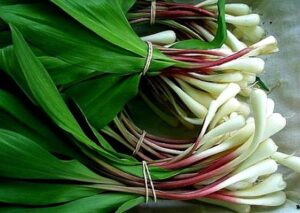
- Edible weeds
- Fruit-bearing trees
- Wild herbs
Challenges
But urban foraging necessitates increased understanding of:
- Pollution levels
- Legal restrictions
- Land ownership
In these contexts, scientific evaluation of soil and air quality is very crucial.
Incorporate with Food Safety Measures
Foraging provides insights into alternative food systems in a time of growing environmental concerns and population strain.
1. Supplement Nutrition
It can greatly enhance diets, especially in environments with limited resources, even if it cannot support huge populations on its own.
2. Resource for Emergencies
Foraging has historically been a vital backup plan in times of economic difficulty, conflict, or famine. It is still useful today as a resistance tactic.
Ethical Framework for Responsible Foraging
This process must be directed by ethical principles based on ecological science in order to maximize advantages while reducing harm.
Key Considerations
- Know the Species: Only gather plants that have been positively identified
- Harvest Sustainably: Don’t take more than a little portion of any population
- Respect Ecosystems: Respect ecosystems by causing as little disruption as possible to the surrounding vegetation, roots, and soil
- Follow Legal Regulations: Respect local rules pertaining to the collecting of plants
- Avoid Rare or Endangered Species: Preserve biodiversity by avoiding harmful plants.
The Sustainability for future
The global interest in sustainability, nutrition, and ecological awareness increases, foraging is likely to become more relevant. Scientific research continues to explore several key areas, including:
- Nutritional profiles of wild foods
- Ecological impacts of harvesting
- How foraging can be integrated into sustainable food systems
Additionally, technological advancements like plant identification apps and ecological mapping tools are making foraging more accessible to modern audiences.
Conclusion
Foraging is a scientifically supported practice having significant effects on ecological, human well-being, and nutrition. It is much more than a simple survival strategy. It provides access to nutrient-rich foods that are frequently better than produced substitutes, encourages sustainable resource management, and deepens understanding of biodiversity by reestablishing people with natural ecosystems.
However, the benefits of foraging can only be realized through informed and responsible practices. Foraging must continue to be a sustainable and advantageous activity, which requires scientific understanding, ethical consciousness, and respect for natural systems.
Foraging offers a route back to ecological equilibrium in a world that is increasingly cut off from the sources of its resources, reminding us that nature remains one of our most important allies when we approach it with respect and awareness.
Disclaimer
The content provided on this website is purely for educational purposes. We are neither nutritionists nor do we intend to mislead our readers by providing any medical or scientific information.