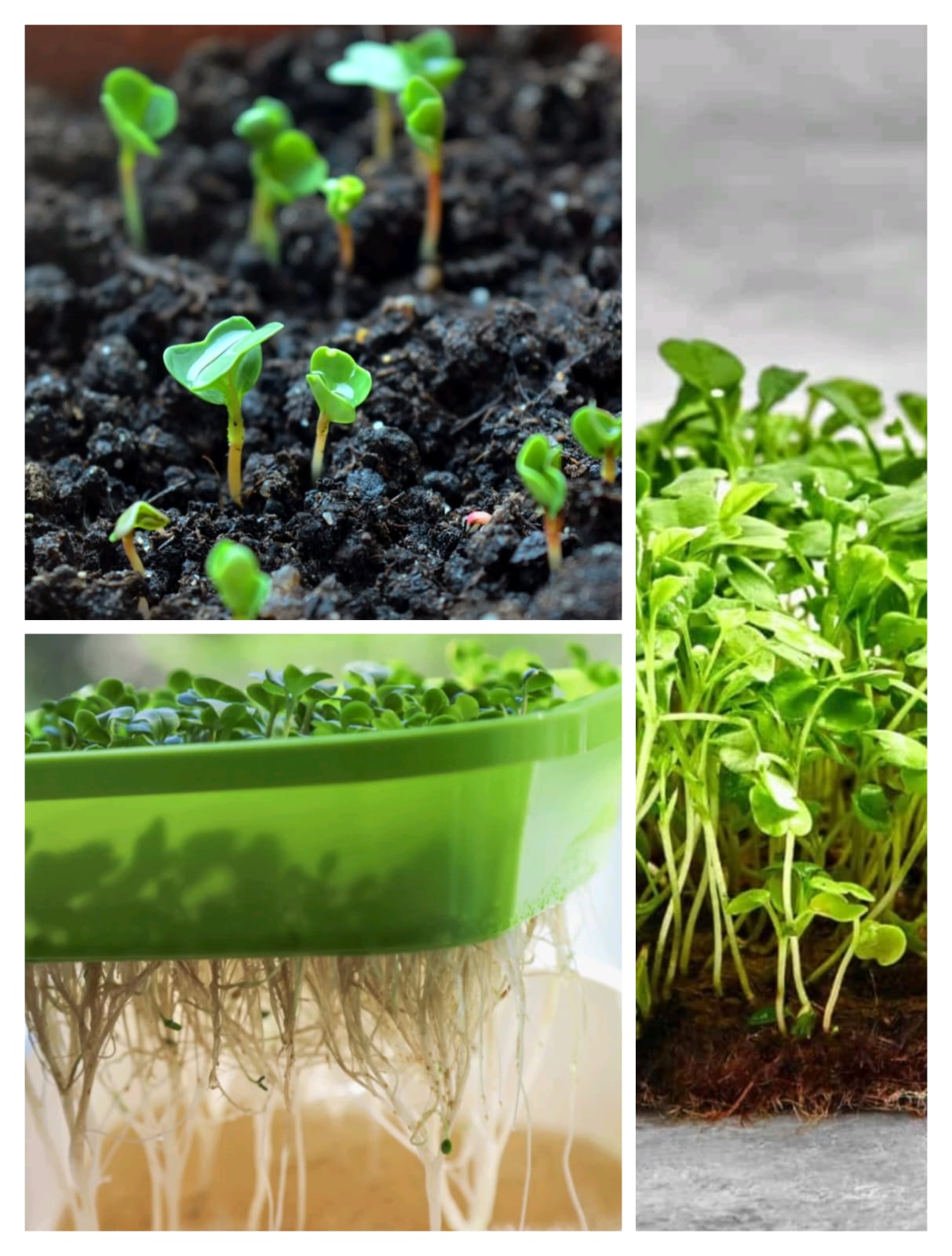
Microgreens 102: Soil vs. Hydroponic, Tremendous Pros & Cons
Introduction
Soil vs. hydroponic microgreens: a major debate. Farmers and gardeners can select the system that best suits their objectives by being aware of these variations, whether those objectives are easier cultivation, maximum yield, superior flavor, or environmental sustainability. For that matter let’s understand microgreens first. From a specialty garnish used in upscale dining establishments, microgreens have quickly spread around the world as nutrient-dense, quick-growing crops grown by home gardeners, chefs, and commercial farmers. These small seedlings are prized for their vivid tastes, concentrated nutrients, and brief life cycle. They are plucked shortly after the first genuine leaves appear.
Microgreens are among the fastest crops a gardener can develop, often reaching harvest in as little as 7–14 days. Growers started experimenting with various growth techniques to maximize output, flavor, sustainability, and nutritional value as microgreens gained popularity. Soil-based cultivation and hydroponic cultivation are now the two most used methods. While hydroponics completely removes soil and feeds plants with nutrient-rich water solutions, soil systems replicate conventional plant growth in organic or potting mixes.
The argument between soil and hydroponic microgreens is not about which approach is always superior for growers, particularly seasoned home gardeners. Rather, it involves comprehending the ways in which each system influences plant physiology, nutrient content, sustainability, flavor, and production efficiency. The growing medium affects microgreen shape, nutrient accumulation, and overall crop performance, according to a growing body of scientific study.
The science underlying soil vs. hydroponic microgreens is examined in this article, which also examines plant biology, nutritional dynamics, productivity, environmental sustainability, and farmers’ practical concerns.
The Biology of Early Plant Growth
It’s critical to comprehend microgreens from a botanical standpoint before comparing growth systems. The juvenile stage of vegetables and herbs is represented by microgreens, which are harvested once the cotyledons enlarge and the first real leaves appear. At this point, plants are gathering the nutrients needed for early growth and experiencing rapid metabolic activity.
The first stage of plant development is fueled by the accumulated reserves found in seeds, primarily proteins, lipids, and carbohydrates. A large portion of microgreens’ growth depends on these nutrients retained in the seeds rather than on external fertilizers because they are harvested early. This explains why microgreens frequently thrive on basic growing medium with nothing in the way of nutrient treatment.
However, plant metabolism, root formation, and metabolic pathways are still influenced by the growing medium. Soil vs. hydroponic research demonstrates that the phenolics, flavonoids, antioxidants, and mineral content of microgreens grown on various substrates vary.
Therefore, the environment surrounding their roots, such as soil bacteria or hydroponic nutrient solutions, can greatly influence the ultimate nutritional profile and sensory qualities of microgreens, despite the fact that they grow rapidly and heavily rely on seed reserves.
Soil-Grown Microgreens: A Traditional Yet Complex System
Natural Growing Environment
The most conventional and popular medium for plant growth is soil. When discussing microgreens, the term “soil” usually refers to sterile potting mixes, substrates made of compost, or mixtures that include organic matter, peat, coco coir, and perlite. These mixtures are made to retain moisture while allowing roots to breathe.
Soil is a biologically active habitat that includes microorganisms, including bacteria, fungi, protozoa, and nematodes, in contrast to hydroponic systems. These microorganisms have intricate interactions with plant roots that affect secondary metabolite production, plant immunity, and nutrient uptake.
Microbial interactions, for instance, might encourage plants to create protective substances like glucosinolates and polyphenols, which are bioactive chemicals that frequently add flavor and nutritional value. According to research, compared to other soilless substrates, soil-grown microgreens often have higher concentrations of specific minerals and vitamins.
One of the biggest benefits of soil is its microbial complexity, which enables plants to participate in biochemical interactions that resemble those found in natural ecosystems.
Nutritional Composition of Soil-Grown Microgreens
Microgreens produced in soil and those grown on other medium have been compared in a number of studies. Findings frequently show that some types of soil-grown plants have higher concentrations of nutrients like calcium, iron, vitamin C, and beta-carotene.
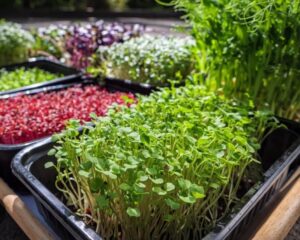
The soil’s ability to act as a barrier is one explanation for this variation. A steady environment for root development is created by the progressive release of nutrients by the organic matter and mineral particles found in soil. Mild environmental stressors, such as varying moisture levels or microbial competition, might cause plants growing in soil to produce more phytochemicals.
This stress response may be advantageous from a nutritional standpoint. As defense mechanisms, plants create secondary metabolites and antioxidants, which frequently improve flavor intensity and health benefits.
Flavor Complexity
Soil-grown microgreens are said by many farmers and chefs to have richer, more nuanced flavors. This notion is supported by scientific taste tests. Stronger aromatic chemicals and more noticeable varietal traits are typically produced by soil cultivation.
The presence of soil bacteria and the plant’s metabolic reactions to environmental cues are connected to this effect. Plants and microorganisms interact continuously in natural ecosystems, which can initiate chemical pathways that produce flavor and fragrance molecules.
Because of this, depending on the crop type, soil-grown microgreens frequently exhibit stronger peppery, sweet, or earthy flavors.
Advantages of Soil Cultivation
Soil continues to be the most straightforward and dependable growing technique for many home gardeners. Soil systems provide several useful benefits:
1: Simplicity
Soil-based cultivation typically demands minimal technological equipment, making it accessible for many growers. The primary essentials include trays to hold the plants, appropriate substrate to provide nutrients and support for growth, and a reliable water source to keep the soil adequately moist. Additionally, adequate light is crucial for photosynthesis and overall plant health, whether it’s natural sunlight or artificial grow lights. With these basic components, growers can successfully nurture a variety of plants in a soil environment.
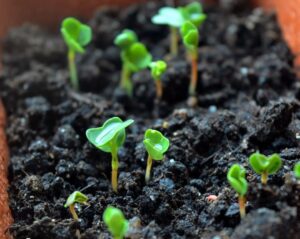
2. Natural nutrient buffering
When soil supplies nutrients steadily over time, the likelihood of experiencing nutrient imbalances diminishes significantly. This gradual delivery allows plants to absorb the necessary elements at a rate that aligns with their growth stages and nutritional needs, promoting healthier development and reducing the risk of deficiencies or toxicities that can arise from sudden fluctuations in nutrient availability.
3. Microbial benefits
In addition to enhancing plant health, beneficial microbes play a crucial role in increasing the nutrient density of crops. These microorganisms, which include bacteria and fungi, work symbiotically with plant roots to facilitate better nutrient uptake from the soil. By improving the availability of essential nutrients like nitrogen, phosphorus, and potassium, they not only help plants grow stronger and more resilient but also enhance the overall nutritional quality of the produce. This increased nutrient density can lead to more robust flavors and greater health benefits for consumers, making the relationship between plants and beneficial microbes vital for sustainable agriculture and food quality.
4. Richer flavor profiles
Chefs have a deep appreciation for the complex and richer flavors that are often produced by healthy soil systems. These nutrient-dense soils enhance the taste and quality of the ingredients, allowing for a more vibrant culinary experience. The interplay of minerals, organic matter, and microorganisms in the soil contributes to the unique flavor profiles of fruits, vegetables, and herbs, making them not only more delicious but also more aromatic. This connection between soil health and flavor quality is a critical consideration for chefs who aim to elevate dishes and truly engage the palates of their diners.
5. Lower startup costs
Soil farming is generally more accessible and requires less investment in infrastructure and specialized equipment compared to hydroponic systems. In traditional soil farming, basic tools such as shovels, hoes, and rakes can suffice for cultivation, as well as a simple irrigation system if necessary. On the other hand, hydroponic systems demand more complex setups, including specialized nutrient solutions, water pumps, grow lights, and often intricate control systems to maintain the optimal environment for plant growth. This difference makes soil farming a more straightforward option for many growers, particularly those in rural areas or individuals just starting out in agriculture.
Limitations of Soil Systems
Soil cultivation has benefits, but there are drawbacks as well.
1. Water Deficiency
One significant drawback of traditional soil-based cultivation systems is their water efficiency. In contrast to hydroponic recirculating systems, which are specifically designed to minimize water loss, soil systems tend to be less effective in preserving water resources. This inefficiency arises from two primary factors: evaporation and drainage. In soil systems, water can easily evaporate from the surface, especially in warmer climates or during hot weather, leading to considerable levels of water loss. Additionally, when water is absorbed by the soil, excess moisture can drain away, further contributing to the overall inefficiency in water usage.
2. Soil-borne Pathogens
Soil-borne infections are another issue. Microgreen crops may be impacted by bacteria or fungi introduced by contaminated soil. Sanitation and substrate quality are crucial because microgreens are harvested young and consumed fresh.
3. Cultivation
Lastly, in the context of commercial production systems, it is important to recognize that soil cultivation often requires a comprehensive process for cleaning and disposing of old growing materials. This cleanup may include the removal of spent plants, residual organic matter, and any other debris that could negatively impact soil health or hinder the growth of new crops. Additionally, the disposal of these materials must be conducted in an environmentally responsible manner, ensuring compliance with local regulations and sustainable practices. This may involve composting, recycling, or safely discarding materials to promote a healthy growing environment for future planting.
Hydroponic Microgreens: The Soilless Revolution
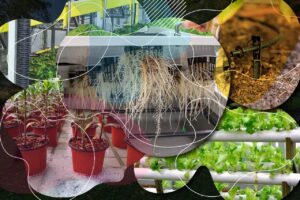
Hydroponics is a very distinct method of growing plants. Plants grow in water-based fertilizer solutions rather than soil, often with the help of inert substrates like rockwool, fiber mats, or coco coir.
Almost every factor influencing plant growth in hydroponic systems is under the grower’s control, including pH, oxygen levels, fertilizer concentration, and irrigation frequency.
How Hydroponic Systems Work?
Usually, hydroponic microgreens are grown on damp mats or trays where the roots take up nutrients straight from the water. Growers can precisely manage the root environment because there is no dirt. Essential elements, including nitrogen, phosphorus, potassium, calcium, and magnesium, are directly delivered to plant roots by water that has dissolved nutrients. Plants can effectively take nutrients without depending on microbial degradation because they are already dissolved. Growth is frequently accelerated, and crop consistency is enhanced in this controlled setting.
Growth Rate and Yield
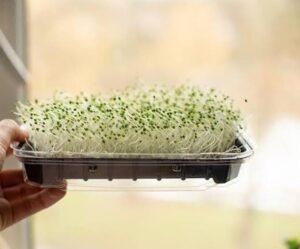
Hydroponic cultivation frequently results in faster growth and higher yields per square meter, especially in controlled environments like vertical farms. In hydroponics, roots receive constant access to water and nutrients, eliminating competition within the growing medium. This efficiency allows plants to allocate more energy toward shoot development and biomass production. For example, hydroponic leafy greens in controlled environments have been shown to produce significantly higher yields per square meter compared with soil-based systems.
For commercial microgreen producers, this yield advantage can translate into greater profitability and faster production cycles.
Water Efficiency and Sustainability
The exceptional water efficiency of hydroponics is one of its most well-known advantages. Because water is continuously recycled rather than wasted to evaporation or runoff, recirculating hydroponic systems can use up to 90% less water than conventional soil farming. Because of its effectiveness, hydroponics is especially useful for urban agriculture and areas with limited water resources.
Furthermore, vertical agricultural structures can incorporate hydroponic systems, allowing for great output in constrained space.
Nutritional Characteristics
The fertilizer solution and ambient factors affect hydroponic microgreens’ nutritional makeup. Research indicates that when compared to soil-grown plants, soilless microgreens may have comparable amounts of phenolics, flavonoids, and antioxidant activity. Hydroponic methods provide precise manipulation of plant nutrition since gardeners can customize nutrient solutions. Plant growth patterns, vitamin content, and mineral accumulation can all be affected by changing nutrient ratios.
When compared to their soil-grown counterparts, hydroponic microgreens occasionally exhibit higher carotenoid concentrations. As a result, hydroponics offers a very adaptable platform for maximizing nutritional composition.
Advantages of Hydroponic Systems
There are several key advantages associated with hydroponic microgreens:
1. Water efficiency
By employing recirculating systems, hydroponics can dramatically decrease water usage. These innovative systems minimize water waste by continuously cycling nutrient-rich solutions, ensuring that plants receive the moisture and nutrients they need while preserving precious water resources.
2. Higher productivity
Higher crop yields are often attained by utilizing closely spaced planting techniques combined with carefully managed environmental conditions. This approach maximizes the use of available resources, ensuring that each plant has sufficient access to light, nutrients, and water, ultimately enhancing overall productivity.
3. Faster growth cycles
The continuous availability of nutrients accelerates the growth and development of plants.
4. Cleaner production
Hydroponic systems, which operate without soil, significantly lower the risks of contamination, ensuring a cleaner growing environment for plants. This soil-less approach not only minimizes the potential for pests and diseases but also streamlines the harvesting process, making it more efficient and straightforward for growers.
5. Scalability
Hydroponics works seamlessly with vertical farming and controlled-environment agriculture, creating a synergistic relationship that enhances plant growth and resource efficiency. By utilizing nutrient-rich water solutions instead of soil, hydroponics allows for the cultivation of crops in structured, space-saving systems that can be stacked vertically. This method, combined with the precise climate regulation found in controlled-environment agriculture, optimizes conditions for plant development, ensuring consistent yields while minimizing water usage and reducing the need for pesticides. Together, these innovative agricultural practices pave the way for sustainable and productive farming in urban settings and beyond.
Challenges of Hydroponic Cultivation
Hydroponics has drawbacks despite its effectiveness.
1. Technical expertise and equipment
Technical expertise and equipment, including as pumps, reservoirs, nutrient solutions, and monitoring systems, are needed for the initial setup. When compared to soil cultivation, these technologies have higher initial expenses. Because hydroponics relies on mechanical and electrical components, it is susceptible to equipment failure.
2. Richness and Nutrients
plants may not produce the same rich flavor profiles that are occasionally linked with soil culture because hydroponic systems lack microbial variety.
Comparing Soil and Hydroponic Microgreens
It is helpful to compare these systems in a number of important ways in order to completely comprehend their differences.
Soil vs. Hydroponic: Yield and Growth Speed
Hydroponic microgreens often exhibit accelerated growth rates primarily due to the ideal conditions for nutrient uptake and root oxygenation. This method of cultivation provides an environment where young plants can efficiently access essential nutrients dissolved in water, fostering a robust growth trajectory. However, it’s important to note that the speed of growth can vary slightly from one crop to another. Many microgreens rely heavily on the nutrients stored within their seeds during the initial stages of growth, meaning that while hydroponics enhances overall development, the specific growth rates are still influenced by the characteristics of each particular species.
Nutritional Value
The results of scientific research on the nutrient content of hydroponic versus soil-grown crops display a notable lack of consistency. Some studies indicate that hydroponic microgreens contain comparable levels of antioxidants to their soil-grown counterparts. In contrast, other research findings suggest that soil-grown microgreens may possess elevated concentrations of essential minerals. This divergence in results highlights the complexity of agricultural practices and their varying impacts on nutritional quality.
Flavor

Soil systems tend to generate stronger and more complex flavor profiles in crops due to the beneficial microbial interactions that take place within the soil environment. These interactions often involve a diverse array of microorganisms that contribute to nutrient cycling and enhance plant health, ultimately resulting in heightened flavor intensity and depth. Additionally, plants grown in soil may experience various stress reactions, such as drought or nutrient competition, which can further concentrate their flavors.
In contrast, microgreens cultivated through hydroponic methods usually exhibit a cleaner and milder taste. This is largely because hydroponically grown plants receive optimal levels of nutrients and water directly, minimizing the environmental stress factors that can enhance flavor intensity. As a result, while hydroponic microgreens are known for their vibrant colors and freshness, their flavor profiles tend to be less robust compared to those grown in enriched soil environments.
Sustainability
Hydroponics demonstrates a remarkable efficiency when utilized in controlled environments, as it requires significantly less water and occupies far less space compared to traditional farming methods. This innovative cultivation technique allows for optimal growth conditions, leading to faster plant development and higher yields. On the other hand, soil farming presents a different set of advantages: it often relies less on industrial machinery and external energy sources, allowing for a more sustainable approach. This natural method utilizes the earth’s inherent nutrients, fostering a symbiotic relationship with the ecosystem while minimizing the carbon footprint associated with mechanized farming processes.
Which System Is Better for Home Gardeners?
Experienced home gardeners frequently base their decision between hydroponic and soil microgreens on personal preferences rather than rigorous scientific superiority. Soil culture may be preferred by a gardener who values flavor, simplicity, and organic growth practices. However, someone who values creativity, accuracy, and high output can find hydroponic system experimentation enjoyable.
In the end, a lot of producers take a hybrid strategy, using hydroponic systems for large-scale production and soil for specialty or small-scale crops.
The Future of Microgreen Cultivation
Soil and hydroponic microgreens will be crucial components of sustainable food systems as urban agriculture grows.
Automation, sensors, and controlled-environment farming are driving the rapid advancement of hydroponic technology. Growers can now monitor plant health, modify fertilizer delivery, and regulate climatic conditions with previously unheard-of precision thanks to these advancements.
Regenerative agriculture, living soil systems, and microbial inoculants that improve plant health and nutrient density are all contributing to the evolution of soil-based farming.
Hybrid growth media, which combine the microbiological advantages of soil with the effectiveness of soilless substrates like coco coir or compost-based mixes, are becoming more and more popular among researchers.
Conclusion
There is no clear winner in the comparison between soil and hydroponic microgreens. Rather, it draws attention to two different methods of growing plants, each based on a different agricultural philosophy. While hydroponic systems prioritize accuracy, efficiency, and scalability, soil cultivation places more emphasis on ecological diversity, microbial interactions, and flavor development. According to scientific studies, both techniques can yield extremely nutritious microgreens, but, depending on the growing medium and environmental factors, variations in mineral composition, antioxidant levels, and flavor may occur.
The ideal system for gardeners is the one that supports their objectives. The rich flavors and ease of use of soil-grown microgreens may appeal to those who like dealing with living soil. Hydroponics may be preferred by those who find regulated settings and technical innovation fascinating. In the end, microgreens highlight a crucial reality of contemporary agriculture: there is no one right way to produce nutritious food. These microscopic plants, whether grown in soil or water, are a potent combination of science, sustainability, and inventive cooking.
Disclaimer
The content provided on this website is purely for educational purposes. We are neither nutritionists nor do we intend to mislead our readers by providing any medical or scientific information.