Berries 101: Exclusive Tips & Tricks To Grow
Introduction
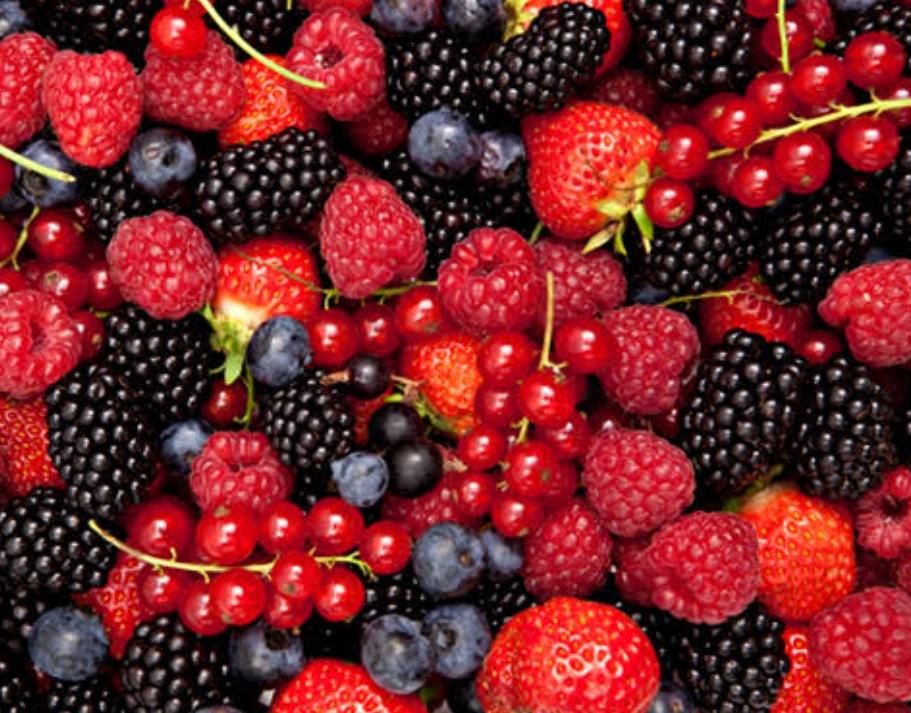
Among the most intriguing fruits in the kingdom of plants are berries. These vibrant fruits have drawn the interest of home gardeners, agricultural experts, and nutritionists because to their small size and high nutritional content. Berries, from colorful strawberries in family gardens to massive blueberry farms serving international markets, are the ideal combination of economic potential, sustainability, and health. Their varied growth habits make them appropriate for both small home gardens and commercial agriculture, and their vivid hues indicate the presence of potent bioactive chemicals.
They are rich in vitamins, fiber, and plant-based components like polyphenols and anthocyanins, which are linked to a lower risk of diabetes, cardiovascular disease, inflammation, and cognitive decline, according to a scientific study. They are the most lucrative fruit types in contemporary horticulture due to their combination of agricultural versatility and health advantages.
There exists an overwhelming variety of berry types, and it would require an entire book or more to delve into comprehensive details regarding them. This blog explores these small, delectable fruits from both a scientific and agricultural perspective, covering aspects such as biology, different varieties, nutritional benefits, environmental requirements, and particular production methods for certain berries, catering to both professional farmers and home gardeners.
Understanding What Berries Really Are?
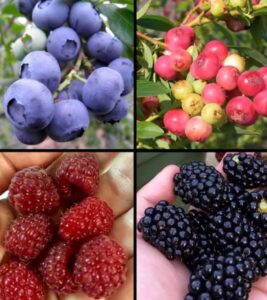
According to botanical definitions, a berry is a fruit with seeds embedded in the flesh that is generated from a single ovary. Although some are technically aggregate fruits, in popular parlance, they include strawberries, raspberries, blueberries, and blackberries.
According to science, they are members of several plant families, some examples are:
- Rosaceae (strawberries, raspberries)
- Ericaceae (blueberries, cranberries)
- Moraceae (mulberries)
- Grossulariaceae (currants and gooseberries)
This variety explains why berries thrive in a variety of soil types and climates.
From an agronomic standpoint, berries fall into:
- Real ones, such as cranberries and blueberries
- Combine berries (blackberries, raspberries)
- Fruits as accessories (strawberries)
Because each kind has distinct root systems, pollination requirements, and soil requirements, an understanding of this taxonomy aids farmers and gardeners in properly managing cultivation operations.
Nutritional and Scientific Importance
Because they include a special blend of bioactive chemicals, they are extensively researched in nutritional science. These substances affect neurological, cardiovascular, and metabolic health at the cellular level.
Studies reveal that these flavorful fruits are high in:
- Anthocyanins
- Flavonoids
- Phenolic acids
- Vitamin C
- Fiber
- Potassium
- Antioxidants
These substances support antibacterial, anti-inflammatory, and antioxidant qualities. Their red, purple, and blue hues are caused by pigments called anthocyanins, which are important for enhancing cardiovascular health and shielding cells from oxidative damage.
Additionally, studies show that regular berry eating is linked to better glucose metabolism, a lower risk of heart disease, and enhanced cognitive performance. This scientific data explains why they are frequently classified as superfoods or useful foods.
Health Benefits
1. Cardiovascular Protection
Berry polyphenols lessen oxidative stress in arteries and enhance blood vessel function. Regular consumption of berries high in anthocyanins is linked to a decreased risk of heart attacks and hypertension, according to long-term research.
The mechanism involves:
- Improved endothelial function
- Decreased inflammation
- Reduced oxidation of LDL
- Improved blood flow
These tiny fruits play a vital role in maintaining heart health and should be considered a fundamental component of a heart-healthy diet. Rich in antioxidants, vitamins, and fiber, these colorful fruits contribute to reducing inflammation, improving blood vessel function, and lowering cholesterol levels. Regular consumption of various types, such as blueberries, strawberries, raspberries, and blackberries, can support overall cardiovascular health and help protect against heart disease.
2. Brain and Cognitive Health
Their antioxidant activity promotes cerebral function. Regular berry consumption may slow down cognitive aging and enhance memory function by lowering oxidative damage to brain cells, according to research.
Anthocyanins are beneficial for:
- Boost the signaling of neurons
- Decrease brain tissue inflammation
- Prevent cognitive deterioration brought on by aging
This fruit holds significant value for aging populations due to its rich nutritional profile and health benefits. Its abundance of vitamins, minerals, and antioxidants can support overall well-being and promote a healthier lifestyle as individuals age.
3. Diabetes and Blood Sugar Control
These bounties are not only delightful, but they also boast a low glycemic index, making them an excellent choice for those looking to manage their blood sugar levels. Additionally, their high fiber content contributes to digestive health and helps maintain a feeling of fullness. Scientific research has revealed that the anthocyanins, the natural pigments found in the fruit, play a significant role in enhancing insulin sensitivity and optimizing glucose metabolism, providing further health benefits.
This helps:
- Control blood sugar levels
- Cut down on insulin resistance
- Promote the health of your metabolism
Strawberries and blueberries are not just delicious; they’re also packed with incredible benefits that make them stand out. Adding these vibrant fruits to your diet can work wonders for your health!
4. Gut Health and Immunity
These nutritional powerhouses serve as prebiotic foods that effectively nourish and support beneficial gut bacteria. Prebiotics, which are specific types of dietary fiber, play a crucial role in maintaining a balanced gut microbiome by providing the necessary fuel for the growth and activity of these advantageous microorganisms. Additionally, polyphenols, which are naturally occurring compounds found in various fruits, vegetables, and other plant-based foods, engage in complex interactions with gut microbiota. These interactions are vital for promoting healthy digestion and regulating immune function. By enhancing the diversity and activity of gut bacteria, polyphenols contribute to improved digestive health and can help bolster the body’s immune response, making them an essential component of a nutritious diet.
This contributes to:
- Improved absorption of nutrients
- An enhanced immunological response
- Decreased inflammation
Major Types of Berries
There are over 400 known species of this bounty worldwide, ranging from common staples like strawberries and blueberries to exotic varieties like acai and goji. Their small, fleshy nature characterizes them, and they are highly valued for their varied flavors, nutritional benefits, and rich antioxidant content. As previously stated in this blog, we are presenting only a few well-known types. In future blogs, we will explore additional types in greater detail and provide more information. Therefore, please stay tuned!
1. Strawberries
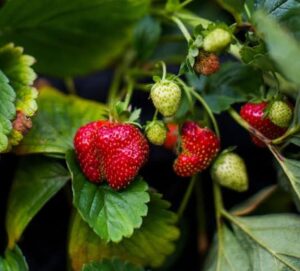
They are one of the most extensively cultivated types globally, celebrated not only for their vibrant red color and sweet flavor but also for their impressive nutritional profile. These delicious fruits are an excellent source of essential Vitamin C, which plays a vital role in boosting the immune system and promoting healthy skin. Additionally, strawberries are rich in folate, a crucial B-vitamin that supports cell function and tissue growth, making them particularly beneficial for pregnant women.
Strawberries are packed with dietary fiber and help promote digestive health and maintain a feeling of fullness, which can aid in weight management. Furthermore, these succulent powerhouses are loaded with antioxidants, which help combat oxidative stress and may reduce the risk of chronic diseases. In summary, strawberries are not only a delightful addition to many dishes but also a powerhouse of nutrition.
2. Blueberries
Blueberries are renowned for their impressive levels of anthocyanins, the vibrant pigments responsible for their deep blue hue and numerous health benefits. These delectable fruits thrive best in acidic soil conditions and prefer cooler climates, making them well-suited for specific regions.

They are extensively cultivated across various continents, with significant production in:
- North America, where many farms focus on both commercial and home gardening.
- Europe, where they have gained popularity as a nutritious snack and ingredient in various cuisines.
- Asia, where cultivation is expanding rapidly to meet rising demand.
In fact, blueberries are among the most extensively studied fruits regarding their potential health benefits, renowned for their antioxidant properties and positive effects on overall wellness.
3. Raspberries

Raspberries are exquisite, delicate fruits known for their vibrant color and rich, tangy flavor. Packed with dietary fiber and a wealth of vitamins, they offer numerous health benefits. These charming bounties grow on slender canes that thrive best when supported by trellising, allowing for optimal sunlight and air circulation. Versatile in nature, raspberries are an excellent choice for both small-scale farms and home gardens, adding a touch of beauty and nutrition to any outdoor space.
4. Blackberries
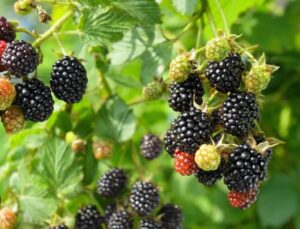
Blackberries are resilient and prolific plants, well-suited to thrive in a wide range of soil types and climatic conditions. Their adaptability makes them a favorite among farmers and gardeners alike, as they are often cultivated on a commercial scale due to their impressive yields. With the ability to produce abundant, sweet, and juicy fruits, blackberries not only add flavor to dishes but also contribute significantly to agricultural productivity. Their robust nature ensures that, with proper care, they can flourish and provide bountiful harvests year after year.
5. Mulberries
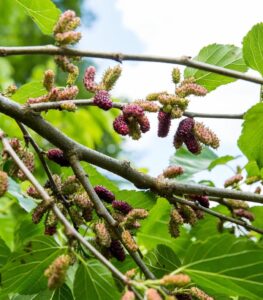
Mulberries grow on trees, offering a striking presence in landscapes instead of the typical shrubs. These resilient trees are notably drought tolerant, making them an excellent choice for warmer regions where water conservation is essential. They bear an abundance of sweet, juicy fruit with very little maintenance required, ensuring a bountiful harvest season after season. Their lush foliage and generous fruiting capacity make them a delightful addition for both home gardens and larger orchards.
Climate Requirements for Berry Cultivation
These fruits thrive best in certain climate conditions that are essential for producing high-quality fruit. These specific environmental factors play a crucial role in their growth and development.
General climate needs include:
- 59–77°F (15–25°C) is a moderate temperature.
- Sufficient sunlight
- Adequate ventilation
- For certain species, winter chilling
Blueberries and strawberries thrive best in cooler, temperate climates, where the crisp air and moderate temperatures allow them to flourish. In contrast, mulberries are more adaptable and can withstand warmer conditions, making them a resilient choice for those in hotter regions. Therefore, it is essential for farmers to carefully select berry varieties that align with their local climate conditions to ensure a bountiful harvest.
Soil Requirements
The quality of soil plays a crucial role in the successful cultivation of berries. Rich, nutrient-dense soil provides the essential foundation that supports healthy plant growth, ensuring that these gems flourish and develop their full flavor potential. Healthy soil not only retains moisture but also fosters a diverse ecosystem of microorganisms that enhance nutrient availability for the plants. Thus, understanding and nurturing the soil is fundamental to achieving a bountiful berry harvest.
The following are ideal soil conditions:
- Soil that drains well
- Most berries have rich organic content and a pH of 5.0 to 6.5
- Blueberries prefer acidic soil (4.5–5.5)
Water retention and soil fertility are enhanced by organic compost. Soil testing is crucial for professional farming before planting.
Tips for Home Gardeners
Home gardeners can successfully grow these plants with simple techniques discussed as follows:
Choosing the Right Variety
When selecting berry varieties for cultivation, it’s important to consider several key factors:
- Climate: Different types thrive in specific climatic conditions. For instance, strawberries prefer a temperate climate, while blueberries require a cooler environment with adequate winter chill. Consider average temperatures, seasonal variations, and rainfall patterns in your area to choose berries that will grow best in your local climate.
- Space Availability: Assess the amount of space you have for planting. Some berry plants, like raspberries and blackberries, can spread vigorously and require more room, while others, like strawberries, can be grown in smaller spaces or containers. Plan your garden layout to accommodate the growth habits and space needs of the berries you choose.
- Soil Type: The type of soil in which you plant your berries plays a significant role in their growth and productivity. Most berries prefer well-drained, loamy soil rich in organic matter. Conduct a soil test to determine pH levels and nutrient content and amend the soil as necessary to create an ideal growing environment for your selected berry varieties.
By carefully considering these factors, you can successfully grow a thriving berry garden tailored to your unique conditions. For small gardens, strawberries and raspberries are ideal. For larger yards, blueberries and mulberries work well.
Planting Method
To successfully prepare your garden, start by enriching the soil with a generous layer of compost, which will provide essential nutrients for your plants. Ensuring good drainage is crucial; consider testing your soil or amending it to prevent waterlogging. The ideal time for planting is either early spring or fall when temperatures are moderate and favorable for growth.
As you plant, be mindful of proper spacing between each seedling to allow for adequate airflow and growth, helping to prevent overcrowding. Regular watering is essential; aim to keep the soil consistently moist but not soggy. Additionally, applying a layer of mulch around your plants not only helps retain moisture in the soil but also works effectively to suppress weeds, making it easier to maintain a healthy garden environment.
Watering Strategy
Berries thrive best when they receive a steady supply of moisture in the soil, creating the ideal environment for their roots to develop. However, it’s crucial to strike a balance, as excessive watering can lead to root rot, a condition that can quickly jeopardize the health of the plants. To promote optimal growth, consider using drip irrigation systems or adopting a slow watering method, which allows the water to penetrate the soil gradually. Watering deeply but infrequently is the key; this approach encourages the roots to grow downwards, seeking moisture while ensuring they remain healthy and robust.
Fertilization
Organic fertilizers are highly recommended for gardeners looking to nurture their plants naturally. Utilizing compost, manure, bone meal, and seaweed extract can significantly enhance soil fertility and overall plant health. It is important to be cautious with nitrogen levels, as excessive nitrogen can negatively impact fruit production. By focusing on balanced organic inputs, gardeners can promote robust growth and fruitful yields.
Pest and Disease Management
Common pests that can affect plants include aphids, mites, and various fungal diseases. To combat these issues organically, several effective solutions are available, such as using neem oil, practicing companion planting, and ensuring proper spacing between plants. Additionally, maintaining healthy soil is crucial, as it significantly reduces the risk of disease.
What Can Professional Farmers Do?
Advanced planning and scientific management are necessary for commercial berry growing.
Site Selection
Professional farmers need to carefully evaluate several critical factors to ensure successful crop production. Climate suitability is paramount; they must assess the local weather patterns, temperature ranges, and seasonal variations that can impact plant growth. Soil quality is equally essential; fertile soil rich in nutrients and organic matter will support healthy crops, while poor soil may hinder productivity. Access to water is another vital consideration; reliable irrigation or proximity to natural water sources can mean the difference between a thriving farm and one that struggles.
Additionally, farmers should think about market access—being close to distribution networks, and consumers can significantly affect their profitability. Ideally, farmers seek out flat, well-drained land, as this minimizes waterlogging risks and optimizes conditions for planting and harvesting.
High-Density Plantation
Contemporary berry farms have embraced high-density planting systems, a revolutionary agricultural technique that offers a multitude of advantages. This approach allows for an increase in berry yield, maximizing the production potential of each plot of land. By utilizing space more efficiently, farms can cultivate a greater number of plants in a smaller area, ultimately leading to improved land use. Additionally, high-density planting facilitates more effective harvesting strategies, making the process faster and less labor-intensive. Together, these benefits can significantly enhance the profitability of berry farming, ensuring a more sustainable and lucrative operation.
Irrigation Systems
Professional farmers implement advanced irrigation techniques such as drip irrigation and sprinkler systems, alongside soil moisture monitoring technologies. Drip irrigation delivers water directly to the roots of plants through a network of tubes, minimizing evaporation and runoff. Sprinkler systems emulate natural rainfall, providing even distribution of water over crops. By closely monitoring soil moisture levels, farmers can tailor their irrigation practices to meet the specific needs of their crops.
This efficient approach to irrigation not only conserves valuable water resources but also enhances the quality and flavor of the fruits produced, ensuring a bountiful and sustainable harvest.
Fertilizer Management
Farmers utilize balanced fertilizers that are specifically formulated according to the results of comprehensive soil testing. This testing process allows them to analyze the nutrient composition of their soil, identifying any deficiencies or excesses in essential elements such as nitrogen, phosphorus, and potassium. By applying the right type and amount of fertilizer tailored to the unique needs of their soil, farmers can enhance crop health, improve yields, and promote sustainable agricultural practices.
Key nutrients include:
- Nitrogen
- Phosphorus
- Potassium
- Calcium
- Magnesium
Unlock the secret to bigger, sweeter fruits with the power of micronutrients! These tiny but mighty nutrients can enhance the size and flavor of your harvest, transforming ordinary produce into something truly delicious.
Pollination Management – It is essential for berry production.
Bees and various insects are essential to the ecosystem, particularly in agriculture. To enhance crop yields, farmers frequently introduce colonies of honeybees to their fields. These diligent pollinators work tirelessly, transferring pollen from flower to flower, which significantly improves the pollination process. As a result, this natural aid leads to the development of larger, more vibrant fruits, boosts overall production levels, and elevates the quality of the harvest. The harmonious relationship between bees and plants is vital for sustaining a bountiful and nutritious food supply.
Harvesting Techniques
Berries are delicate fruits that require careful harvesting to maintain freshness and nutritional value. Their fragile skin and high moisture content make them susceptible to damage and contamination. Hand picking is the preferred method for high-value berries like strawberries and raspberries, as it minimizes bruising. For larger farms, mechanical harvesting is becoming common for blackberries and blueberries, where machines gently shake the plants to collect ripe fruit, reducing labor costs.
After harvesting, these should be stored in cold conditions to slow respiration and microbial growth, preserving texture, flavor, and antioxidant content. Proper harvesting and post-harvest handling are essential for quality, shelf life, and market value.
Conclusion
Berries are more than simply vibrant fruits; they are a potent blend of sustainability, agriculture, and nutrition. Through bioactive substances like anthocyanins and polyphenols, scientific study validates their role in enhancing cardiovascular health, promoting cognitive function, controlling blood sugar, and bolstering immunity.
Berries are a flexible crop that may be grown in both huge commercial farms and small home gardens. While professional farmers can create profitable and sustainable agricultural systems with careful planning and cutting-edge technology, home gardeners can enjoy fresh, organic berries with little effort.
This will continue to be essential to agricultural development and human nutrition as awareness of sustainable farming and healthful eating grows on a worldwide scale. These tiny fruits have immense potential for the future of farming and food, whether they are grown in a backyard or over acres of land.
Disclaimer
The content provided on this website is purely for educational purposes. We are neither nutritionists nor do we intend to mislead our readers by providing any medical or scientific information.