Chia Seeds: Enriched With 2 Exclusive Fiber Types
Introduction
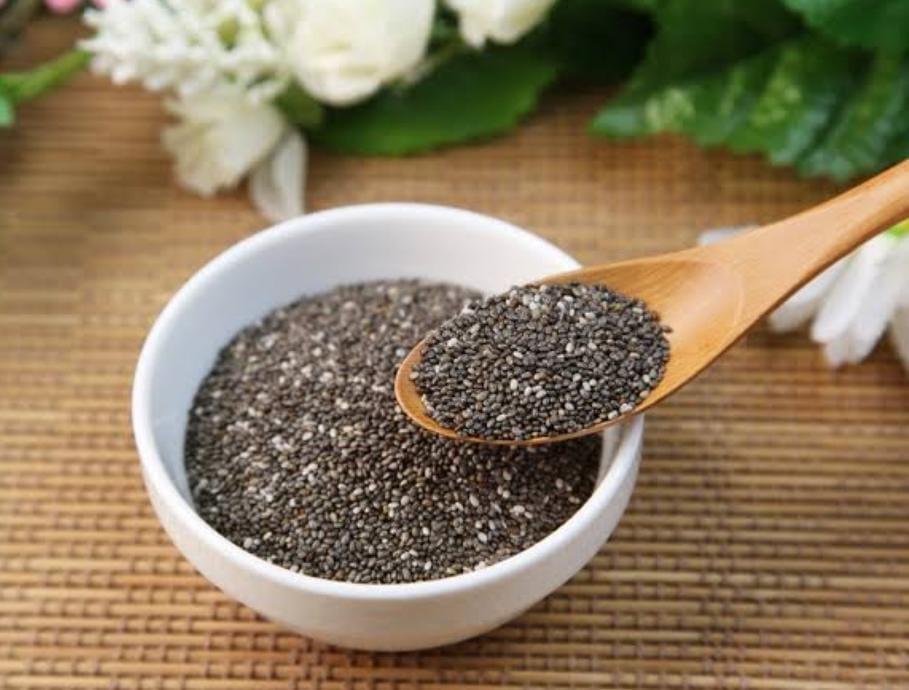
Once a staple of ancient civilizations’ diets, chia seeds (Salvia hispanica) are now among the most scientifically proven superfoods. Certain foods continue to stand out in the rapidly changing field of nutrition science, not because of marketing fads but rather because thorough study consistently demonstrates their outstanding health benefits. Chia seeds provide an exceptional concentration of nutrients that affect gut microbiology, metabolic health, cardiovascular function, inflammatory regulation, and long-term illness prevention despite their small size.
This blog examines chia seeds from a scientific perspective, looking at their physiological impacts, biochemical makeup, and evidence-based health advantages. The information is presented in an approachable and interesting manner for contemporary readers.
Botanical and Historical Background
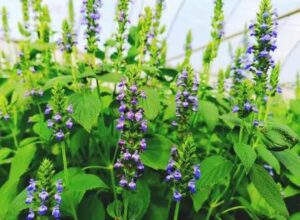
Salvia hispanica, a flowering plant in the mint family (Lamiaceae), is the source of chia seeds. Chia is indigenous to Central and Southern Mexico and was widely grown by the Mayans and Aztecs. The Mayan word “chia,” which means “strength,” refers to the seed’s function as a major source of energy for laborers, warriors, and messengers.
Chia seeds are categorized as oilseeds rather than grains from a botanical standpoint. This distinction is crucial since lipid-based bioactive molecules, not starch, are primarily responsible for their nutritional impact.
Exceptional Nutrient Density
The exceptionally high nutritional density of chia seeds in relation to their caloric content is one of its distinguishing features. A typical serving of 28 grams, or roughly two tablespoons, offers:
- Superior plant protein with necessary amino acids
- Over 30% of daily needs for dietary fiber
- Alpha-linolenic acid (ALA), an omega-3 fatty acid
- Large concentrations of iron, zinc, phosphorus, calcium, and magnesium
- Antioxidant substances and polyphenols
Foods that provide several vital nutrients at once are linked to better metabolic efficiency and a lower risk of nutrient shortages, according to nutritional science.
Omega-3 Fatty Acids and Cardiovascular Protection
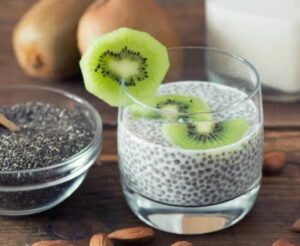
One of the best plant-based sources of omega-3 fatty acids, especially alpha-linolenic acid (ALA), is chia seeds. ALA is essential for cardiovascular health since it:
- Lowering inflammation throughout the body
- Endothelial function support
- Reducing LDL cholesterol to improve lipid profiles
- Enhancing the flexibility of arteries
Diets high in ALA are linked to a lower risk of coronary heart disease, according to clinical research. Chia-derived ALA is a vital substitute supply of cardioprotective lipids because, in contrast to marine omega-3s, it is appropriate for vegetarian and vegan populations.
Fiber Content and Digestive Health Optimization
Dietary fiber, which contains both soluble and insoluble portions, accounts for about 80% of the carbohydrates in chia seeds. Comprehensive digestive advantages are offered by this dual fiber composition.
Soluble Fiber
When chia seeds absorb water, they form a viscous gel rich in soluble fiber. This gel:
- Slows Gastric Emptying: This process involves delaying the rate at which the stomach releases its contents into the small intestine. By slowing gastric emptying, nutrients are absorbed more gradually, which helps prevent rapid spikes in blood sugar and improves overall digestive efficiency.
- Stabilizes Post-Meal Blood Glucose Levels: After eating, it is common for blood sugar levels to fluctuate. However, certain compounds can help maintain steadier blood glucose levels following meals. This stabilization reduces the risk of hyperglycemia (high blood sugar) and may contribute to better long-term metabolic health.
- Enhances Satiety Signaling: This refers to the mechanisms that promote a feeling of fullness after eating. By enhancing the signaling pathways that indicate satiety, individuals are less likely to overeat, which can assist in weight management and prevent excessive caloric intake.
Insoluble Fiber
The insoluble component supports:

- From a gut health perspective, chia fiber serves as an important prebiotic substrate, providing nourishment for beneficial microorganisms in the gastrointestinal tract. Specifically, chia fiber supports the growth and activity of advantageous bacteria, particularly species belonging to the Lactobacillus and Bifidobacteria genera.
- The stool showed a significant increase in both volume and density, resulting in a substantial increase in its overall bulk. This enhancement in size and weight not only made the stool more robust but also contributed to its stability and presence within the space. The thicker structure suggested improved durability, indicating that it could withstand greater use and support a heavier load without compromising its integrity.
- A reduced likelihood of developing diverticular diseases and experiencing constipation. This can be attributed to a higher intake of dietary fiber, which promotes regular bowel movements and overall digestive health. Eating a balanced diet rich in fruits, vegetables, whole grains, and legumes can significantly lower the risk of these conditions by ensuring proper intestinal function and preventing the formation of diverticula.
From the standpoint of the gut microbiota, chia fiber functions as a prebiotic substrate that specifically feeds advantageous bacteria like Lactobacillus species and Bifidobacteria.
Blood Sugar Regulation & High-Quality Plant Protein
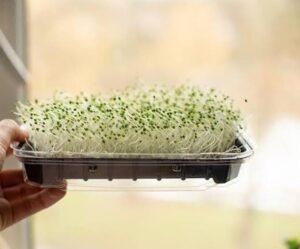
Nutritional research places a lot of emphasis on glycemic management, especially in populations where type 2 diabetes is becoming more common. Chia seeds support glucose homeostasis in a number of ways:
- Carbohydrate digestion is slowed by gel formation
- Fiber lowers rates of glucose absorption
- Insulin sensitivity is improved by omega-3s
- Enzymatic glucose metabolism is aided by magnesium
Chia seeds are a beneficial dietary component for people with insulin resistance or metabolic syndrome since human studies shown that adding them to meals considerably lowers postprandial blood sugar rises.
Mineral Bioavailability and Bone Strength
Minerals linked to bone health are abundant in chia seeds. They have significant amounts of phosphorus, more calcium than milk, and more magnesium than many leafy greens. These minerals cooperate to:
- Boost the density of bone minerals
- Encourage nerve transmission and muscular contraction
- Lower the chance of developing osteoporosis
Chia seeds mineral content is especially accessible since they are naturally low in oxalates, which are substances that prevent the absorption of calcium in many plant-based diets.
Antioxidant Profile and Cellular Protection
The development of chronic diseases and aging are significantly influenced by oxidative stress. Numerous antioxidant chemicals are found in chia seeds, such as:
- Acid chlorogenic
- Acid caffeine
- Quercetin
- Kaempferol
These polyphenols preserve DNA integrity, counteract free radicals, and shield cellular membranes from lipid peroxidation. Frequent consumption of foods high in antioxidants, such as chia seeds, has been linked to a lower risk of neurodegeneration, cardiovascular disease, and some types of cancer.
Weight Management and Appetite Regulation
Chia seeds’ special blend of fiber, protein, and fat has made them popular in weight-management studies. Together, these elements use hormonal signals to affect hunger regulation.
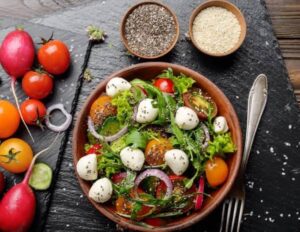
Among the physiological impacts are:
- Elevated satiety hormone release (GLP-1, peptide YY)
- Decreased calorie consumption without sacrificing nutrients
- Enhanced metabolic effectiveness
Chia seeds promote sustained weight management by increasing fullness rather than artificially suppressing hunger, in contrast to restrictive diets.
Anti-Inflammatory Effects
One of the main causes of autoimmune and metabolic diseases is persistent low-grade inflammation. Chia seeds’ omega-3 fatty acids and polyphenols reduce inflammation by regulating the generation of cytokines and blocking pro-inflammatory pathways including NF-κB activation.
This immunomodulatory impact encourages:
- Joint well-being
- Decreased chance of developing inflammatory bowel diseases
- Improved immunological equilibrium as opposed to immunological overstimulation
Hydration, Electrolyte Balance, and Endurance Support
In water, chia seeds can absorb up to 10–12 times their weight, creating a hydrogel that gradually releases fluids throughout digestion. In sports nutrition, this characteristic has garnered interest.
Advantages consist of:
- Enhanced retention of hydration
- Long-term release of energy
- Improved performance in endurance
This explains why long-distance runners in ancient societies ate chia seeds, a habit that is now supported by contemporary physiology.
Brain Health and Cognitive Support
Healthy fats and vitamins are essential for the human brain to function at its best. Through enhanced vascular circulation and anti-inflammatory benefits mediated by omega-3 fatty acids, chia seeds indirectly support cognitive health.
Recent studies connect ALA consumption to:
- Decreased chance of cognitive deterioration
- Enhanced memory functionality
- Improved integrity of the neuronal membrane
Current research supports chia seeds as a component of a diet that benefits the brain, while additional research is needed.
Safety, Digestibility, and Optimal Consumption
When properly hydrated, chia seeds are generally safe to eat on a daily basis. It is advised to gradually introduce them into the diet due to their high fiber content in order to avoid gastrointestinal distress.
Among the best practices in science are:
- Soaking seeds prior to eating
- Sufficient consumption of fluids
- Moderate serving sizes
Chia seeds are very digestible and appropriate for all ages when prepared properly.
Sustainability and Environmental Advantages
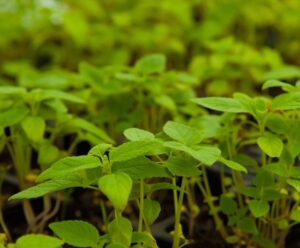
Beyond human health, chia seeds align with sustainable agriculture principles. The plant requires relatively low water input, grows well in diverse climates, and contributes to biodiversity.
From an environmental nutrition perspective, chia seeds represent a low-impact, high-nutrition food source—an important consideration in global food security discussions.
Why Chia Is a Sustainable Crop for Home Gardens
Chia plants are well-suited to semi-arid environments, making them one of the most resource-efficient edible crops for home gardeners. From a sustainability perspective, chia offers several advantages:
- Low water requirements compared to conventional seed crops
- Minimal fertilizer needs, thriving in moderately fertile soils
- Strong pest resistance, which reduces the need for chemical interventions
- High yield per square meter, making it ideal for small gardens
Scientifically, crops that require fewer external inputs help reduce soil degradation, lower carbon emissions, and enhance long-term soil health.
Climate and Growing Conditions
Chia (Salvia hispanica) is a warm-season annual plant that flourishes under specific but easily achievable conditions.
Ideal Climate
- Optimal growth temperature: 60–80°F (16–26°C)
- Requires a frost-free growing period of approximately 90–120 days
- Performs best in full sun, receiving at least 6–8 hours of direct light
Chia is photoperiod-sensitive, meaning flowering is triggered by shorter days. This makes late summer to early autumn a critical phase in seed development.
Soil Preparation and Plantation Methods
Soil Requirements
Chia prefers:
- Well-drained, loamy or sandy-loam soil
- Slightly acidic to neutral pH (6.0–7.5)
- Soil rich in organic matter but not overly nitrogen-heavy
Excess nitrogen encourages leaf growth while reducing seed production, so it is important that compost is mature and balanced rather than fresh or high in manure. Excess nitrogen encourages leaf growth while reducing seed production, so it is important that compost is mature and balanced rather than fresh or high in manure.
Plantation (Sowing)
- Chia seeds should be sown directly into the soil because they do not transplant well.
- Plant them after the last frost, once the soil temperature exceeds 59°F (15°C).
- Scatter the seeds lightly or sow them in shallow rows.
- Cover the seeds with no more than 0.19 – 0.22 inches (5-6 mm) of soil, as chia seeds require light to germinate.
Germination usually takes place within 5 to 10 days.
Conclusion
Chia seeds serve as an excellent example of how nutritional value does not correlate with size. Packed with omega-3 fatty acids, fiber, protein, minerals, and antioxidants, chia seeds are beneficial to nearly every major physiological system in the human body.
Their advantages go beyond just personal health; they also contribute to environmental sustainability and dietary inclusivity. Whether used for cardiovascular support, metabolic balance, digestive health, or long-term disease prevention, chia seeds truly deserve their reputation as a superfood—grounded in ancient knowledge and validated by modern science.
Disclaimer
The content provided on this website is purely for educational purposes. We are neither nutritionists nor do we intend to mislead our readers by providing any medical or scientific information.