Chrysanthemums: 4 Exclusive Tips for Home Gardeners
Introduction
The blossoms of chrysanthemums, which are formally classified under the genus Chrysanthemum (family Asteraceae), are more than just ornamental symbols of autumn; they have centuries of ethnobotanical value, a variety of medicinal compounds, and remarkable culinary diversity. Chrysanthemums fall into this category as people around the world rediscover plant-based nutrition. Similar to other edible flowers, they have transitioned from the periphery of traditional herbalism to the forefront of contemporary culinary science.
They are among the most renowned of these botanicals and are going through a well-earned renaissance. This blog integrates history, nutrition, botany, and gastronomy to examine their edible properties from a scientific perspective.
Botanical Background: What Makes Chrysanthemums Unique?
Chrysanthemums are herbaceous perennials native to East Asia, especially China, where selective cultivation began over 2,000 years ago. Although there are several species in the genus, the edible varieties are usually found in Chrysanthemum morifolium, also known as florist’s chrysanthemum, and Chrysanthemum indicum, also known as Indian chrysanthemum. These species are distinguished by:
- Glandular trichomes, specialized hair-like structures found on the surfaces of certain plants, are responsible for the production of aromatic compounds. These trichomes play a crucial role in the plant’s defense mechanisms and are often responsible for the distinct scents associated with various species. The aromatic chemicals produced can attract pollinators, deter herbivores, and provide protection against pathogens, making glandular trichomes essential for the plant’s survival and reproduction.
- Petal coloration is mainly driven by two pigments: carotenoids and flavonoids. Carotenoids produce vibrant yellows, oranges, and reds by absorbing blue and green light, aiding in pollinator attraction and protecting plants from UV radiation. Flavonoids contribute blues, purples, and whites, with their hues influenced by pH levels in flower tissues. They also enhance plant defense against pests and diseases. Together, these pigments create the diverse colors of flowers, essential for reproduction and ecosystem balance, highlighting the evolutionary adaptations of flowering plants and pollinator relationships.
- Essential oils are concentrated plant extracts that are rich in terpenoids, a class of organic compounds responsible for many of their distinct flavors and aromas. These terpenoids not only contribute to the sensory qualities of the oils but also possess various potential therapeutic properties. The complex chemical composition of essential oils allows them to evoke strong sensory experiences, making them popular in culinary applications, aromatherapy, and perfumery. By understanding the role of terpenoids, we can better appreciate how these natural extracts can enhance both flavor and fragrance in a variety of settings.
Their molecular diversity makes them safe and desirable as edible flowers when grown organically and picked carefully.
Historical and Cultural Context
For generations, chrysanthemums have been associated with cultural significance throughout Asia. Chrysanthemum tea, or huā chá, was used in Traditional Chinese Medicine (TCM) to “clear heat,” lessen inflammation, and improve vision. In contrast, chrysanthemums were incorporated into seasonal cuisine and imperial symbols in Japanese culture, particularly during the yearly Festival of Happiness.
Alongside these customs, culinary uses developed. Flowers were mixed into rice wine, added to celebration feasts, or infused into broths. Chrysanthemums are among the safest and most culturally recognized edible flowers since they have a long-known edible history, in contrast to many attractive flowers that were later used for food.
Edibility and Flavor Profile
Just like many other edible flowers we have discussed in our blogs, edible chrysanthemums typically have a diverse flavor profile that strikes a mix between:
- The flavor profile displays a distinct bitterness that is reminiscent of leafy greens such as arugula or endive. This bitterness offers a sharp and peppery bite, often balancing with other flavors in a dish. The complex earthy undertones add depth, making it an intriguing choice for salads, sautés, or garnishes. It provides a refreshing contrast to sweeter ingredients and can elevate the overall taste experience.
- The herbal freshness reminiscent of marigold and chamomile evokes a soothing and uplifting sensation, filled with the delicate floral notes of marigold’s vibrant petals and the calming, earthy undertones of chamomile’s gentle aroma. Together, they create a symphony of fragrance that is both refreshing and comforting, inviting a sense of tranquility and well-being.
- Lighter-petaled varieties offer a delicate floral sweetness that is both refreshing and nuanced. Their pale hues often suggest a gentler aroma, evoking a sense of tranquility and elegance. This subtle sweetness can enhance culinary creations or beverages, providing a flavorful undertone that complements rather than overpowers other ingredients. Whether enjoyed alone or as part of a blend, these varieties invite exploration of their complex, yet understated characteristics.
- As the infusion process begins, whether through steeping or gentle heating, subtle peppery undertones emerge, adding a distinctive layer of complexity to the overall flavor profile. This gentle release of pepper notes enhances the aromatic experience, inviting the senses to explore the intricacies of the ingredients while enriching the dynamic taste that unfolds with each sip.
While older blooms produce stronger aromatic chemicals like eucalyptol, camphor, and borneol, young petals are often gentler. These volatile oils affect culinary appropriateness and mold the sensory experience.
Nutritional Composition
Scientific analyses reveal that chrysanthemums possess notable nutritional and pharmacological attributes. Their chemical makeup includes:
1. Antioxidants
High amounts of the following are found in petals:
- Luteolin, quercetin, and apigenin are examples of flavonoids
- Chlorogenic acid
- Purple varieties’ anthocyanins
- Carotenoids, including β-carotene
These substances have the ability to scavenge free radicals, which promotes metabolic stability and cellular defense.
2. Vitamins and Minerals
The petals of chrysanthemums offer:
- Vision-related precursors of vitamin A
- B-complex vitamins that aid in metabolism
- Iron, manganese, and potassium are examples of trace minerals
Despite being ingested in smaller amounts than leafy greens, they have a significant nutrient density relative to their volume.
3. Anti-inflammatory and Antimicrobial Compounds
Research reveals that terpenoids and phenolic acids found in chrysanthemum extracts exhibit:
- COX-2 inhibition-based anti-inflammatory mechanisms
- Mild antibacterial activity against common infections
- Potential for neuroprotection via antioxidant synergy
The historical usage of chrysanthemum for fevers, headaches, and immunological support is consistent with these bioactive components.
The Science Behind Chrysanthemum Tea
Tea continues to be the most popular dish made from chrysanthemums. A wide variety of chemicals are released during the infusion process, including:
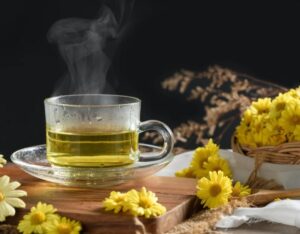
- Luteolin, which has antihypertensive and anti-inflammatory properties
- Chrysanthemin, which enhances antioxidant action and adds a golden hue
- Caffeoylquinic acids and their potential to protect the liver
Chrysanthemum tea is completely herbal, unlike teas that include caffeine, which makes it appropriate for people who are sensitive to stimulants or for drinking in the evening. According to research, steeping chrysanthemums between 90 and 95 degrees Celsius optimizes flavonoid release while maintaining aromatic integrity. A more balanced flavor and slower diffusion are guaranteed when complete flower heads are used.
Edible Chrysanthemum Greens
Young chrysanthemum leaves, referred to as shungiku in Japanese cooking, are just as significant as the petals. They have a soft texture and a vegetal flavor that combines hints of herbs with a hint of bitterness.
1. Nutritional Attributes of the Greens
The leaves of chrysanthemums include:
- Vitamin K is essential for healthy bones and blood
- Magnesium and potassium help maintain electrolyte balance
- Dietary fiber supports the digestive system
Because of their composition, they can be used as a functional component in steamed dishes, stir-fries, salads, and hot pots.
2. Cultivation and Harvest Timing
Before the flowering stage, when the concentration of essential oils is at its lowest and the leaves exhibit their maximum tenderness, careful plucking of the leaves occurs to obtain the finest flavor. This practice ensures that the harvested greens maintain their rich taste profile. In temperate climates, these leafy plants can thrive throughout the entire year, providing a consistent and reliable source of nutrition and enhancing the overall food value of the garden. This year-round cultivation allows for continuous harvests, ensuring that the freshness and quality of the greens are preserved.
How to Consume Chrysanthemums Responsibly?
When chrysanthemums are grown without pesticides and come from edible kinds, they are usually safe to consume. But safety precautions should always be adhered to:
- Steer clear of florist flowers as they can contain chemical preservatives
- If you have a history of ragweed or other Asteraceae plant allergies, introduce them gradually
- To get rid of pollen and debris, properly wash the petals
- Make use of culinary varietals, preferably with food-grade labels
By changing pollen proteins, heat treatments like blanching or steeping lower the risk of allergies and make cooked forms safer for those who are sensitive.
Creative Ways to Use Chrysanthemums
In the kitchen, chrysanthemums are incredibly versatile and work well in drinks, savory meals, desserts, and condiments. Both home cooks and chefs can express their creativity with their pigments and volatile oils.
1. Beverages
- Dried flower heads are used to make chrysanthemum tea
- Floral syrups for mocktails and drinks
- In ancient China, fermented chrysanthemum wine was widely consumed
- Citrus and honey-infused cold infusions
These beverages offer a calming sensory experience while extracting faint scents.
2. Savory Dishes
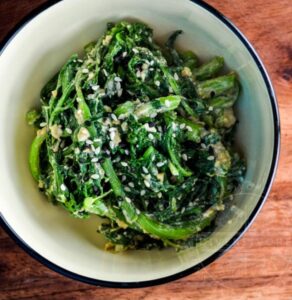
A range of culinary dishes are enhanced with edible chrysanthemums:
- Additions to hot pots made with young leaves
- Fried flowers in the style of tempura
- Whole flower-infused broths
- Finely cut petals used to rice dishes
They are perfect for multi-layered dishes since their bitterness complements rich or fatty ingredients.
3. Pastry and Desserts
Though less common, chrysanthemums fit beautifully in sweets:
- Petal-infused custards
- Floral jellies
- Candied blossoms
- Honey-chrysanthemum cakes
Petals impart subtle aromatics without overpowering delicate confections.
4. Garnishes and Plating
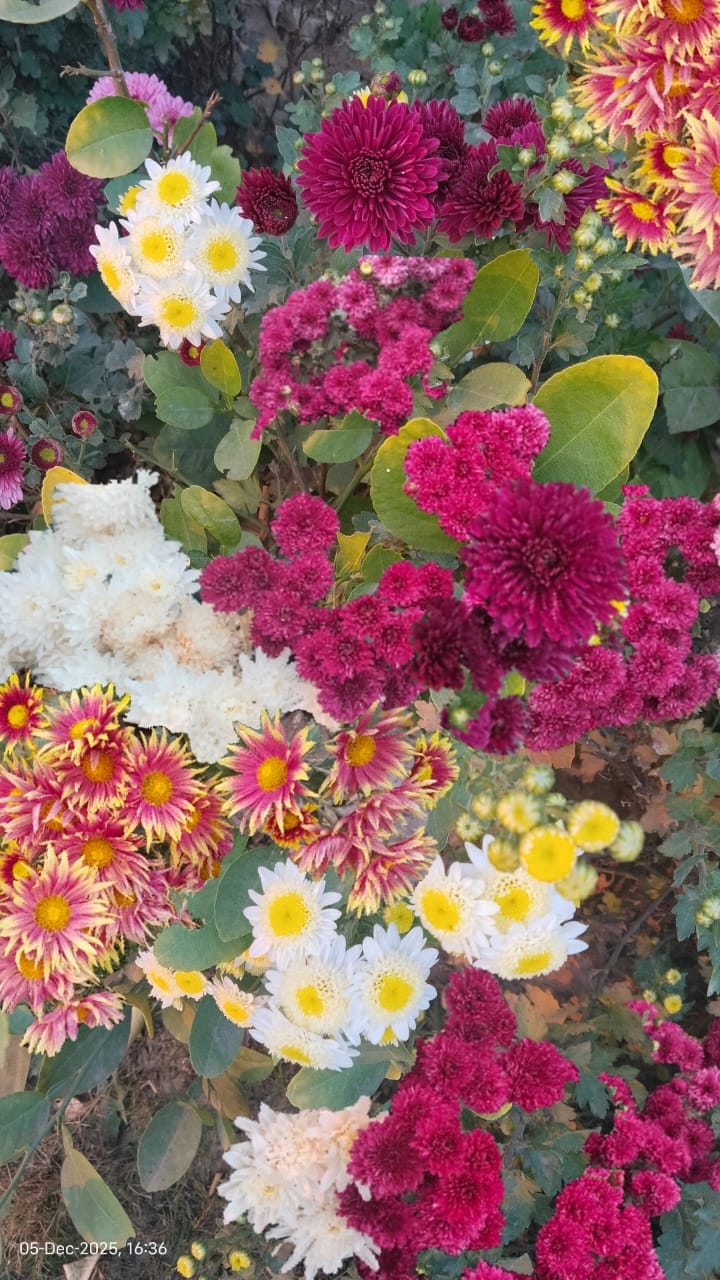
Their striking hues, which range from light ivory to rich gold, offer outstanding presentation value. You can spread petals on top of salads, soups, or desserts as long as you use edible types.
The Phytochemistry Behind Chrysanthemum Aroma and Flavor
The phytochemical composition of chrysanthemum flowers is responsible for their sensory complexity. Important classes consist of:
- Linalool and α-pinene are examples of monoterpenes that add scents of freshness and pine
- Warmth and spice are added by sesquiterpenes (β-caryophyllene, germacrene D)
- Green, leafy scents are enhanced by fatty acid derivatives
- Phenylpropanoids provide sweetness in flowers.
The way that these molecules work together influences how chrysanthemums complement different cuisines. For example, sweet phenylpropanoid-rich cultivars improve teas and desserts, whereas terpenoid-rich cultivars thrive in savory applications.
Environmental Benefits
Chrysanthemums are not just edible; they also have ecological importance. They contribute to sustainable gardening in the following ways:
1. Natural Pest Resistance
Pyrethrins are naturally occurring insecticidal substances produced by a variety of chrysanthemum species. Although Tanacetum cinerariifolium has higher amounts of these, edible forms have minor pest-deterring properties that lessen the need for synthetic pesticides.
2. Pollinator Attraction
Beneficial insects like hoverflies and bees are drawn to chrysanthemum nectar, but access to petal-heavy cultivars may be restricted. For pollinators, their fall flowering season prolongs seasonal food sources.
3. Soil Compatibility
The plants flourish in organic gardens and can withstand a variety of soil types. Their vast root systems support soil structure, making them a low-maintenance addition to edible landscapes.
Drying, Storing, and Preserving Chrysanthemum Blossoms
Proper preservation is essential for maintaining the flavor and nutrient integrity of tea, especially during the brewing process.
1. Drying Methods
- Air drying preserves color, although low humidity is necessary
- Stable, consistent dryness is produced by dehydrator processing
- While avoiding browning, oven drying at 122–140°F (50–60°C) preserves essential oils.
When preserved in sealed, light-proof containers, dry flowers can be kept for up to a year.
2. Freezing Petals
Although their texture weakens as they thaw, frozen petals retain their color and are ideal for drinks or baking. Despite the change in texture, their vibrant colors and unique essence make them a wonderful addition to culinary creations.
3. Making Chrysanthemum Extracts
Bioactive substances are preserved in concentrated extracts for use in cooking or medicine. Water extractions focus on aromatics, whereas ethanol-based tinctures extract flavonoids.
Scientific Research and Modern Applications
The captivating world of chrysanthemums has sparked a vibrant curiosity among scientists across various fields today. Their beauty and unique characteristics invite exploration and study, making these flowers a focal point for research enthusiasts and botanists alike.
1. Pharmacology
Research in animals and in vitro emphasizes:
- NF-κB pathway suppression in anti-inflammatory mechanisms
- Similar antipyretic effects to those of moderate analgesics
- Benefits of protection from oxidative stress
The historical usage of chrysanthemum infusions in wellness practices is supported by these results.
2. Food Science
Contemporary culinary study investigates:
- Chrysanthemum flavonoids’ capacity to withstand heat
- Chrysanthemum extract microencapsulation for drinks
- Retention of aroma during fermentation and baking
Their role in botanical beverages and functional foods is growing as a result of this work.
3. Cosmetic and Aromatherapy Uses
Chrysanthemum essential oils are valued in skincare products for their antibacterial and antioxidant properties, making them beneficial for maintaining healthy skin. Additionally, these oils are employed in aromatherapy due to their calming and soothing effects, providing relaxation and comfort.
Tips for Home Gardeners
Cultivating chrysanthemums not only gives you a bountiful supply of fresh petals and leaves but also empowers you to manage what goes into your garden. This way, you can enjoy vibrant blooms while maintaining control over chemical exposure for a healthier experience.
1. Choosing the Right Variety
Select cultivars labeled as edible or culinary grade, ensuring they come from safe species of chrysanthemums, two notable examples are:
- Chrysanthemum morifolium, commonly known as the garden mum or florist’s chrysanthemum, is widely cultivated for its vibrant blooms and long-lasting qualities. This variety is often utilized in both decorative displays and as a source of natural remedies due to its potential health benefits.
- Chrysanthemum indicum, known as the wild chrysanthemum or Chinese feverfew, is another species recognized for its medicinal properties. Traditionally used in herbal medicine, it is valued for its ability to promote health and wellness.
In addition to their aesthetic appeal, varieties of chrysanthemums that are specifically bred for their fragrance and medicinal qualities tend to offer more complex flavors. These enhanced aromatic profiles not only enrich the sensory experience but also contribute to their therapeutic applications, making them a popular choice for those seeking both beauty and utility in their gardening and herbal pursuits.
2. Light and Soil Requirements
Chrysanthemums flourish best under specific conditions that ensure their health and vibrancy. They ideally require:
- Light Conditions: Full sunlight is preferred, as it allows the plants to produce abundant blooms. However, they can also adapt to partial sunlight, especially in regions with extremely high temperatures, where a few hours of shade in the afternoon can be beneficial.
- Soil Requirements: These flowers thrive in loose, well-draining soil that is rich in organic matter. Amending the soil with compost not only provides essential nutrients but also improves its texture, ensuring adequate drainage and aeration for the roots.
- Watering Needs: Chrysanthemums require moderate moisture levels. It’s crucial to maintain consistent watering, ensuring the soil is moist but not waterlogged. Prolonged saturation can lead to root rot, so allowing the top inch of soil to dry out before the next watering is advisable.
- Mulching Benefits: Applying a layer of mulch around the base of the plants can significantly help in preserving soil moisture. Additionally, mulch helps suppress weeds and regulates soil temperature, contributing to healthier growth.
By ensuring these conditions are met, gardeners can enjoy a vibrant display of chrysanthemums throughout the blooming season.
3. Harvesting Blossoms
When selecting flowers for picking, it is ideal to choose them at their full bloom stage, ensuring that they are vibrant and lively rather than starting to fade. Harvesting in the morning hours is particularly beneficial, as this time captures the flowers’ peak aroma, allowing their fragrance to be at its most potent. Additionally, picking flowers in the cool morning air helps preserve their freshness, as they are less likely to wilt or suffer from heat stress. By following these guidelines, you can ensure that the flowers not only look their best but also retain their delightful scent for a longer period.
4. Avoiding Chemical Exposure
To ensure the highest standards of food safety, it is essential to exclusively utilize organic fertilizers and adopt sustainable pest-management methods. Organic fertilizers, derived from natural sources, not only enrich the soil with vital nutrients but also enhance microbial activity, promoting a healthier ecosystem. Meanwhile, effective pest-management strategies, such as integrated pest management (IPM), focus on preventive measures and natural solutions, minimizing the reliance on harmful chemicals. By prioritizing these practices, we can safeguard both the health of consumers and the environment, leading to safer and more sustainable food production.
Why Chrysanthemums Are Trending?
Chrysanthemums provide the perfect blend of aesthetic appeal, distinctive scent, and scientific validity for chefs looking for sustainable, plant-forward cuisine. They are an emerging star in botanical cuisine since they work well with both savory and sweet recipes.
Additionally, the demand for natural substances high in antioxidants has increased due to consumer interest in functional meals. From sparkling drinks to dessert glazes, chrysanthemum products are making their way into upscale kitchens and artisanal food stores across the globe.
Conclusion
Chrysanthemums are a wonderful example of how science, culture, and inventive cooking can come together. Their nutritional richness, pharmacological potential, aromatic diversity, and long-edible history make them one of the most fascinating edible flowers in the botanical world. Chrysanthemums provide significant value that goes well beyond their aesthetic appeal, whether they are grown responsibly in a home garden, consumed as a calming tea, or used in a sophisticated meal.
We accept chrysanthemums not just as flowers but also as tasty, useful ingredients with an amazing history—and an exciting future in the developing realm of edible plants—after learning about their chemistry, history, and culinary potential.
Disclaimer
The content provided on this website is purely for educational purposes. We are neither nutritionists nor do we intend to mislead our readers by providing any medical or scientific information.