Coriander: 4 Exclusive Tips to Maximize Yield
Introduction
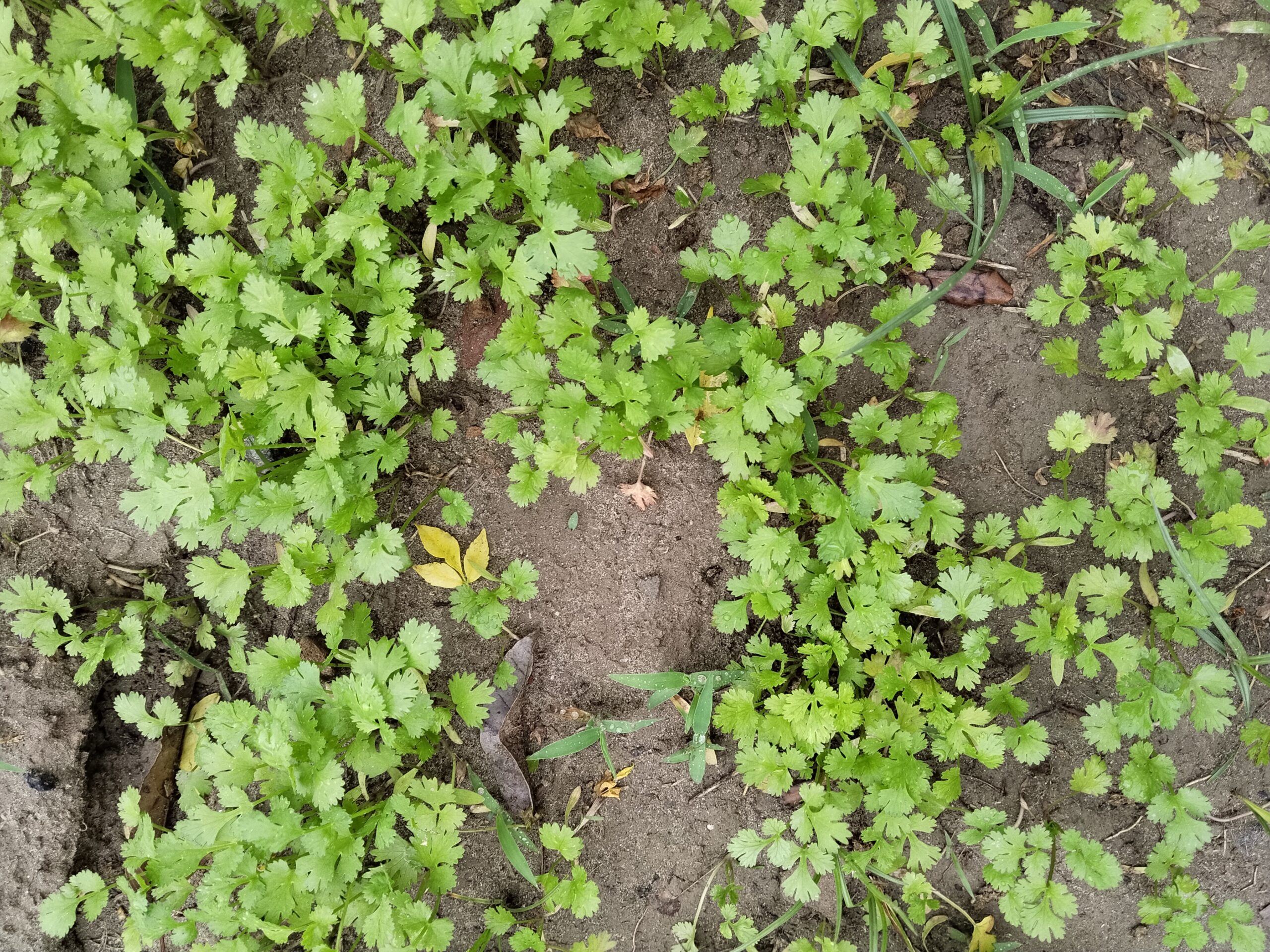
The fragrant herb coriander (Coriandrum sativum), commonly referred to as cilantro in North America, is loved all across the world for its unique flavor and numerous culinary applications. Every portion of the plant, from nutrient-rich seeds to vivid green leaves, offers special advantages, making it a mainstay in both gardens and kitchens. Understanding coriander’s growth requirements, nutritional profile, and applications can help home gardeners turn a basic herb into a thriving garden superstar.
Botanical Overview of Coriander
Coriander is closely related to parsley, fennel, and dill and is a member of the Apiaceae family. As an annual herb, it takes only one growing season to finish its life cycle. According to botany, coriander has two primary edible parts:
- Leaves: Cilantro leaves are used fresh in salads, salsas, and garnishes. They are delicate, fragrant, and highly perishable.
- Seeds: Coriander seeds (Coriander) have warm, lemony, dry, globular seeds that are frequently used as spice in cooking and medicine.
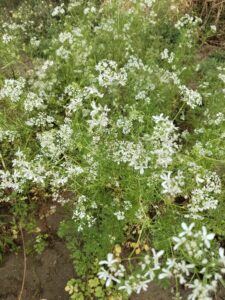
The plant has feathery leaves, tiny white or pinkish flowers, and oval-shaped seeds. It usually reaches a height of 20–30 in (50–70 cm). It’s interesting to note that the flavor profiles differ: the seeds smell sweet and nutty, while the leaves have a fresh, occasionally lemony fragrance. Among herbs, coriander is unique in that it serves two purposes.
Nutritional and Medicinal Properties
Coriander is more than just a flavor enhancer. Numerous health advantages are provided by its micronutrients and bioactive compounds:
- Vitamins: It is very rich in vitamin C, vitamin K, and certain B vitamins
- Minerals: Includes manganese, calcium, magnesium, and potassium
- Phytochemicals: The herb has flavonoids, polyphenols, and essential oils like linalool, which are examples of phytochemicals that have antibacterial and antioxidant qualities
Health Benefits
- Digestive Aid: Seeds increase appetite, improve digestion, and lessen bloating
- Anti-inflammatory: Leaf extracts may aid in lowering oxidative stress and inflammation
- Blood Sugar Regulation: Research has demonstrated that coriander seeds promote normal blood glucose levels
- Heart Health: Dietary fiber and flavonoids may help the heart
Growing Tips
Although coriander is versatile, optimal growing necessitates knowledge of its growth cycles and preferences. It can be grown outdoors or in pots, and it does well in temperate areas.
1. Climate and Sunlight Requirements
Cool or moderate temperatures (50–85°F/10–29°C) are ideal for coriander. Leaf bitterness can result from early flowering caused by excessive heat. It should ideally get four to six hours of sunlight each day, with some shade in warm climates.
2. Soil Preferences
Similar to numerous other herbs and vegetables, coriander thrives in soil that possesses the following characteristics:
- Texture: Imagine a rich, well-draining loamy soil that cradles your plants, providing just the right balance of nutrients and moisture. This fertile ground is perfect for healthy root development, ensuring your garden thrives
- pH: The pH range is a delightful blend, sitting comfortably between slightly acidic and neutral, specifically from 6.2 to 7.0. This balance creates a perfect environment for a variety of life forms and chemical reactions!
- Amendments: Boost your soil’s health by mixing in some compost or organic matter! This not only helps retain moisture but also enriches the soil with essential nutrients, creating a thriving environment for your plants to flourish.
- Avoid: Heavy clay soils can be a challenge for gardeners, as they tend to retain water and can lead to waterlogging. This excess moisture can create an environment ripe for root rot, threatening the health of your plants. Embracing the unique characteristics of these soils means paying extra attention to drainage and plant choices to ensure your garden thrives despite the odds!
3. Seed Selection and Preparation
- Select seeds that are certified and guaranteed to be free from any diseases or pests, ensuring a healthy and thriving crop
- Many gardeners employ a method of soaking seeds in water for a duration of 12 to 24 hours with the aim of enhancing the germination process. This technique is believed to soften the seed coat, allowing for easier sprouting. However, it is important to note that soaking seeds is not a mandatory step and can be skipped if desired
- When preparing seeds for sprouting, take care to split them gently. This technique is important because each seed is home to two distinct embryos, and by carefully separating them, you can enhance the chances of successful germination
4. Planting Guidelines
- Spacing: When planting seeds, dig holes that are approximately .5 to 1 inch deep. Make sure to space each seed 6 to 8 inches apart from one another to allow for proper growth and air circulation. This spacing will help prevent overcrowding and ensure that each plant has enough room to thrive as it develops
- Succession Planting: To maintain a steady and ongoing harvest throughout the growing season, it is recommended to plant new seeds at intervals of every 2 to 3 weeks. This staggered planting approach allows for mature crops to be harvested while new seedlings are developing, ensuring a consistent supply of fresh produce. Make sure to monitor the specific needs of the crops you are planting, as different varieties may have varying growth rates and requirements. By following this schedule, you can maximize your yield and enjoy a continuous bounty from your garden or farm
- Containers: Perfect for patios or cozy outdoor spaces, it’s important to choose pots that are between 8 and 11 inches (20 and 25 centimeters) in depth. Ensure these containers have adequate drainage to prevent water accumulation, which can harm plant roots. Selecting pots with drainage holes will help maintain optimal moisture levels, promoting healthy growth for your plants
5. Watering Practices
Coriander doesn’t like damp soil, but it does like steady moisture. Drought stress lowers the quality and flavor of leaves, while overwatering promotes fungal diseases.
- To promote healthy plant growth, it is important to water your plants lightly and on a frequent basis. This means providing small amounts of water regularly, rather than soaking the soil all at once. Aim to check the moisture level of the soil a few times a week and adjust your watering schedule to ensure that the soil remains consistently damp but not waterlogged. This approach helps the roots absorb nutrients effectively and encourages strong, healthy growth
- Apply a layer of mulch around the base of the plants to help retain moisture in the soil and minimize the formation of a hard crust on the surface. This not only keeps the soil consistently hydrated but also protects the roots from temperature fluctuations. Additionally, mulch can suppress weed growth and improve the overall health of your garden by slowly breaking down and enriching the soil as it decomposes
6. Fertilization
- Apply balanced organic fertilizers or compost tea every 3–4 weeks
- Excess nitrogen promotes lush leaves but may delay seed formation
7. Pest and Disease Management
Coriander is generally resilient but can face challenges:
- Pests: Aphids, cutworms, and spider mites can cause significant damage to your garden. To effectively manage these pests, consider using neem oil sprays, which are derived from the seeds of the neem tree and act as a natural pesticide. Alternatively, implementing companion planting strategies—where you grow certain plants together that can help deter pests—can also be an effective approach to keeping these nuisances under control
- Diseases: To prevent issues such as powdery mildew, leaf blight, and root rot, it is essential to implement proper gardening practices. Avoid overhead watering, as this can create a moist environment that promotes the growth of fungal diseases. Instead, opt for watering at the base of the plants to keep foliage dry. Additionally, ensure adequate spacing between plants to improve air circulation, which helps reduce humidity levels around the leaves and roots. This attention to watering methods and plant arrangement will significantly reduce the risk of these common plant ailments
Harvesting Coriander
Leaf Harvesting
- Harvest leaves when the plants are 6-8 inches tall
- Cut outer leaves first, leaving the center to grow
- Frequent harvesting promotes fresh growth
Seed Harvesting
- Allow plants to flower and develop seeds (2–3 months after planting).
- Seeds turn brown and dry naturally
- Collect seeds by cutting umbels and drying them in a cool, airy place
- Store in airtight containers to maintain aroma
Culinary Uses
The versatility of this aromatic gem makes it a kitchen essential:

1. Fresh Leaves
Salads, featuring a vibrant mix of fresh greens, colorful vegetables, and a variety of dressings; creamy guacamole made from perfectly ripe avocados blended with lime juice, tomatoes, onions, and spices; zesty chutneys that combine fruits, herbs, and spices for added flavor; and aromatic curries, rich with spices and ingredients like tender meats or hearty vegetables, slow-cooked to create a sumptuous dish.
2. Seeds
Ground into vibrant spice blends, aromatic curries, zesty pickles, and delightful baked goods, these ingredients add depth and flavor to a wide array of dishes. Whether used to enhance savory stews, create tangy condiments, or elevate sweet treats, their versatility knows no bounds.
3. Essential Oils
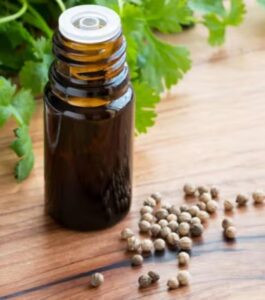
Extracted oils, often referred to as essential oils, are widely utilized for their rich flavors and therapeutic properties. In the culinary world, these oils enhance the taste of various dishes, imparting unique aromas and flavors derived from plants, flowers, or spices. In addition to culinary uses, essential oils play a significant role in aromatherapy, where they are employed to promote relaxation, reduce stress, and improve overall well-being. Their distinct fragrances can create a calming environment, making them popular choices in wellness practices and self-care routines.
4. Pairing
This ingredient beautifully enhances the flavors of garlic, chili, and lemon, creating a vibrant and aromatic profile. Additionally, it pairs wonderfully with a variety of herbs, such as fresh mint and parsley, which contribute their own unique essence. Together, these elements create a harmonious blend that elevates dishes, adding depth and complexity to the overall taste experience.
Medicinal and Traditional Applications
1. Digestive Aid
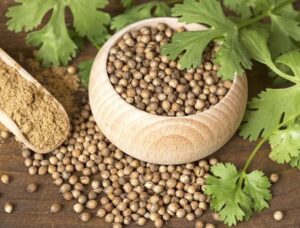
Coriander has been recognized for its bioactive compounds and essential oils, such as linalool, borneol, and cineole, making it a powerful digestive aid in both traditional and modern medicine. These substances enhance gastrointestinal motility and increase the production of digestive enzymes, which support effective digestion and nutrient absorption. Coriander seeds possess mild carminative and antispasmodic properties that help relax intestinal muscles and reduce cramping. As a result, they are commonly used in ancient herbal systems like Ayurveda and Unani medicine to alleviate indigestion, bloating, gas, and stomach discomfort.
Scientific research has shown that coriander extracts can improve fat digestion and promote bile secretion, benefiting liver health and the digestive system. In South Asia, it is still a common practice to soak coriander seeds in water overnight and then drink the infused water in the morning. This is believed to enhance intestinal balance, regulate digestion, and reduce acidity.
2. Antimicrobial and Natural Preservative Properties
Coriander is commonly used in traditional cooking to enhance flavor, extend shelf life, and reduce contamination in pickles, chutneys, and spice blends. Recent research confirms that coriander extracts serve as natural food preservatives, reducing spoilage and improving food safety. This means fresh coriander can be used in herbal sprays and organic preparations, promoting a chemical-free and sustainable lifestyle for home gardeners and small-scale farmers.
3. Cultural and Traditional Healing Significance
Beyond its scientific and therapeutic uses, coriander has significant cultural and historic importance in many cultures, where it has been utilized for thousands of years as a culinary staple and as a healing plant. According to historical accounts, coriander was grown in ancient Egypt, Greece, and Rome for ceremonial purposes, aromatic oils, and stomach treatments. Coriander is regarded in Ayurvedic medicine as a cooling herb that balances body heat and aids in cleansing. It is frequently suggested for lowering inflammation, boosting metabolism, and preserving internal balance.
Coriander seeds are also used in herbal infusions to boost immunity and general well-being in Middle Eastern and Mediterranean traditions. Coriander’s importance as a holistic herb that promotes health, culinary innovation, and sustainable living is reinforced by this link between tradition, science, and home gardening.
Tips for Maximizing Flavor and Yield
1. Avoid Heat Stress
Preventing severe heat stress on the coriander plant is one of the most important aspects of optimizing its flavor and yield. As a cool-season herb, coriander prefers temperatures between 50°F and 77°F (10°C and 25°C). Exposure to high temperatures frequently causes premature bolting, a physiological reaction that causes the plant to rapidly transition from vegetative development to flowering and seed production. Bolting causes the plant to focus its energy on reproductive growth rather than leaf creation, which results in smaller, harder, and more bitter leaves. According to science, temperature and photoperiod have an impact on this process because they control plant hormones like auxins and gibberellins that cause flowering.
By planting coriander in the early spring or fall, offering some shade on hot afternoons, and keeping the soil consistently moist to control root-zone temperature, home gardeners can reduce heat stress. By retaining soil moisture and lowering temperature swings, organic mulch—such as compost or straw—creates a stable microclimate that promotes sustained leaf formation. Gardeners can delay bolting and prolong the harvesting time while greatly increasing the quantity and aromatic quality of coriander leaves by regulating temperature exposure.
2. Succession Planting for Continuous Harvest
A scientifically validated gardening technique that guarantees a consistent supply of fresh coriander throughout the growing season is succession planting. Planting all of the seeds at once frequently results in a single, brief harvest window because coriander has a relatively short life cycle, usually finishing leaf development three to four weeks before flowering begins. Gardeners can sustain ongoing plant growth at various stages and guarantee a consistent supply of new leaves by planting small batches of seeds every two to three weeks. By simulating natural staggered germination patterns, this technique lowers the possibility of crop failure brought on by pests, environmental stress, or abrupt temperature fluctuations.
Furthermore, succession planting reduces overcrowding and enhances soil nutrient usage, giving each plant access to enough water, sunlight, and minerals for healthy growth. This method is very helpful for home gardeners who want a continual harvest but have limited land, such as container gardening or small backyard plots. A well-thought-out planting strategy improves the efficiency, sustainability, and predictability of coriander production, yielding fresh herbs for use in cooking and medicine all season long.
3. Proper Spacing for Healthy Growth
Proper spacing directly influences airflow, nutrition availability, and disease avoidance; it is essential to maximize coriander yield, or even for any other plant. Overcrowding causes coriander plants to struggle with one another for sunshine, water, and soil nutrients, resulting in weaker stems, smaller leaves, and a lower concentration of essential oils, all of which eventually degrade flavor. According to science, proper spacing promotes improved photosynthesis by guaranteeing that each plant gets enough light, which increases the production of chlorophyll and essential oils that give the plant its flavor and scent.
In addition to lowering humidity levels and minimizing fungal diseases like powdery mildew and leaf blight, which frequently develop in dense plantings, spacing also enhances air circulation around the plants. To allow roots to grow freely and effectively absorb nutrients, coriander plants should ideally be spaced 6 to 8 inches apart. To ensure that only the strongest plants continue to grow, it is effective to thin seedlings after germination. In addition to increasing production, keeping the right spacing for home gardeners results in healthier plants with better flavors and longer harvesting cycles, making coriander growing more manageable and productive.
4. Regular Harvesting to Promote New Growth
A useful and scientifically validated strategy for promoting ongoing plant growth and raising total output is regular harvesting. The plant produces new branches and foliage in response to regular leaf harvesting; this process is fueled by apical dominance and internal hormone regulation. Eliminating outer leaves encourages the formation of lateral buds and bushier growth by lessening the dominance of the main developing point. By delaying flowering and increasing leaf output, this technique prolongs the plant’s vegetative state. Harvesting should begin when the plant reaches about 6 to 8 inches (15 to 20 cm) in height, and gardeners should cut outer leaves while leaving the central growth intact to ensure continued development.
Companion Planting and Garden Integration
In vegetable gardens, his aromatic herb makes a great companion:
- Attracts Beneficial Insects: Flowers attract pest-controlling predatory insects as well as pollinators like bees
- Enhances Growth of Certain Crops: Excellent for potatoes, spinach, and tomatoes
- Deters Harmful Pests: Aphids, spider mites, and potato beetles are among the harmful pests that are repelled
Container Gardening and Indoor Cultivation
In urban and densely populated areas where people don’t have lawns or any growing areas, coriander behaved well in pots and on windowsills:
- Use 8–10 inch deep containers with drainage holes
- Provide 4–6 hours of direct sunlight or supplement with grow lights
- Indoor cultivation allows year-round harvesting, especially in colder regions
Scientific Insights and Research
Recent studies have highlighted coriander’s bioactive potential:
- Antioxidant Activity: Polyphenols found in coriander scavenge free radicals and shield cells from oxidative damage
- Blood Sugar Control: In experimental studies, coriander seed extract can increase insulin sensitivity
- Antimicrobial Potential: Essential oils have demonstrated inhibitory effects on pathogens such as E. coli and Salmonella
- Soil Interactions: Coriander enhances microbial synergy, increases soil biodiversity, and encourages sustainable gardening
Common Challenges and Solutions
- Bolting: Early flowering is caused by high temperatures. Harvest often and plant throughout the cooler months
- Leaf Yellowing: It could be a sign of overwatering or a lack of nutrients. Make the necessary fertilizer and irrigation adjustments
- Pest Infestation: Promote natural predators such as lacewings and ladybugs. To avoid insect accumulation, rotate your crops
Conclusion
For home gardeners, coriander is an amazing herb that combines taste, nutrition, and health advantages. It is a staple in gardens and kitchens all around the world due to its adaptability, ease of cultivation, and culinary versatility. Gardeners can benefit from a robust, fragrant, and nutrient-dense plant throughout the year by being aware of its growth requirements, appropriate harvesting methods, and various applications.
It is a prime example of the harmonious relationship between gardening, science, and the art of cooking, whether it is eaten fresh in salads, dried as a spice, or grown for essential oils.
Disclaimer
The content provided on this website is purely for educational purposes. We are neither nutritionists nor do we intend to mislead our readers by providing any medical or scientific information.